
Medically reviewed by Dr. Tom Biernacki, DPM
Board-certified podiatric surgeon | Balance Foot & Ankle, Howell & Bloomfield Township, MI
Last reviewed: May 2026
| Post-Cortisone Timeline | Expected Experience | Action |
|---|---|---|
| Hours 0–12 | Soreness at injection site — normal | Ice, rest, OTC anti-inflammatory |
| Hours 12–48 (flare) | Increased pain — cortisone flare | Ice, elevation, rest, pain medication |
| Days 3–7 | Pain improving from pre-injection baseline | Resume normal activity as tolerated |
| Weeks 1–4 | Progressive improvement, full effect builds | Begin physical therapy if recommended |
| Week 4+ | Maximum benefit — re-evaluate if not improved | Follow-up with podiatrist if pain persists |
| Post-Injection Concern | Normal or Abnormal? | Action |
|---|---|---|
| Increased pain first 48 hrs | Normal — cortisone flare | Ice, rest, reassurance |
| Skin discoloration at injection site | Normal — may last weeks-months | Monitor; discuss at follow-up |
| Pain not improved at 4 weeks | Abnormal — assess further | Call podiatrist; may need repeat or alternative |
| Fever, chills, swelling spreading | Abnormal — possible infection | Call podiatrist or urgent care immediately |
| Heel becomes more tender over months | Possible fat pad atrophy | Podiatrist evaluation; orthotics |
A flare of foot pain in the first 24-48 hours after a cortisone shot is normal — but pain that worsens after day 3, with redness or warmth, can mean infection or post-injection flare needing urgent evaluation.
You’re in the right place. Dr. Tom Biernacki, DPM, FACFAS — board-certified foot & ankle surgeon with 3,000+ surgeries — explains exactly what foot pain after a cortisone shot means and what works. Call (810) 206-1402 for same-day appointment at Howell or Bloomfield Township.
Quick answer: Foot Pain After Cortisone Shot has multiple potential causes including mechanical, neurological, vascular, and inflammatory. The most common causes we identify are overuse, ill-fitting shoes, and biomechanical imbalance. Red flags requiring urgent evaluation: warmth/redness (infection), inability to bear weight (fracture), and unilateral swelling without injury (DVT). Call (810) 206-1402.
Medically Reviewed | Dr. Tom Biernacki, DPM | Board-Certified Podiatrist | Balance Foot & Ankle, Michigan
![How to Cure Plantar Fasciitis in One Week? [FAST Heel Pain Relief!]](https://www.michiganfootdoctors.com/wp-content/cache/flying-press/b5600c3bfb9845a6095da8266d8b5363.jpg)
Watch: How to Cure Plantar Fasciitis in One Week? [FAST Heel Pain Relief!] — MichiganFootDoctors YouTube
The most important clinical decision with Foot Pain After Cortisone Shot isn’t which treatment to start with — it’s identifying the correct subtype. That changes everything. Call (810) 206-1402.
Foot Pain After Cortisone Shot: Quick Answer
Pain after a cortisone injection in the foot is sometimes expected and sometimes concerning. Understanding normal vs concerning patterns helps recovery. We help dozens of post-injection patients yearly at Balance Foot and Ankle. Here is the comprehensive post-cortisone-injection guide.
Normal Post-Cortisone Injection Pain
Expected post-injection symptoms: Initial pain at injection site (sometimes worse than original pain for 24-48 hours – “steroid flare”); some local tenderness; occasionally bruising; sometimes brief swelling. Normal timeline: Day 0-2 sometimes worse; gradual improvement over week; significant pain relief usually starts day 3-7; maximum benefit 2-3 weeks. Steroid flare: Affects ~5-10% of injections; resolves in 1-3 days.
When Post-Injection Pain Is Concerning
RED FLAGS: Severe pain not improving by day 3-5; signs of infection (redness, warmth, fever, drainage); inability to bear weight; severe disproportionate pain; nerve symptoms (numbness, weakness); calf pain (DVT – rare but possible). Same-day evaluation: Contact prescriber for any concerning symptoms.
Steroid Flare Management
Steroid flare: Initial worsening of pain after injection. Why: Steroid crystals can irritate tissues initially before anti-inflammatory effect kicks in. Pattern: Pain peaks 6-24 hours after injection; gradually resolves; eventually replaced by significant pain relief. Management: Ice; activity modification; over-the-counter pain medication if needed (acetaminophen, sometimes NSAIDs); reassurance; usually self-limited. Reduces with: proper injection technique.
Common Foot Injections
Common foot conditions treated with cortisone: Plantar fasciitis (most common); Mortons neuroma; arthritis (1st MTP, midfoot, ankle); bursitis (retrocalcaneal, others); tendon issues (with caution near major tendons); ganglion cysts (sometimes). Less commonly: Achilles tendon (avoided due to rupture risk); some other tendon insertions (caution).
Side Effects of Cortisone Injections
Local side effects: Steroid flare; skin lightening (especially in darker skin); fat atrophy at injection site; rarely tendon weakening or rupture. Systemic side effects: Brief blood sugar elevation (especially diabetics); brief hot flashes; sometimes mood changes; occasional menstrual changes. Rare serious effects: Infection; severe allergic reaction; tendon rupture; cartilage damage with repeated injections.
Activity After Cortisone Injection
Post-injection activity: Usually limit weight bearing for 24-48 hours; gradually return to activity; full activity usually within 1-2 weeks; avoid high-impact for 1-2 weeks if injection in weight-bearing area. For athletes: Discuss return-to-sport timing with podiatrist; sometimes longer rest needed; risk of overuse from “feeling better” but tissue still healing.
Multiple Injections Concerns
Multiple cortisone injections: Some risks. Concerns: Tendon weakening with multiple injections near tendons; cartilage damage with repeated joint injections; fat pad atrophy; skin changes; less effective with each injection. Limit: Generally no more than 3-4 injections per area per year; some tendons (Achilles especially) often avoided entirely or limited to one injection. Consider alternatives: After multiple injections.
Achilles Tendon Caution
Cortisone near Achilles: High caution. Risk: Tendon weakening/rupture with injection too close. Alternative locations: Retrocalcaneal bursa (with proper technique); avoid direct tendon injection. Some podiatrists: Avoid Achilles area cortisone entirely; use alternative treatments. If injection used: Proper posterolateral approach; ultrasound guidance preferred; rest period afterward.
Alternatives to Cortisone
If cortisone not appropriate or limited: PRP (platelet-rich plasma); ESWT (extracorporeal shock wave therapy); amniotic membrane injections; hyaluronic acid (for some joints); standard conservative treatments; sometimes surgery for refractory cases. Each alternative: Different evidence base; different cost; different timeline.
When to See a Podiatrist
See us if: post-cortisone injection pain not following expected pattern; suspected infection; severe disproportionate pain; injection didnt help; need follow-up evaluation; need additional treatment plan; considering injection vs other options. Same-week appointments at Balance Foot and Ankle. Schedule online.
Podiatrist-Recommended Products


Frequently Asked Questions About Foot Pain After Cortisone Shot
Is pain after a cortisone shot normal?
YES – “steroid flare” affects ~5-10% of injections. Initial pain at injection site (sometimes worse than original pain for 24-48 hours); some local tenderness; occasionally bruising; sometimes brief swelling. Normal timeline: significant pain relief usually starts day 3-7.
What is steroid flare?
Initial worsening of pain after injection. Why: steroid crystals can irritate tissues initially before anti-inflammatory effect kicks in. Pattern: pain peaks 6-24 hours after injection; gradually resolves; eventually replaced by significant pain relief.
When should I worry about pain after a cortisone shot?
RED FLAGS: severe pain not improving by day 3-5; signs of infection (redness, warmth, fever, drainage); inability to bear weight; severe disproportionate pain; nerve symptoms; calf pain (DVT – rare but possible). Contact prescriber for any concerning symptoms.
How long should I rest after a cortisone shot?
Usually limit weight bearing for 24-48 hours; gradually return to activity; full activity usually within 1-2 weeks; avoid high-impact for 1-2 weeks if injection in weight-bearing area. For athletes: discuss return-to-sport timing.
How many cortisone shots can I get?
Generally no more than 3-4 injections per area per year. Some tendons (Achilles especially) often avoided entirely or limited to one injection. Concerns: tendon weakening; cartilage damage with repeated joint injections; less effective with each injection.
Why arent cortisone shots used for Achilles?
High risk of tendon weakening/rupture with injection too close to tendon. Alternative locations: retrocalcaneal bursa (with proper technique). Some podiatrists avoid Achilles area cortisone entirely. If used: proper posterolateral approach; ultrasound guidance preferred.
When should I see a podiatrist after a cortisone shot?
Post-cortisone injection pain not following expected pattern; suspected infection; severe disproportionate pain; injection didnt help; need follow-up evaluation; need additional treatment plan; considering injection vs other options.
Related Resources from Balance Foot & Ankle
Still Dealing With Foot Pain After Cortisone Shot?
Same-week appointments at Balance Foot & Ankle in Howell & Bloomfield Township, MI.
Book Your AppointmentFrequently Asked Questions
When should I see a doctor?
See a podiatrist if pain persists past 2 weeks, prevents normal activity, or is accompanied by red-flag symptoms (warmth, swelling, numbness, inability to bear weight).
Can I treat this at home?
Mild cases respond to RICE protocol (rest, ice, compression, elevation), supportive shoes, and OTC anti-inflammatories. Persistent symptoms need professional evaluation.
How long does it take to heal?
Most soft tissue injuries resolve in 2-6 weeks with appropriate care. Bone injuries take 6-12 weeks. Chronic conditions need longer-term management.
Frequently Asked Questions
Podiatrist-Recommended Products
These are the products Dr. Tom recommends most often in his clinic at Balance Foot & Ankle for lasting foot pain relief:
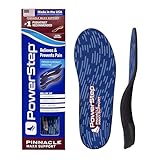
- PowerStep Pinnacle Arch Support Insoles — #1 clinic recommendation for arch support and heel pain relief
- Doctor Hoy’s Natural Pain Relief Gel — Fast-acting topical relief used and trusted by podiatrists
- CURREX RunPro Insoles — Dynamic arch profile for active patients and runners
As an Amazon Associate, Balance Foot & Ankle earns from qualifying purchases. These recommendations reflect genuine clinical use.
What is Foot pain?
Foot pain is a common foot/ankle condition that affects mobility and quality of life. Understanding the underlying cause is the first step in successful treatment. Our podiatrists at Balance Foot & Ankle perform a hands-on biomechanical exam, review your activity history, and use diagnostic imaging when appropriate to identify the root cause—not just treat the symptom. Many patients have been told to “rest and ice” without a deeper diagnostic workup; our approach is different.
Symptoms and warning signs
Common signs of foot pain include pain that worsens with activity, morning stiffness, swelling, tenderness when palpated, and difficulty bearing weight. If you experience sudden severe pain, inability to walk, visible deformity, numbness or color change, contact our office the same day or visit urgent care—these can signal a more serious injury such as a fracture, tendon rupture, or vascular compromise. Diabetics with any foot wound should seek same-day care.
Conservative treatment options
Most cases of foot pain respond to non-surgical care: structured rest, supportive footwear changes, custom orthotics, targeted stretching and strengthening protocols, anti-inflammatory medications when medically appropriate, and in-office procedures such as ultrasound-guided injections. We also offer advanced therapies including MLS laser therapy, EPAT/shockwave, regenerative injections, and image-guided procedures. Treatment is sequenced from least invasive to most invasive, and we explain the rationale at every step.
When is surgery considered?
Surgery is reserved for cases that fail 3-6 months of well-structured conservative care, when there is structural pathology (severe deformity, complete tear, advanced arthritis), or when imaging shows damage that will not heal without intervention. Our surgeons have performed 3,000+ foot and ankle procedures and prioritize minimally-invasive techniques whenever appropriate. We discuss recovery timelines, return-to-activity milestones, and realistic outcome expectations before any procedure is scheduled.
Recovery timeline and prevention
Recovery from foot pain varies based on severity and chosen treatment path. Conservative cases often improve within 4-8 weeks with consistent adherence to the protocol. Post-procedural recovery may range from a few days (in-office procedures) to several months (reconstructive surgery). Long-term prevention involves footwear assessment, activity modification, structured strengthening, and regular check-ins with your podiatrist if you have a history of recurrence. We provide written home-exercise plans and digital follow-up support.
Ready to feel better?
Same-week appointments available in Howell and Bloomfield Township, Michigan.
Book Your VisitIn-Office Treatment at Balance Foot & Ankle
If home treatment isn’t providing relief for your foot pain after cortisone shot, our podiatry team at Balance Foot & Ankle can help with same-day evaluations and advanced in-office care.
Ready to Get Relief?
Same-day appointments available in Howell & Bloomfield Township, MI
4.9★ | 1,123 Reviews | 3,000+ Surgeries
Or call: (810) 206-1402

Dr. Tom Biernacki, DPM is a board-certified foot & ankle surgeon (ABFAS & ABPM) at Balance Foot & Ankle Specialists in Southeast Michigan. With over a decade of clinical experience, he specializes in heel pain, bunions, diabetic foot care, sports injuries, and minimally invasive surgery. Dr. Biernacki is a member of the APMA and ACFAS, and his patient education content on MichiganFootDoctors.com and YouTube has made him one of the most-followed foot & ankle educators on YouTube.