
Medically reviewed by Dr. Tom Biernacki, DPM
Board-certified podiatric surgeon | Balance Foot & Ankle, Howell & Bloomfield Township, MI
Last reviewed: May 2026

| Condition | Cause | When It Peaks | Treatment |
|---|---|---|---|
| Plantar fasciitis | Weight gain + relaxin-induced ligament laxity increases arch loading; flat foot from laxity worsens during pregnancy | 3rd trimester + postpartum when activity increases | Arch support insoles; supportive shoes; calf stretching; night splint; cortisone if persistent |
| Pregnancy-induced flatfoot | Relaxin hormone causes ligamentous laxity; arch collapses; may be permanent if severe | 2nd–3rd trimester; may persist postpartum | Orthotic arch support during pregnancy; foot reconditioning postpartum; rarely permanent significant deformity |
| Edema / swelling | Increased blood volume + venous compression by uterus causes dependent edema | 3rd trimester; persists 1–4 weeks postpartum | Compression socks; leg elevation; salt reduction; resolves with fluid redistribution postpartum |
| Metatarsalgia / ball of foot pain | Weight gain + flat foot + increased standing shifts load to forefoot metatarsal heads | 3rd trimester + postpartum | Metatarsal pad insole; wider lower-heeled shoes; reduces as weight normalizes |
| Tarsal tunnel syndrome | Edema compresses posterior tibial nerve at tarsal tunnel | 3rd trimester | Typically resolves with swelling reduction postpartum; compression stocking; elevation |
| Shoe size change | Relaxin + edema + arch flattening causes semi-permanent foot lengthening and widening (0.5–1 shoe size) | Postpartum — permanent in many women | Properly fitted footwear in new size; do not force pre-pregnancy shoes |
| Treatment | Safe During Breastfeeding? | Notes |
|---|---|---|
| Arch support insoles (OTC or custom) | Yes | Superfeet, Powerstep; or custom orthotics — preferred first-line; no systemic effects |
| Night splint (plantar fasciitis) | Yes | Dorsiflexion splint; prevents overnight fascia re-contraction; no medication |
| Physical therapy / stretching | Yes | Calf stretches; intrinsic strengthening; safe and effective; no contraindications |
| Ibuprofen / NSAIDs | Caution — small amounts pass into breast milk | Single doses likely safe; avoid prolonged use; consult OB/provider |
| Acetaminophen | Yes — compatible with breastfeeding | Safe for short-term pain relief; does not affect milk supply |
| Cortisone injection | Generally safe — minimal systemic absorption | Small amount detectable in milk; most providers consider safe; discuss with OB |
| Oral antifungal (terbinafine) | Avoid — excreted in breast milk | Use topical antifungal only during breastfeeding |
Quick answer: Foot Pain After Pregnancy has multiple potential causes including mechanical, neurological, vascular, and inflammatory. The most common causes we identify are overuse, ill-fitting shoes, and biomechanical imbalance. Red flags requiring urgent evaluation: warmth/redness (infection), inability to bear weight (fracture), and unilateral swelling without injury (DVT). Call (810) 206-1402.
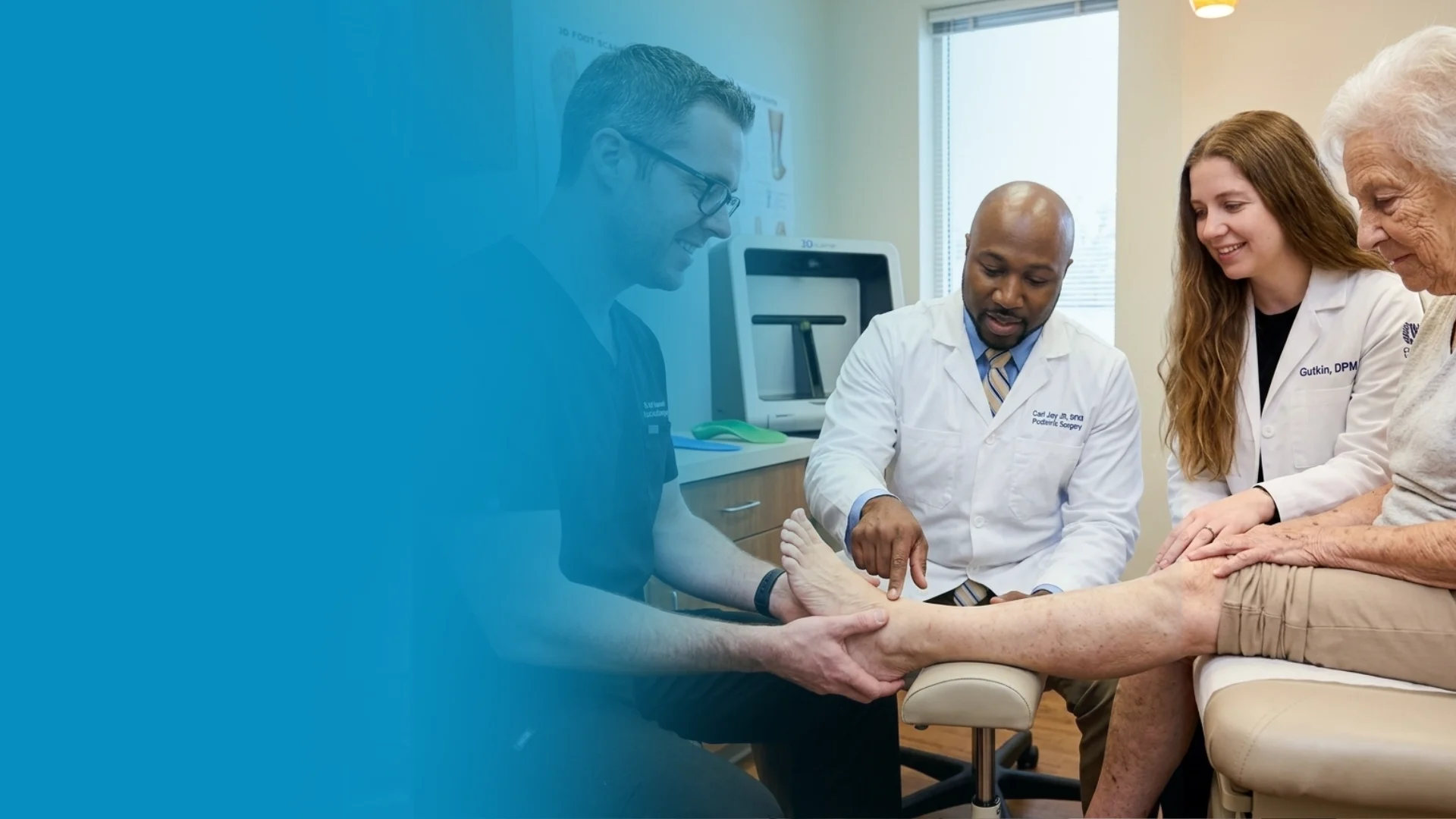

![How to Cure Plantar Fasciitis in One Week? [FAST Heel Pain Relief!]](https://www.michiganfootdoctors.com/wp-content/cache/flying-press/b5600c3bfb9845a6095da8266d8b5363.jpg)
Watch: How to Cure Plantar Fasciitis in One Week? [FAST Heel Pain Relief!] — MichiganFootDoctors YouTube
The most important clinical decision with Foot Pain After Pregnancy isn’t which treatment to start with — it’s identifying the correct subtype. That changes everything. Call (810) 206-1402.
Foot Pain After Pregnancy: Quick Answer
Postpartum foot pain affects 40-60% of new mothers – and is widely overlooked by both women and their doctors. Pregnancy permanently changes feet for many women. We help dozens of postpartum patients each month at Balance Foot and Ankle. Here is what causes postpartum foot pain and effective treatments.
How Pregnancy Permanently Changes Feet
Three major changes during pregnancy: 1. Weight gain (25-35 lbs typical) increases foot loading 30-40%. 2. Relaxin hormone loosens ligaments throughout body, including arch supporters. 3. Fluid retention swells feet 1-2 sizes. 50% of women have permanently larger feet (typically 0.5 size) after first pregnancy due to arch flattening that does not fully reverse. Some women experience progressive flat foot development with each subsequent pregnancy.
1. Plantar Fasciitis (Most Common)
Why it happens postpartum: Combination of altered gait during pregnancy, weight gain not fully resolved, increased standing/walking with newborn, often barefoot at home, sleep deprivation reducing healing capacity. Symptoms: Stabbing heel pain especially with first morning steps. Treatment: Custom orthotics (essential), supportive shoes (no flip-flops, ballet flats), daily stretching, ice. Recovery: 6-12 weeks with proper treatment.
2. Adult-Acquired Flat Foot (Posterior Tibial Tendon Dysfunction)
Why it happens: Pregnancy-related ligament loosening + weight gain stresses the posterior tibial tendon that supports the arch. Untreated becomes permanent flat foot. Symptoms: Inside ankle/arch pain, visible arch flattening, “too many toes” sign from behind. Treatment: Custom orthotics with deep heel cup and arch support (CRITICAL for prevention), lace-up ankle brace, physical therapy. Earlier treatment prevents progression to severe flat foot deformity.
3. Foot Size Changes
Most women wear 0.5 size larger after pregnancy. Action: Get re-measured at specialty store; do not try to wear pre-pregnancy shoes that no longer fit; budget for replacing shoes after pregnancy. Avoid: wearing too-small shoes (causes blisters, calluses, bunions, ingrown nails). Many women resist accepting larger size which causes ongoing problems.
4. Persistent Swelling
Most pregnancy edema resolves in 6-8 weeks postpartum. Persistent swelling beyond 8 weeks may indicate: persistent venous insufficiency, untreated postpartum thyroid issues, persistent fluid retention. Treatment: Compression stockings (15-20 mmHg), elevation, walking, possibly diuretics short-term. RED FLAG: One leg significantly more swollen than other = possible DVT – see doctor immediately.
5. Bunion Development or Worsening
Why pregnancy can cause bunions: Hormonal ligament loosening + weight gain + foot widening + sometimes new shoe wear pattern. Bunions often progress more rapidly during and after pregnancy. Treatment: Wide toe-box shoes (essential), custom orthotics with metatarsal pad, toe spacers, surgery only if conservative care fails. Most women manage bunions conservatively for years before surgery.
6. Achilles Tendinitis
Why it develops: Postpartum sudden return to high-impact exercise, ill-fitting shoes, excess weight not yet lost. Symptoms: Pain at back of heel; stiffness in mornings. Treatment: Heel lifts, eccentric calf stretching, supportive shoes, gradual return to running (not sudden). Common mistake: resuming pre-pregnancy running mileage too quickly.
7. Stress Fractures (Rare but Important)
Why postpartum: Pregnancy and breastfeeding deplete calcium; rapid postpartum exercise can stress weakened bones. Common locations: 2nd/3rd metatarsal, calcaneus, navicular. Symptoms: Localized pinpoint pain that worsens with weight bearing. Diagnosis: X-ray often misses early – MRI is gold standard. Treatment: Walking boot 6-8 weeks; calcium and vitamin D supplementation; gradual return to activity.
8. Compensatory Pain (Knee, Hip, Back)
Foot mechanics changes from pregnancy can cause knee, hip, or back pain through compensation. Symptoms: Pain in joints higher up the kinetic chain. Treatment: Custom orthotics often resolve compensatory pain by correcting the foot mechanics; physical therapy for muscle imbalances; gradual return to exercise.
Postpartum Foot Care Strategy
1. Get re-measured at specialty store at 3-6 months postpartum. 2. Replace shoes with proper-fitting versions. 3. Custom orthotics essential for most women – addresses pregnancy-related arch changes. 4. Avoid going barefoot at home (no slippers either – need supportive house shoes). 5. Daily calf and plantar fascia stretching. 6. Gradual return to exercise (not sudden return to pre-pregnancy mileage). 7. Continue calcium/vitamin D if breastfeeding. 8. See a podiatrist if pain persists 6+ weeks postpartum. Schedule a postpartum foot evaluation at Balance Foot and Ankle.
Podiatrist-Recommended Products

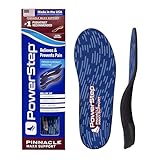
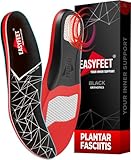

In-Office Treatment at Balance Foot & Ankle
If home treatment isn’t providing relief for your foot pain, our podiatry team at Balance Foot & Ankle can help with same-day evaluations and advanced in-office care.
Same-day appointments available. (810) 206-1402
Frequently Asked Questions About Foot Pain After Pregnancy
Why do my feet hurt after pregnancy?
Pregnancy-related ligament loosening, weight gain, and arch flattening permanently change foot mechanics in many women. Combined with postpartum lifestyle (less rest, more walking with baby), this causes foot pain in 40-60% of mothers.
Will my feet go back to normal size after pregnancy?
50% of women have permanently larger feet (typically 0.5 size). Some swelling resolves in 6-8 weeks. The bony/ligamentous changes from arch flattening often do not reverse completely.
Can I prevent postpartum foot problems?
Custom orthotics during and after pregnancy reduce arch collapse risk. Proper supportive shoes throughout. Maintain healthy weight when possible. Daily stretching. Address any pain early before it becomes chronic.
What is the best shoe for postpartum foot pain?
Hoka Bondi 8 (max cushion), Brooks Adrenaline (stability), New Balance 1080 (wide widths), Vionic Tide sandals. All accommodate orthotics. Avoid flat unsupportive shoes.
Is foot pain a sign I need to see a doctor postpartum?
See a podiatrist if pain persists 6+ weeks postpartum, prevents normal activity, includes visible deformity progression, or affects ability to care for baby. Earlier intervention prevents chronic problems.
Will my plantar fasciitis go away after pregnancy?
With proper treatment (custom orthotics, stretching, supportive shoes): yes, most cases resolve in 6-12 weeks postpartum. Without treatment: often becomes chronic.
Can breastfeeding cause foot pain?
Indirectly – prolonged breastfeeding can deplete calcium reserves, increasing stress fracture risk during postpartum exercise. Continue prenatal vitamins, ensure adequate calcium and vitamin D, gradual return to exercise.
Related Resources from Balance Foot & Ankle
- Foot Pain When Pregnant
- Plantar Fasciitis Treatment
- Custom Orthotics
- Posterior Tibial Tendon Treatment
Still Dealing With Foot Pain After Pregnancy?
Same-week appointments at Balance Foot & Ankle in Howell & Bloomfield Township, MI.
Book Your Appointment⚕ Doctor Recommended
Doctor Hoy’s Natural Pain ReliefTopical relief for foot & ankle pain
View Product →Foot Health & Care Resource Center (American Podiatric Medical Association)
Ready to Get Relief?
Same-day appointments available in Howell & Bloomfield Township, MI
4.9★ | 1,123 Reviews | 3,000+ Surgeries
Or call: (810) 206-1402

Dr. Tom Biernacki, DPM is a board-certified foot & ankle surgeon (ABFAS & ABPM) at Balance Foot & Ankle Specialists in Southeast Michigan. With over a decade of clinical experience, he specializes in heel pain, bunions, diabetic foot care, sports injuries, and minimally invasive surgery. Dr. Biernacki is a member of the APMA and ACFAS, and his patient education content on MichiganFootDoctors.com and YouTube has made him one of the most-followed foot & ankle educators on YouTube.