
| Condition | Post-Sitting Pain Pattern | Location | Key Feature |
|---|---|---|---|
| Plantar fasciitis | Sharp stabbing pain first few steps; eases 5–15 min of walking; returns with prolonged standing | Heel (medial plantar); sometimes arch | “First-step pain” is pathognomonic; fascia re-contracts during rest and is stretched painfully on loading |
| Tarsal tunnel syndrome | Burning/tingling inner ankle + sole after rest; may improve briefly with walking | Inner ankle radiating to arch and toes | Positive Tinel’s sign at tarsal tunnel; nerve compression at medial ankle |
| Posterior tibial tendon dysfunction (PTTD) | Inner ankle/arch stiffness and ache after rest; worse ascending stairs | Medial ankle and arch | Flat foot (fallen arch); “too many toes” sign; single-heel raise test positive |
| Plantar plate tear / capsulitis | Ball-of-foot pain under 2nd–4th metatarsal heads; worse weight-bearing after rest | Ball of foot (metatarsal heads) | Tenderness at MTP joint; drawer test positive; often associated with hammer toe |
| Peripheral neuropathy | Burning/numbness that intensifies at rest and after prolonged sitting; worse at night | Bilateral; toes, soles; stocking distribution | No mechanical first-step pattern; constant rather than improving with walking; diabetes common |
| Deep vein thrombosis (DVT) | Calf/foot aching and swelling after prolonged sitting (travel, desk work) | Calf; may extend to foot | RED FLAG: unilateral swelling, warmth, redness; urgent evaluation required |
| Relief Strategy | Target Condition | How to Use | Evidence |
|---|---|---|---|
| Calf + plantar fascia stretch before first step | Plantar fasciitis | Seated: pull toes toward shin 30 sec × 3 before standing; reduces first-step pain immediately | Strong — reduces tensile load on fascia at heel insertion during initial loading |
| Night splint / dorsiflexion brace | Plantar fasciitis (post-rest pain) | Wear during sleep; holds ankle at 90°; prevents overnight fascia re-contraction | Strong — directly addresses pathophysiology of rest-pain recurrence |
| Supportive footwear immediately on waking | Plantar fasciitis | Keep shoes at bedside; never walk barefoot on hard floors first thing in morning | Strong evidence; barefoot hard-floor walking is a primary pain trigger |
| Anti-fatigue mat at standing desk | All mechanical foot pain worsened by hard floors | Use at any standing station; reduces peak plantar pressure and fatigue | Moderate — reduces cumulative loading over long workday |
| Compression socks | Venous insufficiency; edema; neuropathy | 15–20 mmHg; put on before standing; reduces dependent edema that worsens foot pain | Good for edema-related heaviness; not primary for plantar fasciitis |
| RICE + NSAIDs (acute flare) | Capsulitis; acute tendon irritation | Ice 15 min post-activity; ibuprofen/naproxen for 5–7 days; reduce aggravating activity | Moderate; adjunct to mechanical correction |
Quick answer: Foot Pain After Sitting 2 has multiple potential causes including mechanical, neurological, vascular, and inflammatory. The most common causes we identify are overuse, ill-fitting shoes, and biomechanical imbalance. Red flags requiring urgent evaluation: warmth/redness (infection), inability to bear weight (fracture), and unilateral swelling without injury (DVT). Call (810) 206-1402.
Medically Reviewed | Dr. Tom Biernacki, DPM | Board-Certified Podiatrist | Balance Foot & Ankle, Michigan


![How to Cure Plantar Fasciitis in One Week? [FAST Heel Pain Relief!]](https://www.michiganfootdoctors.com/wp-content/cache/flying-press/b5600c3bfb9845a6095da8266d8b5363.jpg)
Watch: How to Cure Plantar Fasciitis in One Week? [FAST Heel Pain Relief!] — MichiganFootDoctors YouTube
Foot Pain After Sitting: Quick Answer
Foot pain that comes on after prolonged sitting is uncomfortable, distressing, and often signals important conditions requiring evaluation. We see this complaint daily at Balance Foot and Ankle. Here are the 7 most common causes and proven prevention strategies.
Why Sitting Causes Foot Pain
Prolonged sitting affects feet through multiple mechanisms: 1. Reduced circulation – blood pooling in feet/legs. 2. Joint stiffening – especially with arthritis. 3. Plantar fascia tightening – then sudden re-stretching with first steps causes pain. 4. Calf muscle shortening – reduces ankle mobility. 5. Pressure on certain nerves – depending on sitting position. 6. Foot positioning – certain positions compress nerves or impair circulation.
1. Plantar Fasciitis (Most Common)
Pattern: Stabbing pain in heel/arch with first steps after sitting; eases with walking but returns after rest. Why sitting affects: Plantar fascia tightens during inactivity; sudden stretching with weight bearing causes microtrauma. Treatment: Stand and walk every 30-60 minutes; daily stretching; custom orthotics; supportive shoes; never barefoot at home.
2. Peripheral Edema (Foot Swelling)
Pattern: Feet swell during sitting, especially with crossed legs; tight shoes after long sitting; sock indentations. Causes: Gravity-driven fluid pooling; venous insufficiency; heart/kidney/liver disease in some patients. Treatment: Elevate feet during sitting (footstool); avoid crossing legs; compression stockings; periodic walking; address underlying conditions.
3. Deep Vein Thrombosis (DVT) – Serious
Risk increase with prolonged sitting (4+ hours), especially during travel. Symptoms: Calf pain (often unilateral), swelling, warmth, redness; difficulty walking. Action: Same-day evaluation if DVT suspected. Untreated DVT can cause pulmonary embolism (life-threatening). Prevention: Walk every 60-90 minutes during long sitting; calf raises in seat; hydration; compression stockings for high-risk individuals.
4. Sciatica/Lumbar Radiculopathy
Pattern: Foot pain develops or worsens with prolonged sitting; pain radiates from back through buttock into leg/foot; specific dermatomal distribution. Worse with: Sitting (especially crossed legs), bending, sneezing/coughing. Treatment: Stand and walk frequently; ergonomic seating; physical therapy; NSAIDs; possibly epidural injection or surgery for severe cases.
5. Tarsal Tunnel Syndrome
Pattern: Burning, tingling, numbness in arch and toes after prolonged sitting; reproducible by certain foot positions. Worse with: Crossed-leg sitting; positions that compress posterior tibial nerve. Treatment: Avoid positions that compress nerve; custom orthotics; gabapentin or pregabalin; surgical release for severe cases.
6. Foot Arthritis
Pattern: Stiffness and pain with first steps after sitting; eases with movement; worse with weather changes. Most affected joints: Big toe (hallux limitus/rigidus), midfoot, ankle. Treatment: Stand and move every 30-45 minutes; stiff-soled shoes; custom orthotics; NSAIDs; sometimes cortisone injection for acute flares.
7. Restless Leg Syndrome
Pattern: Uncomfortable burning or “creepy crawly” sensation in legs/feet during sitting; relieved by movement. Often associated with iron deficiency. Treatment: Iron supplementation if low ferritin; magnesium 200-400mg at bedtime; movement; warm baths; gabapentin or dopaminergic medications for severe cases.
Prevention Strategies
1. Stand and walk every 30-60 minutes during long sitting periods. 2. Calf raises in seat: 20 reps every hour. 3. Ankle circles: 10 each direction every hour. 4. Elevate feet on footstool during sitting. 5. Avoid crossing legs for prolonged periods. 6. Hydration: 8 oz water per hour. 7. Compression stockings for high-risk patients. 8. Ergonomic seating with proper foot support. 9. Address underlying conditions (arthritis, neuropathy, vascular disease).
When to See a Doctor
Podiatrist-Recommended Products for Start-Up Foot Pain
- PowerStep Pinnacle — maintains arch height between steps, reducing the start-up pain after periods of rest
- Doctor Hoy’s Natural Pain Relief Gel — apply topical gel before prolonged sitting or first steps out of bed to reduce start-up pain
- DASS Medical Compression Socks — graduated compression worn during the day prevents the pooling that causes post-sitting foot pain
These are the same products Dr. Biernacki recommends in clinic. Available through our partner Foundation Wellness.
Frequently Asked Questions
When should I see a doctor?
See a podiatrist if pain persists past 2 weeks, prevents normal activity, or is accompanied by red-flag symptoms (warmth, swelling, numbness, inability to bear weight).
Can I treat this at home?
Mild cases respond to RICE protocol (rest, ice, compression, elevation), supportive shoes, and OTC anti-inflammatories. Persistent symptoms need professional evaluation.
How long does it take to heal?
Most soft tissue injuries resolve in 2-6 weeks with appropriate care. Bone injuries take 6-12 weeks. Chronic conditions need longer-term management.
⚠️ Most Common Mistake: Ignoring persistent foot pain and continuing normal activity without evaluation. Early podiatric care prevents minor foot issues from becoming chronic, difficult-to-treat conditions.
Frequently Asked Questions
🏥 Recommended by Dr. Biernacki — Foundation Wellness Products
These are the same products Dr. Biernacki recommends to his patients at Balance Foot & Ankle in Michigan. Available through our trusted partners.
What is Foot pain?
Foot pain is a common foot/ankle condition that affects mobility and quality of life. Understanding the underlying cause is the first step in successful treatment. Our podiatrists at Balance Foot & Ankle perform a hands-on biomechanical exam, review your activity history, and use diagnostic imaging when appropriate to identify the root cause—not just treat the symptom. Many patients have been told to “rest and ice” without a deeper diagnostic workup; our approach is different.
Symptoms and warning signs
Common signs of foot pain include pain that worsens with activity, morning stiffness, swelling, tenderness when palpated, and difficulty bearing weight. If you experience sudden severe pain, inability to walk, visible deformity, numbness or color change, contact our office the same day or visit urgent care—these can signal a more serious injury such as a fracture, tendon rupture, or vascular compromise. Diabetics with any foot wound should seek same-day care.
Conservative treatment options
Most cases of foot pain respond to non-surgical care: structured rest, supportive footwear changes, custom orthotics, targeted stretching and strengthening protocols, anti-inflammatory medications when medically appropriate, and in-office procedures such as ultrasound-guided injections. We also offer advanced therapies including MLS laser therapy, EPAT/shockwave, regenerative injections, and image-guided procedures. Treatment is sequenced from least invasive to most invasive, and we explain the rationale at every step.
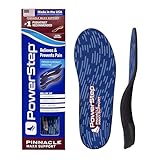
- Slightly Angled Heel Post: PowerStep Pinnacle Maxx insoles for men & women keep the feet from rolling inward, improve stability, and prevent problems caused by overpronation including flat feet and plantar fasciitis.
- Firm But Flexible Design: Our orthotics Pinnacle PowerStep insoles for overpronation are equipped with a deep heel insert cradle for increased comfort, stability, and motion control for standard arch support and immediate heel pain relief.
- Premium Dual Layer Cushioning: For enhanced comfort from heel to toe. As the thickest of our Pinnacle PowerStep orthotics, these need to be worn in shoes where the factory insole can be removed. HSA & FSA Eligible. Made in the USA
- The Perfect Balance of Comfort and Support: These PowerStep Pinnacle arch support inserts for men & women are unlike most other orthotics as they help to correct over-pronation which can cause ankle, knee, and hip pain in your daily routine
- No Trimming: Our arch support PowerStep insoles men & women can use can be worn in a variety of shoe styles & fit in any type with no trimming required! Unlike most insoles for flat feet and other heel pain relief products, these come ready to wear.
As an Amazon Associate, Balance Foot and Ankle earns from qualifying purchases. Product links are affiliate links and we may earn a commission at no extra cost to you. This does not influence our clinical recommendations. Last update on 2026-08-04 / Images from Amazon Product Advertising API
When is surgery considered?
Surgery is reserved for cases that fail 3-6 months of well-structured conservative care, when there is structural pathology (severe deformity, complete tear, advanced arthritis), or when imaging shows damage that will not heal without intervention. Our surgeons have performed 3,000+ foot and ankle procedures and prioritize minimally-invasive techniques whenever appropriate. We discuss recovery timelines, return-to-activity milestones, and realistic outcome expectations before any procedure is scheduled.
Recovery timeline and prevention
Recovery from foot pain varies based on severity and chosen treatment path. Conservative cases often improve within 4-8 weeks with consistent adherence to the protocol. Post-procedural recovery may range from a few days (in-office procedures) to several months (reconstructive surgery). Long-term prevention involves footwear assessment, activity modification, structured strengthening, and regular check-ins with your podiatrist if you have a history of recurrence. We provide written home-exercise plans and digital follow-up support.
Ready to feel better?
Same-week appointments available in Howell and Bloomfield Township, Michigan.
Book Your VisitAPMA: Foot Pain After Activities — Causes and Relief

Dr. Tom Biernacki, DPM is a board-certified foot & ankle surgeon (ABFAS & ABPM) at Balance Foot & Ankle Specialists in Southeast Michigan. With over a decade of clinical experience, he specializes in heel pain, bunions, diabetic foot care, sports injuries, and minimally invasive surgery. Dr. Biernacki is a member of the APMA and ACFAS, and his patient education content on MichiganFootDoctors.com and YouTube has made him one of the most-followed foot & ankle educators on YouTube.