
Medically reviewed by Dr. Tom Biernacki, DPM
Board-certified podiatric surgeon | Balance Foot & Ankle, Howell & Bloomfield Township, MI
Last reviewed: May 2026

| Crocs Feature | Foot Health Impact | Problem Caused | Fix |
|---|---|---|---|
| Backless design (classic model) | Negative | Toe gripping; hammer toe risk; flexor tendon fatigue | Use back-strap model |
| Soft EVA foam sole | Mixed | Cushioning good; excess compliance causes instability | Add firm OTC orthotic insert |
| Minimal arch support | Negative for PF/flat foot | Plantar fasciitis worsening; PTTD | Custom orthotic; switch to Birkenstock |
| Wide toe box | Positive | None — allows toe splay; good for bunions/neuromas | Keep this feature when selecting alternatives |
| Low heel-to-toe drop | Negative for Achilles/PF | Increases plantar fascia and Achilles tension | Add heel lift insert; choose higher-drop shoe |
| Ventilation holes | Positive (hygiene) | Reduces moisture/odor in warm conditions | No change needed |
| Use Case | Crocs Appropriate? | Better Alternative |
|---|---|---|
| Short trips, beach, pool (under 2 hours) | Yes — fine for limited use | N/A for casual short use |
| House slipper (diabetic) | Risky — soft upper, minimal protection | Prescribed diabetic therapeutic shoe; closed-toe slipper |
| Plantar fasciitis | No — insufficient arch support | Birkenstock, Brooks Addiction Walker, ASICS GT-2000 |
| All-day work shift (8+ hours) | No — causes toe-gripping fatigue | Dansko Professional, Alegria, New Balance 928 |
| Running / active exercise | No — no support or stability | Motion control or stability running shoe |
| Post-surgical recovery (short walks) | Maybe (back-strap only, firm footbed) | Surgical boot; Hoka Bondi for post-op comfort walking |
Quick answer: Foot Pain From Crocs has multiple potential causes including mechanical, neurological, vascular, and inflammatory. The most common causes we identify are overuse, ill-fitting shoes, and biomechanical imbalance. Red flags requiring urgent evaluation: warmth/redness (infection), inability to bear weight (fracture), and unilateral swelling without injury (DVT). Call (810) 206-1402.
Medically Reviewed | Dr. Tom Biernacki, DPM | Board-Certified Podiatrist | Balance Foot & Ankle, Michigan
![How to Cure Plantar Fasciitis in One Week? [FAST Heel Pain Relief!]](https://www.michiganfootdoctors.com/wp-content/cache/flying-press/b5600c3bfb9845a6095da8266d8b5363.jpg)
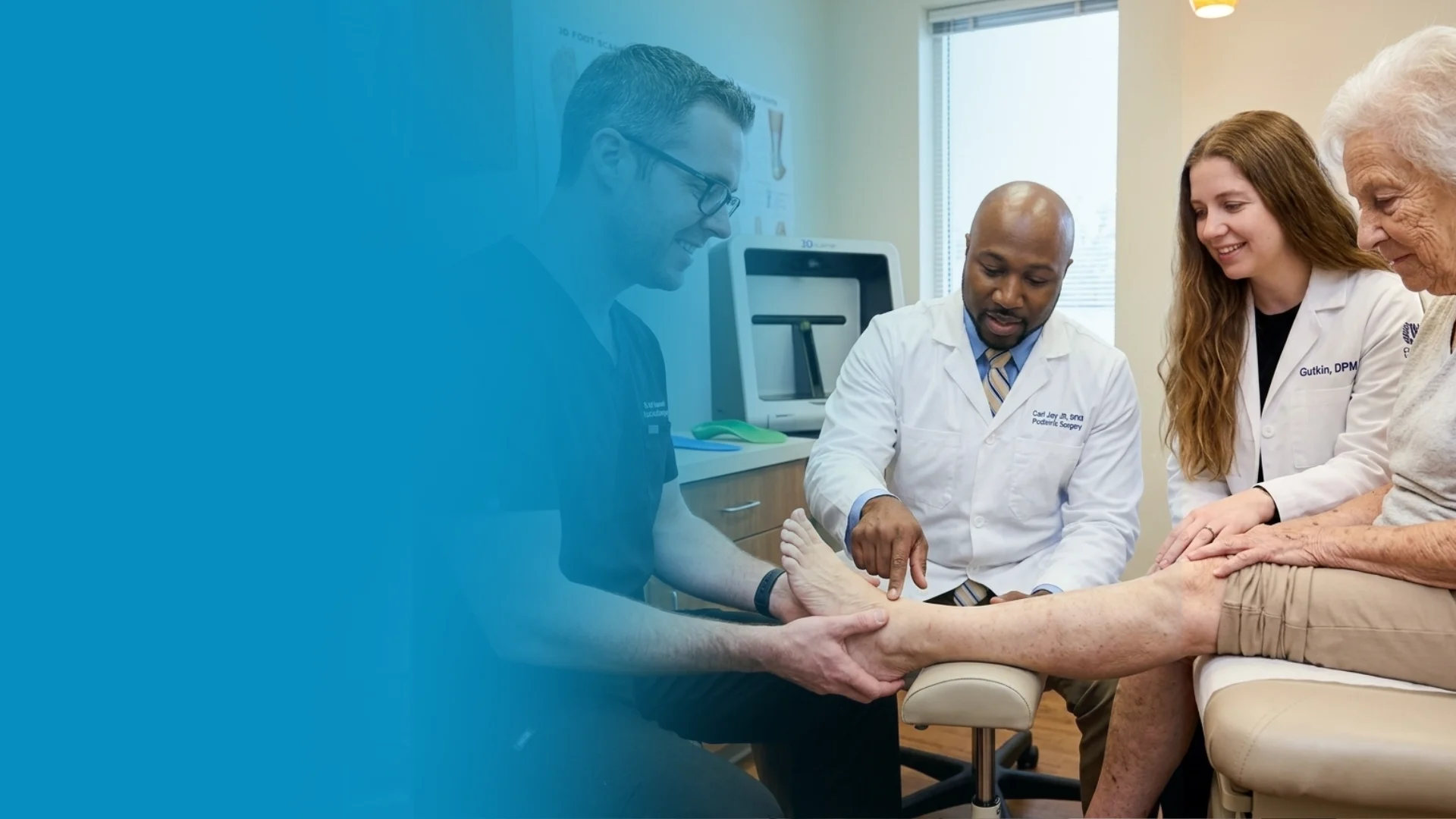
Watch: How to Cure Plantar Fasciitis in One Week? [FAST Heel Pain Relief!] — MichiganFootDoctors YouTube
The most important clinical decision with Foot Pain From Crocs isn’t which treatment to start with — it’s identifying the correct subtype. That changes everything. Call (810) 206-1402.
Foot Pain From Crocs: Quick Answer
Crocs are controversial in podiatry – they have unique pros and cons for foot health. Some uses are great; others problematic. We help dozens of Crocs wearers yearly at Balance Foot and Ankle. Here is the comprehensive Crocs foot pain guide.
Why Crocs Cause Some Foot Pain
Crocs design issues: Wide forefoot (good for some, encourages toe gripping for others); shallow heel cup; lack of secure fit (foot slides around); single-strap design (or no strap); minimal arch support (in classic style); plastic construction (not breathable); foot slides forward in shoe. Trade-off: Great features (cushion, slip-resistant, easy on/off) vs design problems for some users.
Crocs Pros for Foot Health
Genuine benefits: Excellent cushion (Croslite material); slip-resistant sole (great for medical/restaurant work); wide toe box (good for bunions, hammertoes); lightweight; easy to clean; waterproof; antibacterial Croslite material; good for short-term wear; some podiatrists recommend for specific situations.
Crocs Cons for Foot Health
Design problems: Insecure fit (heel slides around); minimal arch support in classic style; encourage toe gripping (similar to flip-flops); not for long-distance walking; not for running; not for prolonged standing in classic version; can cause Achilles strain. Common complaints: Heel pain; arch pain; foot fatigue from long wear; falls from soft sole.
Best Crocs Styles for Feet
Better Crocs options: Bistro Pro (more support, slip-resistant – popular with restaurant workers and nurses); LiteRide (more cushion); Specialist II (made for healthcare); At Work Slip-On (work-rated). Worse for daily wear: Classic clog style (limited support, fits insecurely). Specific use cases: Crocs Bistro Pro popular with healthcare workers despite design issues.
When Crocs Are OK
Acceptable use: Healthcare/restaurant work (Bistro Pro/Specialist styles – slip-resistant great); around-the-house casual wear; gardening (waterproof, easy on/off); pool/water activities; light errands; short walks. NOT for: Long-distance walking; running; prolonged standing in classic style; serious athletic activity; long workdays in inadequate Crocs styles.
Custom Orthotics in Crocs
Some Crocs: Have removable insoles – allows orthotic accommodation. Best for orthotics: Crocs Bistro Pro; some At Work styles. Custom orthotic in Crocs: Significantly improves support; addresses arch issues; reduces plantar fasciitis risk. Worth considering for healthcare workers who must wear Crocs all day.
Crocs vs Other Casual Shoes
Crocs vs flip-flops: Crocs better (more cushion, more containment). Crocs vs supportive sandals: Vionic Tide and Birkenstock provide better support than Crocs. Crocs vs work shoes: Trade-off; Bistro Pro adequate for some; better support shoes exist for chronic pain. For most uses: better alternatives exist with proper arch support.
Crocs and Children
Crocs in children: Mixed opinions. Issues: Falls common (soft sole catches on stairs); foot escape injuries (foot caught between Crocs and escalator stairs); growing feet may benefit from more support. Recommendation: Limit Crocs in young children; supervised use; not on stairs/escalators; alternate with supportive shoes; not for school all day.
When Crocs Help Specific Conditions
Conditions Crocs may help: Bunion pain (wide toe box); hammertoes (similar reasoning); diabetic foot (some healthcare-rated models); recovery from foot surgery (specific use); plantar fasciitis (with custom orthotic in Bistro Pro); morton neuroma (wide forefoot). Conditions Crocs may aggravate: Severe flat feet without orthotic; ankle instability; chronic foot pain in classic style.
When to See a Podiatrist
See us if: Crocs-related foot pain persists; suspected plantar fasciitis from Crocs (especially classic style); need supportive shoe recommendations; need orthotic evaluation; chronic conditions affecting Crocs use; cant find comfortable footwear for work; need work shoe recommendations beyond Crocs. Same-week appointments at Balance Foot and Ankle. Schedule online.
Podiatrist-Recommended Products


Frequently Asked Questions About Foot Pain From Crocs
Are Crocs bad for your feet?
CONTROVERSIAL. Pros: excellent cushion, slip-resistant, wide toe box (good for bunions/hammertoes), waterproof. Cons: insecure fit, minimal arch support in classic style, encourage toe gripping, not for long-distance walking. Depends on use and style.
What is the best Crocs for foot pain?
Bistro Pro (more support, slip-resistant – popular with restaurant workers and nurses); LiteRide (more cushion); Specialist II (made for healthcare); At Work Slip-On (work-rated). Avoid classic clog style for chronic foot pain.
Are Crocs good for plantar fasciitis?
DEPENDS – classic Crocs without arch support can worsen. Bistro Pro with custom orthotic can help. Some podiatrists recommend specific Crocs styles for healthcare workers. Need to match shoe to condition severity.
Can I wear orthotics in Crocs?
YES – some Crocs have removable insoles allowing orthotic accommodation. Best for orthotics: Crocs Bistro Pro; some At Work styles. Significantly improves support; addresses arch issues; reduces plantar fasciitis risk.
Are Crocs ok for daily wear?
NOT for chronic daily wear in classic style. OK for: healthcare/restaurant work (Bistro Pro), house wear, gardening, water activities. NOT for: long-distance walking, running, prolonged standing in classic style, serious athletics.
Are Crocs safe for kids?
MIXED – falls common (soft sole catches on stairs); escalator injuries possible (foot caught between Crocs and stairs); growing feet may benefit from more support. Limit in young children; not on stairs/escalators; alternate with supportive shoes.
When should I see a podiatrist about Crocs foot pain?
Pain persists; suspected plantar fasciitis from Crocs; need supportive shoe recommendations; need orthotic evaluation; chronic conditions affecting Crocs use; cant find comfortable footwear for work; need work shoe recommendations beyond Crocs.
Related Resources from Balance Foot & Ankle
Still Dealing With Foot Pain From Crocs?
Same-week appointments at Balance Foot & Ankle in Howell & Bloomfield Township, MI.
Book Your Appointment⚕ Doctor Recommended
Doctor Hoy’s Natural Pain ReliefTopical relief for foot & ankle pain
View Product →Frequently Asked Questions
Podiatrist-Recommended Products
These are the products Dr. Tom recommends most often in his clinic at Balance Foot & Ankle for lasting foot pain relief:
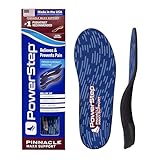
- PowerStep Pinnacle Arch Support Insoles — #1 clinic recommendation for arch support and heel pain relief
- Doctor Hoy’s Natural Pain Relief Gel — Fast-acting topical relief used and trusted by podiatrists
- CURREX RunPro Insoles — Dynamic arch profile for active patients and runners
As an Amazon Associate, Balance Foot & Ankle earns from qualifying purchases. These recommendations reflect genuine clinical use.
APMA: Foot Pain Relief and Activity-Related Causes
Ready to Get Relief?
Same-day appointments available in Howell & Bloomfield Township, MI
4.9★ | 1,123 Reviews | 3,000+ Surgeries
Or call: (810) 206-1402

Dr. Tom Biernacki, DPM is a board-certified foot & ankle surgeon (ABFAS & ABPM) at Balance Foot & Ankle Specialists in Southeast Michigan. With over a decade of clinical experience, he specializes in heel pain, bunions, diabetic foot care, sports injuries, and minimally invasive surgery. Dr. Biernacki is a member of the APMA and ACFAS, and his patient education content on MichiganFootDoctors.com and YouTube has made him one of the most-followed foot & ankle educators on YouTube.