
Medically reviewed by Dr. Tom Biernacki, DPM
Board-certified podiatric surgeon | Balance Foot & Ankle, Howell & Bloomfield Hills, MI
Last reviewed: May 2026
| CrossFit Movement | Primary Foot Risk | Injury | Modification if Injured | Prevention Strategy |
|---|---|---|---|---|
| Box jumps | Repetitive heel/forefoot impact on landing | Plantar fasciitis; stress fracture; heel fat pad | Replace with step-ups or seated box jumps | Cushioned shoe; land softly; step down (don’t jump down) |
| Double-unders (jump rope) | High-cadence forefoot loading; calf fatigue | Plantar fasciitis; Achilles tendinopathy; stress fracture MT2 | Single-unders; rowing; bike | Cushioned cross-trainer; calf stretching; progressive volume |
| Olympic lifting (snatch/clean) | Heavy axial load through forefoot in lifting shoes | Sesamoiditis; 1st MTP sprain; metatarsal stress | Reduce load; Romanian deadlift substitution | Proper Olympic shoe fit; sesamoid pad if painful |
| Thrusters/wall balls | Rapid eccentric calf loading; forefoot drive | Achilles tendinopathy; plantar fasciitis | Reduce depth; goblet squat substitution | Heel drop eccentric protocol; daily calf stretching |
| Running (WODs) | Repetitive heel strike on concrete/rubber | Plantar fasciitis; shin splints; Achilles | Row or bike substitution; reduce distance | Running shoes (not cross-trainers) for run-heavy WODs |
| Rope climbs | Foot wrapping creates plantar compression | Bruising; plantar nerve compression | Modify rope wrap technique; use ankle-based wrap | Padded socks; protect from rope friction |
| Shoe Type | Best CrossFit Movements | Poor Fit For | Foot Injury Risk |
|---|---|---|---|
| Olympic lifting shoes (raised heel, rigid) | Back squats, front squats, snatch, clean & jerk | Box jumps, running, rope work, double-unders | Achilles stress if worn for metcons; rigid sole = poor landing shock absorption |
| Cross-training shoes (moderate) | Most metcons, moderate lifting, box jumps | Heavy Olympic lifting (suboptimal stability) | Low if well-cushioned and wide toe box; moderate for high-volume jumping |
| Minimalist/barefoot style | Some lifting; technique work | Box jumps, running, double-unders, hard flooring | High for plantar fasciitis; stress fractures; not recommended for CrossFit |
| Running shoes (maximal cushion) | Run-heavy WODs | Heavy lifting (unstable platform); lateral movements | Low for running; increased ankle roll risk for lateral movements |
CrossFit foot pain comes from constant switching between barefoot lifting and high-impact gymnastics — and the wrong shoe for one usually causes problems with the other.
You’re in the right place. Dr. Tom Biernacki, DPM, FACFAS — board-certified foot & ankle surgeon with 3,000+ surgeries — explains exactly what foot pain from CrossFit means and what works. Call (810) 206-1402 for same-day appointment at Howell or Bloomfield Hills.
Quick answer: Foot Pain From Crossfit has multiple potential causes including mechanical, neurological, vascular, and inflammatory. The most common causes we identify are overuse, ill-fitting shoes, and biomechanical imbalance. Red flags requiring urgent evaluation: warmth/redness (infection), inability to bear weight (fracture), and unilateral swelling without injury (DVT). Call (810) 206-1402.
Medically Reviewed | Dr. Tom Biernacki, DPM | Board-Certified Podiatrist | Balance Foot & Ankle, Michigan
![How to Cure Plantar Fasciitis in One Week? [FAST Heel Pain Relief!]](https://www.michiganfootdoctors.com/wp-content/cache/flying-press/b5600c3bfb9845a6095da8266d8b5363.jpg)
Watch: How to Cure Plantar Fasciitis in One Week? [FAST Heel Pain Relief!] — MichiganFootDoctors YouTube
The most important clinical decision with Foot Pain From Crossfit isn’t which treatment to start with — it’s identifying the correct subtype. That changes everything. Call (810) 206-1402.
Foot Pain From Crossfit: Quick Answer
CrossFit creates unique foot pain patterns – high-impact box jumps, Olympic weightlifting, double-unders, and varied workouts stress feet in different ways. We help dozens of CrossFit athletes yearly at Balance Foot and Ankle. Here is the comprehensive CrossFit foot pain guide.

Why CrossFit Causes Foot Pain
CrossFit-specific demands: Box jumps (high-impact landings); Olympic weightlifting (heavy loading); double-unders/jump rope (repetitive impact); running components; rowing; gymnastics movements (handstands, pull-ups affecting feet); high-volume workouts; “RX” weights often pushed too quickly; sometimes inadequate footwear for varied demands. WOD variety: every workout different = constant new stresses on feet.
Most Common CrossFit Foot Injuries
1. Plantar fasciitis: From varied impact demands. 2. Achilles tendinitis: From box jumps and lifting. 3. Stress fractures: Especially metatarsals from high-volume jumping. 4. Sesamoiditis: From Olympic lifts and jumps. 5. Box jump injuries: Severe shin/foot injuries from missed jumps. 6. Lisfranc injury: From Olympic lift catches. 7. Toenail injuries: From running components in shoes too small. 8. Calf strains: Often related to foot mechanics. 9. Ankle sprains: Various sources.
Box Jump Injury Risk
Box jumps: One of CrossFits highest-injury exercises for legs/feet. Common injuries: Achilles ruptures (severe); shin gashes from missed boxes; ankle sprains; foot impact injuries. Prevention: Step down (dont jump down); proper technique with knees over toes; appropriate box height; warm-up adequately; stop if fatigued; quality footwear. “RX” pressure: dont push beyond ability for box height.
Olympic Weightlifting Foot Demands
Olympic lifts: Snatches, cleans, jerks – heavy loading on feet. Demands: Stable platform required; weightlifting shoes optimal (raised heel, hard sole); Olympic shoes vs CrossFit shoes different priorities. Foot conditions affecting Olympic lifts: Plantar fasciitis worsens; bunions can affect stance; flat feet make stability harder. Recommendations: Address foot conditions; consider Olympic-specific shoes for heavy lifting; build base before heavy weights.
CrossFit Shoe Selection
CrossFit shoes: Designed for varied workouts – some lift support, some flexibility. Top brands: Nike Metcon; Reebok Nano; Nobull; Inov-8 F-Lite. Features: Stable base for lifting; some cushion for running; durable for rope climbs; flat heel for squats. Trade-offs: Not optimal for any single discipline; better as compromise. For foot conditions: Some models better for arch support; consider custom orthotics for chronic foot issues.
High-Volume Programming Risks
CrossFit volume risks: 5-7 day-per-week programming common; sometimes inadequate recovery; “more is better” mentality; competitive culture. Foot consequences: Stress fractures; chronic plantar fasciitis; Achilles tendinopathy; cumulative overuse injuries. Prevention: Adequate rest days; deload weeks; address pain before significant injury; cross-training when overused; honest fitness assessment.
Custom Orthotics for CrossFit
CrossFit orthotic considerations: Must accommodate varied movements; cant be too rigid for jumping/dynamic work; should provide stability for lifting; address arch issues. Many serious CrossFitters benefit: Especially flat-footed; high-arched; or chronic foot conditions. Sport-specific orthotics: better than generic for CrossFit demands. Worth considering for persistent foot pain limiting performance.
Recovery Strategies for CrossFitters
Daily recovery: Mobility work; foam rolling; foot rolling (lacrosse ball, frozen water bottle); calf stretching; intrinsic foot strengthening. Post-WOD: Ice if sore areas; compression socks; elevation; gentle stretching. Weekly recovery: 1-2 rest days; deload weeks; monitor for chronic issues. Address minor issues: Before they become major; pain that lasts >3 days needs attention.
When to See a Podiatrist
See us if: CrossFit-related foot pain persists more than 1-2 weeks; suspected stress fracture (localized pinpoint pain); recurring ankle sprains; severe box jump injury; suspected Lisfranc injury; suspected Achilles rupture (severe pain, inability to push off); need orthotic evaluation; chronic conditions affecting CrossFit; pre-competition evaluation. Same-week appointments at Balance Foot and Ankle. Schedule online.
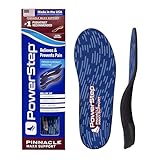
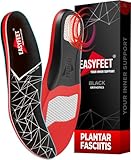
Podiatrist-Recommended Products


Frequently Asked Questions About Foot Pain From Crossfit
Why does CrossFit hurt my feet?
Box jumps (high-impact landings); Olympic weightlifting (heavy loading); double-unders (repetitive impact); running components; high-volume workouts; “RX” weights often pushed too quickly; varied demands every workout = constant new stresses on feet.
What are the best CrossFit shoes for foot pain?
CrossFit shoes designed for varied workouts: Nike Metcon; Reebok Nano; Nobull; Inov-8 F-Lite. Stable base for lifting; some cushion for running; durable. Trade-off: compromise rather than optimal for any single activity.
Are box jumps safe for my feet?
Box jumps are high-injury exercise. Common injuries: Achilles ruptures (severe); shin gashes from missed boxes; ankle sprains. Prevention: step down (dont jump down); proper technique; appropriate box height; warm-up; stop if fatigued; quality footwear.
Should I wear weightlifting shoes for Olympic lifts?
For heavy Olympic lifting: YES, weightlifting shoes optimal (raised heel, hard sole). For mixed CrossFit workouts: CrossFit shoes adequate. Many serious CrossFitters have both pairs – lifting shoes for max-effort lifting days.
Can I wear orthotics for CrossFit?
YES with sport-specific orthotics. Must accommodate varied movements; cant be too rigid; should provide stability for lifting; address arch issues. Many flat-footed or high-arched CrossFitters benefit significantly.
How do I prevent stress fractures from CrossFit?
Adequate calcium and vitamin D; proper progression; deload weeks; rest days; address pain early (dont push through localized pain); quality footwear/orthotics; honest fitness assessment; cross-training.
When should I see a podiatrist about CrossFit foot pain?
Pain persists more than 1-2 weeks; suspected stress fracture; recurring ankle sprains; severe box jump injury; suspected Lisfranc; suspected Achilles rupture; need orthotic evaluation; chronic conditions affecting CrossFit.
Related Resources from Balance Foot & Ankle
Still Dealing With Foot Pain From Crossfit?
Same-week appointments at Balance Foot & Ankle in Howell & Bloomfield Hills, MI.
Book Your AppointmentFrequently Asked Questions
When should I see a doctor?
See a podiatrist if pain persists past 2 weeks, prevents normal activity, or is accompanied by red-flag symptoms (warmth, swelling, numbness, inability to bear weight).
Can I treat this at home?
Mild cases respond to RICE protocol (rest, ice, compression, elevation), supportive shoes, and OTC anti-inflammatories. Persistent symptoms need professional evaluation.
How long does it take to heal?
Most soft tissue injuries resolve in 2-6 weeks with appropriate care. Bone injuries take 6-12 weeks. Chronic conditions need longer-term management.
⚠️ Most Common Mistake: Ignoring persistent foot pain and continuing normal activity without evaluation. Early podiatric care prevents minor foot issues from becoming chronic, difficult-to-treat conditions.
Frequently Asked Questions
🏥 Recommended by Dr. Biernacki — Foundation Wellness Products
These are the same products Dr. Biernacki recommends to his patients at Balance Foot & Ankle in Michigan. Available through our trusted partners.
In-Office Treatment at Balance Foot & Ankle
If home treatment isn’t providing relief for your foot and ankle conditions, our podiatry team at Balance Foot & Ankle can help with same-day evaluations and advanced in-office care.
APMA: Foot Pain Relief and Activity-Related Causes
Ready to Get Relief?
Same-day appointments available in Howell & Bloomfield Hills, MI
4.9★ | 1,123 Reviews | 3,000+ Surgeries
Or call: (810) 206-1402

Dr. Tom Biernacki, DPM is a board-certified foot & ankle surgeon (ABFAS & ABPM) at Balance Foot & Ankle Specialists in Southeast Michigan. With over a decade of clinical experience, he specializes in heel pain, bunions, diabetic foot care, sports injuries, and minimally invasive surgery. Dr. Biernacki is a member of the APMA and ACFAS, and his patient education content on MichiganFootDoctors.com and YouTube has made him one of the most-followed foot & ankle educators on YouTube.