
Medically reviewed by Dr. Tom Biernacki, DPM
Board-certified podiatric surgeon | Balance Foot & Ankle, Howell & Bloomfield Hills, MI
Last reviewed: May 2026

| Symptom | Mechanism on Elliptical | Diagnosis | Immediate Fix | Long-Term Solution |
|---|---|---|---|---|
| Ball-of-foot burning/aching | Continuous metatarsal head pressure on pedal | Metatarsalgia | Move foot back on pedal; cushioned insole | Metatarsal pad; cross-training shoes; custom orthotics |
| Toe numbness (3rd-4th toes) | Interdigital nerve compression from forefoot loading | Morton’s neuroma irritation | Loosen forefoot lacing; shift foot position | Wide toe box shoes; metatarsal pad; neuroma evaluation |
| Arch fatigue/pain | Continuous arch loading without normal gait cycle rest | Plantar fasciitis; posterior tibial strain | Arch support insole; shorter sessions | Custom orthotics; stretching pre/post workout |
| Heel pain (rare on elliptical) | Unusual — may indicate incorrect foot position (heels pressing down) | Plantar fasciitis; fat pad strain | Adjust posture; don’t press through heels | Evaluation if persists; orthotics |
| Top of foot pain | Extensor tendon strain from gripping pedal; tight laces | Extensor tendonitis | Loosen laces; avoid gripping pedal with toes | Tongue pad; wider instep shoe |
| Modification | How to Do It | Addresses | Effectiveness |
|---|---|---|---|
| Reposition foot on pedal | Arch/midfoot on pedal center rather than ball of foot | Metatarsal pressure; numbness | High — immediate pressure relief |
| Loosen forefoot lacing | Loosen top 1–2 eyelets; or skip eyelet over MT heads | Nerve compression; top-of-foot pain | High — directly reduces nerve compression |
| Add metatarsal pad | Adhesive pad placed just behind (proximal to) MT heads inside shoe | Metatarsalgia; Morton’s neuroma | High for forefoot pain (20–40% pressure reduction) |
| Vary stride length mid-session | Alternate between long and short strides every 5 minutes | Forefoot loading pattern; fatigue | Moderate — redistributes pressure points |
| Toe lift intervals | Periodically lift toes off pedal (5 seconds every 2 minutes) | Forefoot numbness; nerve compression | Moderate — releases sustained compression |
| Cross-training shoes vs running shoes | Use cross-trainers; avoid racing flats or minimalist shoes | Forefoot cushioning; arch support | High — most important baseline equipment fix |
Elliptical foot pain is most often metatarsalgia or numbness from prolonged forefoot pressure with locked-in feet. Periodic foot repositioning during workouts prevents most of it.
You’re in the right place. Dr. Tom Biernacki, DPM, FACFAS — board-certified foot & ankle surgeon with 3,000+ surgeries — explains exactly what foot pain from elliptical means and what works. Call (810) 206-1402 for same-day appointment at Howell or Bloomfield Hills.
Quick answer: Foot Pain From Elliptical has multiple potential causes including mechanical, neurological, vascular, and inflammatory. The most common causes we identify are overuse, ill-fitting shoes, and biomechanical imbalance. Red flags requiring urgent evaluation: warmth/redness (infection), inability to bear weight (fracture), and unilateral swelling without injury (DVT). Call (810) 206-1402.
![How to Cure Plantar Fasciitis in One Week? [FAST Heel Pain Relief!]](https://www.michiganfootdoctors.com/wp-content/cache/flying-press/b5600c3bfb9845a6095da8266d8b5363.jpg)
Watch: How to Cure Plantar Fasciitis in One Week? [FAST Heel Pain Relief!] — MichiganFootDoctors YouTube
The most important clinical decision with Foot Pain From Elliptical isn’t which treatment to start with — it’s identifying the correct subtype. That changes everything. Call (810) 206-1402.
Foot Pain From Elliptical: Quick Answer
Elliptical machines often cause foot pain – the prolonged forefoot pressure, foot-numbing pattern, and tight shoe contact create unique foot stresses. We help dozens of patients yearly at Balance Foot and Ankle who experience elliptical foot pain.
Why Elliptical Machines Cause Foot Pain
Elliptical-specific demands: Prolonged forefoot pressure (feet always in contact, dont lift); foot numbness common from constant pressure; tight athletic shoes against pedals; specific motion pattern repeated for 30-60+ minutes; pedal pressure points; toes pointed forward continuously. Different from running: feet never leave pedals = different stress pattern; less impact but more sustained pressure.
Most Common Elliptical Foot Issues
1. Forefoot numbness: Most common complaint; from sustained pressure on metatarsals. 2. Mortons neuroma irritation: Aggravated by pressure pattern. 3. Plantar fasciitis flare: From sustained foot loading. 4. Sesamoiditis: From forefoot pressure. 5. Burning feet: From compression and friction. 6. Bunion/hammertoe pain: Pressure point aggravation. 7. Toenail issues: From toes pressed against shoe. 8. Calf cramps: Sometimes from elliptical mechanics.
Forefoot Numbness Solutions
Forefoot numbness: Most common complaint. Why it happens: Sustained pressure on metatarsal heads compresses nerves; nerve ischemia develops over 10-30 minutes typically. Solutions: Loosen shoe laces (especially over forefoot); shift weight to heels periodically; come off pedals briefly every 10-15 minutes; metatarsal pads in shoes; quality cushioned shoes; reverse direction for variation. Persistent numbness: may indicate Mortons neuroma needing evaluation.
Best Shoes for Elliptical
Recommendations: Quality cushioned athletic shoes (not minimalist); slightly wider toe box if foot widens with workout; firm midsole for stable foot positioning; not too tight (allows for foot expansion). Top picks: Hoka Bondi 8 (max cushion); Brooks Glycerin 21; New Balance 1080v13; Asics Gel-Nimbus 26. Avoid: Minimalist shoes (insufficient cushion); old worn-out shoes; shoes too tight (cause numbness).
Mortons Neuroma and Elliptical
Mortons neuroma: Common reason elliptical causes foot pain. Why elliptical aggravates: Sustained pressure on neuroma area; constant forefoot loading. Symptoms during elliptical: Burning between toes; numbness; “pebble in shoe” sensation; sharp shooting pain. Solutions: Metatarsal pad placement; wider shoes; alternative cardio (cycling, swimming); neuroma treatment if confirmed (injection, sometimes surgery).
Form and Position Adjustments
Proper elliptical form: Body weight distributed through whole foot (not just forefoot); slight backward lean OK; avoid leaning heavily on handles; shift weight occasionally; vary direction (forward and reverse). Foot positioning: Avoid hanging toes off pedals; keep feet centered; check pedal angle (some adjustable). Resistance and incline: Vary regularly; high resistance increases foot stress.
Alternative Cardio Options
If elliptical consistently causes pain: Consider alternatives. Lower foot impact: Swimming (no foot impact); cycling (no impact); rowing machine; pool running. Other options: Stair climber (different stress pattern); treadmill walking (lower impact than running); resistance training. Some patients: simply unable to use elliptical without foot pain even with optimization – choose alternatives.
When Numbness Indicates Bigger Issue
Persistent numbness: After workout numbness should resolve quickly. RED FLAGS: Numbness persisting hours after workout; numbness in other situations (not just elliptical); numbness with weakness; bilateral foot numbness suggesting neuropathy; new onset numbness in patient with diabetes or other risk factors. Workup: May need diabetes/B12 testing; nerve conduction studies; vascular evaluation if appropriate.
When to See a Podiatrist
See us if: elliptical foot pain persists despite shoe and form changes; suspected Mortons neuroma (burning between toes, “pebble” sensation); persistent numbness beyond workout; sesamoiditis pattern; need orthotic or metatarsal pad evaluation; pre-existing foot conditions limiting elliptical use; need recommendations for alternative cardio with foot conditions. Same-week appointments at Balance Foot and Ankle. Schedule online.
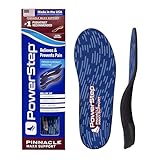
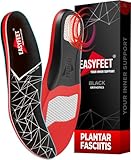
Podiatrist-Recommended Products


Frequently Asked Questions About Foot Pain From Elliptical
Why do my feet go numb on the elliptical?
Sustained pressure on metatarsal heads compresses nerves over 10-30 minutes typically. Solutions: loosen shoe laces (especially forefoot); shift weight to heels periodically; come off pedals briefly every 10-15 minutes; metatarsal pads; quality cushioned shoes.
What shoes are best for the elliptical?
Quality cushioned athletic shoes: Hoka Bondi 8; Brooks Glycerin 21; New Balance 1080v13; Asics Gel-Nimbus 26. Slightly wider toe box; firm midsole; not too tight (allows for foot expansion). Avoid minimalist or old worn-out shoes.
Can elliptical cause Mortons neuroma?
Can aggravate existing neuroma; possibly contribute to development with sustained forefoot pressure. Symptoms during elliptical: burning between toes; numbness; “pebble in shoe”; sharp shooting pain. Worth evaluation if recurring.
How do I prevent foot pain on the elliptical?
Quality cushioned shoes; loose enough laces; shift weight periodically; come off pedals every 10-15 minutes; metatarsal pads; vary direction; vary resistance/incline; address pre-existing foot conditions; consider alternatives if persistent pain.
Is elliptical bad for plantar fasciitis?
Generally low impact and tolerable for plantar fasciitis – better than running. But sustained foot loading can aggravate. With supportive shoes and orthotics, often OK. Some people: must avoid temporarily during acute plantar fasciitis flares.
What are alternatives if elliptical causes foot pain?
Lower foot impact options: swimming (no impact); cycling (no impact); rowing machine; pool running. Other: stair climber (different pattern); treadmill walking; resistance training. Sometimes simply choosing alternatives is best.
When should I see a podiatrist about elliptical foot pain?
Pain persists despite shoe and form changes; suspected Mortons neuroma; persistent numbness beyond workout; sesamoiditis; need orthotic evaluation; pre-existing conditions limiting elliptical; need alternative cardio recommendations.
Related Resources from Balance Foot & Ankle
Still Dealing With Foot Pain From Elliptical?
Same-week appointments at Balance Foot & Ankle in Howell & Bloomfield Hills, MI.
Book Your AppointmentFrequently Asked Questions
When should I see a doctor?
See a podiatrist if pain persists past 2 weeks, prevents normal activity, or is accompanied by red-flag symptoms (warmth, swelling, numbness, inability to bear weight).
Can I treat this at home?
Mild cases respond to RICE protocol (rest, ice, compression, elevation), supportive shoes, and OTC anti-inflammatories. Persistent symptoms need professional evaluation.
How long does it take to heal?
Most soft tissue injuries resolve in 2-6 weeks with appropriate care. Bone injuries take 6-12 weeks. Chronic conditions need longer-term management.
What is Foot pain?
Foot pain is a common foot/ankle condition that affects mobility and quality of life. Understanding the underlying cause is the first step in successful treatment. Our podiatrists at Balance Foot & Ankle perform a hands-on biomechanical exam, review your activity history, and use diagnostic imaging when appropriate to identify the root cause—not just treat the symptom. Many patients have been told to “rest and ice” without a deeper diagnostic workup; our approach is different.
Symptoms and warning signs
Common signs of foot pain include pain that worsens with activity, morning stiffness, swelling, tenderness when palpated, and difficulty bearing weight. If you experience sudden severe pain, inability to walk, visible deformity, numbness or color change, contact our office the same day or visit urgent care—these can signal a more serious injury such as a fracture, tendon rupture, or vascular compromise. Diabetics with any foot wound should seek same-day care.
Conservative treatment options
Most cases of foot pain respond to non-surgical care: structured rest, supportive footwear changes, custom orthotics, targeted stretching and strengthening protocols, anti-inflammatory medications when medically appropriate, and in-office procedures such as ultrasound-guided injections. We also offer advanced therapies including MLS laser therapy, EPAT/shockwave, regenerative injections, and image-guided procedures. Treatment is sequenced from least invasive to most invasive, and we explain the rationale at every step.
When is surgery considered?
Surgery is reserved for cases that fail 3-6 months of well-structured conservative care, when there is structural pathology (severe deformity, complete tear, advanced arthritis), or when imaging shows damage that will not heal without intervention. Our surgeons have performed 3,000+ foot and ankle procedures and prioritize minimally-invasive techniques whenever appropriate. We discuss recovery timelines, return-to-activity milestones, and realistic outcome expectations before any procedure is scheduled.
Recovery timeline and prevention
Recovery from foot pain varies based on severity and chosen treatment path. Conservative cases often improve within 4-8 weeks with consistent adherence to the protocol. Post-procedural recovery may range from a few days (in-office procedures) to several months (reconstructive surgery). Long-term prevention involves footwear assessment, activity modification, structured strengthening, and regular check-ins with your podiatrist if you have a history of recurrence. We provide written home-exercise plans and digital follow-up support.
Ready to feel better?
Same-week appointments available in Howell and Bloomfield Hills, Michigan.
Book Your VisitIn-Office Treatment at Balance Foot & Ankle
If home treatment isn’t providing relief for your foot and ankle conditions, our podiatry team at Balance Foot & Ankle can help with same-day evaluations and advanced in-office care.
APMA: Foot Pain Relief and Activity-Related Causes
Ready to Get Relief?
Same-day appointments available in Howell & Bloomfield Hills, MI
4.9★ | 1,123 Reviews | 3,000+ Surgeries
Or call: (810) 206-1402

Dr. Tom Biernacki, DPM is a board-certified foot & ankle surgeon (ABFAS & ABPM) at Balance Foot & Ankle Specialists in Southeast Michigan. With over a decade of clinical experience, he specializes in heel pain, bunions, diabetic foot care, sports injuries, and minimally invasive surgery. Dr. Biernacki is a member of the APMA and ACFAS, and his patient education content on MichiganFootDoctors.com and YouTube has made him one of the most-followed foot & ankle educators on YouTube.