
Medically reviewed by Dr. Tom Biernacki, DPM
Board-certified podiatric surgeon | Balance Foot & Ankle, Howell & Bloomfield Township, MI
Last reviewed: May 2026

| Pilates Exercise/Position | Foot Structure Stressed | Injury Risk | Modification |
|---|---|---|---|
| Reformer footwork (heels on bar) | Plantar fascia (eccentric load); Achilles tendon | Plantar fasciitis; Achilles tendinopathy | Reduce spring resistance; limit range of motion; padded bar cover |
| Reformer footwork (arches on bar) | Plantar fascia; intrinsic arch muscles | Plantar fasciitis; arch strain | Use grip socks for cushion; reduce plantar flex range |
| Reformer footwork (toes on bar) | Metatarsal heads; interdigital nerves; sesamoids | Metatarsalgia; Morton’s neuroma; sesamoiditis | Move foot back on bar (arch contact); padded bar cover |
| Standing relevé (heel raise) | First MTP joint; plantar fascia; sesamoids | Sesamoiditis; hallux rigidus aggravation; fasciitis | Reduce height; use parallel grip bars; seated alternative |
| Point/flex sequences | Extensor/flexor tendons; plantar fascia | Extensor tendonitis; plantar fasciitis | Reduce repetitions; avoid forced end-range positions |
| Barefoot standing mat work | Full plantar fascia; arch; heel fat pad | Plantar fasciitis; heel fat pad bruising | Grip socks; folded mat for cushion; orthotics if allowed |
| Condition | Pilates Risk Level | Safe Pilates Activities | Modify or Avoid | Return-to-Full Criteria |
|---|---|---|---|---|
| Plantar fasciitis | Moderate | Supine reformer; lying footwork with reduced spring; upper body Pilates | Standing barefoot work; heel raises; hard floor standing | Pain <2/10 with standing; morning pain resolved |
| Morton’s neuroma | Moderate | Arch-contact footwork; padded bar; seated exercises | Toe-on-bar position; forced plantarflexion; barefoot on hard floor | No numbness with footbar contact; padded adaptation tolerated |
| Sesamoiditis | Moderate-High | Heel-contact footwork; non-weight-bearing exercises | Toe-on-bar; relevé; any toe-loading position | No pain with normal walking; 1st MTP ROM restored |
| Achilles tendinopathy | Low-Moderate | Reduced range heel work; lying exercises; non-calf-loading movements | Rapid point/flex; high-load heel raises; forced dorsiflexion | Single-leg heel raise pain-free; eccentric protocol complete |
Pilates foot pain typically comes from foot-suspended exercises overloading the plantar fascia or arch fatigue from prolonged barefoot work. Targeted intrinsic-foot strengthening prevents most of it.
You’re in the right place. Dr. Tom Biernacki, DPM, FACFAS — board-certified foot & ankle surgeon with 3,000+ surgeries — explains exactly what foot pain from Pilates means and what works. Call (810) 206-1402 for same-day appointment at Howell or Bloomfield Township.
Quick answer: Foot Pain From Pilates has multiple potential causes including mechanical, neurological, vascular, and inflammatory. The most common causes we identify are overuse, ill-fitting shoes, and biomechanical imbalance. Red flags requiring urgent evaluation: warmth/redness (infection), inability to bear weight (fracture), and unilateral swelling without injury (DVT). Call (810) 206-1402.
![How to Cure Plantar Fasciitis in One Week? [FAST Heel Pain Relief!]](https://www.michiganfootdoctors.com/wp-content/cache/flying-press/b5600c3bfb9845a6095da8266d8b5363.jpg)
Watch: How to Cure Plantar Fasciitis in One Week? [FAST Heel Pain Relief!] — MichiganFootDoctors YouTube
The most important clinical decision with Foot Pain From Pilates isn’t which treatment to start with — it’s identifying the correct subtype. That changes everything. Call (810) 206-1402.
Foot Pain From Pilates: Quick Answer
Pilates causes foot pain in many practitioners – the barefoot practice, foot loops, footwork on reformer, and intrinsic foot demands stress feet differently than other workouts. We help dozens of Pilates enthusiasts yearly at Balance Foot and Ankle. Here is the comprehensive Pilates foot pain guide.
Why Pilates Causes Foot Pain
Pilates-specific demands: Barefoot practice (most styles); intrinsic foot muscles activated extensively; footwork on reformer (springs work feet); foot loops on reformer; standing exercises on hard floor; long sessions; advanced movements with high foot demands; sometimes foot positions awkward for foot anatomy. Pilates targets foot and ankle intentionally – good for foot health long-term but can cause acute pain when starting or with pre-existing conditions.
Most Common Pilates Foot Issues
1. Plantar fasciitis flare: Common from barefoot demands and intrinsic activation. 2. Bunion irritation: Foot loops and exercises stress big toe. 3. Hammertoe pain: From toe-specific exercises. 4. Sesamoiditis: From forefoot loading. 5. Achilles tendinitis: From calf and foot demands. 6. Foot cramping: Especially in beginners; intrinsic muscles fatigue. 7. Mortons neuroma irritation: From compressed positions. 8. Heel pain: From standing exercises.
Reformer vs Mat Foot Demands
Reformer Pilates: Footwork uses springs (variable resistance); foot loops involve toes/feet; jumpboard work for cardio; some standing exercises. Mat Pilates: Floor work; standing series; foot positioning matters. Both styles: barefoot typical; intrinsic foot demands; potential foot stress. Reformer specific risks: Foot loop pinching; spring pressure on feet; footwork repetitions count high.
Footwork Series on Reformer
Footwork series: Most Pilates classes start here; multiple foot positions: parallel, V, second position, heels lifted, toes lifted, etc. Demands: 10-30 reps each position; springs provide resistance; foot strength and mobility tested. Pain points: Bunions can hurt in V position; flat feet may hurt in standing positions; tight calves limit positions; arch fatigue common. Modifications: Reduce reps if needed; modify foot position; communicate with instructor.
Foot Loop Considerations
Foot loops on reformer: Toes through loops for strap exercises. Concerns: Bunion compression; toe joint stress; sometimes painful for those with foot deformities; intrinsic muscle fatigue. Modifications: Wider straps; padding the loop; modified positioning; sometimes skip foot loops if painful. Quality studios: should accommodate foot needs.
Pilates Footwear (Or Lack Thereof)
Barefoot Pilates: Most common; allows foot articulation; maximum proprioception. Pilates socks: Grip socks for hygiene and slight protection; brands like Toesox, Tucketts. Pilates shoes: Some studios allow specific shoes for those needing support; minimalist with grip. For chronic foot pain: May need to modify barefoot practice; discuss with instructor and podiatrist.
Pre-Existing Conditions and Pilates
Beneficial for many conditions: Plantar fasciitis (long-term, not acute); flat feet (intrinsic strengthening); general foot weakness; balance issues. May aggravate: Acute plantar fasciitis (initially); active bunion pain; Mortons neuroma; advanced arthritis; recent foot surgery. Approach: Discuss with podiatrist before starting; tell instructor about conditions; modify as needed; gradual progression.
Foot Strengthening From Pilates
Pilates beneficial effects: Intrinsic foot muscle strengthening; arch support development; ankle stability; balance improvement; calf flexibility; foot mobility. Long-term benefits: Better foot mechanics; reduced injury risk; improved athletic performance; chronic conditions improvement. Worth pushing through initial discomfort if no acute injury; benefits accumulate.
When to See a Podiatrist
See us if: Pilates-related foot pain persists beyond first few sessions; pre-existing foot conditions worsening with Pilates; need orthotic evaluation for those needing support; bunion or hammertoe progression; suspected stress fracture (rare but possible); chronic foot issues affecting practice; need clearance to continue Pilates with foot conditions. Same-week appointments at Balance Foot and Ankle. Schedule online.
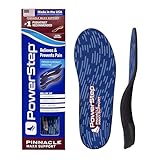
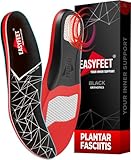
Podiatrist-Recommended Products


Frequently Asked Questions About Foot Pain From Pilates
Why do my feet hurt after Pilates?
Barefoot practice (most styles); intrinsic foot muscles activated extensively; footwork on reformer (springs work feet); foot loops on reformer; standing exercises on hard floor; long sessions. Pilates targets foot and ankle intentionally – good long-term but can cause acute pain.
Should I wear shoes for Pilates?
Most Pilates is barefoot. Pilates socks (grip socks like Toesox) common for hygiene. Some studios allow specific minimalist shoes for those needing support. Most practitioners benefit from barefoot – allows foot articulation and proprioception.
Can I do Pilates with bunions?
YES with modifications. Concerns: foot loops compress big toe; some positions stress bunion; long-term may help with foot strength. Modifications: wider straps; padding; modified positioning; skip painful exercises. Discuss with instructor.
Is Pilates good for plantar fasciitis?
Long-term YES (intrinsic strengthening helps). Initially can aggravate – consider waiting until acute pain resolves before starting. Gradual progression important. Many plantar fasciitis sufferers improve with regular Pilates over time.
Why do my arches cramp during Pilates?
Intrinsic foot muscles fatiguing; common in beginners or those with weak intrinsics; sometimes dehydration. Solutions: hydrate well; gradual progression; brief breaks if cramping; pre-class foot warm-up; address with podiatrist if recurrent.
Can Pilates make foot conditions worse?
Some conditions: acute plantar fasciitis (initially); active bunion pain; Mortons neuroma; advanced arthritis; recent foot surgery. Most conditions: long-term benefit but may flare initially. Discuss with podiatrist before starting.
When should I see a podiatrist about Pilates foot pain?
Pain persists beyond first few sessions; pre-existing conditions worsening; need orthotic evaluation; bunion or hammertoe progression; suspected stress fracture; chronic issues affecting practice; need clearance to continue Pilates.
Related Resources from Balance Foot & Ankle
Still Dealing With Foot Pain From Pilates?
Same-week appointments at Balance Foot & Ankle in Howell & Bloomfield Township, MI.
Book Your AppointmentFrequently Asked Questions
When should I see a doctor?
See a podiatrist if pain persists past 2 weeks, prevents normal activity, or is accompanied by red-flag symptoms (warmth, swelling, numbness, inability to bear weight).
Can I treat this at home?
Mild cases respond to RICE protocol (rest, ice, compression, elevation), supportive shoes, and OTC anti-inflammatories. Persistent symptoms need professional evaluation.
How long does it take to heal?
Most soft tissue injuries resolve in 2-6 weeks with appropriate care. Bone injuries take 6-12 weeks. Chronic conditions need longer-term management.
What is Foot pain?
Foot pain is a common foot/ankle condition that affects mobility and quality of life. Understanding the underlying cause is the first step in successful treatment. Our podiatrists at Balance Foot & Ankle perform a hands-on biomechanical exam, review your activity history, and use diagnostic imaging when appropriate to identify the root cause—not just treat the symptom. Many patients have been told to “rest and ice” without a deeper diagnostic workup; our approach is different.
Symptoms and warning signs
Common signs of foot pain include pain that worsens with activity, morning stiffness, swelling, tenderness when palpated, and difficulty bearing weight. If you experience sudden severe pain, inability to walk, visible deformity, numbness or color change, contact our office the same day or visit urgent care—these can signal a more serious injury such as a fracture, tendon rupture, or vascular compromise. Diabetics with any foot wound should seek same-day care.
Conservative treatment options
Most cases of foot pain respond to non-surgical care: structured rest, supportive footwear changes, custom orthotics, targeted stretching and strengthening protocols, anti-inflammatory medications when medically appropriate, and in-office procedures such as ultrasound-guided injections. We also offer advanced therapies including MLS laser therapy, EPAT/shockwave, regenerative injections, and image-guided procedures. Treatment is sequenced from least invasive to most invasive, and we explain the rationale at every step.
When is surgery considered?
Surgery is reserved for cases that fail 3-6 months of well-structured conservative care, when there is structural pathology (severe deformity, complete tear, advanced arthritis), or when imaging shows damage that will not heal without intervention. Our surgeons have performed 3,000+ foot and ankle procedures and prioritize minimally-invasive techniques whenever appropriate. We discuss recovery timelines, return-to-activity milestones, and realistic outcome expectations before any procedure is scheduled.
Recovery timeline and prevention
Recovery from foot pain varies based on severity and chosen treatment path. Conservative cases often improve within 4-8 weeks with consistent adherence to the protocol. Post-procedural recovery may range from a few days (in-office procedures) to several months (reconstructive surgery). Long-term prevention involves footwear assessment, activity modification, structured strengthening, and regular check-ins with your podiatrist if you have a history of recurrence. We provide written home-exercise plans and digital follow-up support.
Ready to feel better?
Same-week appointments available in Howell and Bloomfield Township, Michigan.
Book Your VisitIn-Office Treatment at Balance Foot & Ankle
If home treatment isn’t providing relief for your foot and ankle conditions, our podiatry team at Balance Foot & Ankle can help with same-day evaluations and advanced in-office care.
APMA: Foot Pain Relief and Activity-Related Causes
Ready to Get Relief?
Same-day appointments available in Howell & Bloomfield Township, MI
4.9★ | 1,123 Reviews | 3,000+ Surgeries
Or call: (810) 206-1402

Dr. Tom Biernacki, DPM is a board-certified foot & ankle surgeon (ABFAS & ABPM) at Balance Foot & Ankle Specialists in Southeast Michigan. With over a decade of clinical experience, he specializes in heel pain, bunions, diabetic foot care, sports injuries, and minimally invasive surgery. Dr. Biernacki is a member of the APMA and ACFAS, and his patient education content on MichiganFootDoctors.com and YouTube has made him one of the most-followed foot & ankle educators on YouTube.