
Medically reviewed by Dr. Tom Biernacki, DPM
Board-certified podiatric surgeon | Balance Foot & Ankle, Howell & Bloomfield Township, MI
Last reviewed: May 2026

| Mud Run Foot Injury | Cause | Prevention | Race-Day Treatment |
|---|---|---|---|
| Blisters | Friction + wet skin (maceration) | Body Glide, wool socks, drainage shoes | Moleskin, blister bandage, 2nd Skin |
| Ankle Sprain | Uneven terrain, obstacles | Ankle brace (lace-up), trail shoes | Compression, ice, buddy tape |
| Black Toenail (subungual hematoma) | Toe impact in obstacles, downhills | Trim nails, proper shoe length (thumb width) | Pain control — drain only if very painful |
| Skin Maceration / Trench Foot | Prolonged water immersion | Wool socks, vaseline, shoe drainage | Dry feet when possible, change socks |
| Metatarsal Stress Reaction | Repetitive impact in waterlogged shoes | Adequate training, proper footwear | Reduce load, ice, podiatrist evaluation |
| Heel Pain (post-race) | Plantar fascia overload in unstable terrain | Arch support, calf stretching pre-race | Ice, anti-inflammatories, rest |
| Mud Run Footwear Feature | Why It Matters | What to Look For |
|---|---|---|
| Drainage ports | Prevents water accumulation inside shoe | Mesh upper + drainage holes in outsole |
| Lugged outsole | Traction on mud, prevents slipping | Deep 4–6mm lugs, multi-directional pattern |
| Secure lacing | Prevents shoe from being sucked off in mud | Gaiter attachment, BOA closure, gusseted tongue |
| Toe box protection | Shields toes from rocks and debris | Reinforced toe cap, rock plate |
| Sock choice | Moisture management prevents blisters | Merino wool or Drymax — avoid cotton |
Foot pain after a mud run is most often blisters, calluses, fungal infections, or trench foot from prolonged moisture. Drying out the feet immediately and treating each issue separately speeds recovery.
You’re in the right place. Dr. Tom Biernacki, DPM, FACFAS — board-certified foot & ankle surgeon with 3,000+ surgeries — explains exactly what foot pain from a mud run means and what works. Call (810) 206-1402 for same-day appointment at Howell or Bloomfield Township.
Quick answer: Foot Pain From Mud Run has multiple potential causes including mechanical, neurological, vascular, and inflammatory. The most common causes we identify are overuse, ill-fitting shoes, and biomechanical imbalance. Red flags requiring urgent evaluation: warmth/redness (infection), inability to bear weight (fracture), and unilateral swelling without injury (DVT). Call (810) 206-1402.
Medically Reviewed | Dr. Tom Biernacki, DPM | Board-Certified Podiatrist | Balance Foot & Ankle, Michigan
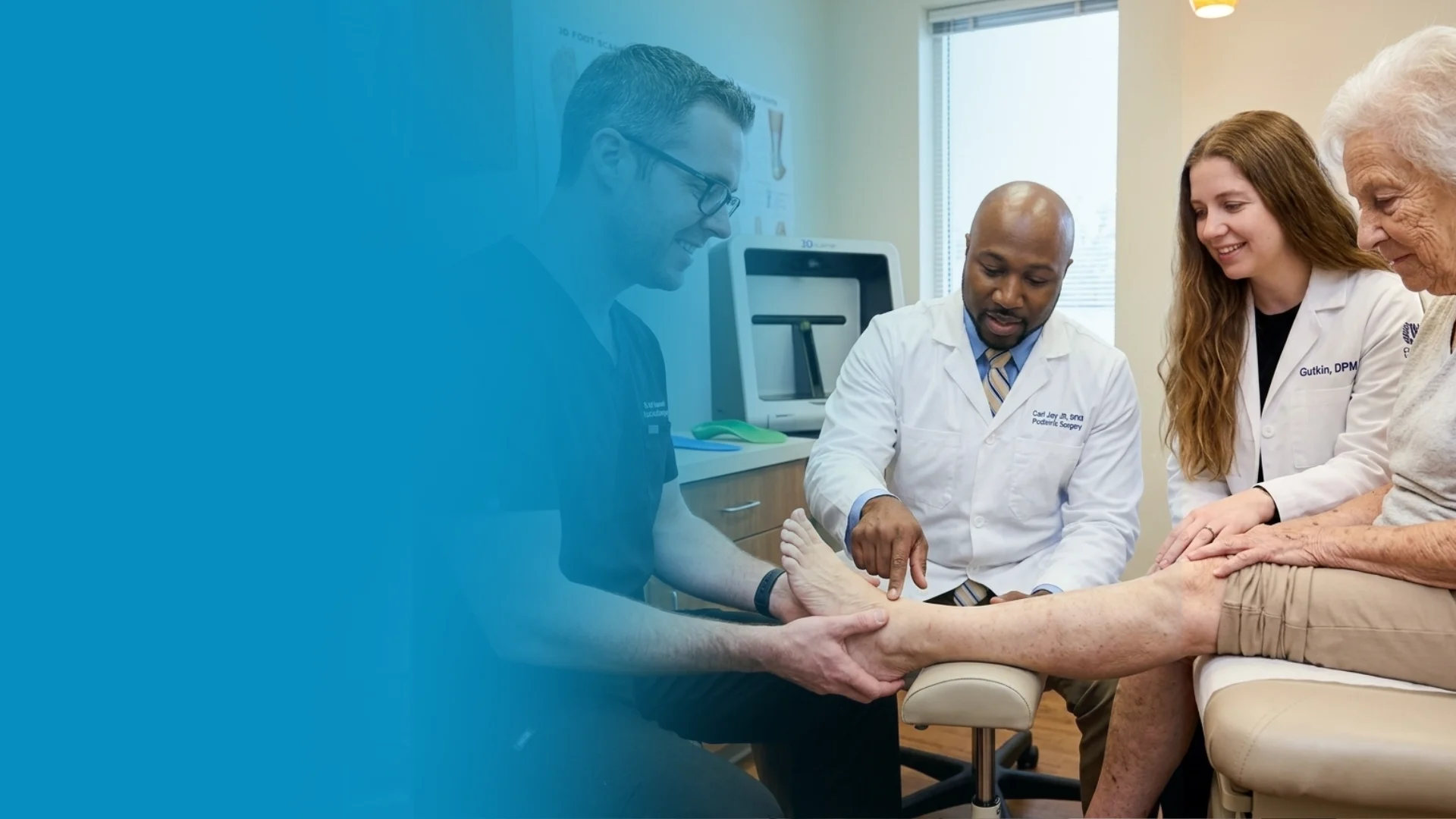
![How to Cure Plantar Fasciitis in One Week? [FAST Heel Pain Relief!]](https://www.michiganfootdoctors.com/wp-content/cache/flying-press/b5600c3bfb9845a6095da8266d8b5363.jpg)
Watch: How to Cure Plantar Fasciitis in One Week? [FAST Heel Pain Relief!] — MichiganFootDoctors YouTube
The most important clinical decision with Foot Pain From Mud Run isn’t which treatment to start with — it’s identifying the correct subtype. That changes everything. Call (810) 206-1402.
Foot Pain From Mud Run: Quick Answer
Mud runs of various brands cause similar foot pain – the mud, water, and obstacles create unique challenges. We help dozens of mud runners yearly at Balance Foot and Ankle. Here is the comprehensive mud run foot pain guide.
Why Mud Runs Cause Foot Pain
Mud run demands: Variable distance (5K to ultra); mud and water throughout; obstacles; sometimes cold conditions; cumulative effort; teamwork sometimes; sometimes inadequate footwear (some treat as fun event vs serious training). Brand variations: Tough Mudder, Spartan, Warrior Dash, Rugged Maniac, Savage Race – similar foot demands; specific obstacles vary.
Most Common Mud Run Foot Issues
1. Foot fatigue: Universal. 2. Skin maceration: From wet feet. 3. Foot fungus: From wet conditions. 4. Cuts/abrasions: From obstacles. 5. Ankle sprains: From terrain. 6. Plantar fasciitis flare: From cumulative effort. 7. Bacterial infections: Sometimes from contaminated mud. 8. Stress fractures: Sometimes from cumulative training. 9. Cold feet: Cold water exposure. 10. Sometimes serious injuries: From obstacle accidents.
Best Mud Run Footwear
Recommendations: Trail running shoes; aggressive grip; quick-draining; sometimes specific OCR shoes. Top picks: Salomon Speedcross; Inov-8 X-Talon; Brooks Cascadia; specific OCR shoes. Features: Excellent grip in mud; drain holes; rugged construction. Bring backup shoes: For post-race; will likely throw away race shoes.
Bacterial Infection Risk
Mud contamination: Sometimes serious. Risk factors: Sometimes contaminated water sources; cuts allowing bacterial entry; weakened immunity; diabetes; sometimes farm runoff. Common organisms: Standard skin flora; sometimes worse organisms. RED FLAGS: Spreading redness; warmth; fever; severe pain; pus discharge. Prevention: Address cuts immediately; thorough cleansing post-race; tetanus current; sometimes prophylactic antibiotics for diabetic patients.
Custom Orthotics for Mud Runs
Orthotic considerations: Generally use during mud runs if you wear them; address foot mechanics. Considerations: Sometimes get wet/muddy; some athletes prefer without orthotics for mud sections; usually fine to use. For chronic foot pain: Often worth using.
Cold Conditions Considerations
Cold-weather mud runs: Specific challenges. Issues: Wet feet + cold = significant cold injury risk; sometimes hypothermia in extreme conditions; affects performance. Solutions: Quality wool socks; sometimes neoprene socks; appropriate cold weather clothing; warm-up between obstacles; quick warm-up post-race. For winter mud runs: Especially careful.
Post-Race Foot Care
Post-mud run: Critical foot care. Steps: Wash thoroughly with antibacterial soap; address all cuts/scrapes; antibiotic ointment as needed; antifungal powder; foot inspection; address developing pain; tetanus current verification. For deep cuts: Sometimes need professional evaluation; for severe contamination: medical evaluation.
Multi-Race Season
Multi-race season (sometimes monthly mud runs): Cumulative foot stress significant. Considerations: Stress fracture risk; chronic injuries develop; recovery between races critical; sometimes seasonal scheduling needed. For competitive OCR: Foot care critical.
Pre-Existing Foot Conditions
Mud running with foot conditions: Often complicated. Plantar fasciitis: Often flares; address conditions; quality shoes/orthotics. Diabetic foot: Special considerations – infection risk significant; quality shoes; immediate post-event foot inspection; sometimes consider not participating if neuropathy advanced. Address conditions: Pre-race when possible.
When to See a Podiatrist
See us if: chronic mud run foot pain; suspected stress fracture; suspected ankle sprain that wont heal; significant cuts/wounds from obstacles; signs of infection from event exposure; need orthotic evaluation; need pre-event evaluation; chronic conditions affecting OCR. Same-week appointments at Balance Foot and Ankle. Schedule online.
Podiatrist-Recommended Products


Frequently Asked Questions About Foot Pain From Mud Run
Why does mud running hurt my feet?
Variable distance (5K to ultra); mud and water throughout; obstacles; sometimes cold conditions; cumulative effort; teamwork sometimes; sometimes inadequate footwear. Brand variations: Tough Mudder, Spartan, Warrior Dash, Rugged Maniac, Savage Race.
What shoes are best for mud runs?
Trail running shoes; aggressive grip; quick-draining; sometimes specific OCR shoes. Top picks: Salomon Speedcross; Inov-8 X-Talon; Brooks Cascadia; specific OCR shoes. Bring backup shoes for post-race; will likely throw away race shoes.
Can I get an infection from mud runs?
POSSIBLY – sometimes serious. Risk factors: sometimes contaminated water sources; cuts allowing bacterial entry; weakened immunity; diabetes. RED FLAGS: spreading redness; warmth; fever; severe pain; pus discharge. Prevention: address cuts immediately; thorough cleansing.
How do I prevent foot infection from mud runs?
Wash thoroughly with antibacterial soap post-event; address all cuts/scrapes; antibiotic ointment as needed; antifungal powder; foot inspection; tetanus current essential. For deep cuts: professional evaluation.
Are mud runs safe with diabetes?
CAUTION REQUIRED. Infection risk significant; reduced sensation can lead to unrecognized injuries; slow healing. Quality shoes; immediate post-event foot inspection; sometimes consider not participating if neuropathy advanced.
Can I do mud runs in cold weather?
YES with precautions. Wet feet + cold = significant cold injury risk; sometimes hypothermia in extreme conditions. Solutions: quality wool socks; sometimes neoprene socks; appropriate cold weather clothing; warm-up between obstacles.
When should I see a podiatrist about mud run foot pain?
Chronic mud run foot pain; suspected stress fracture; suspected ankle sprain that wont heal; significant cuts/wounds from obstacles; signs of infection from event exposure; need orthotic evaluation; need pre-event evaluation.
Related Resources from Balance Foot & Ankle
- Foot Pain From Tough Mudder
- Foot Pain From Spartan Race
- Athletes Foot Treatment
- Ankle Sprain Treatment
Still Dealing With Foot Pain From Mud Run?
Same-week appointments at Balance Foot & Ankle in Howell & Bloomfield Township, MI.
Book Your AppointmentFrequently Asked Questions
Podiatrist-Recommended Products
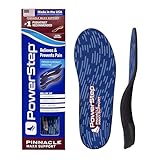
These are the products Dr. Tom recommends most often in his clinic at Balance Foot & Ankle for lasting foot pain relief:
- PowerStep Pinnacle Arch Support Insoles — #1 clinic recommendation for arch support and heel pain relief
- Doctor Hoy’s Natural Pain Relief Gel — Fast-acting topical relief used and trusted by podiatrists
- CURREX RunPro Insoles — Dynamic arch profile for active patients and runners
As an Amazon Associate, Balance Foot & Ankle earns from qualifying purchases. These recommendations reflect genuine clinical use.
In-Office Treatment at Balance Foot & Ankle
If home treatment isn’t providing relief for your foot pain from mud run, our podiatry team at Balance Foot & Ankle can help with same-day evaluations and advanced in-office care.
APMA: Foot Pain Relief and Activity-Related Causes
Ready to Get Relief?
Same-day appointments available in Howell & Bloomfield Township, MI
4.9★ | 1,123 Reviews | 3,000+ Surgeries
Or call: (810) 206-1402

Dr. Tom Biernacki, DPM is a board-certified foot & ankle surgeon (ABFAS & ABPM) at Balance Foot & Ankle Specialists in Southeast Michigan. With over a decade of clinical experience, he specializes in heel pain, bunions, diabetic foot care, sports injuries, and minimally invasive surgery. Dr. Biernacki is a member of the APMA and ACFAS, and his patient education content on MichiganFootDoctors.com and YouTube has made him one of the most-followed foot & ankle educators on YouTube.