
Medically reviewed by Dr. Tom Biernacki, DPM
Board-certified podiatric surgeon | Balance Foot & Ankle, Howell & Bloomfield Township, MI
Last reviewed: May 2026
| New Shoe Pain Type | Location | Normal Break-In? | Action |
|---|---|---|---|
| Mild midsole firmness | General underfoot | Yes — foam softens in 1–2 weeks | Wear gradually; 1–2 hours first days |
| Heel blisters | Posterior heel | Partial — leather heels soften; synthetic usually not | Anti-friction stick; heel pad; blister bandage |
| Arch pain (plantar) | Medial arch | No — arch pain = wrong support level | Return for different model or add orthotic |
| Toe/forefoot pain | Toes; ball of foot | No — forefoot pain = wrong width or length | Wider/longer size; different brand last |
| Top-of-foot pressure | Dorsum | Partial — tongue softens somewhat | Alternative lacing; tongue pad; volume issue |
| Heel counter rubbing Achilles | Posterior heel/Achilles | Partial for leather; no for synthetic | Band-aid or heel tab; consider open-back shoe |
| New Shoe Break-In Schedule | Day | Wear Time | Notes |
|---|---|---|---|
| Athletic shoes (synthetic/mesh) | Day 1 | Full day if comfortable | No break-in needed if correct fit |
| Leather dress shoes | Day 1 | 1–2 hours | Wear with thick socks; apply leather conditioner |
| Leather dress shoes | Day 2–5 | Add 1 hour daily | Watch for blister hot spots; use anti-friction product |
| New custom orthotics | Day 1 | 1 hour only | Arch soreness expected; not sharp joint pain |
| New custom orthotics | Day 2+ | Add 1 hour daily | Full-time wear by week 2; return to prescriber if sharp pain |
| New hiking boots | Day 1 | 30–60 minutes short walk | Boots require longest break-in; ankle collar stiff initially |
Quick answer: Foot Pain From New Shoes has multiple potential causes including mechanical, neurological, vascular, and inflammatory. The most common causes we identify are overuse, ill-fitting shoes, and biomechanical imbalance. Red flags requiring urgent evaluation: warmth/redness (infection), inability to bear weight (fracture), and unilateral swelling without injury (DVT). Book online or call (810) 206-1402.
![How to Cure Plantar Fasciitis in One Week? [FAST Heel Pain Relief!]](https://www.michiganfootdoctors.com/wp-content/cache/flying-press/b5600c3bfb9845a6095da8266d8b5363.jpg)
Watch: How to Cure Plantar Fasciitis in One Week? [FAST Heel Pain Relief!] — MichiganFootDoctors YouTube
The most important clinical decision with Foot Pain From New Shoes isn’t which treatment to start with — it’s identifying the correct subtype. That changes everything. Call (810) 206-1402.
Foot Pain From New Shoes: Quick Answer
New shoes commonly cause foot pain – the break-in period varies dramatically by shoe type and quality. Understanding proper break-in prevents long-term damage. We help dozens of patients yearly at Balance Foot and Ankle. Here is the comprehensive new shoe break-in guide.
Why New Shoes Cause Foot Pain
New shoe issues: Materials need to soften and conform to foot; pressure points develop before adjustments occur; blisters from friction with stiff materials; specific style requires adaptation period; sometimes fundamental fit issue (too small, too narrow); cant tell from brief in-store wear. Variable break-in: Athletic shoes minimal; dress shoes significant; boots extensive; quality leather longest.
Most Common New Shoe Foot Issues
1. Blisters: Most common; from friction during break-in. 2. Heel rubbing: Common with various styles. 3. Toe pressure: If shoes too small. 4. Top of foot pain: From tight lacing. 5. Achilles bite: From rigid back. 6. Bunion irritation: Pressure on existing bunion. 7. Numbness: Tight lacing. 8. Toenail pain: If toes touch front. 9. Foot fatigue: Different mechanics during adjustment. 10. Permanent issues: If shoes are wrong size/fit.
When to Return New Shoes
Return immediately if: Pain on first try-on (not adjustment but pain); cant comfortably wear for 5-10 minutes initially; visible foot deformity inside shoe; immediate pressure points that obviously wont resolve; toes touch front when standing; foot bulges over sides; numbness immediately. Most stores: 30-day return policy; some longer; use it.
Proper Break-In Process
For most shoes: Wear short periods initially (1-2 hours); gradually increase wear time; address blisters/hot spots immediately; use thicker socks during break-in for some shoes; stop wearing if persistent severe pain; recognize when shoes wont break in (return them). For boots: Longer break-in; sometimes weeks; wet-and-wear method controversial. For athletic shoes: Often minimal break-in needed.
Break-In By Shoe Type
Athletic shoes: Usually minimal break-in (some hours). Dress shoes: Days to weeks; quality leather adapts. Hiking boots: Weeks; significant break-in needed. Doc Martens: Famous extensive break-in period. Cowboy boots: Significant; often weeks. Ski/snowboard boots: Specific to fitting; thermomold options speed adaptation. Cycling shoes: Some break-in needed.
Blister Prevention During Break-In
Critical strategies: Quality moisture-wicking socks; lubricant on hot spots (Body Glide); preventive taping; gradual exposure (not full day); foot care kit available; address hot spots IMMEDIATELY before they become blisters. If blister forms: Hydrocolloid bandages (Compeed); keep clean; sometimes lance carefully if very painful; stop wearing offending shoe until healed.
Tools to Help Break-In
Shoe stretching: Cobbler can stretch; shoe stretcher devices; specific area stretching for pressure points. Wet/dry method: Wet shoes and wear (controversial; some swear by it). Conditioner: For leather – softens and helps form. Bend and flex: Manually flex sole; bend leather to soften. Multiple wear strategy: Alternate with broken-in shoes.
When New Shoes Wont Break In
Recognize fit issues: Too small (return – cant be fixed); too narrow (sometimes stretchable); wrong shape for foot (generally cant fix); fundamental design flaw (return). Distinction from break-in: Break-in feels like minor adjustment; fit issues feel like persistent pain in specific spots. Better to return: Than continue trying to break in unfittable shoes.
Custom Orthotics in New Shoes
If you wear orthotics: Bring orthotics when trying new shoes; ensure proper fit with orthotics in shoe; some shoes need to be larger to accommodate. New shoe consideration: Replace insole with custom orthotic; some shoes designed for orthotics; some impossible to fit orthotics in. For foot pain prone: orthotics critical part of shoe selection.
When to See a Podiatrist
See us if: new shoe pain persists despite break-in; suspected fit issues causing chronic pain; need shoe recommendation; recurring blisters from new shoes; chronic conditions requiring specific shoe types; need orthotic evaluation. Same-week appointments at Balance Foot and Ankle. Schedule online.
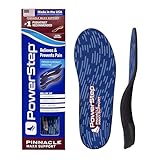
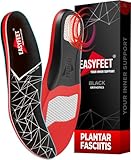
Podiatrist-Recommended Products


Frequently Asked Questions About Foot Pain From New Shoes
Why do new shoes hurt my feet?
Materials need to soften and conform to foot; pressure points develop before adjustments; blisters from friction; specific style requires adaptation period; sometimes fundamental fit issue. Variable break-in: athletic shoes minimal; dress shoes significant; boots extensive.
How long does shoe break-in take?
Athletic shoes: usually minimal (some hours). Dress shoes: days to weeks. Hiking boots: weeks. Doc Martens: famous extensive period. Cowboy boots: significant, often weeks. Ski/snowboard boots: specific to fitting, thermomold options speed adaptation.
Should I return new shoes if they hurt?
YES if: pain on first try-on; cant comfortably wear 5-10 minutes initially; visible foot deformity inside shoe; immediate pressure points; toes touch front when standing; foot bulges over sides; immediate numbness. Most stores have 30-day return policy.
How do I prevent blisters from new shoes?
Quality moisture-wicking socks; lubricant on hot spots (Body Glide); preventive taping; gradual exposure (not full day); foot care kit available; address hot spots IMMEDIATELY before they become blisters. If blister forms: hydrocolloid bandages (Compeed).
How can I speed up new shoe break-in?
Shoe stretching (cobbler, devices); wet/dry method (controversial); leather conditioner (softens); bend and flex; multiple wear strategy (alternate with broken-in shoes); thicker socks during break-in for some shoes.
Why wont my new shoes break in?
Recognize fit issues: too small (return – cant be fixed); too narrow (sometimes stretchable); wrong shape for foot (generally cant fix); fundamental design flaw (return). Break-in feels like minor adjustment; fit issues feel like persistent specific pain.
When should I see a podiatrist about new shoe foot pain?
New shoe pain persists despite break-in; suspected fit issues causing chronic pain; need shoe recommendation; recurring blisters from new shoes; chronic conditions requiring specific shoe types; need orthotic evaluation.
Related Resources from Balance Foot & Ankle
Still Dealing With Foot Pain From New Shoes?
Same-week appointments at Balance Foot & Ankle in Howell & Bloomfield Township, MI.
Book Your Appointment⚕ Doctor Recommended
Doctor Hoy’s Natural Pain ReliefTopical relief for foot & ankle pain
View Product →APMA: Foot Pain Relief and Activity-Related Causes
Ready to Get Relief?
Same-day appointments available in Howell & Bloomfield Township, MI
4.9★ | 1,123 Reviews | 3,000+ Surgeries
Or call: (810) 206-1402

Dr. Tom Biernacki, DPM is a board-certified foot & ankle surgeon (ABFAS & ABPM) at Balance Foot & Ankle Specialists in Southeast Michigan. With over a decade of clinical experience, he specializes in heel pain, bunions, diabetic foot care, sports injuries, and minimally invasive surgery. Dr. Biernacki is a member of the APMA and ACFAS, and his patient education content on MichiganFootDoctors.com and YouTube has made him one of the most-followed foot & ankle educators on YouTube.