
Medically reviewed by Dr. Tom Biernacki, DPM
Board-certified podiatric surgeon | Balance Foot & Ankle, Howell & Bloomfield Township, MI
Last reviewed: May 2026
| Skating Foot Injury | Cause | Location | Treatment |
|---|---|---|---|
| Skate bite (Achilles bursitis) | Boot collar pressure on Achilles insertion | Posterior heel at boot collar | Donut pad + loose ankle lacing + ice post-skate |
| Navicular pressure bursitis | Boot medial arch pressure on navicular prominence | Medial midfoot bony bump | Skate boot stretching at pressure point + gel pad |
| Plantar fasciitis | Rigid boot + sustained dorsiflexion posture + poor insole | Medial heel; arch | Arch-support insole in skate + post-skate stretching |
| Morton’s neuroma | Narrow toe box compressing interdigital nerve | 3rd–4th web space; burning into toes | Wider toe box skate; metatarsal pad; possible injection |
| Blister | Boot friction on skin at break-in pressure points | Any boot-skin contact point | Lance if tense; Moleskin cover; address boot fit |
| Lateral ankle sprain | Rollover during skating; catch on uneven surface | Lateral ankle | RICE + lace-up ankle brace; proprioceptive rehab |
| Metatarsal numbness | Skate laces too tight over midfoot; nerve compression | Dorsum of foot; toes | Re-lace with skip-lacing technique over dorsum; loosen midfoot |
| Boot Fit Problem | Symptom | Solution |
|---|---|---|
| Boot too narrow in toe box | Pinched toes; Morton’s neuroma symptoms | Stretch toe box with boot stretcher; consider wider-last boot |
| Boot too long | Heel slippage; Achilles rubbing | Size down ½ size; add heel lock insole |
| Boot too short | Toe nail bruising; toe pressure | Size up; skates typically sized ½–1 size down from street shoe |
| High ankle collar | Skate bite; Achilles impingement | Pad collar; notch boot at Achilles (leather boots); lower-cut model |
| Poor arch support (stock insole) | Plantar fasciitis; arch fatigue | Replace with firm arch-support aftermarket insole trimmed to fit |
| Boot pressure over navicular | Medial midfoot pain; navicular bursitis | Heat-mold boot over prominence; gel relief pad |
Quick answer: Foot Pain From Roller Skating has multiple potential causes including mechanical, neurological, vascular, and inflammatory. The most common causes we identify are overuse, ill-fitting shoes, and biomechanical imbalance. Red flags requiring urgent evaluation: warmth/redness (infection), inability to bear weight (fracture), and unilateral swelling without injury (DVT). Call (810) 206-1402.
Medically Reviewed | Dr. Tom Biernacki, DPM | Board-Certified Podiatrist | Balance Foot & Ankle, Michigan
Watch: Flat Feet and Heel Pain Best Running Shoes 2026 — MichiganFootDoctors YouTube
The most important clinical decision with Foot Pain From Roller Skating isn’t which treatment to start with — it’s identifying the correct subtype. That changes everything. Call (810) 206-1402.
Foot Pain From Roller Skating: Quick Answer
Roller skating – both quad and inline – causes specific foot pain patterns. We help dozens of skaters yearly at Balance Foot and Ankle. Here is the comprehensive roller skating foot pain guide.
Why Roller Skating Causes Foot Pain
Roller skate demands: Boot construction (varies by skate type); tight lacing for performance; pressure points; long sessions for serious skaters; aggressive cutting in derby; jumping in roller skating; skating in heat (sometimes outdoor). Quad vs inline different demands: Quad more lateral stability needs; inline more forward thrust. Resurgence in popularity: more new skaters with foot pain.
Most Common Roller Skating Foot Issues
1. Lace bite: Top of foot pain from lacing pressure. 2. Toe pain: From toe stops/jamming. 3. Bunion irritation: Boot pressure aggravation. 4. Heel pain: From impact landings. 5. Plantar fasciitis: From skate stress. 6. Achilles issues: From boot angle. 7. Ankle sprains: From falls or skate instability. 8. Foot fungus: From sweaty conditions. 9. Knee/hip referred pain: From foot mechanics. 10. Toenail injuries: From boot pressure.
Quad vs Inline Specific Issues
Quad skating: Toe stops can cause forefoot injuries; lateral stability demands; more side-to-side movement; jam skating/derby specific demands; classic 4-wheel design. Inline skating: Forward speed focus; longer wheel base; different boot construction; downhill speed concerns; aggressive vs recreational vs hockey-style. Different boots: quad usually leather/canvas; inline often synthetic/plastic; different fitting needs.
Roller Derby Specific Considerations
Roller derby: High-injury sport with feet often involved. Common derby foot injuries: Ankle sprains (very common); foot bruising from contact; toe injuries from skate-to-skate contact; chronic foot pain from training volume; fifth metatarsal injuries from cutting. Recovery essential: Many derby athletes train through pain – dangerous; address foot conditions promptly.
Skate Boot Selection
Quad skate brands: Riedell (popular for derby); Sure-Grip; Chaya; Moxi (newer popular brand). Inline skate brands: Rollerblade; K2; FR; Powerslide. Recreational vs aggressive skating: Different boot construction needs. Fitting: Snug heel pocket; toes touch front when standing, pull back when in skating stance; foot doesnt move inside boot.
Lace Bite Solutions
Lace bite: Sharp pain on top of foot. Solutions: Proper lacing technique (skip eyelets where pain occurs); lace bite pads; gel pads; adjust boot tongue; rest from skating to allow inflammation to resolve; ice and ibuprofen short-term. Persistent lace bite indicates fit problem requiring professional skate shop evaluation.
Outdoor vs Indoor Skating
Outdoor skating: Heat stress; uneven surfaces (cracks, debris); higher fall risk; foot fatigue from terrain. Indoor skating: Controlled surface; cooler environment; less external hazards; typically smoother. For foot pain: Generally easier to start indoors; outdoor adds unpredictable challenges. Skate type: outdoor wheels softer, indoor harder.
Custom Orthotics for Roller Skating
Skate orthotic considerations: Lower profile to fit in skate; specific to skating biomechanics; provide arch support without limiting flexibility for proper skate motion; some skaters benefit from custom design. Many serious roller derby athletes use custom orthotics. Worth considering for: persistent foot pain from skating; pre-existing foot conditions; chronic ankle instability.
When to See a Podiatrist
See us if: roller skating foot pain persists despite skate adjustments; recurring lace bite; bunion or hammertoe progression in skater; need skate-specific orthotic evaluation; pre-derby season evaluation; chronic conditions affecting skating; recurring ankle sprains; persistent toenail issues; suspected stress fracture. Same-week appointments at Balance Foot and Ankle. Schedule online.
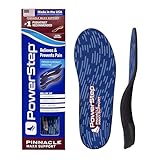
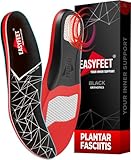
Podiatrist-Recommended Products


Frequently Asked Questions About Foot Pain From Roller Skating
Why does roller skating hurt my feet?
Boot construction; tight lacing for performance; pressure points; long sessions for serious skaters; aggressive cutting in derby; jumping in roller skating; skating in heat sometimes. Different demands quad vs inline.
How do I stop lace bite from roller skates?
Proper lacing technique (skip eyelets where pain occurs); lace bite pads; gel pads; adjust boot tongue; rest from skating to allow inflammation to resolve; ice and ibuprofen short-term. Persistent lace bite indicates fit problem.
What roller skates are best for foot pain?
Quality fitted boots: Riedell, Sure-Grip, Chaya, Moxi for quad. Rollerblade, K2, FR, Powerslide for inline. Snug heel pocket; toes touch front when standing, pull back in skating stance; foot doesnt move inside boot.
Can roller derby cause stress fractures?
YES – high-volume training and intense cutting/jumping creates stress fracture risk. Common: fifth metatarsal injuries from cutting; metatarsal stress fractures. Many derby athletes train through pain – dangerous. Address foot conditions promptly.
Can I wear orthotics in roller skates?
YES with skate-specific orthotics. Lower profile; provide arch support without limiting flexibility for proper skate motion. Many serious roller derby athletes use them. Worth considering for persistent skating foot pain or pre-existing conditions.
Are quad or inline skates better for foot pain?
Depends on individual foot. Inline: longer wheel base, more forward focus, often different boot fit. Quad: more lateral, classic design. Try both with proper fitting; some patients tolerate one better than other.
When should I see a podiatrist about roller skating foot pain?
Pain persists despite skate adjustments; recurring lace bite; bunion/hammertoe progression; need skate-specific orthotic evaluation; pre-derby season evaluation; chronic conditions affecting skating; recurring ankle sprains; persistent toenail issues.
Related Resources from Balance Foot & Ankle
Still Dealing With Foot Pain From Roller Skating?
Same-week appointments at Balance Foot & Ankle in Howell & Bloomfield Township, MI.
Book Your Appointment⚕ Doctor Recommended
Doctor Hoy’s Natural Pain ReliefTopical relief for foot & ankle pain
View Product →⚠️ Most Common Mistake: Ignoring persistent foot pain and continuing normal activity without evaluation. Early podiatric care prevents minor foot issues from becoming chronic, difficult-to-treat conditions.
Frequently Asked Questions
🏥 Recommended by Dr. Biernacki — Foundation Wellness Products
These are the same products Dr. Biernacki recommends to his patients at Balance Foot & Ankle in Michigan. Available through our trusted partners.
In-Office Treatment at Balance Foot & Ankle
If home treatment isn’t providing relief for your foot pain, our podiatry team at Balance Foot & Ankle can help with same-day evaluations and advanced in-office care.
APMA: Foot Pain Relief and Activity-Related Causes
Ready to Get Relief?
Same-day appointments available in Howell & Bloomfield Township, MI
4.9★ | 1,123 Reviews | 3,000+ Surgeries
Or call: (810) 206-1402

Dr. Tom Biernacki, DPM is a board-certified foot & ankle surgeon (ABFAS & ABPM) at Balance Foot & Ankle Specialists in Southeast Michigan. With over a decade of clinical experience, he specializes in heel pain, bunions, diabetic foot care, sports injuries, and minimally invasive surgery. Dr. Biernacki is a member of the APMA and ACFAS, and his patient education content on MichiganFootDoctors.com and YouTube has made him one of the most-followed foot & ankle educators on YouTube.