
Medically reviewed by Dr. Tom Biernacki, DPM
Board-certified podiatric surgeon | Balance Foot & Ankle, Howell & Bloomfield Township, MI
Last reviewed: May 2026

| Post-Half-Marathon Foot Injury | Typical Onset | Expected Resolution | Action Required |
|---|---|---|---|
| General arch/heel soreness | During or immediately post-race | 3–5 days with rest and ice | Ice, elevation, NSAID; no running 5–7 days |
| Plantar fasciitis flare | Peak 24–72 hours post-race | Return to pre-race baseline 1–2 weeks | Arch support + morning stretch; no running 1–2 weeks |
| Metatarsal stress fracture | Pain worsening despite rest; not improving day 3+ | 6–10 weeks with boot immobilization | MRI; boot; podiatric evaluation urgently |
| Morton’s neuroma flare | During race; persists post-race | 3–7 days; may linger 2+ weeks | Wide toe-box footwear; corticosteroid injection if persistent |
| Blisters | Immediately post-race | 5–10 days | Drain if tense; Moleskin; keep clean; monitor for infection |
| Subungual hematoma (black toenail) | Immediately post-race | 1–3 weeks pain; nail regrowth 6–9 months | Drain if pressure severe; let nail detach naturally |
| Ankle sprain | During race (specific incident) | 1–6 weeks depending on severity | RICE + lace-up brace; imaging if cannot bear weight |
| Recovery Day | Recommended Activity | Foot Care Priority |
|---|---|---|
| Race day (post-finish) | Rest; walk only as needed | Ice + elevation + blister inspection + wide shoes |
| Days 1–3 | Complete rest from running; gentle walking acceptable | NSAID; morning plantar fascia stretch; compression sock if edema |
| Days 4–7 | Light walking; cycling or swimming if comfortable | Continue arch support; monitor for worsening pain |
| Days 7–14 | Easy 20–30 min runs if pain <3/10 | Address any persistent hot spots; evaluate for stress fracture if pain unresolved |
| Weeks 3–4 | Gradual return to normal training volume | Confirm foot issues resolved; address biomechanical causes before next race |
Quick answer: Foot Pain After Half Marathon has multiple potential causes including mechanical, neurological, vascular, and inflammatory. The most common causes we identify are overuse, ill-fitting shoes, and biomechanical imbalance. Red flags requiring urgent evaluation: warmth/redness (infection), inability to bear weight (fracture), and unilateral swelling without injury (DVT). Call (810) 206-1402.
Medically Reviewed | Dr. Tom Biernacki, DPM | Board-Certified Podiatrist | Balance Foot & Ankle, Michigan
Watch: Flat Feet and Heel Pain Best Running Shoes 2026 — MichiganFootDoctors YouTube
The most important clinical decision with Foot Pain After Half Marathon isn’t which treatment to start with — it’s identifying the correct subtype. That changes everything. Call (810) 206-1402.
Foot Pain After Half Marathon: Quick Answer
Foot pain after a half marathon (13.1 miles) is common but should resolve quickly. We help dozens of half marathoners yearly at Balance Foot and Ankle. Here is the comprehensive half marathon foot recovery guide.
Why Half Marathons Cause Foot Pain
Half marathon demands: 13.1 miles of running impact; 15,000-25,000 foot strikes; 1.5-3 hours sustained activity; cumulative tissue damage; foot swelling during race; pre-race plus race day combined demands. Less extreme than marathon: but still significant; often more first-time runners; sometimes inadequate preparation; race-pace harder than long training runs.
Normal Post-Half Marathon Recovery
Expected symptoms: Generalized foot fatigue/soreness; mild swelling; calf tightness; sometimes blistering; minor toenail issues. Normal timeline: Worst day 1-2; gradual improvement over 5-7 days; full recovery typically by 1-2 weeks. Faster recovery than marathon: Most runners back to easy running by week 2.
Most Common Post-Half Marathon Injuries
1. Plantar fasciitis flare: Common, especially first-time half marathoners. 2. Achilles tendinitis: From sustained running. 3. Stress reactions/fractures: Less common than marathon but possible. 4. Black toenails: From downhill miles or shoe pressure. 5. Blisters: Common in distance runners. 6. Heel pain: From impact. 7. Mortons neuroma: Forefoot pressure aggravation. 8. Tendon strains: Various tendons.
Recovery Timeline
Day 1-2: Rest; ice for sore areas; elevation; compression socks; hydration; gentle walking only. Day 3-5: Gradual return to activity; gentle walking; pool walking excellent; cross-training; minor jogging only if no pain. Day 7-10: Easy jogging usually OK; quality runs return after 1-2 weeks; address persistent issues. Week 2+: Most runners back to normal training; persistent pain needs evaluation.
First-Time Half Marathoner Considerations
First half marathon: Often more foot pain than expected. Why: Inadequate training mileage; pre-race excitement leads to going out too fast; insufficient recovery built into training; sometimes inadequate footwear; lack of race-day strategies. Prevention next time: Proper training plan with adequate long runs; race-pace practice; proper recovery; experienced advice; pre-race podiatrist evaluation if foot issues; quality shoes properly broken in.
Recurring Half Marathoner Issues
Multi-half marathoners: Often develop chronic foot conditions. Common patterns: Plantar fasciitis becoming chronic; Achilles tendinopathy; recurring black toenails; chronic foot fatigue; bunion progression; foot mechanics issues. Address: Custom orthotics often beneficial; foot strengthening; running shoe analysis; gait analysis; address foot mechanics; sometimes reduce racing frequency to allow recovery.
Race-Day Foot Care
Pre-race: Properly sized shoes (1/2 size larger); short nails; tape any hot spots preventively; quality moisture-wicking socks; address pre-race foot issues. During race: Watch pace early; address developing blisters at aid stations if possible; hydrate properly. Post-race: Immediate ice/elevation if able; foot inspection; address blisters; rehydrate; quality nutrition. Many race-day foot issues: preventable with proper preparation.
When to Resume Hard Training
General guidelines: Easy jogging week 2; moderate runs week 3; quality workouts week 4+; long runs return gradually. Listen to body: Pain at 1-2 weeks needs evaluation; dont push through significant pain; back off if pain develops with running. Multi-race training: Some runners do back-to-back halves – need adequate recovery between; address foot issues between races.
When Half Marathon Pain Indicates Issue
RED FLAGS: Localized pinpoint pain (rule out stress fracture); pain progressing rather than improving over week 1; cant bear weight; visible deformity; persistent severe pain; pain that wakes you at night; recurring patterns with each race. Most pain: resolves with conservative care; persistent pain needs evaluation.
When to See a Podiatrist
See us if: foot pain persists more than 1-2 weeks post-half marathon; suspected stress fracture (localized pinpoint pain); recurring race-related foot pain; need pre-race evaluation for next half marathon; need orthotic evaluation; chronic conditions limiting racing; need running shoe analysis; black toenail issues recurring. Same-week appointments at Balance Foot and Ankle. Schedule online.
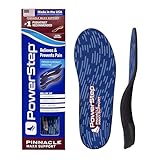
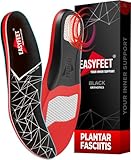
Podiatrist-Recommended Products


Frequently Asked Questions About Foot Pain After Half Marathon
Is foot pain after a half marathon normal?
YES – generalized foot fatigue/soreness, mild swelling, calf tightness normal. Worst day 1-2; gradual improvement over 5-7 days; full recovery typically by 1-2 weeks. Most runners back to easy running by week 2. Persistent or pinpoint pain warrants evaluation.
How do I recover from a half marathon?
Day 1-2: rest, ice, elevation, compression socks, hydration, gentle walking only. Day 3-5: gradual activity return, pool walking, cross-training. Day 7-10: easy jogging usually OK. Week 2: most back to normal training.
When can I run again after a half marathon?
Easy jogging usually OK day 7-10 if no pain. Cross-training (swimming, cycling) immediate. Quality/race-pace runs after 1-2 weeks. Long runs return gradually. Listen to body – persistent pain needs evaluation.
Why does my first half marathon hurt so much?
Often inadequate training mileage; pre-race excitement leads to going out too fast; insufficient recovery built into training; sometimes inadequate footwear; lack of race-day strategies. Prevention next time: proper training plan, race-pace practice, proper recovery.
Should I worry about a stress fracture after a half marathon?
Possible but less common than after marathon. RED FLAGS: localized pinpoint pain (not generalized); pain progressing rather than improving; pain with walking; visible swelling persisting; pain at night. MRI gold standard for diagnosis.
Can I do back-to-back half marathons?
YES with adequate recovery. Generally need 4-8 weeks between for full recovery and re-training. Some runners do every 2-4 weeks – higher injury risk. Address foot issues between races. Conservative training between races important.
When should I see a podiatrist after a half marathon?
Foot pain persists more than 1-2 weeks; suspected stress fracture; recurring race-related foot pain; need pre-race evaluation for next half; need orthotic evaluation; chronic conditions limiting racing; need running shoe analysis.
Related Resources from Balance Foot & Ankle
Still Dealing With Foot Pain After Half Marathon?
Same-week appointments at Balance Foot & Ankle in Howell & Bloomfield Township, MI.
Book Your Appointment⚠️ Most Common Mistake: Ignoring persistent foot pain and continuing normal activity without evaluation. Early podiatric care prevents minor foot issues from becoming chronic, difficult-to-treat conditions.
Frequently Asked Questions
🏥 Recommended by Dr. Biernacki — Foundation Wellness Products
These are the same products Dr. Biernacki recommends to his patients at Balance Foot & Ankle in Michigan. Available through our trusted partners.
In-Office Treatment at Balance Foot & Ankle
If home treatment isn’t providing relief for your foot pain, our podiatry team at Balance Foot & Ankle can help with same-day evaluations and advanced in-office care.
APMA: Foot Pain After Activities — Causes and Relief
Ready to Get Relief?
Same-day appointments available in Howell & Bloomfield Township, MI
4.9★ | 1,123 Reviews | 3,000+ Surgeries
Or call: (810) 206-1402

Dr. Tom Biernacki, DPM is a board-certified foot & ankle surgeon (ABFAS & ABPM) at Balance Foot & Ankle Specialists in Southeast Michigan. With over a decade of clinical experience, he specializes in heel pain, bunions, diabetic foot care, sports injuries, and minimally invasive surgery. Dr. Biernacki is a member of the APMA and ACFAS, and his patient education content on MichiganFootDoctors.com and YouTube has made him one of the most-followed foot & ankle educators on YouTube.