
Medically reviewed by Dr. Tom Biernacki, DPM
Board-certified podiatric surgeon | Balance Foot & Ankle, Howell & Bloomfield Township, MI
Last reviewed: May 2026
| Injury | Skateboarding Mechanism | Location | Treatment | Return to Skating |
|---|---|---|---|---|
| Plantar fasciitis | Flat skate shoes; repetitive push-off; hard surfaces | Medial heel | Thin orthotics in skate shoes; stretching; night splint | Modified skating with orthotics; 4–8 weeks |
| Heel fat pad syndrome | Board impact; hard landing impact; stair skating | Central heel | Gel heel cup; cushioned insole; reduced impact sessions | Reduce impact tricks; 2–4 weeks |
| Lateral ankle sprain | Failed tricks; uneven surface landings; board sliding out | Lateral ankle (ATFL most common) | RICE; ankle brace; PT proprioception; peroneal strengthening | Brace skating; 2–6 weeks depending on grade |
| Metatarsal stress fracture | Repetitive ollie impact; stair drops; foot-on-board vibration | 2nd-3rd MT shaft | Non-weight-bearing boot; 6–8 weeks off skating | 6–8 weeks minimum; gradual impact return |
| Sesamoiditis | Forefoot push-off; manual tricks; flat-footed landings | Ball of foot under 1st toe | Sesamoid pad; modified shoe; reduced push-off intensity | Pain-free push-off; 4–8 weeks |
| Os trigonum syndrome | Repeated forced plantarflexion in manual/nosegrind tricks | Posterior ankle (behind talus) | Injection; reduce plantarflexion tricks; surgical excision if chronic | 2–4 months (surgery required in persistent cases) |
| Skate Shoe Feature | Skating Performance Effect | Foot Health Effect | Modification |
|---|---|---|---|
| Thin flat sole (vulcanized) | Maximum board feel; precise trick control | Zero shock absorption; heel/forefoot fatigue | Thin OTC insole or custom orthotic (low-profile) |
| Flat arch (no contour) | Full sole-board contact; grip | No arch support; plantar fascia overload | Arch support insole inside shoe |
| Wide flat last | Board stability; reduces tip-over on edges | May allow excessive pronation | Pronation-control orthotic if overpronating |
| Padded collar | Ankle protection from board edge | Moderate ankle lateral support | Ankle brace inside shoe for instability |
| Cup sole (cupsole construction) | More cushion than vulcanized; slightly less feel | Better shock absorption; preferred for foot health | Preferred over vulcanized for skaters with foot pain |
Skateboarding foot pain is real — heel bruising from impact, sprains from missed landings, and chronic Achilles strain from constant pumping all accumulate. The right shoe absorbs much of it.
You’re in the right place. Dr. Tom Biernacki, DPM, FACFAS — board-certified foot & ankle surgeon with 3,000+ surgeries — explains exactly what foot pain from skateboarding means and what works. Call (810) 206-1402 for same-day appointment at Howell or Bloomfield Township.
Quick answer: Foot Pain From Skateboarding has multiple potential causes including mechanical, neurological, vascular, and inflammatory. The most common causes we identify are overuse, ill-fitting shoes, and biomechanical imbalance. Red flags requiring urgent evaluation: warmth/redness (infection), inability to bear weight (fracture), and unilateral swelling without injury (DVT). Call (810) 206-1402.
Watch: How to Cure Plantar Fasciitis in One Week? [FAST Heel Pain Relief!] — MichiganFootDoctors YouTube
The most important clinical decision with Foot Pain From Skateboarding isn’t which treatment to start with — it’s identifying the correct subtype. That changes everything. Call (810) 206-1402.
Foot Pain From Skateboarding: Quick Answer
Skateboarding causes unique foot injuries – heel bruises, navicular stress fractures, and tendon injuries from repetitive impact and tricks. We help dozens of skateboarders yearly at Balance Foot and Ankle. Here is the comprehensive skateboarding foot pain guide.
Why Skateboarding Causes Foot Pain
Skateboarding-specific demands: Heel impact from drops and ollies; repetitive landing on heel (especially in tricks); thin-soled shoes (less cushion); aggressive trick attempts; falls; deck pressure points; bigger drops in vert/transition; slam landings on missed tricks. Common patterns: Heel pain from repetitive impact; foot bruising from board edges; ankle sprains from landings.
Most Common Skateboarding Foot Injuries
1. Heel bruises (calcaneal contusions): Very common; from repetitive heel impact. 2. Navicular stress fracture: Notable risk; from bigger drops. 3. Ankle sprains: Common from missed landings. 4. Lisfranc injury: Serious; from twisting falls. 5. Achilles injuries: From explosive movements. 6. Toe injuries: Stubbed, jammed, sprained from falls. 7. Plantar fasciitis: From thin shoe demands. 8. Stress fractures: Various locations from repetitive impact. 9. Skin abrasions: Common.
Heel Bruise (Calcaneal Contusion)
Most common skateboarding foot injury: heel bruise. Cause: Repetitive heel impact from landings. Symptoms: Heel pain (worse with weight); often mild swelling; gradual onset typically. Treatment: Rest from skating; ice; heel cup; supportive shoes off the board; gradual return; persistent cases need imaging to rule out stress fracture or fat pad atrophy. Prevention: Better-cushioned skate shoes; gradual progression; avoid ridiculous drops without progression.
Navicular Stress Fracture (Major Concern)
Navicular stress fracture: Notable risk in skateboarders, especially serious skateboarders doing big drops. Symptoms: Vague midfoot pain; worse with activity; not always pinpoint; high suspicion needed. Diagnosis: Often missed initially; MRI gold standard; X-ray often normal early. Treatment: NON-WEIGHT-BEARING typically required for 6-8 weeks (very strict); long recovery; sometimes surgery. Career-ending for some skateboarders if missed or improperly treated.
Skateboarding Shoe Selection
Skateboarding-specific shoes: Thin sole for board feel; flat sole for grip; durable upper for grip tape wear. Brands: Vans, Nike SB, Adidas Skate, Etnies, Emerica, DC. Cushioning options: More cushioned models (Nike SB Max insole; Adidas Boost); important for impact absorption. Trade-off: More cushion = less board feel; competitive skaters often choose less cushion. Recreational skaters: more cushion better for foot health.
Insole/Orthotic Considerations
Custom orthotics for skateboarding: Challenging due to thin shoe profile; some compromise needed; carbon fiber low-profile orthotics work best. Insoles: Replaceable cushioned insoles improve impact absorption; brands: Footprint Insoles (skate-specific); Superfeet; OTC brands. Trade-off again: More cushion reduces board feel. For chronic foot pain: worth trying despite board feel reduction.
Trick-Specific Injury Patterns
Ollies and pop tricks: Forefoot stress; sesamoiditis; metatarsal pain. Drop-in/big drops: Heel impact; navicular stress fracture risk; calcaneal injury. Flip tricks: Toe injuries; jammed toes. Grinds: Ankle sprain risk on slip-outs. Vert/big air: All injury risks magnified; pro-level injuries possible. Falls/slams: Variable injuries.
Recovery and Cross-Training
For injured skaters: Strict adherence to non-weight-bearing if needed; alternative training (swimming, upper body, balance work); core strengthening; foot/ankle rehabilitation; gradual return to skating. Cross-training when healthy: Strength training; balance work; foot/ankle conditioning; important to maintain even when actively skating.
When to See a Podiatrist
See us if: skateboarding-related foot pain persists more than 1-2 weeks; suspected stress fracture (especially navicular – vague midfoot pain); recurring heel bruises; ankle sprain that wont heal; suspected Lisfranc injury; need orthotic evaluation; chronic foot conditions affecting skating; pre-season or injury-return evaluation. Same-week appointments at Balance Foot and Ankle. Schedule online.
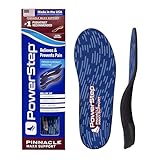
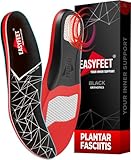
Podiatrist-Recommended Products


Frequently Asked Questions About Foot Pain From Skateboarding
Why do my feet hurt from skateboarding?
Heel impact from drops and ollies; repetitive landing on heel; thin-soled shoes (less cushion); aggressive trick attempts; falls; deck pressure points; bigger drops in vert/transition; slam landings. Heel pain most common.
How do I fix a heel bruise from skateboarding?
Rest from skating; ice; heel cup; supportive shoes off the board; gradual return; persistent cases need imaging to rule out stress fracture. Prevention: better-cushioned skate shoes; gradual progression; avoid ridiculous drops without progression.
What is a navicular stress fracture?
Major concern in skateboarders. Symptoms: vague midfoot pain (not always pinpoint). Diagnosis: often missed initially; MRI gold standard. Treatment: NON-WEIGHT-BEARING typically required for 6-8 weeks. Career-ending if missed or improperly treated.
What are the best skateboarding shoes for foot pain?
More cushioned models help: Nike SB Max insole; Adidas Boost; Vans cushioned options. Trade-off: more cushion = less board feel. Recreational skaters: more cushion better for foot health. Competitive: lighter compromise.
Can I wear orthotics for skateboarding?
YES with low-profile carbon fiber orthotics. Challenging due to thin shoe profile. Replaceable cushioned insoles (Footprint Insoles, Superfeet) also help. Trade-off: more cushion reduces board feel.
How long does skateboarding heel pain take to heal?
Variable. Simple heel bruise: 2-4 weeks with rest. Stress fracture: 6-8 weeks minimum, sometimes longer. Navicular stress fracture: very long recovery, sometimes surgery. Persistent pain after 2-3 weeks needs evaluation.
When should I see a podiatrist about skateboarding foot pain?
Pain persists more than 1-2 weeks; suspected stress fracture (especially navicular – vague midfoot pain); recurring heel bruises; ankle sprain that wont heal; suspected Lisfranc injury; need orthotic evaluation.
Related Resources from Balance Foot & Ankle
Still Dealing With Foot Pain From Skateboarding?
Same-week appointments at Balance Foot & Ankle in Howell & Bloomfield Township, MI.
Book Your AppointmentFrequently Asked Questions
When should I see a doctor?
See a podiatrist if pain persists past 2 weeks, prevents normal activity, or is accompanied by red-flag symptoms (warmth, swelling, numbness, inability to bear weight).
Can I treat this at home?
Mild cases respond to RICE protocol (rest, ice, compression, elevation), supportive shoes, and OTC anti-inflammatories. Persistent symptoms need professional evaluation.
How long does it take to heal?
Most soft tissue injuries resolve in 2-6 weeks with appropriate care. Bone injuries take 6-12 weeks. Chronic conditions need longer-term management.
In-Office Treatment at Balance Foot & Ankle
If home treatment isn’t providing relief for your foot and ankle conditions, our podiatry team at Balance Foot & Ankle can help with same-day evaluations and advanced in-office care.
APMA: Foot Pain Relief and Activity-Related Causes
Ready to Get Relief?
Same-day appointments available in Howell & Bloomfield Township, MI
4.9★ | 1,123 Reviews | 3,000+ Surgeries
Or call: (810) 206-1402

Dr. Tom Biernacki, DPM is a board-certified foot & ankle surgeon (ABFAS & ABPM) at Balance Foot & Ankle Specialists in Southeast Michigan. With over a decade of clinical experience, he specializes in heel pain, bunions, diabetic foot care, sports injuries, and minimally invasive surgery. Dr. Biernacki is a member of the APMA and ACFAS, and his patient education content on MichiganFootDoctors.com and YouTube has made him one of the most-followed foot & ankle educators on YouTube.