
Medically reviewed by Dr. Tom Biernacki, DPM
Board-certified podiatric surgeon | Balance Foot & Ankle, Howell & Bloomfield Township, MI
Last reviewed: May 2026

| Injury | Cheerleading Mechanism | Severity | Treatment | Return to Cheer Timeline |
|---|---|---|---|---|
| Lisfranc sprain/fracture | Forefoot plant fall from stunt; midfoot direct impact | High — often career-altering if missed | Boot (stable) or surgery (unstable/displaced) | 4–6 months; depends on surgical vs conservative |
| Jones fracture (5th MT base) | Lateral foot loading on jump landing; lateral fall | High — non-union risk without proper treatment | Non-weight-bearing 6–8 weeks; surgery for athletes | 3–5 months (surgical); longer conservative |
| Metatarsal stress fracture | Repetitive jump impact; hard floor tumbling | Moderate | Boot 6–8 weeks; no jumping until healed | 8–12 weeks with compliance |
| Achilles tendinopathy | Explosive jumps; toe-raise stunting; dance floor work | Moderate | Eccentric exercises; heel lift; reduce jump volume | 4–8 weeks modified; 8–12 weeks full |
| Sesamoiditis | Toe-first landings; pointe position in stunts | Moderate | Sesamoid pad; modified landing technique; cushioned floor | 4–8 weeks with modification |
| Lateral ankle sprain | Landing imperfection; mat edge; stunt dismount | Low-Moderate | RICE; brace; PT; peroneal strengthening | Grade 1: 1–2 weeks; Grade 3: 6–8 weeks |
| Prevention Strategy | Target Injury | Implementation | Evidence Level |
|---|---|---|---|
| Spring floor training surfaces | Metatarsal stress fractures; Achilles; plantar fasciitis | Conduct all tumbling/jumping on sprung floors; limit hard gym floor time | Level 2 (biomechanical studies) |
| Jump volume monitoring | Stress fractures; Achilles tendinopathy | Track weekly jump reps; <10% increase per week; rest days mandatory | Level 2 (sport periodization) |
| Ankle brace for stunting | Ankle sprains; Lisfranc (partial) | Lace-up brace during all stunt practice; mandatory for instability history | Level 1 (ankle sprain prevention) |
| Nutritional screening (RED-S) | Stress fractures; bone health | Annual review of energy availability, calcium, vitamin D, menstrual status | Level 1 (female athlete triad) |
| Proper landing mechanics training | Lisfranc; Jones fracture; ankle sprains | Land with soft knees; even weight distribution; avoid lateral foot landings | Level 2 (technique-based prevention) |
| Custom orthotics | Plantar fasciitis; sesamoiditis; stress fractures | Podiatric evaluation; custom devices in training shoes and cross-trainers | Level 2 |
Cheerleading foot pain is most often stress fractures, sprains, or sesamoiditis from repeated stunting and tumbling. Catching it early prevents a season-ending injury.
You’re in the right place. Dr. Tom Biernacki, DPM, FACFAS — board-certified foot & ankle surgeon with 3,000+ surgeries — explains exactly what foot pain from cheerleading means and what works. Call (810) 206-1402 for same-day appointment at Howell or Bloomfield Township.
Quick answer: Foot Pain From Cheerleading has multiple potential causes including mechanical, neurological, vascular, and inflammatory. The most common causes we identify are overuse, ill-fitting shoes, and biomechanical imbalance. Red flags requiring urgent evaluation: warmth/redness (infection), inability to bear weight (fracture), and unilateral swelling without injury (DVT). Call (810) 206-1402.
Medically Reviewed | Dr. Tom Biernacki, DPM | Board-Certified Podiatrist | Balance Foot & Ankle, Michigan
![How to Cure Plantar Fasciitis in One Week? [FAST Heel Pain Relief!]](https://www.michiganfootdoctors.com/wp-content/cache/flying-press/b5600c3bfb9845a6095da8266d8b5363.jpg)
Watch: How to Cure Plantar Fasciitis in One Week? [FAST Heel Pain Relief!] — MichiganFootDoctors YouTube
The most important clinical decision with Foot Pain From Cheerleading isn’t which treatment to start with — it’s identifying the correct subtype. That changes everything. Call (810) 206-1402.
Foot Pain From Cheerleading: Quick Answer
Cheerleading is one of the highest-injury-rate sports for foot and ankle injuries – the combination of tumbling, stunting, and jumping creates significant foot stresses. We help dozens of cheerleaders yearly at Balance Foot and Ankle. Here is the comprehensive cheerleading foot pain guide.
Why Cheerleading Causes Foot Pain
Cheer-specific demands: Tumbling impact (round-offs, back tucks, full twists); jumping (multiple high jumps per routine); stunting (flyers stand on hands of bases, often barefoot); pyramids and dismounts; long practice sessions (4-8 hours common); competitive year-round schedule; minimal foot support (often bare or thin shoes for tumbling); concrete surfaces in some practice settings. Injury rates: cheerleading has higher catastrophic injury rates than most sports.
Most Common Cheerleading Foot Injuries
1. Ankle sprains: Most common; from landings and tumbling. 2. Stress fractures: Especially from tumbling impact and jumping. 3. Achilles injuries: From explosive jumping. 4. Plantar fasciitis: From repetitive impact. 5. Sesamoiditis: From forefoot loading in jumps. 6. Lisfranc injury: Severe but possible from twisting falls. 7. Toe injuries: Stubbing, jamming. 8. Heel pain (Severs in young cheerleaders): Common in 8-14 age group. 9. Catastrophic injuries: Falls from stunts.
Stunting and Foot Health
Flyers: Stand on bases hands; often barefoot or thin shoes; foot/ankle position critical for safety; balance demands enormous; falls cause serious injuries. Bases: Bear flyers weight; absorbing landings; foot positioning critical; can develop chronic foot pain from repetitive stress. Spotters: Less repetitive foot stress but emergency catching demands. Foot care critical for all positions: bunions, hammertoes, arch issues all affect performance and safety.
Tumbling Foot Demands
Round-offs and back handsprings: Significant foot impact; ankle stability critical. Tucks and twists: Landing impact; potential for ankle sprains; stress fracture risk. Surface considerations: Spring floors absorb impact; non-spring floors significantly more stressful; cement (warm-ups outside) very dangerous. Cumulative impact: hundreds of tumbling impacts per practice; thousands per week.
Cheerleading Footwear Selection
Cheerleading shoes: Specific design for tumbling and stunting. Top brands: Nfinity (lightweight, popular); Varsity; Asics. Features needed: Lightweight; flexible for tumbling; some support but not stiff; good grip on mat; durable. Sizing: Often fitted snugly; multiple pairs needed for season. Outside cheer: Quality supportive everyday shoes critical to prevent overuse injuries from year-round cheer demands.
Severs Disease in Young Cheerleaders
Severs disease: Calcaneal apophysitis – inflammation of growing heel bone in young athletes (8-14). Common in cheerleaders: Tumbling impact aggravates. Symptoms: Heel pain with activity; usually resolves with rest; can affect both heels. Treatment: Activity modification (sometimes hard with cheer schedules); ice; heel cups; calf stretching; sometimes immobilization for severe cases; will resolve with growth completion. Important: distinguishing from stress fracture (different management).
Year-Round Cheer Considerations
Year-round competitive cheer: Almost no off-season; cumulative injuries common; burnout risk; growth plate concerns in young athletes; eating disorder risk in some populations. Recommendations: Cross-training when possible; address chronic conditions during lower-volume periods; quality footwear outside cheer; foot evaluation pre-season; report pain immediately (dont try to “tough out”).
Foot Care Strategies for Cheerleaders
Daily essentials: Foot stretching; calf stretching; intrinsic foot strengthening; ice after intense practices; quality supportive shoes outside cheer; address minor issues before major. Pre-practice: Adequate warm-up; specific ankle warm-up; tape sensitive ankles. Post-practice: Ice if sore areas; stretch; address developing pain. Address chronic issues: Bunions, hammertoes, foot deformities affect performance and safety.
When to See a Podiatrist
See us if: cheer-related foot pain persists more than 1 week; suspected stress fracture (localized pinpoint pain); recurring ankle sprains; suspected Severs disease in young cheerleader; pre-season evaluation if foot conditions; need orthotic evaluation; chronic foot conditions affecting cheer; suspected Lisfranc or other serious injury. Same-week appointments at Balance Foot and Ankle. Schedule online.
Podiatrist-Recommended Products

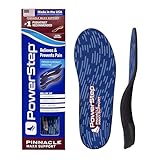
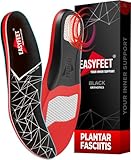

Frequently Asked Questions About Foot Pain From Cheerleading
Why does cheerleading hurt my feet?
Tumbling impact (round-offs, back tucks, full twists); multiple high jumps per routine; stunting (flyers stand on hands of bases); pyramids and dismounts; long practice sessions; year-round competitive schedule; minimal foot support; concrete surfaces sometimes.
What are the most common cheerleading foot injuries?
Ankle sprains (most common); stress fractures; Achilles injuries; plantar fasciitis; sesamoiditis; Lisfranc injury (severe); toe injuries; Severs disease in young cheerleaders; catastrophic injuries from stunt falls.
What shoes are best for cheerleading?
Cheerleading-specific shoes (Nfinity, Varsity, Asics) – lightweight, flexible for tumbling, some support, good grip on mat. Multiple pairs needed for season. Quality supportive everyday shoes outside cheer critical.
What is Severs disease in young cheerleaders?
Calcaneal apophysitis – inflammation of growing heel bone in athletes 8-14. Tumbling impact aggravates. Symptoms: heel pain with activity. Treatment: activity modification (hard with cheer schedules); ice; heel cups; calf stretching; will resolve with growth completion.
How dangerous is cheerleading for feet?
Higher injury rates than most sports including catastrophic injuries from stunts. Foot/ankle injuries common: ankle sprains, stress fractures, Achilles issues, plantar fasciitis. Serious injuries possible from stunt falls.
Should young cheerleaders get foot evaluations?
YES, especially with year-round competitive cheer. Address foot conditions early; identify Severs disease early; pre-season evaluation if any foot complaints; suspected stress fracture needs immediate evaluation. Growth plate considerations important.
When should I see a podiatrist about cheerleading foot pain?
Pain persists more than 1 week; suspected stress fracture; recurring ankle sprains; suspected Severs disease in young cheerleader; pre-season evaluation; need orthotic evaluation; chronic conditions affecting cheer; suspected serious injury.
Related Resources from Balance Foot & Ankle
Still Dealing With Foot Pain From Cheerleading?
Same-week appointments at Balance Foot & Ankle in Howell & Bloomfield Township, MI.
Book Your AppointmentFrequently Asked Questions
When should I see a doctor?
See a podiatrist if pain persists past 2 weeks, prevents normal activity, or is accompanied by red-flag symptoms (warmth, swelling, numbness, inability to bear weight).
Can I treat this at home?
Mild cases respond to RICE protocol (rest, ice, compression, elevation), supportive shoes, and OTC anti-inflammatories. Persistent symptoms need professional evaluation.
How long does it take to heal?
Most soft tissue injuries resolve in 2-6 weeks with appropriate care. Bone injuries take 6-12 weeks. Chronic conditions need longer-term management.
⚠️ Most Common Mistake: Ignoring persistent foot pain and continuing normal activity without evaluation. Early podiatric care prevents minor foot issues from becoming chronic, difficult-to-treat conditions.
Frequently Asked Questions
🏥 Recommended by Dr. Biernacki — Foundation Wellness Products
These are the same products Dr. Biernacki recommends to his patients at Balance Foot & Ankle in Michigan. Available through our trusted partners.
In-Office Treatment at Balance Foot & Ankle
If home treatment isn’t providing relief for your foot and ankle conditions, our podiatry team at Balance Foot & Ankle can help with same-day evaluations and advanced in-office care.
APMA: Foot Pain Relief and Activity-Related Causes
Ready to Get Relief?
Same-day appointments available in Howell & Bloomfield Township, MI
4.9★ | 1,123 Reviews | 3,000+ Surgeries
Or call: (810) 206-1402

Dr. Tom Biernacki, DPM is a board-certified foot & ankle surgeon (ABFAS & ABPM) at Balance Foot & Ankle Specialists in Southeast Michigan. With over a decade of clinical experience, he specializes in heel pain, bunions, diabetic foot care, sports injuries, and minimally invasive surgery. Dr. Biernacki is a member of the APMA and ACFAS, and his patient education content on MichiganFootDoctors.com and YouTube has made him one of the most-followed foot & ankle educators on YouTube.