
Medically reviewed by Dr. Tom Biernacki, DPM
Board-certified podiatric surgeon | Balance Foot & Ankle, Howell & Bloomfield Township, MI
Last reviewed: May 2026
| Tennis Foot Injury | Surface Most Associated | Primary Mechanism | Treatment |
|---|---|---|---|
| Ankle sprain (inversion) | All; slightly higher on clay (sliding) | Rapid lateral direction change; split-step landing | RICE + lace-up brace; proprioceptive rehab |
| Plantar fasciitis | Hard court (highest impact return) | Repetitive heel-strike + inadequate arch support | Arch insole + morning stretch + heel cushion |
| Achilles tendinopathy | Hard court; clay (explosive push-off for slides) | Repetitive explosive calf loading during split-step | Eccentric heel drops + load management |
| Tennis toe (subungual hematoma) | Hard court (more sudden stops) | Toe-box impact during sudden stops and serve | Drain if painful; size-up shoes; heel-lock lacing |
| Metatarsal stress fracture | Hard court; high volume | Cumulative impact without adequate cushioning | Boot immobilization 6–8 weeks; imaging to confirm |
| Peroneal tendinopathy | All surfaces | Repetitive lateral stabilization; ankle instability | Peroneal strengthening + stable court shoe |
| Tennis Surface | Impact Return | Slide Ability | Foot Injury Risk Profile | Shoe Outsole Needed |
|---|---|---|---|---|
| Hard court (concrete/acrylic) | Very high (90%+) | None — abrupt stops | Highest: plantar fasciitis, stress fractures, tennis toe | Herringbone; high durability |
| Clay court | Low (50–60%) | High — intentional sliding | Lower impact; ankle sprain risk from sliding | Herringbone; full-foot outsole for sliding stability |
| Grass court | Moderate (70%) | Moderate — natural grass slip | Ankle sprain from uneven surface; turf toe | Pimple/nub outsole for grass grip |
| Indoor hard (gymnasium) | High | None | Similar to outdoor hard court; gum rubber required | Non-marking gum rubber; herringbone |
Quick answer: Foot Pain From Tennis has multiple potential causes including mechanical, neurological, vascular, and inflammatory. The most common causes we identify are overuse, ill-fitting shoes, and biomechanical imbalance. Red flags requiring urgent evaluation: warmth/redness (infection), inability to bear weight (fracture), and unilateral swelling without injury (DVT). Call (810) 206-1402.
Watch: Flat Feet and Heel Pain Best Running Shoes 2026 — MichiganFootDoctors YouTube
The most important clinical decision with Foot Pain From Tennis isn’t which treatment to start with — it’s identifying the correct subtype. That changes everything. Call (810) 206-1402.
Foot Pain From Tennis: Quick Answer
Tennis causes specific foot injuries – the lateral cutting movements, court surface impact, and rapid direction changes create unique foot stresses. We help dozens of tennis players yearly at Balance Foot and Ankle. Here is the comprehensive tennis foot pain guide.
Why Tennis Causes Foot Pain
Tennis-specific demands: Rapid lateral movements (cutting, side-shuffling); sudden stops and starts; court surface variability (hard, clay, grass); long matches (2-4 hours possible); aggressive pivoting/rotation; serving demands (toe push-off); chasing balls in different directions; tournament play multiple days. Foot stress patterns: very different from running due to lateral movements.
Most Common Tennis Foot Injuries
1. Plantar fasciitis: Common from court impact. 2. Achilles tendinitis/rupture: Tennis high-risk for Achilles. 3. Stress fractures: Especially metatarsals from lateral movement. 4. Ankle sprains: Very common in tennis. 5. Toenail injuries: Black toenails from lateral movement and shoes. 6. Sesamoiditis: From serving toe push. 7. Tennis toe (subungual hematoma): Specific to tennis. 8. Mortons neuroma: Forefoot stress aggravation. 9. Heel pain: From court impact.
Court Surface Considerations
Hard courts: Most foot stress; least forgiving; high risk for plantar fasciitis, stress fractures; common in US/club tennis. Clay courts: Sliding allowed; easier on feet generally; different shoe needed; mostly Europe/South America/some clubs. Grass courts: Soft surface; less common; minimal traction can cause slipping; only Wimbledon and similar venues. Indoor (carpet): Various; usually somewhat forgiving. Match surface affects injury risk significantly.
Tennis Shoe Selection
Court-specific shoes: Different shoes for different surfaces. Hard court tennis shoes: Most common; durable outsole; lateral support; cushioning. Brands: Asics Gel-Resolution; Nike NikeCourt; Adidas Barricade; New Balance 996. Clay court shoes: Different sole pattern (herringbone); less aggressive lateral support. Avoid: Running shoes (insufficient lateral support); cross-trainers (compromise design); old worn-out tennis shoes.
Tennis Toe (Subungual Hematoma)
Tennis toe: Bleeding under toenail; very common in tennis players. Cause: Toes hitting front of shoe during stops and lateral movements. Pattern: Black/blue/red discoloration under nail; sometimes painful; sometimes nail loss eventually. Treatment: Sometimes drainage if very painful; usually resolves on own. Prevention: Properly sized shoes (1/2 size larger than usual); short well-trimmed nails; quality moisture-wicking socks.
Achilles Issues in Tennis
Tennis high-risk for Achilles: Especially in middle-aged players. Achilles rupture: Often during lunging or sprinting; classic “feels like got shot in calf”; cant push off; loud pop sometimes; emergency evaluation. Achilles tendinopathy: Gradual onset; morning stiffness; pain with calf use. Prevention: Adequate warm-up; gradual training increases; address tightness; quality shoes; consider eccentric calf exercises (Alfredson protocol). Most at risk: weekend warriors playing intensely.
Ankle Sprain Prevention and Management
Tennis ankle sprains: Common; from cutting, lunging, landing. Prevention: Quality high-top tennis shoes with lateral support; ankle taping/bracing if previous sprain; balance training; proper warm-up. Treatment: RICE initially; gradual return to play; address chronic instability with PT; sometimes surgical reconstruction for chronic lateral ankle instability. Recurring sprains: indicate need for thorough evaluation.
Custom Orthotics for Tennis
Tennis orthotic considerations: Must accommodate lateral movements; not too rigid (interferes with cuts); provide stability; reduce impact; address arch issues. Many serious tennis players benefit: Especially flat-footed; high-arched; chronic plantar fasciitis; pre-existing foot conditions. Sport-specific design: differs from everyday orthotics.
Pre-Tournament Foot Care
Tournament preparation: Address pre-existing foot conditions before tournament; ensure shoes broken in; foot care kit ready; tape any vulnerable areas; address any developing issues immediately. Multi-day tournaments: Recovery between matches critical (ice, elevation, foot care); avoid cumulative damage; have backup shoes; sometimes alternating shoes between matches.
When to See a Podiatrist
See us if: tennis-related foot pain persists more than 1-2 weeks; suspected stress fracture (localized pinpoint pain); recurring ankle sprains; recurring tennis toe; suspected Achilles rupture (urgent); need orthotic evaluation; chronic conditions affecting tennis; pre-tournament evaluation; need shoe analysis. Same-week appointments at Balance Foot and Ankle. Schedule online.
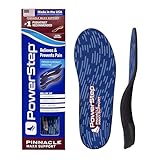
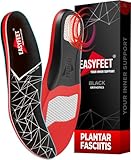
Podiatrist-Recommended Products


Frequently Asked Questions About Foot Pain From Tennis
Why does tennis hurt my feet?
Rapid lateral movements (cutting, side-shuffling); sudden stops and starts; court surface variability; long matches; aggressive pivoting/rotation; serving demands; chasing balls in different directions. Foot stress patterns very different from running.
What tennis shoes are best for foot pain?
Court-specific shoes with proper lateral support: Asics Gel-Resolution; Nike NikeCourt; Adidas Barricade; New Balance 996. Clay court shoes have different sole. Avoid running shoes (insufficient lateral support) or worn-out tennis shoes.
What is tennis toe?
Bleeding under toenail (subungual hematoma); very common in tennis players. Cause: toes hitting front of shoe during stops and lateral movements. Treatment: sometimes drainage if painful; usually resolves on own. Prevention: properly sized shoes (1/2 size larger), short nails.
Why is Achilles rupture so common in tennis?
Tennis high-risk for Achilles, especially in middle-aged players. Often during lunging or sprinting. Classic feeling: “got shot in calf”; cant push off; loud pop sometimes. Emergency evaluation. Prevention: warm-up, gradual training, address tightness.
How do I prevent ankle sprains in tennis?
Quality high-top tennis shoes with lateral support; ankle taping/bracing if previous sprain; balance training; proper warm-up; address chronic instability with PT; sometimes surgical reconstruction for chronic lateral ankle instability.
Can I wear orthotics for tennis?
YES with sport-specific custom orthotics. Must accommodate lateral movements; not too rigid; provide stability; reduce impact; address arch issues. Many serious tennis players benefit, especially flat-footed or high-arched players.
When should I see a podiatrist about tennis foot pain?
Pain persists more than 1-2 weeks; suspected stress fracture; recurring ankle sprains; recurring tennis toe; suspected Achilles rupture (urgent); need orthotic evaluation; chronic conditions affecting tennis; pre-tournament evaluation.
Related Resources from Balance Foot & Ankle
Still Dealing With Foot Pain From Tennis?
Same-week appointments at Balance Foot & Ankle in Howell & Bloomfield Township, MI.
Book Your AppointmentIn-Office Treatment at Balance Foot & Ankle
If home treatment isn’t providing relief for your foot pain, our podiatry team at Balance Foot & Ankle can help with same-day evaluations and advanced in-office care.
APMA: Foot Pain Relief and Activity-Related Causes
Ready to Get Relief?
Same-day appointments available in Howell & Bloomfield Township, MI
4.9★ | 1,123 Reviews | 3,000+ Surgeries
Or call: (810) 206-1402

Dr. Tom Biernacki, DPM is a board-certified foot & ankle surgeon (ABFAS & ABPM) at Balance Foot & Ankle Specialists in Southeast Michigan. With over a decade of clinical experience, he specializes in heel pain, bunions, diabetic foot care, sports injuries, and minimally invasive surgery. Dr. Biernacki is a member of the APMA and ACFAS, and his patient education content on MichiganFootDoctors.com and YouTube has made him one of the most-followed foot & ankle educators on YouTube.