
Medically reviewed by Dr. Tom Biernacki, DPM
Board-certified podiatric surgeon | Balance Foot & Ankle, Howell & Bloomfield Township, MI
Last reviewed: May 2026

| Walking Surface | Relative Hardness | Foot Impact | Recommended Use for Foot Pain |
|---|---|---|---|
| Rubberized track | Very Low | Minimal — best surface | Ideal for all foot conditions |
| Natural grass | Low | Low — good energy return | Excellent — uneven but forgiving |
| Dirt trail | Low-Moderate | Low — slight unevenness risk | Very good for foot health |
| Asphalt | Moderate | Moderate — some flex retained | Acceptable with cushioned shoe |
| Concrete (sidewalk) | High | High — zero absorption | Limit if foot pain present; best shoes |
| Marble / granite tile | Very High | Very High | Avoid prolonged standing; mat essential |
| Pavement Foot Condition | Cause | Prevention | Treatment |
|---|---|---|---|
| Plantar Fasciitis | Repeated hard-surface impact | Max cushion shoe; replace at 400 miles | Night splint, orthotics, ice |
| Metatarsalgia | Forefoot impact concentration | Metatarsal pad, wide toe box shoe | Rest, ice, metatarsal pad |
| Stress Fractures | High mileage on hard surface | 10% mileage rule; cushioned shoe; surface variety | Rest 6–8 weeks, podiatrist eval |
| Fat Pad Atrophy | Chronic hard surface compression over years | Cushioned insole; avoid barefoot on concrete | Heel cups, custom orthotics |
Walking on pavement transfers more impact to your feet than any natural surface — and the cumulative damage shows up as plantar fasciitis, stress reactions, or knee pain. Cushioned shoes are not optional.
You’re in the right place. Dr. Tom Biernacki, DPM, FACFAS — board-certified foot & ankle surgeon with 3,000+ surgeries — explains exactly what foot pain from walking on pavement means and what works. Call (810) 206-1402 for same-day appointment at Howell or Bloomfield Township.
Quick answer: Foot Pain From Walking On Pavement has multiple potential causes including mechanical, neurological, vascular, and inflammatory. The most common causes we identify are overuse, ill-fitting shoes, and biomechanical imbalance. Red flags requiring urgent evaluation: warmth/redness (infection), inability to bear weight (fracture), and unilateral swelling without injury (DVT). Call (810) 206-1402.

Watch: How to Cure Plantar Fasciitis in One Week? [FAST Heel Pain Relief!] — MichiganFootDoctors YouTube
The most important clinical decision with Foot Pain From Walking On Pavement isn’t which treatment to start with — it’s identifying the correct subtype. That changes everything. Call (810) 206-1402.
Foot Pain From Walking On Pavement: Quick Answer
Pavement (concrete, asphalt) is the most demanding walking surface for feet – the unforgiving hard surface stresses feet relentlessly. We help dozens of patients yearly at Balance Foot and Ankle. Here is the comprehensive pavement walking foot pain guide.
Why Pavement Causes Foot Pain
Pavement demands: Hardest common walking surface; minimal shock absorption; consistent impact every step; no terrain variation (repetitive stress); often urban environments require pavement walking; concrete harder than asphalt; cold/heat conducted through pavement; sometimes uneven/cracked. Most associated with chronic foot conditions: especially in occupations requiring pavement walking.
Most Common Pavement Foot Issues
1. Plantar fasciitis: Strongly associated with pavement walking; most common. 2. Heel pain: From hard impact. 3. Achilles tendinitis: From repetitive impact. 4. Stress fractures: From prolonged pavement work. 5. Knee/back pain: Compensatory from foot mechanics. 6. Foot fatigue: Daily soreness. 7. Bunion progression: From altered mechanics. 8. Mortons neuroma: Forefoot stress. 9. Sesamoiditis: Forefoot loading. 10. Heel fat pad atrophy: From chronic impact.
Concrete vs Asphalt
Concrete: Hardest pavement surface; most demanding for feet; minimal give; common indoor/outdoor; sidewalks, garages, warehouses. Asphalt: Slightly softer than concrete; more give in hot weather; typical for streets/roads. For foot health: Both demanding; concrete worse; either causes issues with prolonged exposure. Surface change: Going from one to other can cause foot adjustment.
Occupational Pavement Walkers
High-risk occupations: Mail carriers; restaurant workers (concrete kitchens); warehouse workers; nurses (hospital floors); teachers (school floors); construction workers; security guards; police officers; cashiers. Foot pain rates: Significantly higher than general population. Strategies: Quality footwear with cushion; custom orthotics; compression socks; foot care routines; address conditions early.
Best Shoes for Pavement Walking
Recommendations: Maximum cushion shoes; quality construction; arch support; durable for daily wear. Top picks: Hoka Bondi 8 (king of cushion); Hoka Clifton; Brooks Glycerin 21; New Balance 1080v13; Asics Gel-Nimbus 26. For walking workouts: Same recommendations apply. Replace regularly: Pavement wears shoes faster than other surfaces; watch for compression.
Custom Orthotics for Pavement Walking
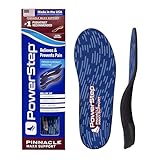
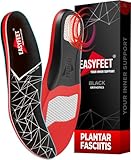
Pavement orthotic considerations: Address foot mechanics; reduce concrete impact; cushion components especially helpful; address arch issues; reduce plantar fasciitis. Many pavement walkers benefit: Especially with chronic foot pain; pre-existing foot conditions; high-mileage pavement workers. Worth investment: For chronic pavement exposure.
Plantar Fasciitis from Pavement
Pavement plantar fasciitis: Major issue. Pattern: Worse with pavement walking; first-step morning pain; gradually worsens during day. Treatment: Quality cushioned shoes; custom orthotics; pre-walk stretching; ice after walking; address underlying mechanics; sometimes injections; weight management.
Walking Workout on Pavement
Walking workouts: Often done on pavement. Considerations: Quality cushioned walking shoes; gradual progression; address developing foot pain; consider mixing surfaces (treadmill, trail, grass); replace shoes regularly. For chronic pavement workout pain: Consider alternative surfaces (treadmill, indoor track, grass) some days.
Heat and Cold Considerations
Hot pavement: Burns feet (especially barefoot – dangerous); affects foot fatigue; sometimes asphalt softens slightly. Cold pavement: Can cause cold feet; sometimes affects circulation; concrete particularly cold-conducting. For seasonal walking: Quality footwear addresses most issues; insulation in winter; breathable in summer.
When to See a Podiatrist
See us if: pavement walking foot pain persists more than 1-2 weeks; suspected plantar fasciitis from pavement; need orthotic evaluation; chronic conditions worsening from pavement exposure; need shoe recommendations for occupational pavement work; suspected stress fracture; chronic foot conditions affecting work. Same-week appointments at Balance Foot and Ankle. Schedule online.
Podiatrist-Recommended Products


Frequently Asked Questions About Foot Pain From Walking On Pavement
Why does walking on pavement hurt my feet?
Hardest common walking surface; minimal shock absorption; consistent impact every step; no terrain variation (repetitive stress); often urban environments require pavement walking; concrete harder than asphalt. Most associated with chronic foot conditions.
Is concrete or asphalt worse for feet?
CONCRETE generally harder. Concrete: hardest pavement surface; most demanding for feet; minimal give; common indoor/outdoor. Asphalt: slightly softer; more give in hot weather. Both demanding for foot health; concrete worse; either causes issues with prolonged exposure.
What shoes are best for walking on pavement?
Maximum cushion shoes: Hoka Bondi 8 (king of cushion); Hoka Clifton; Brooks Glycerin 21; New Balance 1080v13; Asics Gel-Nimbus 26. Quality construction; arch support; durable for daily wear. Replace regularly – pavement wears shoes faster.
How does pavement cause plantar fasciitis?
Hard impact stresses plantar fascia; chronic exposure causes inflammation; combined with inadequate footwear major cause. Treatment: quality cushioned shoes; custom orthotics; pre-walk stretching; ice after walking; address underlying mechanics.
Should I avoid walking on pavement?
NOT NECESSARILY but minimize damage. Quality footwear; orthotics if needed; mix surfaces when possible (treadmill, trail, grass some days); address developing pain promptly; replace shoes regularly. For chronic pain: consider alternatives.
Can I wear orthotics for pavement walking?
YES with pavement-appropriate orthotics. Address foot mechanics; reduce concrete impact; cushion components especially helpful; address arch issues; reduce plantar fasciitis. Many pavement walkers benefit, especially with chronic foot pain.
When should I see a podiatrist about pavement foot pain?
Pavement walking foot pain persists more than 1-2 weeks; suspected plantar fasciitis from pavement; need orthotic evaluation; chronic conditions worsening from pavement exposure; need shoe recommendations for occupational pavement work; suspected stress fracture.
Related Resources from Balance Foot & Ankle
Still Dealing With Foot Pain From Walking On Pavement?
Same-week appointments at Balance Foot & Ankle in Howell & Bloomfield Township, MI.
Book Your Appointment⚕ Doctor Recommended
Doctor Hoy’s Natural Pain ReliefTopical relief for foot & ankle pain
View Product →APMA: Foot Pain Relief and Activity-Related Causes
Ready to Get Relief?
Same-day appointments available in Howell & Bloomfield Township, MI
4.9★ | 1,123 Reviews | 3,000+ Surgeries
Or call: (810) 206-1402

Dr. Tom Biernacki, DPM is a board-certified foot & ankle surgeon (ABFAS & ABPM) at Balance Foot & Ankle Specialists in Southeast Michigan. With over a decade of clinical experience, he specializes in heel pain, bunions, diabetic foot care, sports injuries, and minimally invasive surgery. Dr. Biernacki is a member of the APMA and ACFAS, and his patient education content on MichiganFootDoctors.com and YouTube has made him one of the most-followed foot & ankle educators on YouTube.