
Medically reviewed by Dr. Tom Biernacki, DPM
Board-certified podiatric surgeon | Balance Foot & Ankle, Howell & Bloomfield Township, MI
Last reviewed: May 2026
| Stair Direction | Pain Location | Most Likely Diagnosis | Mechanism |
|---|---|---|---|
| Going DOWN (descending) | Front of ankle / top of foot | Anterior ankle impingement; extensor tendinitis | Forced dorsiflexion compresses anterior ankle joint |
| Going DOWN (descending) | Ball of foot (metatarsals) | Metatarsalgia; Morton’s neuroma | Impact load on forefoot during descent |
| Going UP (ascending) | Heel / arch | Plantar fasciitis; Achilles tendinopathy | Heel raise stretches plantar fascia and Achilles under load |
| Going UP (ascending) | Big toe joint (base) | Hallux rigidus; sesamoiditis | Push-off from bottom step loads 1st MTP in extension |
| Either direction | Inner ankle | Posterior tibial tendon dysfunction (PTTD) | Tendon loaded on both ascent (eccentric) and descent (concentric) |
| Either direction | Outer ankle / lateral foot | Peroneal tendinopathy; ankle instability | Lateral stabilization demand on each stair step |
| Either direction | Knee (but foot-driven) | Subtalar coalition; flat foot — pain propagates up chain | Abnormal foot mechanics transmitted to knee on stairs |
| Condition | Stair Modification | Treatment Direction |
|---|---|---|
| Plantar fasciitis | Lead with unaffected foot going up; step down carefully | Arch support; calf stretching; night splint |
| Hallux rigidus | Turn foot slightly out on push-off to reduce 1st MTP extension | Stiff-soled shoe; rocker sole; cortisone injection; possible surgery |
| Anterior ankle impingement | Descend sideways if severe; limit stair volume during flare | Anti-inflammatory; ankle mobilization; possible arthroscopic cleanup |
| PTTD (flat foot) | Use railing; brace medial ankle; avoid stairs in unsupportive shoes | Custom orthotic; PTTD brace; surgical reconstruction if advanced |
| Morton’s neuroma | Land forefoot softly; avoid running down stairs | Wide shoe; metatarsal pad; cortisone injection; excision |
| Achilles tendinopathy | Descend step over step (not sideways) to control load; use railing | Eccentric heel drop on step; load management; heel lift |
Quick answer: Foot Pain Stairs has multiple potential causes including mechanical, neurological, vascular, and inflammatory. The most common causes we identify are overuse, ill-fitting shoes, and biomechanical imbalance. Red flags requiring urgent evaluation: warmth/redness (infection), inability to bear weight (fracture), and unilateral swelling without injury (DVT). Call (810) 206-1402.
Medically Reviewed | Dr. Tom Biernacki, DPM | Board-Certified Podiatrist | Balance Foot & Ankle, Michigan

Watch: How to Cure Plantar Fasciitis in One Week? [FAST Heel Pain Relief!] — MichiganFootDoctors YouTube
The most important clinical decision with Foot Pain Stairs isn’t which treatment to start with — it’s identifying the correct subtype. That changes everything. Call (810) 206-1402.
Foot Pain Going Up Stairs: Quick Answer
Foot pain when climbing or descending stairs is a distinctive symptom pattern that helps identify specific conditions. We diagnose hundreds of stair-related foot pain cases monthly at Balance Foot and Ankle. Here are the 8 most common causes and proven solutions.
Why Stairs Trigger Specific Foot Pain
Stair climbing requires: increased push-off (loads forefoot, big toe joint); deep ankle dorsiflexion (bending toes up); increased calf and Achilles activation; eccentric quadriceps work (descending). Different from level walking: more force; greater range of motion; specific muscle activation patterns. This explains why certain conditions trigger stair-related pain that is absent during regular walking.
1. Hallux Limitus / Rigidus (Most Common)
Pattern: Big toe joint pain especially with PUSH-OFF going UP stairs. Mechanism: Stair climbing requires significant big-toe dorsiflexion at push-off; arthritic joint cant accommodate this motion. Treatment: Stiff-soled rocker shoes (Hoka Bondi, Brooks Beast); carbon fiber footplate ($60-$200); custom orthotics with Morton extension; NSAIDs; cortisone injection. Surgery for severe cases.
2. Achilles Tendinitis
Pattern: Pain at back of heel/lower calf with stair climbing. Mechanism: Stair climbing requires increased calf and Achilles activation. Treatment: Eccentric heel drops (Alfredson protocol); heel lifts; calf stretching; ice; supportive shoes. Avoid stair workouts during recovery.
3. Insertional Achilles Tendinitis
Pattern: Pain specifically at back of heel where Achilles attaches; worse with stair climbing. Different from mid-portion Achilles: requires modified treatment. Treatment: Heel lifts (1-1.5cm); modified eccentric exercises (flat surface, NOT off step); open-back shoes; stiff-soled supportive footwear.
4. Patellofemoral Pain (Knee Pain Affecting Foot)
Pattern: Knee pain especially DESCENDING stairs; sometimes presents as ankle/foot pain due to compensation. Treatment: Hip and quadriceps strengthening; custom orthotics if biomechanical contribution; supportive shoes; weight management. 50% of “knee pain” actually originates from weak hips.
5. Anterior Ankle Impingement
Pattern: Pain at FRONT of ankle when descending stairs (deep dorsiflexion). Mechanism: Bone spurs or scar tissue at front of ankle pinch with stair descent. Treatment: Heel lifts (reduce dorsiflexion at end-range); ankle bracing; physical therapy; cortisone injection; arthroscopic surgery for severe cases.
6. Plantar Fasciitis
Pattern: Heel pain especially with first stair after sitting; eases with continued movement. Treatment: Custom orthotics; daily stretching; supportive shoes; night splints. Avoid carrying heavy items up stairs during recovery.
7. Sesamoiditis
Pattern: Pain UNDER big toe joint with stair climbing push-off. Treatment: Stiff-soled rocker shoes; custom orthotic with sesamoid-relief cutout; ice; NSAIDs; possibly cortisone injection or walking boot for severe cases.
8. Quad Weakness (Eccentric Loading)
Pattern: Pain or instability descending stairs (eccentric quadriceps loading). Mechanism: Quadriceps must control body weight descending; weak quads cause altered loading patterns affecting feet/ankles. Treatment: Quadriceps strengthening; physical therapy; gradual return to stair activities; possibly knee bracing for severe cases.
Conservative Treatment Approach
Initial 4-6 weeks: Avoid unnecessary stairs; use elevator when possible; use handrail on necessary stairs; reduce single-leg loading. Address underlying cause: Custom orthotics if biomechanical contributors; appropriate shoes (rocker bottoms for big toe arthritis; stability for overpronators; cushion for impact issues); NSAIDs for inflammation; ice 15-20 minutes after stair activities.
When to See a Podiatrist
See us if: stair-related pain persists 4+ weeks; affects daily activities; visible foot deformity; recurring same-area pain; severe pain limiting walking; need for biomechanical evaluation. Same-week appointments at Balance Foot and Ankle. In-office gait analysis can identify mechanical contributors. Schedule online.
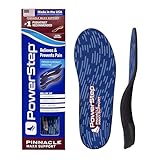
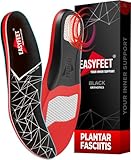
Podiatrist-Recommended Products


Frequently Asked Questions About Foot Pain Going Up Stairs
Why does my foot hurt going up stairs?
Most common: hallux limitus/rigidus (big toe arthritis – pain with push-off); Achilles tendinitis; sesamoiditis; plantar fasciitis. Specific patterns help identify cause.
Why does my foot hurt going DOWN stairs?
Common causes: anterior ankle impingement (front of ankle pinching with deep dorsiflexion); patellofemoral knee pain (often radiates to ankle/foot); quad weakness; insertional Achilles tendinitis.
Should I avoid stairs with foot pain?
During acute treatment phase: yes, avoid unnecessary stairs to allow healing. During recovery: gradual return to stairs as part of rehabilitation. Use handrail and elevator initially.
What shoes are best for foot pain on stairs?
For big toe arthritis: stiff-soled rocker shoes (Hoka Bondi, Brooks Beast) plus carbon fiber footplate. For Achilles: shoes with adequate heel lift. For overall: cushioned supportive shoes with custom orthotics.
Can custom orthotics help foot pain on stairs?
Yes for biomechanical causes: Morton extension for big toe arthritis; metatarsal pad for sesamoiditis; appropriate posting for overpronation/supination contributors.
Will hip exercises help my foot pain on stairs?
Yes if pain is from compensation patterns. Strong hips (especially abductors and external rotators) reduce knee and ankle stress during stair activities.
When should I see a podiatrist for stair-related foot pain?
See us if pain persists 4+ weeks despite shoe and activity modifications, recurring same-area pain, severe pain limiting daily activities, visible foot deformity, or need for biomechanical evaluation.
Related Resources from Balance Foot & Ankle
Still Dealing With Foot Pain Going Up Stairs?
Same-week appointments at Balance Foot & Ankle in Howell & Bloomfield Township, MI.
Book Your Appointment⚕ Doctor Recommended
Doctor Hoy’s Natural Pain ReliefTopical relief for foot & ankle pain
View Product →⚠️ Most Common Mistake: Ignoring persistent foot pain and continuing normal activity without evaluation. Early podiatric care prevents minor foot issues from becoming chronic, difficult-to-treat conditions.
Frequently Asked Questions
In-Office Treatment at Balance Foot & Ankle
If home treatment isn’t providing relief for your foot pain, our podiatry team at Balance Foot & Ankle can help with same-day evaluations and advanced in-office care.
Same-day appointments available. (810) 206-1402
🏥 Recommended by Dr. Biernacki — Foundation Wellness Products
These are the same products Dr. Biernacki recommends to his patients at Balance Foot & Ankle in Michigan. Available through our trusted partners.
Ready to Get Relief?
Same-day appointments available in Howell & Bloomfield Township, MI
4.9★ | 1,123 Reviews | 3,000+ Surgeries
Or call: (810) 206-1402

Dr. Tom Biernacki, DPM is a board-certified foot & ankle surgeon (ABFAS & ABPM) at Balance Foot & Ankle Specialists in Southeast Michigan. With over a decade of clinical experience, he specializes in heel pain, bunions, diabetic foot care, sports injuries, and minimally invasive surgery. Dr. Biernacki is a member of the APMA and ACFAS, and his patient education content on MichiganFootDoctors.com and YouTube has made him one of the most-followed foot & ankle educators on YouTube.