
Medically reviewed by Dr. Tom Biernacki, DPM
Board-certified podiatric surgeon | Balance Foot & Ankle, Howell & Bloomfield Township, MI
Last reviewed: May 2026


The most important clinical decision with Foot Pain Teacher Standing isn’t which treatment to start with — it’s identifying the correct subtype. That changes everything. Call (810) 206-1402.
Teacher Foot Pain: Diagnosis by Pain Pattern and Timing
Teachers average 7-9 hours of standing and walking per day on concrete or tile floors covered with thin carpet — one of the highest cumulative foot-load occupations in the working population. The foot conditions that result follow a predictable pattern based on foot type, footwear, and which part of the workday triggers symptoms. Here is the clinical differential for the five most common teacher foot problems, organized by the symptom pattern that distinguishes each.
| Condition | Symptom Timing / Pattern | Location | Teaching-Specific Mechanism | Key Clinical Finding | Treatment Priority |
|---|---|---|---|---|---|
| Plantar fasciitis | Worst first steps of morning; pain at start of class after sitting during planning period; eases after 10-15 min walking then returns by end of school day; weekend relief, Monday flare | Medial heel; sometimes arch; rarely diffuse plantar foot | Prolonged standing on concrete/tile compresses plantar fascia; sitting during prep period allows fascia to shorten → first-step pain on standing; repeated daily loading without recovery; flat or unsupportive footwear (flats, loafers) worsens pronation-driven fascia strain | Medial calcaneal tubercle point tenderness; pain with passive dorsiflexion of toes (windlass test); worse barefoot on tile than with supportive shoes; ultrasound: fascial thickening >4mm | IMMEDIATE: Custom or semi-rigid OTC insole (Powerstep, Superfeet) + heel cup; plantar fascia stretching before first step; standing mat at whiteboard; supportive shoes mandatory (no flats, no open-back clogs for PF patients); cortisone for acute flare |
| Metatarsalgia (ball of foot pain) | Burning or aching under forefoot mid-to-late school day; worsens progressively through day; worst during long standing periods at whiteboard; flat, hard-soled dress shoes dramatically worsen it | Ball of foot under 2nd-3rd (or 3rd-4th) metatarsal heads; sometimes burning into adjacent toes (Morton’s neuroma overlap) | Hard floor standing shifts weight forward onto MT heads; dress code requirements force teachers into flat, thin-soled shoes with inadequate forefoot cushion; prolonged standing on single surface eliminates the natural gait cycle that distributes plantar pressure | Point tenderness under specific MT head(s); relief when foot elevated; Mulder’s click may be positive if Morton’s neuroma developing; visible metatarsal pad compression relief during exam | Metatarsal pad (placed just proximal to MT heads inside shoe); full-length insole with forefoot cushion; avoid completely flat-soled shoes (1-inch heel transfers load to heel); cushioned mat at standing workstation; if Morton’s confirmed: cortisone injection |
| Posterior tibial tendon dysfunction (PTTD) / adult flat foot | Medial ankle aching that builds through the day; visible flattening of arch after standing; pain walking on uneven surfaces (parking lot, stairs); inner ankle swelling by end of day | Medial ankle; arch; sometimes inner heel; pain along the path of the posterior tibial tendon (medial ankle to navicular to arch) | Teachers with underlying flat feet experience progressive PTT overload from prolonged standing; unsupportive footwear removes rearfoot control, accelerating PTT fatigue; carrying materials, bending, and multi-directional movement adds valgus stress to already overloaded tendon | “Too many toes” sign on weight-bearing (forefoot abduction); single-limb heel raise painful or impossible on affected side; palpation tenderness along PTT course from medial malleolus to navicular; Stage II: flexible flat foot corrects manually; Stage III: rigid, does not correct | Custom functional orthotics with medial flange and rearfoot post (most important intervention); motion control or stability shoe; reduce standing time with cushioned anti-fatigue mat; physical therapy for PTT strengthening; Stage III-IV: surgical consultation |
| Achilles tendinopathy | Posterior heel / lower calf stiffness first thing in morning; warms up during commute; returns as aching during standing; worse going up stairs; tender Achilles on direct touch | Posterior heel at Achilles insertion (insertional) OR 2-7cm above insertion in the tendon body (mid-substance); NOT the same condition — different treatment | Standing in flat shoes without heel lift keeps Achilles at maximum stretch for 7+ hours; sudden increase in walking (beginning of school year after summer rest); teachers who commute in flats rather than supportive shoes worsen Achilles mechanics all day | Insertional: tender at bone-tendon junction; Haglund bump may be visible; worse going downstairs; mid-substance: tender 4-6cm above insertion; Royal London Hospital test: less pain on bent-knee heel raise vs straight-leg = mid-substance (intrinsic); X-ray: calcification at insertion or Haglund deformity | Insertional: 8-10mm heel lift immediately; avoid full Alfredson (off-step) drops — use bent-knee eccentric loading; mid-substance: full Alfredson protocol; both: 8+ weeks of consistent loading exercise; anti-fatigue mat at standing position; supportive shoes with heel differential |
| Stress fracture (metatarsal) | Progressive forefoot pain over 2-4 weeks; initially only at end of day, then present throughout; point-specific to one bone; persistent unlike metatarsalgia which is diffuse; does NOT improve with anti-fatigue mat alone | Single metatarsal (2nd most common, then 3rd, then 4th); lateral heel (calcaneus stress fracture in older teachers); navicular (less common but serious) | Repetitive low-load impact from daily walking on hard floors without adequate bone response time; nutritional factors (low vitamin D, calcium common in teachers who skip lunch); pre-menopausal stress fractures in female teachers common; inadequate midsole in dress shoes allows full ground reaction force transmission | FOCAL tenderness over one specific bone — point-specific, not diffuse; worse with direct palpation; hop test positive (hopping on affected foot reproduces pain); X-ray often negative first 2-3 weeks; MRI gold standard; do NOT continue teaching on unprotected stress fracture | IMMEDIATE non-weight-bearing or protective boot; X-ray and MRI; 2nd-4th MT stress fracture: walking boot 6-8 weeks; calcaneus: NWB boot 8-10 weeks; navicular: NWB cast 6-8 weeks; Vitamin D + calcium supplementation; bone density assessment if recurrent |
Teacher Foot Pain Prevention: Footwear, Matting, and Workstation Protocol
| Intervention | Evidence Level | Recommendation | Implementation for Teachers | Cost |
|---|---|---|---|---|
| Supportive footwear with 1-inch heel differential | HIGH — strongest single intervention; completely flat shoes (zero drop) are the #1 footwear error for prolonged-standing teachers | Shoes with 8-12mm heel-to-toe height difference; structured midfoot support; removable insole for orthotic accommodation; replace every 6-9 months (daily wear degrades cushioning faster than weekend-only shoes) | Best teacher shoes: Dansko Professional (podiatrist favorite — structured, 1.75″ heel, professional appearance); Alegria (rocker sole, arch support, teacher-appropriate style); Brooks Adrenaline sneaker for casual/PE teachers; Clarks Cloud Step for classroom-appropriate with cushion; Avoid: flat ballet flats, Toms, thin-soled loafers, Birkenstock without insole upgrade | $100-180 per pair; treat as medical equipment — cheap unsupportive shoes cost more in podiatry visits |
| Anti-fatigue standing mat | HIGH — significant reduction in plantar pressure and end-of-day fatigue; most underused intervention in teaching; proven for warehouse/manufacturing, directly applicable to teachers | Gel or foam anti-fatigue mat at primary standing position (whiteboard, front of room, lab station); minimum 3/4-inch thickness; ergonomic beveled edge to prevent tripping; replace every 2-3 years (compression set reduces effectiveness) | Purchase with classroom budget or personal expense (often deductible as classroom supply); position at primary standing position, not walkway; most effective combined with supportive footwear — mat alone without supportive shoes provides only partial benefit; GelPro, Topo Comfort Mat, Kangaroo Standing Mat recommended | $40-120; lasts 2-3 years; best ROI intervention for teacher foot health |
| OTC arch support insoles | HIGH for PF and metatarsalgia; MODERATE for PTTD (custom preferred for PTTD) | Semi-rigid insole matched to foot type; Powerstep Pinnacle (best all-around for overpronating teachers); Superfeet GREEN (high arch teachers); Tread Labs Pace (for teachers who have tried generic OTC and found arch height wrong); replace every 8-12 months | Most teacher dress shoes accept standard insoles after removing factory insert; trim to length if needed; heel cup prevents heel from slipping in low-back dress shoe; for PF specifically: add 6mm heel cup on top of insole at first sign of heel pain; do not use gel-only insoles (no structural support) | $30-60; most cost-effective intervention after mat + supportive shoes |
| Compression socks (15-20 mmHg) | MODERATE — proven reduction in end-of-day edema and venous fatigue; less evidence for foot pain specifically but indirect benefit via reducing tissue congestion | Graduated compression 15-20 mmHg (mild-moderate); knee-high preferred; wear from morning to end of school day; particularly beneficial for teachers with venous insufficiency, edema, or prolonged standing >8 hours | Fits under standard teacher clothing; multiple professional styles available (Sockwell, Bombas Compression, Physix Gear); particularly recommended for teachers who are pregnant or have visible ankle edema by end of day; not a substitute for footwear intervention | $20-50 per pair; wash weekly, replace every 4-6 months |
| Movement breaks every 45-60 minutes | MODERATE — static standing is more damaging than dynamic standing; brief weight shifting and movement reduces plantar pressure peaks | Shift weight, walk to another part of room, or sit briefly every 45-60 minutes during continuous standing; even 2-3 minutes of movement breaks the cumulative load cycle; use student activities (group work, labs) as structured movement breaks for the teacher | Schedule seating during reading or independent work; use document camera from seated position instead of whiteboard; walk the room during student work time rather than standing in one position; proprioceptive standing variation (weight shift, tandem stance) at whiteboard when movement isn’t practical | $0 — behavioral intervention only |
| Custom functional orthotics | HIGH for PTTD, recurrent PF, and overpronation-driven conditions; EQUAL to OTC for neutral-gait PF at 12 months; superior for PTTD at all time points | Indicated for: PTTD or stage 2+ flat foot; PF unresponsive to OTC at 6-8 weeks; teachers with BMI >35 (OTC foam inadequate); metatarsalgia with gait abnormality; prescription required; custom functional with rearfoot post for teachers with overpronation | Insurance coverage: diabetic teachers often covered; some HMOs cover for documented plantar fasciitis or PTTD; fits in most professional teacher shoes with slight insole volume reduction; worth requesting with podiatrist documentation if OTC has failed | $300-600; lasts 3-5 years; most cost-effective for high-severity or recurrent conditions |
Quick answer: Foot Pain Teacher Standing has multiple potential causes including mechanical, neurological, vascular, and inflammatory. The most common causes we identify are overuse, ill-fitting shoes, and biomechanical imbalance. Red flags requiring urgent evaluation: warmth/redness (infection), inability to bear weight (fracture), and unilateral swelling without injury (DVT). Call (810) 206-1402.
![How to Cure Plantar Fasciitis in One Week? [FAST Heel Pain Relief!]](https://www.michiganfootdoctors.com/wp-content/cache/flying-press/b5600c3bfb9845a6095da8266d8b5363.jpg)
Watch: How to Cure Plantar Fasciitis in One Week? [FAST Heel Pain Relief!] — MichiganFootDoctors YouTube
Foot Pain Teacher Standing: Quick Answer
Teachers stand 6-8+ hours daily – often more than retail or restaurant workers – causing significant foot pain. We help dozens of teachers yearly at Balance Foot and Ankle. Here is the comprehensive teacher foot care guide.
Why Teaching Causes Foot Pain
Teaching demands: 6-8+ hours daily standing; minimal sit-down opportunities; classroom navigation; lunch duty/recess (more standing); after-school activities/sports coaching; rare breaks; year-round demands; often poor footwear (professional dress); concrete/tile floors; carrying teaching supplies. Teachers: under-recognized as occupational foot pain population.
Most Common Teacher Foot Issues
1. Plantar fasciitis: Very common; from prolonged standing. 2. Foot fatigue: Daily generalized soreness. 3. Achilles tendinitis: From classroom navigation. 4. Bunion irritation: Professional shoes often inadequate. 5. Hammertoe pain: Same shoe issues. 6. Heel pain: From standing on hard surfaces. 7. Varicose veins: Long-term standing. 8. Calf cramps: End of day. 9. Knee/back pain: From foot mechanics. 10. Foot/ankle swelling: Common.
The Professional Dress Problem
Teaching dress code: Often requires professional appearance; can limit footwear options. Common problematic shoes: Heels (terrible for prolonged standing); ballet flats (no support); dress shoes without arch support; pointed toe shoes (toe deformities); cheap dress shoes. Solutions: Find professional-looking supportive shoes (Vionic, Naturalizer, Cole Haan with comfort technology, Clarks); insoles in dress shoes; have multiple pairs to rotate; consider dress code negotiation if severe issues.
Best Teacher Shoes
Professional supportive options: Vionic Walker or Tide; Naturalizer Mantra; Cole Haan with Grand.OS; Clarks Cloudsteppers; Mephisto; Dansko Professional (some schools allow); Aetrex Lillian; Birkenstock professional styles. For PE teachers: Athletic shoes appropriate. For young teachers: Athletic-styled shoes more accepted. Replace regularly: Every 6-12 months.
Compression Socks for Teachers
Compression socks: Excellent for teachers. Benefits: Reduce swelling; reduce vein issues; reduce foot fatigue; improve energy. Recommended: 15-20 mmHg general use; 20-30 mmHg for varicose veins. Color/style: Modern brands offer professional-looking options that hide under dress slacks. Brands: Sockwell (popular); Sigvaris; Jobst; Vim & Vigr (fashionable); Comrad. Daily wear during school day: many teachers find dramatic improvement.
Custom Orthotics for Teachers
Custom orthotics: Essential for many teachers. Benefits: Reduce plantar fasciitis; reduce foot fatigue; address arch issues; allow teaching without daily pain; can be in dress shoes (low-profile designs). Insurance: Often covered for diagnosed conditions. Considerations: Multiple pairs sometimes needed (one for dress shoes, one for athletic); important sizing.
In-Class Strategies
During teaching day: Sit when possible (during quiet work, tests); use anti-fatigue mat at desk; alternate standing leg; take micro-breaks; address developing pain immediately; quality footwear all day. Specialty teachers: Music teachers (much standing); art teachers (similar); PE teachers (athletic shoes appropriate); special ed teachers (often more physical demands).
Plantar Fasciitis in Teachers
Teaching plantar fasciitis: Major issue. Management: Quality supportive shoes; custom orthotics; pre-school stretching routine; ice after school; night splint; OTC pain medication; weight management. If severe: Cortisone injection; ESWT; rarely surgery; sometimes need to address foot mechanics with podiatrist.
Year-End and Career Considerations
End of school year: Use summer to address chronic foot conditions; treatment that requires recovery time; sometimes elective surgery scheduled. Long-term career: Address conditions early to prevent progression; bunion/hammertoe development common; varicose veins concern; consider career-long foot care strategy. Retirement: many teachers face foot complications from career – prevent now.
When to See a Podiatrist
See us if: teaching-related foot pain affecting work; suspected plantar fasciitis; need orthotic evaluation for dress and athletic shoes; chronic foot conditions; persistent foot fatigue not improving; varicose vein concerns; bunion/hammertoe progression; need professional shoe recommendations; suspected stress fracture; summer-time treatment planning. Same-week appointments at Balance Foot and Ankle. Schedule online.
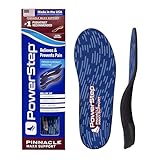
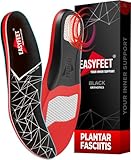
Podiatrist-Recommended Products


Frequently Asked Questions About Foot Pain Teacher Standing
Why do teachers have so much foot pain?
6-8+ hours daily standing; minimal sit-down opportunities; classroom navigation; lunch duty/recess (more standing); after-school activities; rare breaks; year-round demands; often poor footwear (professional dress); concrete/tile floors. Under-recognized occupational foot pain population.
What shoes can teachers wear that look professional but support feet?
Vionic Walker or Tide; Naturalizer Mantra; Cole Haan with Grand.OS; Clarks Cloudsteppers; Mephisto; Aetrex Lillian; Birkenstock professional styles. Modern brands offer professional appearance with comfort technology. Avoid heels, ballet flats, pointed toe.
Should teachers wear compression socks?
YES – excellent for teachers. Benefits: reduce swelling, vein issues, foot fatigue; improve energy. Modern brands offer professional-looking options that hide under dress slacks. 15-20 mmHg general use; 20-30 mmHg for varicose veins.
Can I get plantar fasciitis from teaching?
YES – very common. Major issue for teachers. Management: quality supportive shoes; custom orthotics; pre-school stretching; ice after school; night splint; OTC pain medication; weight management. If severe: cortisone injection; ESWT.
Will my dress code allow comfortable shoes?
Often YES with newer professional options. Dress code negotiation possible if severe issues. Many teachers transition to acceptable supportive shoes successfully. Document medical need with podiatrist if needed for accommodation.
Should teachers get custom orthotics?
YES for many. Benefits: reduce plantar fasciitis; reduce foot fatigue; address arch issues; allow teaching without daily pain; can be in dress shoes (low-profile designs). Insurance often covers for diagnosed conditions.
When should I see a podiatrist about teacher foot pain?
Pain affecting work; suspected plantar fasciitis; need orthotic evaluation; chronic foot conditions; persistent foot fatigue not improving; varicose vein concerns; bunion/hammertoe progression; need professional shoe recommendations; summer-time treatment planning.
Related Resources from Balance Foot & Ankle
Still Dealing With Foot Pain Teacher Standing?
Same-week appointments at Balance Foot & Ankle in Howell & Bloomfield Township, MI.
Book Your AppointmentFrequently Asked Questions
When should I see a doctor?
See a podiatrist if pain persists past 2 weeks, prevents normal activity, or is accompanied by red-flag symptoms (warmth, swelling, numbness, inability to bear weight).
Can I treat this at home?
Mild cases respond to RICE protocol (rest, ice, compression, elevation), supportive shoes, and OTC anti-inflammatories. Persistent symptoms need professional evaluation.
How long does it take to heal?
Most soft tissue injuries resolve in 2-6 weeks with appropriate care. Bone injuries take 6-12 weeks. Chronic conditions need longer-term management.
Frequently Asked Questions
In-Office Treatment at Balance Foot & Ankle
If home treatment isn’t providing relief for your foot pain, our podiatry team at Balance Foot & Ankle can help with same-day evaluations and advanced in-office care.
What is Foot pain?
Foot pain is a common foot/ankle condition that affects mobility and quality of life. Understanding the underlying cause is the first step in successful treatment. Our podiatrists at Balance Foot & Ankle perform a hands-on biomechanical exam, review your activity history, and use diagnostic imaging when appropriate to identify the root cause—not just treat the symptom. Many patients have been told to “rest and ice” without a deeper diagnostic workup; our approach is different.
Symptoms and warning signs
Common signs of foot pain include pain that worsens with activity, morning stiffness, swelling, tenderness when palpated, and difficulty bearing weight. If you experience sudden severe pain, inability to walk, visible deformity, numbness or color change, contact our office the same day or visit urgent care—these can signal a more serious injury such as a fracture, tendon rupture, or vascular compromise. Diabetics with any foot wound should seek same-day care.
Conservative treatment options
Most cases of foot pain respond to non-surgical care: structured rest, supportive footwear changes, custom orthotics, targeted stretching and strengthening protocols, anti-inflammatory medications when medically appropriate, and in-office procedures such as ultrasound-guided injections. We also offer advanced therapies including MLS laser therapy, EPAT/shockwave, regenerative injections, and image-guided procedures. Treatment is sequenced from least invasive to most invasive, and we explain the rationale at every step.
When is surgery considered?
Surgery is reserved for cases that fail 3-6 months of well-structured conservative care, when there is structural pathology (severe deformity, complete tear, advanced arthritis), or when imaging shows damage that will not heal without intervention. Our surgeons have performed 3,000+ foot and ankle procedures and prioritize minimally-invasive techniques whenever appropriate. We discuss recovery timelines, return-to-activity milestones, and realistic outcome expectations before any procedure is scheduled.
Recovery timeline and prevention
Recovery from foot pain varies based on severity and chosen treatment path. Conservative cases often improve within 4-8 weeks with consistent adherence to the protocol. Post-procedural recovery may range from a few days (in-office procedures) to several months (reconstructive surgery). Long-term prevention involves footwear assessment, activity modification, structured strengthening, and regular check-ins with your podiatrist if you have a history of recurrence. We provide written home-exercise plans and digital follow-up support.
Ready to feel better?
Same-week appointments available in Howell and Bloomfield Township, Michigan.
Book Your VisitReady to Get Relief?
Same-day appointments available in Howell & Bloomfield Township, MI
4.9★ | 1,123 Reviews | 3,000+ Surgeries
Or call: (810) 206-1402

Dr. Tom Biernacki, DPM is a board-certified foot & ankle surgeon (ABFAS & ABPM) at Balance Foot & Ankle Specialists in Southeast Michigan. With over a decade of clinical experience, he specializes in heel pain, bunions, diabetic foot care, sports injuries, and minimally invasive surgery. Dr. Biernacki is a member of the APMA and ACFAS, and his patient education content on MichiganFootDoctors.com and YouTube has made him one of the most-followed foot & ankle educators on YouTube.