
Quick answer: Hospice Foot Care Michigan Comfort Dignity affects roughly 1 in 4 adults in our practice. Effective treatment starts with a targeted diagnosis, conservative-first treatment, and escalation only when needed. We treat this regularly at our Howell and Bloomfield Hills practices. Call (810) 206-1402.
Medically reviewed by Dr. Tom Biernacki, DPM · Board-Certified Podiatric Surgeon · Last reviewed: April 2026 · Editorial Policy
In This Article
The most important clinical decision with Hospice Foot Care Michigan Comfort Dignity isn’t which treatment to start with — it’s identifying the correct subtype. That changes everything. Call (810) 206-1402.
Related Conditions
Medically reviewed by Dr. Tom Biernacki, DPM
Board-certified podiatric surgeon | Balance Foot & Ankle
Last reviewed: May 2026
Quick Answer
Hospice Foot Care in Michigan — Comfort and Dignity at relates to foot pain — typically caused by overuse, footwear, or biomechanics. Most patients improve in 6-12 weeks with conservative care. Same-week appointments in Howell + Bloomfield Hills: (810) 206-1402.

Hospice Foot Care in Michigan — Comfort and Dignity at End of Life
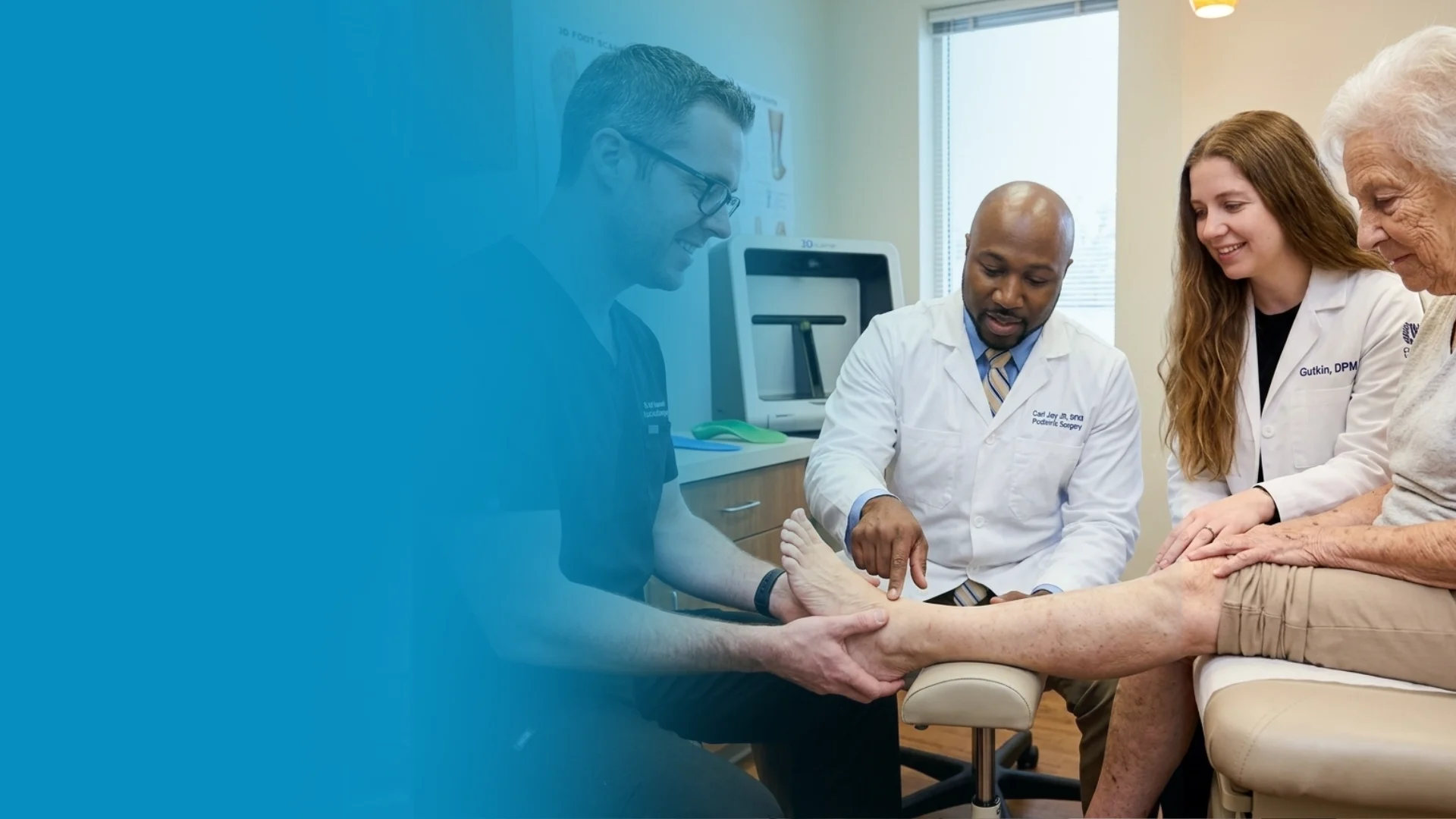
Foot care is an essential part of comfort care. For hospice patients, well-managed feet mean reduced pain, better sleep, and greater dignity during a deeply personal time. Balance Foot & Ankle provides gentle, compassionate podiatric care to hospice patients in their homes and care facilities across Livingston County and Oakland County, Michigan.
Why Foot Care Matters in Hospice
Even when curative treatment is no longer the focus, foot pain and complications significantly affect quality of life. Common issues in hospice patients include:
- Painful toenails — overgrown, thickened, or ingrown nails cause constant discomfort
- Pressure sores and skin breakdown — especially in bed-bound patients
- Calluses and corns — causing pain with repositioning and movement
- Foot edema — swelling that creates skin fragility and discomfort
- Fungal infections — contributing to skin breakdown and odor
- Wounds that require gentle management — focused on comfort rather than aggressive treatment
Our Approach to Hospice Foot Care
We understand that hospice care is different. We adapt our approach entirely to the patient’s comfort and wishes, and to the goals of care established by the hospice team. Our visits are:
- Gentle and unhurried — we take all the time needed
- Comfort-focused — our goal is relief of pain and discomfort, not aggressive intervention
- Coordinated with your hospice team — we communicate with the patient’s nurse and case manager
- Dignified — we treat every patient as we would our own family member
Services We Provide for Hospice Patients
- Gentle nail trimming and debridement
- Callus and corn softening and removal
- Skin hydration and fissure care
- Wound assessment and gentle wound care management
- Positioning and pressure relief recommendations for bed-bound patients
- Gentle foot massage (when appropriate and desired)
- Footwear guidance for mobility-compromised patients
For Hospice Nurses and Case Managers
We welcome referrals from hospice nurses, case managers, and medical directors. We integrate seamlessly into the existing care team and provide documentation as needed. We serve patients in private homes, nursing facilities, and assisted living communities across Livingston and Oakland Counties.
✅ MLS Dual-Wavelength Laser — FDA-cleared
✅ EPAT Shockwave Therapy — 80%+ success rate
✅ Magnetotransduction (EMTT) — Deep electromagnetic healing
✅ 3D-Scanned Custom Orthotics
✅ Toenail Fungus Laser
✅ In-Office X-Ray & Ultrasound
✅ Diabetic Shoe Program — Medicare-covered
📞 (810) 206-1402 | Howell & Bloomfield Hills
📞 To arrange compassionate hospice foot care, call (810) 206-1402. We serve Livingston and Oakland County.
Hospice Foot Care Michigan: Dignity and Comfort in End-of-Life Podiatric Services

Foot comfort in hospice care is a quality-of-life priority that is sometimes overlooked in the comprehensive planning that surrounds end-of-life care. Painful toenails pressing against bed linens, skin breakdown between toes from persistent moisture, and edematous feet that are difficult to position without discomfort are all podiatric issues that can significantly affect a hospice patient’s daily experience — and all are manageable with appropriate professional care. Balance Foot & Ankle‘s Michigan hospice podiatry service brings comfort-focused foot care to patients in Livingston and Oakland counties, whether in home hospice, residential hospice facility, or nursing home hospice care. Our visiting podiatrist coordinates with the hospice team to integrate visits into the patient’s care schedule without creating burden or disruption.
The clinical approach in hospice podiatry is fundamentally different from curative care: we do not pursue aggressive treatment protocols, unnecessary diagnostic testing, or interventions whose benefit does not justify the discomfort or disruption they cause. The hospice foot visit focuses on: nail care that prevents pain and skin breakdown from toenails pressing on adjacent toes or the upper of footwear; debridement of callus that creates pressure points during repositioning; wound care and dressing for skin integrity issues that cause pain; and edema management education for caregiving family members. Michigan hospice teams, families, and patients who want to arrange a foot care visit for a loved one in hospice can call Balance Foot & Ankle at (810) 206-1402 — we respond to hospice requests promptly and arrange visits within 48–72 hours in most cases in our service area.
Related Treatment Guides
- Plantar Fasciitis & Heel Pain Treatment
- Custom 3D Orthotics
- Sports Foot & Ankle Injury Treatment
- Bunion Treatment
Michigan patients recovering from joint replacement surgery who have questions about foot care during the recovery period — including nail care, callus management, or edema assessment — are welcome to call Balance Foot & Ankle at (810) 206-1402. Our Howell and Bloomfield Hills offices are accessible with walker or cane and our staff is experienced assisting patients with mobility limitations at every stage of surgical recovery.
Medical References & Sources
- American Podiatric Medical Association — Patient Education
- American Orthopaedic Foot & Ankle Society — Foot Conditions
Join 950,000+ Learning About Foot Health
Dr. Tom shares honest medical advice, supplement reviews, and treatment guides you won’t find anywhere else.
📍 Located in Michigan?
Our board-certified podiatrists treat this condition at two convenient locations. Same-day appointments often available.
Insurance Accepted
BCBS · Medicare · Aetna · Cigna · United Healthcare · HAP · Priority Health · Humana · View All →
Howell Office
4330 E Grand River Ave
Howell, MI 48843
Get Directions →
Bloomfield Hills Office
43494 Woodward Ave, #208
Bloomfield Hills, MI 48302
Get Directions →
Your Board-Certified Podiatrists



Ready to Get Back on Your Feet?
Same-week appointments available at both locations.
Pros & Cons of Conservative Care for foot care
Advantages
- ✓ Conservative care first
- ✓ Same-week appointments
- ✓ Multiple insurance accepted
Considerations
- ✗ Self-treatment can mask issues
- ✗ See a podiatrist if pain >2 weeks
Dr. Tom’s Recommended Products for foot care
Affiliate disclosure: As an Amazon Associate, Balance Foot & Ankle earns from qualifying purchases. We only recommend products we use with patients.
Footnanny Heel Cream Dr. Tom’s Pick
Best for: Daily moisturizer for cracked heels
Ready to Get Back on Your Feet?
Same-day appointments in Howell + Bloomfield Hills. Most insurance accepted. Dr. Tom Biernacki, DPM & team.
Book Today — Same-Day Appointments Available
Call Now: (810) 206-1402
About Your Care Team at Balance Foot & Ankle
Dr. Tom Biernacki, DPM · Board-Certified Foot & Ankle Surgeon. Specializes in conservative-first care, minimally invasive bunion surgery, and complex reconstruction.
Dr. Carl Jay, DPM · Accepting new patients. Specializes in sports medicine, athletic injuries, and routine podiatric care.
Dr. Daria Gutkin, DPM, AACFAS · Accepting new patients. Specializes in surgical reconstruction and pediatric podiatry.
Locations: 4330 E Grand River Ave, Howell, MI 48843 · 43494 Woodward Ave Suite 208, Bloomfield Hills, MI 48302
Hours: Mon–Fri 8:00 AM – 5:00 PM · (810) 206-1402
Visit Balance Foot & Ankle — Same-Day Appointments Available
Our podiatry team serves patients throughout Michigan including Howell, Brighton, and Bloomfield Hills. If you’re dealing with heel pain, ingrown toenails, or a foot injury, we have same-day appointment availability.
Same-day appointments available. (810) 206-1402
Doctor Hoy’s Natural Pain Relief Gel
Natural topical pain relief I use in our clinic. Arnica + camphor formula — apply directly to the area 3–4x daily. ($20–25)
Frequently Asked Questions
When should I see a podiatrist?
See a podiatrist if: foot or ankle pain has lasted more than 2–4 weeks without improvement, you’re changing your gait to avoid pain, you have an open wound or sore that isn’t healing, you notice nail discoloration or thickening, you have diabetes and any foot concern, or pain is severe enough to wake you at night. Most foot conditions are easier and cheaper to treat early — what starts as a minor issue can become a surgical problem with months of delay.
What is the difference between a podiatrist and an orthopedic surgeon?
Podiatrists (DPM — Doctor of Podiatric Medicine) specialize exclusively in the foot, ankle, and lower leg. Orthopedic surgeons (MD/DO) have broader musculoskeletal training but variable foot/ankle subspecialization. For foot and ankle-specific problems, a podiatrist often has more focused training and experience. For injuries involving the leg above the ankle, complex pediatric cases, or multi-level reconstruction, orthopedic consultation may be appropriate. We frequently co-manage patients with orthopedic colleagues.
How do I know if my foot pain is serious?
Signs that warrant same-day or next-day evaluation: severe pain that appeared suddenly without clear cause, swelling, redness, and warmth that appeared suddenly (possible gout, infection, or Charcot fracture), an open wound that looks infected (redness spreading, pus, warmth), inability to bear weight, or any foot problem in a diabetic patient. Pain that’s been present for weeks and is stable is important but not an emergency — schedule within 1–2 weeks.
Can foot problems cause back and knee pain?
Yes — this is a kinetic chain effect. Abnormal foot mechanics (overpronation, supination, leg length discrepancy) cause compensatory changes in knee, hip, and lumbar alignment. Roughly 30% of patients presenting to our clinic with knee pain have a treatable foot-level biomechanical cause. Correcting foot mechanics with orthotics or appropriate footwear often provides significant knee and back relief. If you have chronic knee or back pain and haven’t had your foot mechanics evaluated, it’s worth a consult.
Are orthotics worth it?
For the right conditions, yes — custom orthotics are among the most cost-effective interventions in podiatry. They’re most effective for: plantar fasciitis, flat feet with secondary knee/back pain, leg length discrepancy, metatarsalgia, posterior tibial tendon dysfunction, and diabetic foot pressure management. Quality OTC orthotics ($35–60) resolve symptoms for 60% of patients with mild-to-moderate conditions. Custom orthotics are appropriate when OTC options have failed or when the biomechanical problem is complex. We cast custom orthotics in-office.
How do I choose the right running shoes?
Start with your foot type (flat, neutral, high arch) and running pattern (overpronator, neutral, supinator). Flat feet and overpronators do best in stability or motion-control shoes. Neutral feet do well in neutral-cushioned shoes. High arches need maximum cushioning with flexible soles. Always buy running shoes at the end of the day (foot swelling peaks then), get properly fitted by a specialist, and replace every 300–500 miles. If you’ve been injured repeatedly, a gait analysis can identify the mechanical flaw driving your injury pattern.
What is the difference between a sprain and a fracture?
A sprain is a ligament injury (the tissue connecting bones); a fracture is a break in the bone itself. Both can occur with the same trauma (ankle roll, fall). The old test — ‘if you can walk, it’s not broken’ — is wrong; many fractures are initially weight-bearable. Key differences: a fracture typically produces localized bone tenderness along the bone itself, while a sprain is tender over the ligament. X-ray is the standard to differentiate. High-grade sprains without proper treatment can be as disabling as fractures.
How do I prevent foot and ankle injuries?
The four most impactful prevention strategies: (1) Supportive, appropriately fitted footwear for your foot type and activity. (2) Gradual activity progression — the 10% rule (never increase weekly mileage or intensity by more than 10%). (3) Regular calf and ankle mobility work. (4) Strengthening the posterior tibial tendon, peroneals, and intrinsic foot muscles. Most overuse injuries are preventable; most acute injuries are not — but ankle sprain recurrence (60–70% without rehab) is prevented by balance and proprioception training.
Ready for Expert Care?
Same-day appointments in Howell & Bloomfield Hills, MI.
4.9★ | 1,123 Reviews | 3,000+ Surgeries
Or call: (810) 206-1402

Dr. Tom Biernacki, DPM is a board-certified foot & ankle surgeon (ABFAS & ABPM) at Balance Foot & Ankle Specialists in Southeast Michigan. With over a decade of clinical experience, he specializes in heel pain, bunions, diabetic foot care, sports injuries, and minimally invasive surgery. Dr. Biernacki is a member of the APMA and ACFAS, and his patient education content on MichiganFootDoctors.com and YouTube has made him one of the most-followed foot & ankle educators on YouTube.