
Medically reviewed by Dr. Tom Biernacki, DPM
Board-certified podiatric surgeon | Balance Foot & Ankle, Howell & Bloomfield Township, MI
Last reviewed: May 2026

Quick answer: Kohler Disease Navicular is a clinical condition that responds to evidence-based treatment when caught early. Symptoms include pain, swelling, and altered function. Diagnosis requires clinical exam, often imaging. Treatment ladder: conservative care first (4-6 weeks), then targeted interventions if needed. Call (810) 206-1402.
The most important clinical decision with Kohler Disease Navicular isn’t which treatment to start with — it’s identifying the correct subtype. That changes everything. Call (810) 206-1402.
What Is Köhler Disease?
Köhler disease (Köhler’s disease) is avascular necrosis of the tarsal navicular in young children. The navicular ossification center undergoes temporary ischemia (loss of blood supply) during a critical developmental period, causing the bone to collapse and flatten. It predominantly affects boys (4:1 ratio) between ages 3–7, typically unilaterally. Despite dramatic X-ray appearance, Köhler disease is self-limiting and resolves completely in the majority of cases — the navicular reossifies and regains normal shape over 12–24 months.
Symptoms and Diagnosis
Symptoms: limp, inner midfoot pain (over the navicular), antalgic gait with child walking on the outer edge of the foot to avoid pressure on the navicular. Tenderness with direct palpation over the navicular on the inner midfoot. X-ray shows a flattened, sclerotic, irregularly calcified navicular — appearing “squished.” The diagnosis is clinical and radiographic — there are no specific blood tests. The patchy X-ray appearance is dramatic and may alarm parents, but the prognosis is excellent.
Treatment
Treatment is symptomatic and supportive: arch-supportive insole or orthotic to reduce navicular loading, activity modification to comfort, and reassurance that the condition resolves completely. A short period of walking boot immobilization (4–6 weeks) may be used for significant symptoms to accelerate pain resolution and allow normal activity sooner. No surgical intervention is required. Parents should be counseled that X-ray appearance does not correlate with severity or prognosis — the bone remodels completely in almost all cases.
In-Office Treatment at Balance Foot & Ankle
If home treatment isn’t providing relief for your foot and ankle conditions, our podiatry team at Balance Foot & Ankle can help with same-day evaluations and advanced in-office care.
Frequently Asked Questions
Does Köhler disease cause permanent problems? No. The navicular reossifies completely and remodels to normal shape in the majority of children. Long-term studies show no significant difference in foot function or X-ray appearance compared to the unaffected side at 5–10 year follow-up.
Is Köhler disease the same as Freiberg disease? No. Both are osteochondroses (avascular necrosis of a foot bone) but affect different bones and ages. Köhler disease affects the navicular in young children. Freiberg disease affects the metatarsal head (usually 2nd) in adolescent females.
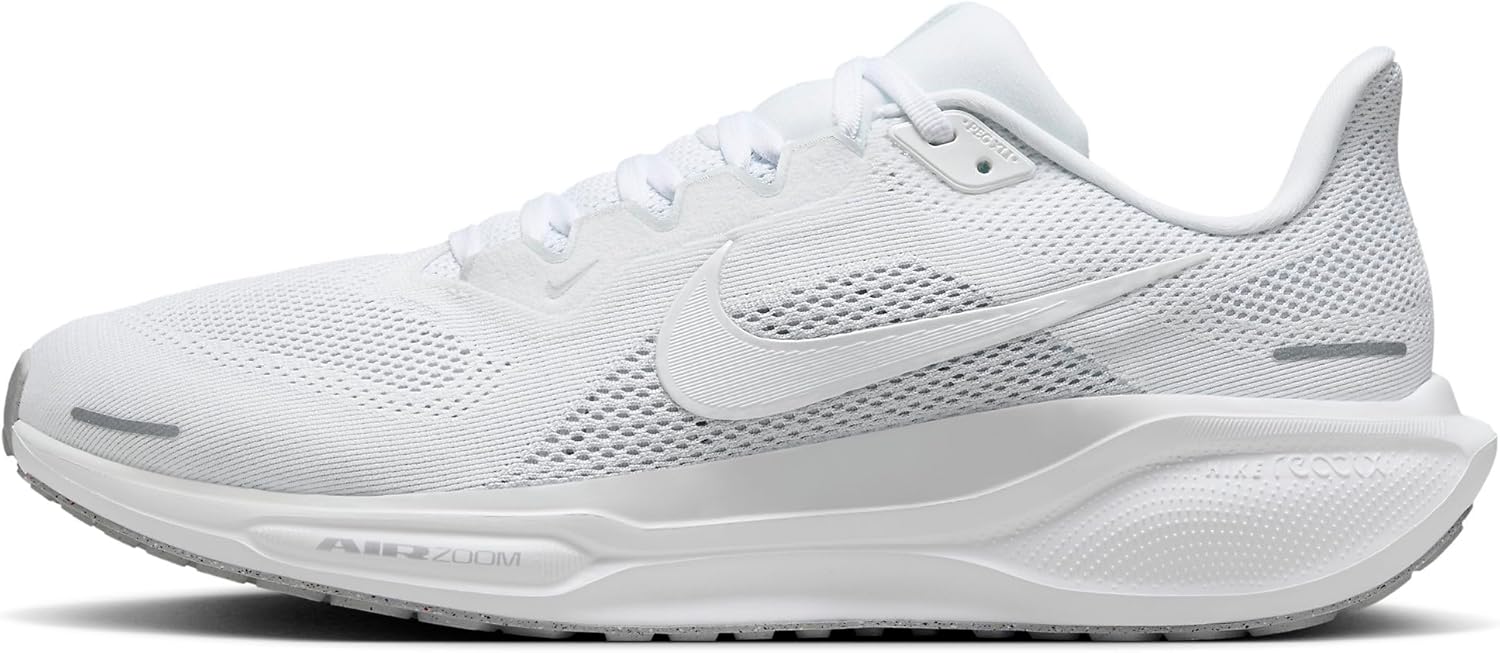
When Shoes Aren’t Enough — Dr. Tom’s Top 9 Orthotics
About 30% of patients I see for foot pain need MORE than a great shoe — they need a structured insole. Below: my complete 2026 orthotic ranking with pros, cons, and the specific patient I’d give each one to.




Frequently Asked Questions
What causes this condition?
Causes include mechanical stress, biomechanical imbalance, age-related changes, and sometimes systemic disease. Our clinical exam plus imaging identifies the specific driver.
Can it go away on its own?
Mild cases sometimes resolve with rest and supportive footwear. Persistent symptoms past 4-6 weeks rarely resolve without active treatment.
Is surgery required?
Most patients resolve with non-surgical care. Surgery is reserved for refractory cases or structural deformity.
American Academy of Orthopaedic Surgeons: Köhler Disease
Ready to Get Relief?
Same-day appointments available in Howell & Bloomfield Township, MI
4.9★ | 1,123 Reviews | 3,000+ Surgeries
Or call: (810) 206-1402

Dr. Tom Biernacki, DPM is a board-certified foot & ankle surgeon (ABFAS & ABPM) at Balance Foot & Ankle Specialists in Southeast Michigan. With over a decade of clinical experience, he specializes in heel pain, bunions, diabetic foot care, sports injuries, and minimally invasive surgery. Dr. Biernacki is a member of the APMA and ACFAS, and his patient education content on MichiganFootDoctors.com and YouTube has made him one of the most-followed foot & ankle educators on YouTube.