
Medically reviewed by Dr. Tom Biernacki, DPM
Board-certified podiatric surgeon | Balance Foot & Ankle, Howell & Bloomfield Township, MI
Last reviewed: May 2026

| Condition | Location | Key Feature | Diagnosis | Treatment |
|---|---|---|---|---|
| Lisfranc injury | Tarsometatarsal joints (1st–2nd MT base) | Plantar ecchymosis; weight-bearing X-ray gap | Weight-bearing X-ray; CT if subtle | Non-displaced: boot 6 weeks; Displaced: ORIF |
| Midfoot arthritis | Multiple midfoot joints (navicular-cuneiform) | Dorsal bony prominences; activity-related pain | X-ray (joint space narrowing) | Orthotics, rocker-bottom shoes; fusion if failed |
| Navicular stress fracture | Navicular bone (medial midfoot) | “N-spot” tenderness; runner/athlete | MRI (X-ray often negative) | Non-WB cast 6–8 weeks; surgery if complete fracture |
| Cuboid syndrome | Cuboid (lateral midfoot) | Follows ankle sprain; lateral midfoot pain | Clinical; cuboid manipulation test | Cuboid manipulation; padding; orthotics |
| Posterior tibial tendon dysfunction | Medial arch, navicular | Flat arch, too many toes sign | MRI; clinical exam | Orthotics (Stage 1–2); surgery (Stage 3–4) |
| Accessory navicular | Medial navicular prominence | Medial foot bump; tender in youth/athletes | X-ray (accessory ossicle) | Orthotics, PT; Kidner procedure if failed |
| Red Flag Sign | Suggests | Action |
|---|---|---|
| Plantar ecchymosis (bruising on arch) | Lisfranc injury | Urgent weight-bearing X-ray + ortho referral |
| Unable to bear weight after midfoot injury | Lisfranc fracture-dislocation | Emergency evaluation; no delay |
| N-spot tenderness in runner | Navicular stress fracture | MRI; immediate non-weight-bearing protocol |
| Progressive flat foot deformity | PTTD Stage 3–4 | MRI + surgical consultation |
| Night pain + systemic symptoms | Tumor, infection, inflammatory arthritis | CBC, CRP, imaging, rheumatology |
Quick answer: Midfoot Pain 2 has multiple potential causes including mechanical, neurological, vascular, and inflammatory. The most common causes we identify are overuse, ill-fitting shoes, and biomechanical imbalance. Red flags requiring urgent evaluation: warmth/redness (infection), inability to bear weight (fracture), and unilateral swelling without injury (DVT). Call (810) 206-1402.
Medically Reviewed | Dr. Tom Biernacki, DPM | Board-Certified Podiatrist | Balance Foot & Ankle, Michigan
![How to Cure Plantar Fasciitis in One Week? [FAST Heel Pain Relief!]](https://www.michiganfootdoctors.com/wp-content/cache/flying-press/b5600c3bfb9845a6095da8266d8b5363.jpg)
Watch: How to Cure Plantar Fasciitis in One Week? [FAST Heel Pain Relief!] — MichiganFootDoctors YouTube
The most important clinical decision with Midfoot Pain 2 isn’t which treatment to start with — it’s identifying the correct subtype. That changes everything. Call (810) 206-1402.
Midfoot Pain: Quick Answer
Pain in the middle of your foot can have many serious causes – some commonly missed and others requiring urgent intervention. We diagnose hundreds of midfoot pain cases monthly at Balance Foot and Ankle. Here are the 9 most common causes and what each means.
Anatomy of the Midfoot
The midfoot consists of: 1. Navicular bone: at top of arch on inside; key support structure. 2. Cuboid: outer side of foot. 3. Three cuneiform bones: between navicular and metatarsals. 4. Midfoot joints: complex articulations between these bones. 5. Plantar fascia attachment: at base. 6. Important tendons: posterior tibial, peroneal. The midfoot transmits forces from heel to forefoot during walking and running.
1. Lisfranc Injury (Most Often Missed)
Cause: Sprain or fracture of the Lisfranc joint complex; even low-energy mechanisms can cause significant injury. Symptoms: Midfoot pain, swelling on top of foot, BRUISING ON BOTTOM OF FOOT (classic sign), inability to bear weight. Diagnosis: Standing X-rays (rule out diastasis), CT, MRI. Treatment: Walking boot for stable injuries; surgical fixation for unstable. Critical: often missed initially – leads to chronic problems if untreated.
2. Midfoot Arthritis
Most common cause of chronic midfoot pain in adults over 50. Causes: Wear-and-tear arthritis; post-traumatic (after old injury or missed Lisfranc); rheumatoid arthritis. Symptoms: Deep aching pain; stiffness; worse with prolonged standing; bony prominences on top of foot. Treatment: Stiff-soled rocker shoes (Hoka Bondi, Brooks Beast); custom orthotics; NSAIDs; cortisone injections; surgical fusion for severe cases.
3. Navicular Stress Fracture
Risk factors: Runners (especially female athletes); sudden mileage increase; female athlete triad; vitamin D deficiency. Symptoms: Vague midfoot pain; worse with activity; tenderness over navicular bone (top of arch). Often misdiagnosed as “tendinitis” or “arch pain.” Diagnosis: X-ray often misses – MRI is gold standard. Treatment: Walking boot 6-8 weeks NON-WEIGHT-BEARING; surgery sometimes needed; serious injury with risk of nonunion.
4. Cuboid Syndrome
Cause: Cuboid bone displacement, often after ankle sprain. Symptoms: Lateral midfoot pain (outer foot); worse with weight bearing and push-off. Diagnosis: Often clinical; reproducible pain with cuboid manipulation. Treatment: Cuboid manipulation (relocation), custom orthotics with lateral wedge, taping; usually responds to conservative care.
5. Posterior Tibial Tendinopathy (Inside Midfoot)
Mechanism: Failure of posterior tibial tendon supporting arch; progressive flat foot development. Symptoms: Inside ankle/arch pain; visible arch flattening; “too many toes” sign. Treatment: Custom orthotics with deep heel cup and arch support; lace-up ankle brace; possibly surgical reconstruction for advanced cases.
6. Tarsal Coalition (Adolescents/Young Adults)
Cause: Abnormal connection between two foot bones; often genetic; symptoms typically develop in adolescence. Symptoms: Foot pain in adolescents (10-15 years); rigid flat foot; recurring “ankle sprains.” Diagnosis: X-rays, CT, MRI. Treatment: Casting/boot 4-6 weeks; custom orthotics; surgical resection or arthrodesis for severe cases.
7. Accessory Navicular Syndrome
Cause: Extra small bone at navicular (10% of population); usually asymptomatic but can become painful with activity, trauma, or biomechanical changes. Symptoms: Inside midfoot pain; visible bony prominence on inside of foot. Treatment: Custom orthotics with arch support, NSAIDs, walking boot for severe pain; surgery (excision) for refractory symptoms.
8. Plantar Fibroma (Bottom of Midfoot)
Cause: Benign growth in plantar fascia. Symptoms: Hard nodule felt on bottom of foot; pain when standing or walking on it. Treatment: Custom orthotics with relief well around fibroma; cortisone injections; verapamil cream (limited evidence); surgical excision for refractory pain (high recurrence rate).
9. Tendinitis (Various Tendons)
Common tendons affecting midfoot: Peroneus longus (outer foot), tibialis anterior (top of foot), flexor tendons (bottom). Symptoms: Pain along specific tendon path; worse with activity. Treatment: Activity modification, ice, NSAIDs, custom orthotics, physical therapy.
When to See a Podiatrist
See us for midfoot pain that: 1. Persists 2+ weeks; 2. Followed twisting injury (rule out Lisfranc); 3. Limits walking; 4. Combined with PLANTAR (bottom) bruising (Lisfranc emergency); 5. Localized pinpoint pain on navicular (rule out stress fracture); 6. Recurring same-area pain. Critical to differentiate Lisfranc injury and navicular stress fracture from less serious causes – both have serious consequences if missed. Same-week appointments at Balance Foot and Ankle.
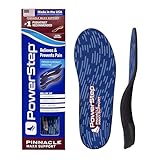
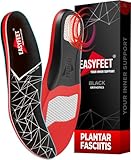
Podiatrist-Recommended Products


Frequently Asked Questions About Midfoot Pain
What causes midfoot pain?
Common: midfoot arthritis, posterior tibial tendinopathy, plantar fibroma. Serious (often missed): Lisfranc injury (with plantar bruising), navicular stress fracture. Less common: cuboid syndrome, tarsal coalition, accessory navicular.
How do I know if midfoot pain is serious?
Worry if: plantar (bottom) bruising after twisting injury (Lisfranc); localized pinpoint pain on navicular (stress fracture); pain doesnt improve with rest; cant bear weight; visible deformity. Same-day evaluation needed.
What is Lisfranc injury and why is it serious?
Sprain or fracture of midfoot joint complex. Often missed initially because mechanism can be low-energy. Untreated leads to chronic arthritis and disability. Plantar bruising is classic sign.
Can midfoot arthritis be treated without surgery?
Yes – 70-80% of cases respond to: stiff-soled rocker shoes, custom orthotics, NSAIDs, cortisone injections, weight management. Surgical fusion reserved for failed conservative care.
What is navicular stress fracture?
Stress fracture of the navicular bone in midfoot, common in runners and dancers. Often misdiagnosed as “tendinitis.” MRI is gold standard. Requires walking boot 6-8 weeks NON-WEIGHT-BEARING; serious risk of nonunion.
Will custom orthotics help midfoot pain?
Yes for: posterior tibial dysfunction, plantar fibroma, midfoot arthritis, accessory navicular syndrome, tendinopathies. Often combined with stiff-soled rocker shoes for best results.
When should I get an MRI for midfoot pain?
MRI indicated for: suspected stress fracture (navicular especially) when X-ray is normal, suspected Lisfranc injury, persistent unexplained pain, ligament injury suspected, evaluation for surgical planning.
Related Resources from Balance Foot & Ankle
Still Dealing With Midfoot Pain?
Same-week appointments at Balance Foot & Ankle in Howell & Bloomfield Township, MI.
Book Your Appointment⚕ Doctor Recommended
Doctor Hoy’s Natural Pain ReliefTopical relief for foot & ankle pain
View Product →⚠️ Most Common Mistake: Ignoring persistent foot pain and continuing normal activity without evaluation. Early podiatric care prevents minor foot issues from becoming chronic, difficult-to-treat conditions.
Frequently Asked Questions
🏥 Recommended by Dr. Biernacki — Foundation Wellness Products
These are the same products Dr. Biernacki recommends to his patients at Balance Foot & Ankle in Michigan. Available through our trusted partners.
In-Office Treatment at Balance Foot & Ankle
If home treatment isn’t providing relief for your foot pain, our podiatry team at Balance Foot & Ankle can help with same-day evaluations and advanced in-office care.
Ready to Get Relief?
Same-day appointments available in Howell & Bloomfield Township, MI
4.9★ | 1,123 Reviews | 3,000+ Surgeries
Or call: (810) 206-1402

Dr. Tom Biernacki, DPM is a board-certified foot & ankle surgeon (ABFAS & ABPM) at Balance Foot & Ankle Specialists in Southeast Michigan. With over a decade of clinical experience, he specializes in heel pain, bunions, diabetic foot care, sports injuries, and minimally invasive surgery. Dr. Biernacki is a member of the APMA and ACFAS, and his patient education content on MichiganFootDoctors.com and YouTube has made him one of the most-followed foot & ankle educators on YouTube.