
Medically reviewed by Dr. Tom Biernacki, DPM
Board-certified podiatric surgeon | Balance Foot & Ankle, Howell & Bloomfield Township, MI
Last reviewed: May 2026

| Procedure | Approach | Technique | Neuroma Preserved? | Recovery | Success Rate |
|---|---|---|---|---|---|
| Neurectomy (Excision) | Dorsal (most common) or plantar | Resect neuroma and 3–4 cm of nerve proximal to intermetatarsal ligament | No — nerve excised; permanent numbness in web space | 2 weeks limited WB; 4–6 weeks full shoes | 75–85% good-to-excellent |
| Nerve Decompression (Release of DTML) | Dorsal | Division of deep transverse metatarsal ligament only; nerve preserved | Yes — nerve intact | 1–2 weeks limited WB; 4 weeks full activity | 70–80%; recurrence if DTML not fully released |
| Cryoablation | Percutaneous (ultrasound-guided) | Cryoprobe (-70°C) applied to nerve; freezes and disrupts nerve conduction | Partially — nerve damaged but not excised | Immediate WB; 2–4 weeks activity restriction | 60–75%; may require repeat treatment |
| Alcohol Sclerosing Injection | Non-surgical (US-guided injection) | Series of 4–7 injections of 4% alcohol adjacent to neuroma | Yes — sclerosing, not excision | None | 55–70%; best for smaller neuromas (<5 mm) |
| Approach | Dorsal Neurectomy | Plantar Neurectomy |
|---|---|---|
| Incision Location | Dorsal forefoot between MT heads | Plantar forefoot transverse or longitudinal |
| Neuroma Access | DTML must be released to access nerve below; longer dissection | Direct access to neuroma; no ligament release needed |
| Weight-Bearing Post-Op | Heel-WB shoe immediately; full WB at 2 weeks | NWB 2–3 weeks (plantar scar risk with early WB) |
| Scar Complication | Low — dorsal scar away from weight-bearing surface | Higher — plantar scar can be painful under pressure |
| Stump Neuroma Risk | Lower with adequate proximal resection (3–4 cm) | Same — depends on length of proximal nerve resection |
| Preferred By | Most foot and ankle surgeons — lower WB restriction | Direct visualization advocates; revision cases |
Quick answer: Mortons Neuroma Surgery Excision Decompression Michigan Podiatrist is a common foot/ankle topic that affects many patients. The 2026 evidence-based approach combines proper diagnosis, conservative-first treatment, and escalation only when needed. We treat this regularly at our Howell and Bloomfield Township practices. Call (810) 206-1402.
Medically Reviewed | Dr. Tom Biernacki, DPM | Board-Certified Podiatric Surgeon | Balance Foot & Ankle, Michigan
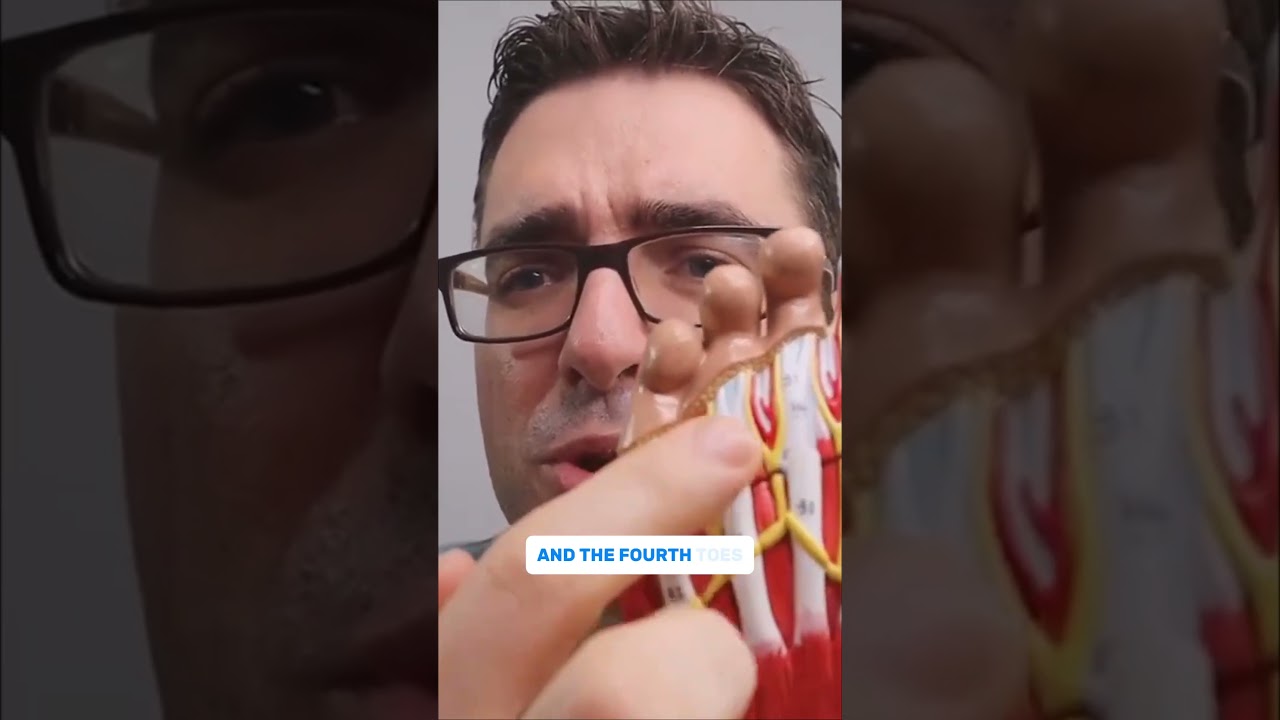


Watch: CURE Morton’s Neuroma, Metatarsalgia & Ball of the Foot Pain FAST! — MichiganFootDoctors YouTube
The most important clinical decision with Mortons Neuroma Surgery Excision Decompression Michigan Podiatrist isn’t which treatment to start with — it’s identifying the correct subtype. That changes everything. Call (810) 206-1402.
The most important clinical decision with Mortons Neuroma Surgery Excision Decompression Michigan Podiatrist isn’t which treatment to start with — it’s identifying the correct subtype. That changes everything. Call (810) 206-1402.
When Is Morton’s Neuroma Surgery Necessary?
Morton’s neuroma – a perineural fibrosis and enlargement of the common interdigital nerve, most commonly in the third interspace (between the third and fourth toes) – responds to conservative management in the majority of patients. Metatarsal pads, footwear modification, and corticosteroid injection resolve symptoms in 60 to 80% of cases when applied consistently. However, a significant proportion of patients experience incomplete or temporary relief and eventually require surgical intervention.
Surgical referral is appropriate after: failure of at least two to three corticosteroid injections, failure of 3 to 6 months of comprehensive conservative management including footwear modification and metatarsal padding, confirmed neuroma on MRI or ultrasound (typically greater than 5 to 6mm in diameter), and sufficient functional limitation to justify surgical risk and recovery. Neuroma surgery produces excellent outcomes when appropriate patients are selected.
Neuroma Excision (Neurectomy)
Neurectomy involves surgical removal of the enlarged interdigital nerve and perineural fibrous tissue. Dr. Biernacki performs neurectomy through either a dorsal (top of foot) or plantar (bottom of foot) approach. The dorsal approach is more common – it allows nerve mobilization, division of the transverse metatarsal ligament, and nerve transection proximal to the enlarged segment. The plantar approach provides more direct access to the neuroma but requires careful scar management to prevent plantar scar formation that can itself become painful.
Neurectomy produces predictable pain relief – the burning, tingling, and shooting pain of the neuroma is definitively resolved by removing the nerve. The trade-off is permanent numbness of the webspace and adjacent toe surfaces in the distribution of the resected nerve. Most patients find this numbness a very acceptable exchange for relief of neuroma pain. The risk of stump neuroma (painful regeneration of the proximal nerve stump) is minimized by transecting the nerve as proximal as possible under the metatarsal heads.
Nerve Decompression (Transverse Metatarsal Ligament Release)
Nerve decompression involves releasing the transverse metatarsal ligament that spans the metatarsal heads, which is the primary structure compressing the interdigital nerve in the forefoot. By dividing this ligament, the nerve space is widened and nerve entrapment relieved without removing the nerve itself. Decompression preserves nerve function and avoids permanent numbness – a significant advantage for patients concerned about sensory loss.
Nerve decompression is appropriate for smaller neuromas confirmed on imaging, patients who have not had extensive prior treatment (particularly previous injection into the interspace), and patients who place high value on preserving nerve sensation. Outcomes are comparable to neurectomy for appropriately sized neuromas, with the additional benefit of intact sensation. Recurrence after decompression is managed with neurectomy if decompression fails to provide durable relief.
Recovery After Neuroma Surgery
Recovery after neuroma surgery requires 2 to 4 weeks of protected weight-bearing in a surgical shoe, followed by progressive return to regular footwear over 4 to 6 weeks. Most patients return to low-impact activity within 4 to 6 weeks and full activity at 8 to 12 weeks. Postoperative swelling in the forefoot persists for 3 to 6 months and narrows footwear options during this period. Overall patient satisfaction with neuroma surgery is high – studies report greater than 80% good to excellent outcomes with properly selected patients.
Dr. Tom's Product Recommendations

Metatarsal Pad Insoles – Non-Surgical Neuroma Relief
⭐ Highly Rated
Adhesive metatarsal pads placed behind the ball of the foot – the primary conservative treatment for Morton’s neuroma before surgical consideration. Reduces compression between metatarsal heads.
Dr. Tom says: “My podiatrist started me on metatarsal pads for my neuroma and they provided significant relief before I considered other options.”
Conservative Morton’s neuroma management as initial non-surgical treatment
Must be placed correctly – proximal to metatarsal heads not under them. Sizing and positioning guidance from podiatrist improves effectiveness
Disclosure: We earn a commission at no extra cost to you.

Altra Torin Road Shoe – Wide Toe Box Post-Neuroma
⭐ Highly Rated
Zero-drop road running shoe with foot-shaped wide toe box – reduces forefoot compression ideal for neuroma patients managing symptoms conservatively or recovering from neuroma surgery.
Dr. Tom says: “After my neuroma surgery my podiatrist recommended wide toe box shoes and Altra Torin allowed me to walk comfortably during recovery.”
Conservative neuroma management and post-surgical neuroma recovery requiring wide toe box forefoot accommodation
Zero-drop requires gradual Achilles adaptation for runners transitioning from elevated heel shoes
Disclosure: We earn a commission at no extra cost to you.
✅ Pros / Benefits
- Patient satisfaction greater than 80% good to excellent after properly indicated neuroma surgery
- Nerve decompression preserves sensation while providing comparable relief to neurectomy for small neuromas
- Dorsal approach neurectomy minimizes plantar scar formation compared to plantar approach
❌ Cons / Risks
- Neurectomy produces permanent numbness in the operated webspace and toe surfaces
- Stump neuroma formation is a 5 to 10% complication risk requiring re-operation
- Postoperative forefoot swelling persists 3 to 6 months and restricts footwear choices
Dr. Tom Biernacki’s Recommendation
Neuroma surgery is one of the most rewarding procedures I perform – patients who have been living with that electric shock or burning sensation in the ball of the foot for years finally get durable relief. I have a very thorough conversation about the neurectomy trade-off: you will have numbness in that webspace permanently, but the vast majority of patients find that numbness far preferable to the pain they were experiencing. For the right patient who has failed conservative care, this is excellent surgery with high satisfaction rates.
— Dr. Tom Biernacki, DPM | Board-Certified Podiatric Surgeon | Balance Foot & Ankle
Frequently Asked Questions
How successful is Morton’s neuroma surgery?
Greater than 80% of patients report good to excellent outcomes after neuroma surgery. Best results are achieved with confirmed diagnosis on imaging, failed conservative management, and appropriate surgical technique.
Will I have numbness after neuroma surgery?
Yes – neurectomy produces permanent numbness in the webspace and adjacent toe surfaces of the resected nerve distribution. Most patients find this numbness preferable to neuroma pain. Nerve decompression preserves sensation but is only appropriate for smaller neuromas.
How long is recovery after neuroma surgery?
2 to 4 weeks protected weight-bearing in surgical shoe, return to regular footwear at 4 to 6 weeks, full activity at 8 to 12 weeks. Forefoot swelling persists 3 to 6 months.
Can a neuroma come back after surgery?
Stump neuroma (painful nerve regeneration at the transection site) occurs in 5 to 10% of cases. True recurrence after complete neurectomy is uncommon. After nerve decompression, neuroma symptoms can recur and neurectomy may then be needed.
Is neuroma surgery done under general anesthesia?
Neuroma surgery is typically performed under local anesthesia with MAC (monitored anesthesia care) sedation or ankle block alone in an outpatient surgical center. General anesthesia is not required for most cases.
Michigan Foot Pain? See Dr. Biernacki In Person
4.9★ rated | 1,123 Reviews | 3,000+ Surgeries
Same-week appointments · Howell & Bloomfield Township
📞 (810) 206-1402 Book Online →Frequently Asked Questions
When should I see a podiatrist?
If symptoms persist past 2 weeks, affect your normal activity, or are accompanied by red-flag symptoms (warmth, redness, swelling, inability to bear weight).
What does treatment cost?
Most diagnostic visits and conservative treatments are covered by Medicare and major insurers. Out-of-pocket costs vary by your specific plan.
How quickly can I get an appointment?
Most non-urgent cases see us within 5 business days. Urgent cases (sudden pain, possible fracture) typically same or next business day.
What is Morton neuroma?
Morton neuroma is a common foot/ankle condition that affects mobility and quality of life. Understanding the underlying cause is the first step in successful treatment. Our podiatrists at Balance Foot & Ankle perform a hands-on biomechanical exam, review your activity history, and use diagnostic imaging when appropriate to identify the root cause—not just treat the symptom. Many patients have been told to “rest and ice” without a deeper diagnostic workup; our approach is different.
Symptoms and warning signs
Common signs of Morton neuroma include pain that worsens with activity, morning stiffness, swelling, tenderness when palpated, and difficulty bearing weight. If you experience sudden severe pain, inability to walk, visible deformity, numbness or color change, contact our office the same day or visit urgent care—these can signal a more serious injury such as a fracture, tendon rupture, or vascular compromise. Diabetics with any foot wound should seek same-day care.
Conservative treatment options
Most cases of Morton neuroma respond to non-surgical care: structured rest, supportive footwear changes, custom orthotics, targeted stretching and strengthening protocols, anti-inflammatory medications when medically appropriate, and in-office procedures such as ultrasound-guided injections. We also offer advanced therapies including MLS laser therapy, EPAT/shockwave, regenerative injections, and image-guided procedures. Treatment is sequenced from least invasive to most invasive, and we explain the rationale at every step.
When is surgery considered?
Surgery is reserved for cases that fail 3-6 months of well-structured conservative care, when there is structural pathology (severe deformity, complete tear, advanced arthritis), or when imaging shows damage that will not heal without intervention. Our surgeons have performed 3,000+ foot and ankle procedures and prioritize minimally-invasive techniques whenever appropriate. We discuss recovery timelines, return-to-activity milestones, and realistic outcome expectations before any procedure is scheduled.
Recovery timeline and prevention
Recovery from Morton neuroma varies based on severity and chosen treatment path. Conservative cases often improve within 4-8 weeks with consistent adherence to the protocol. Post-procedural recovery may range from a few days (in-office procedures) to several months (reconstructive surgery). Long-term prevention involves footwear assessment, activity modification, structured strengthening, and regular check-ins with your podiatrist if you have a history of recurrence. We provide written home-exercise plans and digital follow-up support.
Ready to feel better?
Same-week appointments available in Howell and Bloomfield Township, Michigan.
Book Your VisitIn-Office Treatment at Balance Foot & Ankle
If home treatment isn’t providing relief for your metatarsalgia, our podiatry team at Balance Foot & Ankle can help with same-day evaluations and advanced in-office care.
Ready to Get Relief?
Same-day appointments available in Howell & Bloomfield Township, MI
4.9★ | 1,123 Reviews | 3,000+ Surgeries
Or call: (810) 206-1402

Dr. Tom Biernacki, DPM is a board-certified foot & ankle surgeon (ABFAS & ABPM) at Balance Foot & Ankle Specialists in Southeast Michigan. With over a decade of clinical experience, he specializes in heel pain, bunions, diabetic foot care, sports injuries, and minimally invasive surgery. Dr. Biernacki is a member of the APMA and ACFAS, and his patient education content on MichiganFootDoctors.com and YouTube has made him one of the most-followed foot & ankle educators on YouTube.
More questions patients ask
What are the surgical options for Morton's neuroma?
Morton's neuroma surgery offers two approaches -- neurectomy (excision of the neuroma) and nerve decompression -- with neurectomy being the definitive treatment when conservative management fails; understanding the procedure and realistic expectations guides appropriate patient selection. Neurectomy (neuroma excision -- the standard surgical treatment): the enlarged, fibrotic section of the interdigital nerve is surgically removed; the most commonly performed procedure; typically performed through a dorsal (top of the foot) incision between the metatarsal heads; the nerve is identified, traced proximally (toward the ankle), and transected at a level proximal to the metatarsal heads; the neuroma and the portion of the interdigital nerve distal to the division are removed; the proximal stump retracts into the intermetatarsal space; a stump neuroma (a new ball of nerve endings at the cut end of the nerve) can form at the cut end -- this is the most common cause of surgical failure; the dorsal approach allows the nerve to be excised more proximally, which reduces stump neuroma risk compared to a plantar approach; Outcomes of neurectomy: 75-85% of patients achieve good-to-excellent symptom relief; permanent numbness: after neurectomy, the patient will have permanent numbness in the web space between the two toes supplied by the excised nerve (typically between the third and fourth toes); patients must be counseled about this permanent sensory change before surgery; the numbness is generally well tolerated; complete pain elimination: achieved in approximately 75-80%; partial improvement: 10-15%; no improvement or worse: 5-10% (most commonly from stump neuroma formation); Nerve decompression (transverse intermetatarsal ligament release): an alternative to excision; the nerve is not removed; instead, the transverse intermetatarsal ligament (the structure that compresses the nerve from above) is divided; the nerve is decompressed; advantages: preserves the nerve (no permanent numbness); appropriate for patients who have not failed multiple conservative measures; outcomes: 70-75% good results; risk of recurrence is higher than neurectomy; appropriate as first-line surgery before neurectomy; Approach: both procedures can be performed under local anesthesia with sedation or regional block; outpatient procedure; recovery: walking in a surgical shoe within days; return to regular footwear: 3-4 weeks; return to sport: 6-8 weeks.
What happens if Morton's neuroma surgery fails?
Morton's neuroma surgery failure -- typically defined as persistent or recurrent interdigital pain after neurectomy -- occurs in 10-25% of patients; the most common cause is stump neuroma formation, and revision surgery can address this effectively. Causes of failure after neurectomy: stump neuroma (the most common cause): after the interdigital nerve is transected, the proximal nerve stump forms a ball of regenerating axons (a stump neuroma) where the nerve was cut; if this stump neuroma is irritated by the normal mechanical forces on the intermetatarsal area, the patient experiences pain similar to or worse than the original neuroma pain; the key distinction: stump neuroma pain tends to be worse with direct pressure over the intermetatarsal space from the dorsal (top) surface, not from the plantar squeezing that characterizes the original neuroma; Tinel's sign (tapping over the intermetatarsal space) may be positive; Incomplete excision: if the original excision did not remove the nerve proximal enough, the thickened fibrous segment of the nerve may remain; the original neuroma was not fully removed; recurrence is possible; Wrong diagnosis: the original pain was not from a Morton's neuroma; causes of interdigital pain that mimic Morton's neuroma include: stress fracture of a metatarsal, metatarsophalangeal joint synovitis or plantar plate tear, intermetatarsal bursitis, Freiberg's infraction; surgery on a non-neuroma cause of pain will obviously fail; Diagnosis of failed neuroma surgery: MRI: can identify a residual neuroma or stump neuroma; nerve conduction studies: may localize the pain source; diagnostic injection: injecting local anesthetic into the stump neuroma site produces temporary relief and confirms the diagnosis; Treatment of stump neuroma (revision surgery): revision neurectomy: the stump neuroma is identified and re-excised further proximally; the nerve stump is then implanted into adjacent muscle (muscle implantation) or bone to bury it away from mechanical forces; the re-excision must be performed sufficiently proximal that the new stump will not be under mechanical stress; outcomes of revision surgery: 60-75% of patients achieve satisfactory pain relief after revision; results are less predictable than primary neurectomy; patients should be counseled that revision surgery is less reliable than primary surgery.
Still have a question about coverage or cost? Book online and we will check your benefits before your visit: Book in Howell · Book in Bloomfield Township. Prefer to talk it through first? Call (810) 206-1402.