
Medically reviewed by Dr. Tom Biernacki, DPM
Board-certified podiatric surgeon | Balance Foot & Ankle, Howell & Bloomfield Township, MI
Last reviewed: May 2026

The most important clinical decision with Mortons Neuroma Surgery Excision Injection Michigan Podiatrist isn’t which treatment to start with — it’s identifying the correct subtype. That changes everything. Call (810) 206-1402.
The most important clinical decision with Mortons Neuroma Surgery Excision Injection Michigan Podiatrist isn’t which treatment to start with — it’s identifying the correct subtype. That changes everything. Call (810) 206-1402.
Morton’s Neuroma Treatment: Injection vs Surgery — Evidence-Based Decision Matrix
Morton’s neuroma (interdigital neuroma) is a perineural fibrosis of the common digital nerve at the 3rd intermetatarsal space (3rd-4th toe cleft, 70-80% of cases) or 2nd space (20-25%). Treatment decisions hinge on severity, duration, response to prior conservative treatment, and patient activity level. The critical distinction: corticosteroid injections are highly effective for acute/subacute neuromas and can produce permanent resolution in up to 50% of cases with a series of 3 injections. Surgical excision produces more consistent long-term pain relief but carries risks of permanent numbness and stump neuroma. Here is the evidence-based decision framework.
| Treatment | Mechanism | Evidence Level | Success Rate | Risks | Best Candidate |
|---|---|---|---|---|---|
| Wide-toe-box shoes + metatarsal pad | Reduces intermetatarsal compression; metatarsal pad placed proximal to MT heads spreads metatarsals and decompresses nerve; reduces pinching of nerve between MT heads during toe-off | HIGH — first-line; 30-40% of mild neuromas resolve with footwear alone; reduces the mechanical compression that drives perineural fibrosis | 30-40% full resolution; 60-70% significant symptom reduction in mild-moderate neuroma when combined with pad | Minimal; metatarsal pad placement is critical (proximal to MT heads, not over them — misplacement worsens symptoms) | First-line for all patients; duration <12 months; mild symptoms; size <5mm on US/MRI; willing to modify footwear permanently |
| Corticosteroid injection (series of 3) | Reduces perineural inflammation and edema; triamcinolone 40mg + 0.5mL lidocaine injected into intermetatarsal space; US-guided preferred; reduces nerve swelling that contributes to compression | HIGH — multiple RCTs; 50-60% respond to single injection series; best evidence for neuromas <6mm diameter; image-guided injection superior to blind (US-guided 85% accuracy vs 50% blind) | 50-60% sustained relief at 12 months after 3-injection series; 80%+ initial response after first injection; smaller neuromas respond better; Greenfield criteria: <8mm most responsive | Temporary skin atrophy; plantar fat pad thinning with repeated injections (limit to 3-4/year); transient pain spike 24-48 hrs post-injection (normal); rare: skin hypopigmentation | Primary treatment for neuromas <8mm; first surgery-avoiding attempt; recurrence after conservative treatment; bilateral neuromas (staged injections); patients who cannot have surgery |
| Alcohol sclerosing injection (4% alcohol series) | Dilute alcohol (4% ethanol) injected into intermetatarsal space in weekly series of 4-7 injections; produces controlled chemical neurolysis (destroys pathologic perineural tissue); NOT a cortisone injection | MODERATE — multiple series show 60-89% success; Dockery’s original series 89% good/excellent; Fanucci RCT showed 94% vs 36% for steroids at 10 months; not universally available (requires trained practitioner) | 60-89% in case series; 94% in best RCT; effect permanent (neural ablation); less recurrence than cortisone series; best for neuromas 6-12mm that failed cortisone series | Temporary increase in pain during injection series (alcohol burns); delayed effect (full effect at 2-3 months); not effective if neuroma >12mm (may require more injections); risk of skin injury if extravasates superficially | Failed cortisone injection series; neuroma 6-12mm; patient wants to avoid surgery; available from trained practitioner; can be combined with RF ablation |
| Radiofrequency ablation (RFA) | Image-guided radiofrequency needle placed adjacent to neuroma; delivers controlled thermal energy (80°C for 90 seconds) producing neural ablation without surgical incision; US-guided placement required | MODERATE — growing evidence; case series show 60-75% success at 12 months; less surgical risk than open excision; reversible trial possible (diagnostic block first) | 60-75% in published series; emerging procedure with improving outcomes as technique matures; good option for patients who failed injections and want to avoid open surgery | Requires image guidance and skilled operator; expensive; limited long-term data; risk of adjacent structure injury; may need repeat ablation | Failed cortisone AND alcohol injection series; neuroma 6-12mm on US; wants to avoid open surgery; high surgical risk (anticoagulation, comorbidities); available at specialized centers |
| Surgical excision (dorsal approach) | 3-4cm incision on dorsum of foot between MT heads; nerve identified and excised 1-2cm proximal to bifurcation; neuroma sent to pathology; dorsal approach most common (avoids plantar scar) | HIGH — most studied surgical intervention for neuroma; 75-85% good/excellent outcomes at 5 years; higher success rate than injection series for neuromas >8mm or chronic neuroma (>24 months) | 75-85% good/excellent at 5 years; best outcomes for neuromas >8mm (surgical outperforms injection at this size); 10-20% stump neuroma risk; 10-15% permanent interdigital numbness (expected, acceptable to most patients) | Stump neuroma (most serious — occurs in 10-20% if nerve inadequately excised); permanent interdigital numbness (expected — patient must consent to this); CRPS (rare, <1%); infection; wound healing complications; recurrence (5-10% at 5 years) | Neuroma >8mm; chronic neuroma (>24 months); failed cortisone injection series + alcohol/RFA; patient willing to accept permanent numbness; patient not responding to any conservative treatment; severe symptoms limiting daily activity |
| Metatarsal decompression surgery (without nerve excision) | Metatarsal osteotomy (Weil or Helal type) to reduce intermetatarsal width and decompress nerve; nerve preserved; addresses the structural cause (tight intermetatarsal space) rather than excising the nerve | LOW-MODERATE — limited evidence; theoretically superior (preserves nerve, avoids stump neuroma); case series show 70-80% improvement; not widely performed | 70-80% in limited series; nerve preserved = no permanent numbness; no stump neuroma risk; less data than excision | More complex surgery; requires metatarsal osteotomy hardware; Weil osteotomy-specific complications (floating toe, metatarsalgia transfer); less established than excision | Young patient who strongly refuses permanent numbness; bilateral neuromas where bilateral excision undesirable; concurrent MTP joint pathology requiring osteotomy anyway |
Morton’s Neuroma: Diagnosis Grading and Treatment Selection by Size and Chronicity
| Grade | Neuroma Size (US/MRI) | Duration of Symptoms | Primary Treatment | If Fails → Next Step |
|---|---|---|---|---|
| Grade 1 — Mild, early | <5mm diameter | <6 months | Wide-toe-box shoes + metatarsal pad (placed proximal to MT heads); 6-8 weeks trial; NSAIDs; avoid high heels and narrow shoes permanently | Single corticosteroid injection + footwear; 80%+ Grade 1 resolve with injection; avoid jumping to surgery for Grade 1 |
| Grade 2 — Moderate | 5-8mm diameter | 6-24 months | Corticosteroid injection series (up to 3, spaced 4-6 weeks apart) + footwear modification; 50-60% resolve with 3-injection series; custom orthotics with metatarsal pad built in | Alcohol sclerosing injection series (4-7 weekly injections) if cortisone series fails; RFA if alcohol unavailable; surgical excision if both injection types fail at 12 months |
| Grade 3 — Large/Chronic | >8mm diameter | >24 months | Corticosteroid injection (1-2 to confirm diagnosis and reduce acute inflammation) THEN surgical consultation; large neuromas (>8mm) have significantly lower injection success rate (20-30%) vs surgical success rate (80%+) | Surgical excision dorsal approach; excise nerve 2cm proximal to bifurcation; pathology confirmation; post-surgical custom orthotics to prevent recurrence |
| Stump neuroma (post-excision recurrence) | Tender mass at prior excision site | Recurrence after prior surgery | MRI/US to confirm stump neuroma; cortisone injection; RFA; if failed — revision surgery with more proximal excision (nerve buried in muscle belly of foot/leg to prevent re-tethering) | Revision surgery: excise stump at more proximal level; muscle implantation technique (nerve end buried in intrinsic muscle to prevent re-tethering); highly specialized procedure |
Quick answer: Mortons Neuroma Surgery Excision Injection Michigan Podiatrist is a common foot/ankle topic that affects many patients. The 2026 evidence-based approach combines proper diagnosis, conservative-first treatment, and escalation only when needed. We treat this regularly at our Howell and Bloomfield Township practices. Call (810) 206-1402.
Medically Reviewed | Dr. Tom Biernacki, DPM | Board-Certified Podiatric Surgeon | Balance Foot & Ankle, Michigan
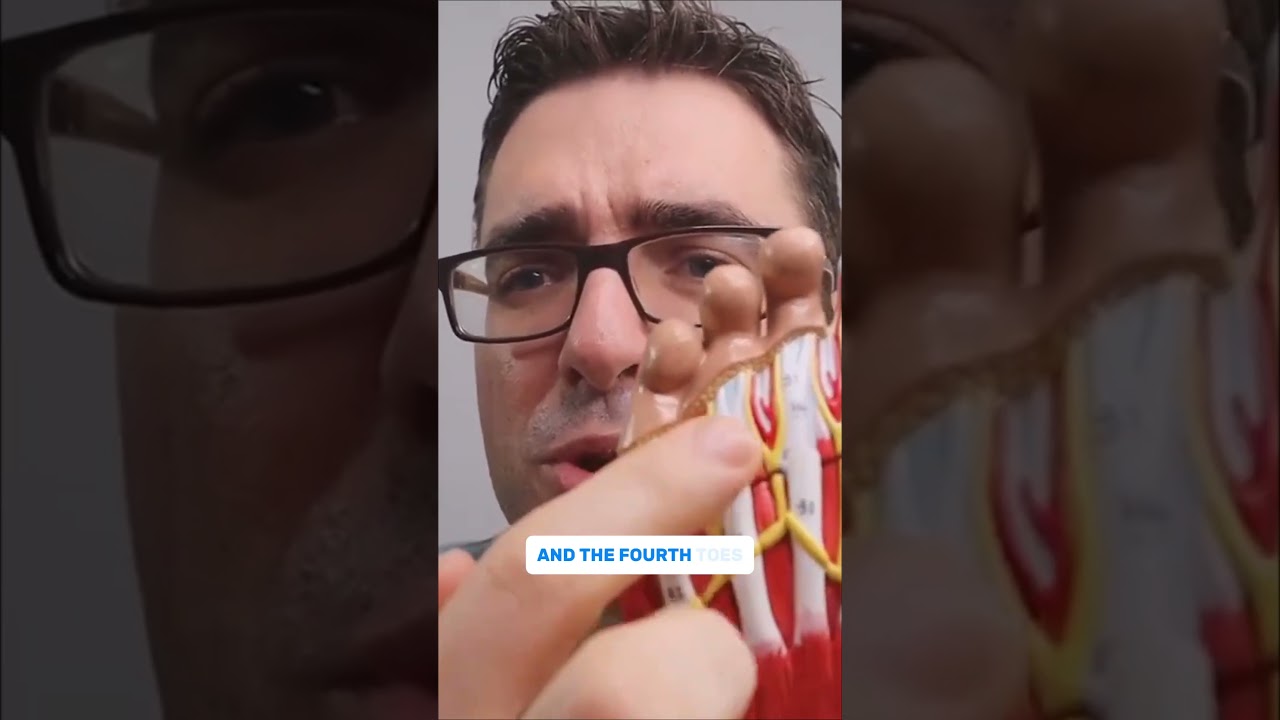


Watch: CURE Morton’s Neuroma, Metatarsalgia & Ball of the Foot Pain FAST! — MichiganFootDoctors YouTube
What Is Morton’s Neuroma?
Morton’s neuroma is a painful benign enlargement of the plantar digital nerve, most commonly occurring between the 3rd and 4th metatarsal heads. Despite the name, it is not a true tumor — rather, it is perineural fibrosis resulting from repetitive nerve irritation, compression, and inflammation. The nerve becomes thickened and surrounded by scar tissue, producing the characteristic burning, shooting pain and numbness in the forefoot and toes.
Symptoms and Presentation
Patients typically describe a burning or electric pain in the ball of the foot, often radiating into the 3rd and 4th toes (or 2nd and 3rd toes for the second interspace). Many report the sensation of “walking on a pebble” or a bunched-up sock. Symptoms worsen with tight narrow shoes, high heels, or prolonged walking and are relieved by removing shoes and massaging the foot. On examination, Dr. Biernacki can reproduce pain by compressing the metatarsal heads laterally (Mulder’s sign), and diagnostic ultrasound confirms the neuroma’s size and location.
Diagnosing Morton’s Neuroma
Diagnosis is primarily clinical, supported by in-office diagnostic ultrasound. Ultrasound is highly accurate for neuromas larger than 5mm, showing the hypoechoic ovoid mass between the metatarsal heads. MRI is reserved for uncertain cases or when ruling out other interspace pathology. X-rays help exclude stress fractures, arthritis, and bony lesions contributing to forefoot pain. Dr. Biernacki’s approach combines careful history-taking, provocative testing, and imaging to confirm the diagnosis before initiating treatment.
Conservative Treatment Options
Most Morton’s neuromas improve with conservative measures. Wide toe box shoes that reduce metatarsal compression are the first and most important intervention. Metatarsal pads placed proximal to the neuroma help splay the metatarsal heads and reduce nerve pressure. Custom orthotics with metatarsal support address underlying biomechanical contributors. Cortisone injections reduce perineural inflammation and provide significant relief in 70–80% of patients, though repeat injections may be needed. Activity modification — temporarily avoiding barefoot walking, high heels, and prolonged standing — supports healing.
Alcohol Sclerosing Injections
Alcohol sclerosing injections represent an effective office-based alternative to surgery for refractory Morton’s neuromas. A dilute alcohol solution is injected around the neuroma under ultrasound guidance over a series of 4–7 sessions spaced 2 weeks apart. The alcohol progressively scleroses the nerve fibers, reducing pain without surgical risks. Published studies show 80–89% success rates with this technique. Dr. Biernacki offers ultrasound-guided alcohol sclerosing injections as a nonsurgical path forward for patients who have not responded adequately to conservative care.
Morton’s Neuroma Surgery: Excision and Decompression
When conservative and injection-based treatments fail, surgical excision offers definitive relief. Dorsal (top-of-foot) or plantar (bottom-of-foot) approaches allow access to the interspace for neuroma removal. The dorsal approach is preferred for most primary cases — it avoids a plantar scar and allows earlier weight-bearing. The plantar approach gives direct access and may be preferred for revision cases. The neuroma is excised along with a segment of the parent nerve, and the deep transverse metatarsal ligament is released to decompress the interspace. Surgery is performed as an outpatient procedure under local or regional anesthesia.
Recovery After Neuroma Surgery
Recovery from Morton’s neuroma excision is generally straightforward. Patients wear a surgical shoe for 2–3 weeks while the incision heals, with most able to bear weight immediately after surgery. Return to regular shoes occurs at 4–6 weeks. Full recovery, including resolution of residual numbness in the toes, takes 3–6 months. Permanent numbness in the web space between the affected toes is expected and typically well-tolerated. Success rates for primary excision range from 80–95%, with lower rates for recurrent or revision neuromas.
Why Patients Choose Dr. Tom Biernacki for Morton’s Neuroma
Dr. Biernacki takes a step-wise evidence-based approach to neuroma care: conservative measures first, ultrasound-guided injections when appropriate, and surgery only when necessary. His in-office diagnostic ultrasound allows same-visit diagnosis and ultrasound-guided injection — eliminating the need for separate imaging appointments. Serving patients from across Southeast and Mid-Michigan, Balance Foot & Ankle offers convenient access to comprehensive neuroma care from initial evaluation through surgical recovery.
Dr. Tom's Product Recommendations

Metatarsal Pads for Morton’s Neuroma
⭐ Highly Rated
Adhesive metatarsal cushion pads that lift and splay the metatarsal heads, reducing pressure on the interdigital nerve. Clinically proven to reduce Morton’s neuroma pain when positioned correctly.
Dr. Tom says: “Metatarsal pads are the most important conservative tool for Morton’s neuroma — positioned just behind the neuroma, they spread the metatarsal heads and take pressure off the nerve. I recommend every neuroma patient try these first.”
Best for: Conservative Morton’s neuroma management, forefoot pain relief
Not ideal for: Patients with neuroma size over 8mm who have failed conservative care
Disclosure: We earn a commission at no extra cost to you.

PowerStep Pinnacle Wide Orthotic Insoles
⭐ Highly Rated
Over-the-counter orthotic insole with built-in arch support and metatarsal support zone. Helps offload the forefoot and reduce nerve compression in patients with Morton’s neuroma.
Dr. Tom says: “PowerStep Pinnacle is my go-to OTC orthotic recommendation for Morton’s neuroma patients — the metatarsal support and arch control address the biomechanical contributors that aggravate the nerve.”
Best for: Mild to moderate Morton’s neuroma, forefoot pain with arch involvement
Not ideal for: Severe neuromas requiring custom accommodative orthotics
Disclosure: We earn a commission at no extra cost to you.

New Balance 928v3 Wide Width Walking Shoe
⭐ Highly Rated
Motion control walking shoe with extra-wide toe box to reduce metatarsal compression. Eliminates the forefoot pinching that triggers Morton’s neuroma pain during activity.
Dr. Tom says: “Shoe width is the number-one factor in Morton’s neuroma aggravation. Switching to a wide toe box shoe often provides immediate relief — I recommend New Balance 928 or similar motion control options as a first-line intervention.”
Best for: Morton’s neuroma patients needing immediate footwear relief, wide forefoot
Not ideal for: Patients requiring dress or narrow shoes for work
Disclosure: We earn a commission at no extra cost to you.
✅ Pros / Benefits
- Conservative treatment including metatarsal pads and wide shoes resolves many neuromas without injection or surgery
- Ultrasound-guided alcohol sclerosing injections provide 80–89% success without surgical risks
- Neuroma excision surgery has 80–95% success rates with rapid return to weight-bearing
- In-office diagnostic ultrasound enables same-visit diagnosis and injection
❌ Cons / Risks
- Conservative treatment requires patience — 3–6 months of consistent compliance for best results
- Permanent numbness in the web space is expected after surgical excision
- Recurrent or stump neuromas after surgery are possible and more challenging to treat
Dr. Tom Biernacki’s Recommendation
Morton’s neuroma responds well to treatment when caught early and managed systematically. I start with the least invasive options — shoe modifications, metatarsal pads, and orthotics — and progress to ultrasound-guided injections or surgery only when needed. Most of my patients get significant relief without surgery. When surgery is indicated, the procedure is straightforward and outcomes are excellent.
— Dr. Tom Biernacki, DPM | Board-Certified Podiatric Surgeon | Balance Foot & Ankle
Frequently Asked Questions
What does Morton’s neuroma feel like?
Most patients describe a burning, shooting, or electric pain in the ball of the foot between the 3rd and 4th toes, often radiating into the toes. Many describe the feeling of walking on a marble or a bunched-up sock. Symptoms typically worsen in tight shoes and improve when shoes are removed and the foot is massaged.
How do I know if I need surgery for Morton’s neuroma?
Surgery is typically recommended after 3–6 months of conservative care (wide shoes, metatarsal pads, orthotics) and at least 2–3 cortisone injections have failed to provide lasting relief. Alcohol sclerosing injections are an intermediate option before surgery. Neuromas larger than 8–10mm on ultrasound are less likely to respond to conservative measures.
Is Morton’s neuroma surgery painful?
The procedure is performed under local or regional anesthesia so there is no pain during surgery. Post-operative discomfort is typically mild to moderate and managed with oral pain medications for the first few days. Most patients are walking in a surgical shoe immediately and return to regular shoes within 4–6 weeks.
Can Morton’s neuroma come back after surgery?
Recurrence of a true neuroma after complete excision is uncommon (5–10%), but stump neuroma formation at the cut nerve end can occur. Stump neuromas are more painful and more difficult to treat than primary neuromas. This is one reason Dr. Biernacki recommends thorough conservative and injection-based treatment before proceeding to surgery.
What shoes should I wear with Morton’s neuroma?
Wide toe box shoes with low heels are essential. Look for shoes with at least a 4E width, roomy toe boxes, and soft upper materials that don’t compress the forefoot. Brands like New Balance, Brooks, and Hoka offer models that work well for neuroma patients. Avoid pointed toe shoes, high heels, and tight athletic shoes.
Michigan Foot Pain? See Dr. Biernacki In Person
4.9★ rated | 1,123 Reviews | 3,000+ Surgeries
Same-week appointments · Howell & Bloomfield Township
📞 (810) 206-1402 Book Online →Frequently Asked Questions
When should I see a podiatrist?
If symptoms persist past 2 weeks, affect your normal activity, or are accompanied by red-flag symptoms (warmth, redness, swelling, inability to bear weight).
What does treatment cost?
Most diagnostic visits and conservative treatments are covered by Medicare and major insurers. Out-of-pocket costs vary by your specific plan.
How quickly can I get an appointment?
Most non-urgent cases see us within 5 business days. Urgent cases (sudden pain, possible fracture) typically same or next business day.
What is Morton neuroma?
Morton neuroma is a common foot/ankle condition that affects mobility and quality of life. Understanding the underlying cause is the first step in successful treatment. Our podiatrists at Balance Foot & Ankle perform a hands-on biomechanical exam, review your activity history, and use diagnostic imaging when appropriate to identify the root cause—not just treat the symptom. Many patients have been told to “rest and ice” without a deeper diagnostic workup; our approach is different.
Symptoms and warning signs
Common signs of Morton neuroma include pain that worsens with activity, morning stiffness, swelling, tenderness when palpated, and difficulty bearing weight. If you experience sudden severe pain, inability to walk, visible deformity, numbness or color change, contact our office the same day or visit urgent care—these can signal a more serious injury such as a fracture, tendon rupture, or vascular compromise. Diabetics with any foot wound should seek same-day care.
Conservative treatment options
Most cases of Morton neuroma respond to non-surgical care: structured rest, supportive footwear changes, custom orthotics, targeted stretching and strengthening protocols, anti-inflammatory medications when medically appropriate, and in-office procedures such as ultrasound-guided injections. We also offer advanced therapies including MLS laser therapy, EPAT/shockwave, regenerative injections, and image-guided procedures. Treatment is sequenced from least invasive to most invasive, and we explain the rationale at every step.
When is surgery considered?
Surgery is reserved for cases that fail 3-6 months of well-structured conservative care, when there is structural pathology (severe deformity, complete tear, advanced arthritis), or when imaging shows damage that will not heal without intervention. Our surgeons have performed 3,000+ foot and ankle procedures and prioritize minimally-invasive techniques whenever appropriate. We discuss recovery timelines, return-to-activity milestones, and realistic outcome expectations before any procedure is scheduled.
Recovery timeline and prevention
Recovery from Morton neuroma varies based on severity and chosen treatment path. Conservative cases often improve within 4-8 weeks with consistent adherence to the protocol. Post-procedural recovery may range from a few days (in-office procedures) to several months (reconstructive surgery). Long-term prevention involves footwear assessment, activity modification, structured strengthening, and regular check-ins with your podiatrist if you have a history of recurrence. We provide written home-exercise plans and digital follow-up support.
Ready to feel better?
Same-week appointments available in Howell and Bloomfield Township, Michigan.
Book Your VisitIn-Office Treatment at Balance Foot & Ankle
If home treatment isn’t providing relief for your metatarsalgia, our podiatry team at Balance Foot & Ankle can help with same-day evaluations and advanced in-office care.
Ready to Get Relief?
Same-day appointments available in Howell & Bloomfield Township, MI
4.9★ | 1,123 Reviews | 3,000+ Surgeries
Or call: (810) 206-1402

Dr. Tom Biernacki, DPM is a board-certified foot & ankle surgeon (ABFAS & ABPM) at Balance Foot & Ankle Specialists in Southeast Michigan. With over a decade of clinical experience, he specializes in heel pain, bunions, diabetic foot care, sports injuries, and minimally invasive surgery. Dr. Biernacki is a member of the APMA and ACFAS, and his patient education content on MichiganFootDoctors.com and YouTube has made him one of the most-followed foot & ankle educators on YouTube.
More questions patients ask
What is Morton's neuroma and what causes it?
Morton's neuroma is a painful thickening (perineural fibrosis) of the digital nerve, most commonly between the 3rd and 4th metatarsal heads. Despite the name, it is not a true tumor but rather a reactive fibrotic change from chronic nerve compression and irritation between the metatarsal heads. Risk factors include narrow toe box shoes that squeeze the forefoot, high heels that increase forefoot pressure, hypermobile flat feet, and repetitive forefoot loading from running or dancing. Women are 8–10 times more likely to develop Morton's neuroma than men.
What non-surgical treatments work for Morton's neuroma?
Conservative treatment resolves symptoms in approximately 30–40% of patients: wide toe box shoes (the single most important intervention); metatarsal pad placed just proximal to the metatarsal heads to splay them apart; custom orthotics with metatarsal bar; corticosteroid injection into the affected interspace (70% report significant short-term improvement, though symptoms return in many); and alcohol sclerosing injections (3–7 injection series with 60–80% success rate in some studies). Conservative care should be attempted for at least 6 months before surgery.
What does Morton's neuroma surgery involve and what are the outcomes?
Surgical excision (neurectomy) removes the thickened nerve segment through a dorsal (top of foot) incision between the metatarsal heads. The procedure takes 20–30 minutes under local anesthesia as an outpatient. Success rates are 80–90% for pain elimination. Potential complications include: stump neuroma (10–20%) — a painful nodule where the nerve was cut; numbness in the affected toes (permanent, expected); and recurrence if incomplete excision occurred. An alternative, nerve decompression (releasing the transverse intermetatarsal ligament without removing the nerve), preserves sensation but has slightly lower success rates.
Still have a question about coverage or cost? Book online and we will check your benefits before your visit: Book in Howell · Book in Bloomfield Township. Prefer to talk it through first? Call (810) 206-1402.