
Medically reviewed by Dr. Tom Biernacki, DPM
Board-certified podiatric surgeon | Balance Foot & Ankle, Howell & Bloomfield Township, MI
Last reviewed: May 2026

| Nail Debridement Type | CPT Code | Nails Treated | Typical Conditions | Medicare Coverage |
|---|---|---|---|---|
| Nail debridement — limited | 11720 | 1–5 nails | Focal fungal nails, isolated hypertrophy | Yes (with qualifying dx) |
| Nail debridement — extensive | 11721 | 6 or more nails | Widespread onychomycosis, diabetic nail care | Yes (with qualifying dx) |
| Surgical nail avulsion | 11730/11732 | 1 nail / additional | Ingrown toenail removal | Yes (separate dx code) |
| Permanent matrixectomy | 11750/11752 | 1 nail / additional | Recurrent ingrown, nail matrix destruction | Yes |
| Routine nail care (non-covered) | No specific CPT | Any | Normal nails, cosmetic trimming | No (excluded) |
| Medicare Qualifying Conditions for Nail Debridement | Documentation Required | Exam Frequency Allowed |
|---|---|---|
| Diabetes mellitus with peripheral neuropathy | Monofilament test result + diabetes diagnosis in past 6 months | Every 60 days (6×/year) |
| Peripheral arterial disease (PAD) | ABI testing or vascular imaging confirming PAD | Every 60 days |
| Chronic venous insufficiency with edema | Clinical documentation of CVI + nail pathology | Every 60 days |
| Immune compromise (HIV, chemotherapy, transplant) | Physician documentation of immune status | Every 60 days |
| Onychomycosis (fungal nail) — standalone | Clinical or lab confirmation of fungal infection | Covered as treatment (not routine care) |
| No qualifying condition (normal nails) | N/A | NOT COVERED — patient pays out of pocket |
Quick answer:Nail debridement is the professional trimming and thinning of thick, fungal, or overgrown toenails that are hard to cut at home. A podiatrist reduces the nail safely with sterile instruments to relieve pressure and pain, and for qualifying patients it is often Medicare-covered. Call (810) 206-1402.
Medically Reviewed | Dr. Tom Biernacki, DPM | Board-Certified Podiatrist | Balance Foot & Ankle, Michigan | 5,000+ patients/year
What Is Nail Debridement?
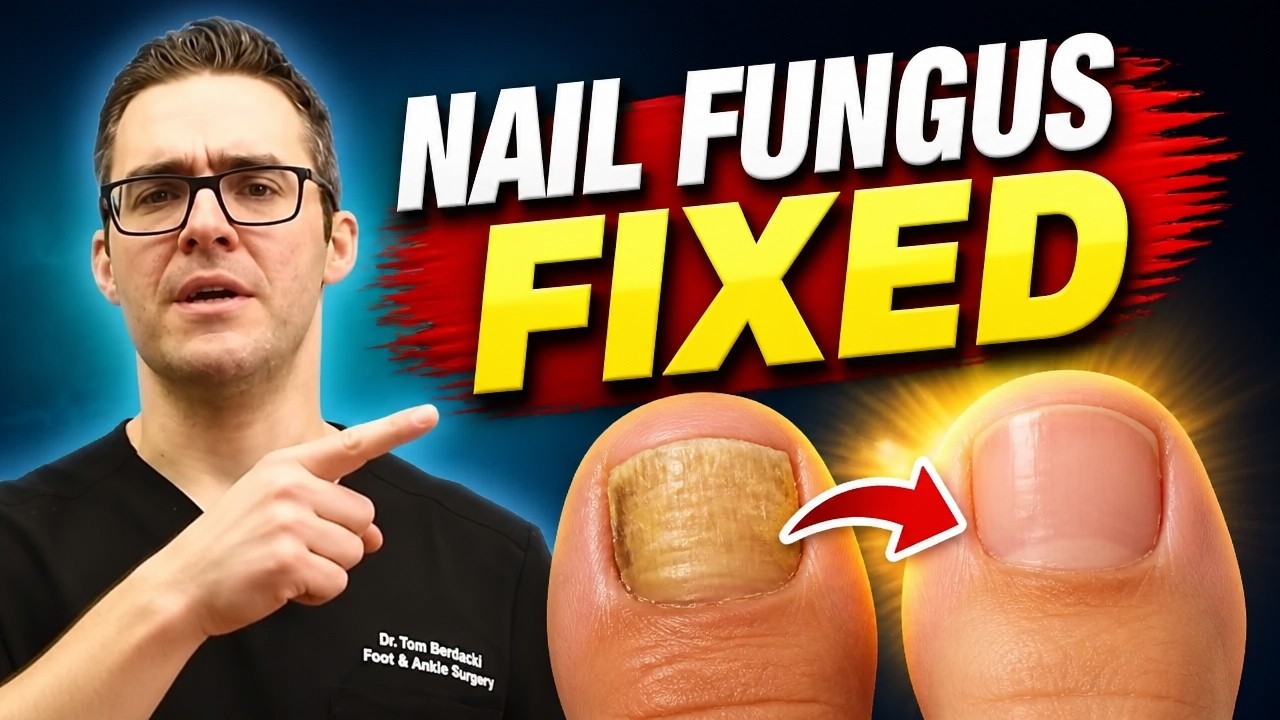
Nail debridement is the professional mechanical reduction of thick, dystrophic, or fungal toenails. A podiatrist uses a rotary nail drill with specific bur attachments to thin the nail plate, remove sub-nail debris (subungual hyperkeratosis), and clean the nail fold of accumulated keratin. The procedure is painless for most patients and does not require anesthesia.
Who Needs Nail Debridement
Patients with onychomycosis (fungal nails too thick to self-trim), onychogryphosis (ram’s horn nails in elderly patients), trauma-thickened nails (runner’s nail), and anyone who cannot safely self-trim their nails (elderly, visually impaired, neuropathic). For diabetic patients with neuropathy or vascular disease — professional nail care is medically necessary, not just cosmetic.
The Procedure
The podiatrist uses a drill with a carbide bur or diamond wheel to systematically thin the nail from the free edge toward the nail fold. Irrigation with antiseptic keeps the nail cool and clears debris. The goal is to thin the nail to a functional, comfortable thickness — not to remove the nail entirely. Subungual callus and debris are cleaned from the nail fold simultaneously. Each toenail takes 2–5 minutes.
Medicare Coverage
Medicare covers nail debridement (Class III nail care) for qualified patients: those with systemic conditions (diabetes, vascular disease, neuropathy) who cannot safely self-trim. Documentation of the medical necessity is required. This is a standard podiatric service performed at routine follow-up appointments.
FAQs
How often should a diabetic patient have nail debridement? Most diabetic patients benefit from professional nail care every 6–12 weeks. More frequent care may be needed for rapidly growing or severely thickened nails. Annual Medicare wellness visits should include podiatric nail assessment.
🧴 Dr. Tom’s Nail Care Recommendations
For nail conditions and recovery, these are the at-home products I trust most.
For discomfort around the nail bed. Arnica + menthol formula — plant-based, FSA-eligible, no greasy residue. Apply 3-4x daily to the area.
Proper load distribution reduces nail trauma from pressure points. My #1 OTC recommendation for nail care patients who are on their feet all day.
FTC Disclosure: As an Amazon Associate and Foundation Wellness affiliate, we earn from qualifying purchases. This never affects our clinical recommendations.
Michigan Foot & Ankle? See Dr. Biernacki In Person
Appointments at our Howell and Bloomfield Township offices.
In-Office Treatment at Balance Foot & Ankle
If home treatment isn’t providing relief for your foot and ankle conditions, our podiatry team at Balance Foot & Ankle can help with expert evaluations and advanced in-office care.
APMA: Nail Debridement Procedure
Ready to Get Relief?
Book online 24/7 in Howell & Bloomfield Township, MI
4.9★ | 1,200+ Reviews | 3,000+ Surgeries
Or call: (810) 206-1402

Dr. Tom Biernacki, DPM is a board-certified foot & ankle surgeon (ABFAS & ABPM) at Balance Foot & Ankle Specialists in Southeast Michigan. With over a decade of clinical experience, he specializes in heel pain, bunions, diabetic foot care, sports injuries, and minimally invasive surgery. Dr. Biernacki is a member of the APMA and ACFAS, and his patient education content on MichiganFootDoctors.com and YouTube has made him one of the most-followed foot & ankle educators on YouTube.