
Medically reviewed by Dr. Tom Biernacki, DPM
Board-certified podiatric surgeon | Balance Foot & Ankle, Howell & Bloomfield Township, MI
Last reviewed: May 2026

| Shoe Feature | Why It Matters for Neuropathy | What to Look For |
|---|---|---|
| Seamless interior | Prevents pressure sores from seam friction (patient can’t feel irritation) | Fully lined; no internal stitching over pressure areas |
| Extra-depth (1/4–3/8 inch deeper) | Accommodates orthotics + toe deformities without pressure | Labeled “extra-depth” or “therapeutic” |
| Rocker-bottom sole | Reduces peak plantar pressure at metatarsal heads by 20–30% | Rigid sole with rocker; reduces push-off demand |
| Wide/extra-wide toe box | Prevents bunion, hammertoe, and toe compression ulcers | Width options 4E, 6E; round toe shape |
| Removable insole | Must accommodate custom orthotic or Medicare insert | Insole lifts out easily; extra depth must remain |
| Soft leather or stretch upper | Conforms to foot deformities without creating pressure points | Supple, non-abrasive material |
| Neuropathy Severity | Sensation Level | Footwear Recommendation | Orthotic Need |
|---|---|---|---|
| Mild (preserved monofilament) | 5.07 monofilament felt | Supportive sneaker + cushioned OTC insole | OTC sufficient for most |
| Moderate (partial loss) | 5.07 not consistently felt | Extra-depth therapeutic shoe | Custom accommodative orthotic recommended |
| Severe (no protective sensation) | 10g monofilament not felt | Medicare therapeutic shoe + custom insert | Custom insert required; Medicare covered for DM |
| History of foot ulcer | Any level of sensation | Offloading footwear + total contact cast if active ulcer | Custom protective orthotic mandatory |
Quick answer: Neuropathy Walking Shoes is a common foot/ankle topic that affects many patients. The 2026 evidence-based approach combines proper diagnosis, conservative-first treatment, and escalation only when needed. We treat this regularly at our Howell and Bloomfield Township practices. Call (810) 206-1402.
Medically Reviewed | Dr. Tom Biernacki, DPM | Board-Certified Podiatrist | Balance Foot & Ankle, Michigan
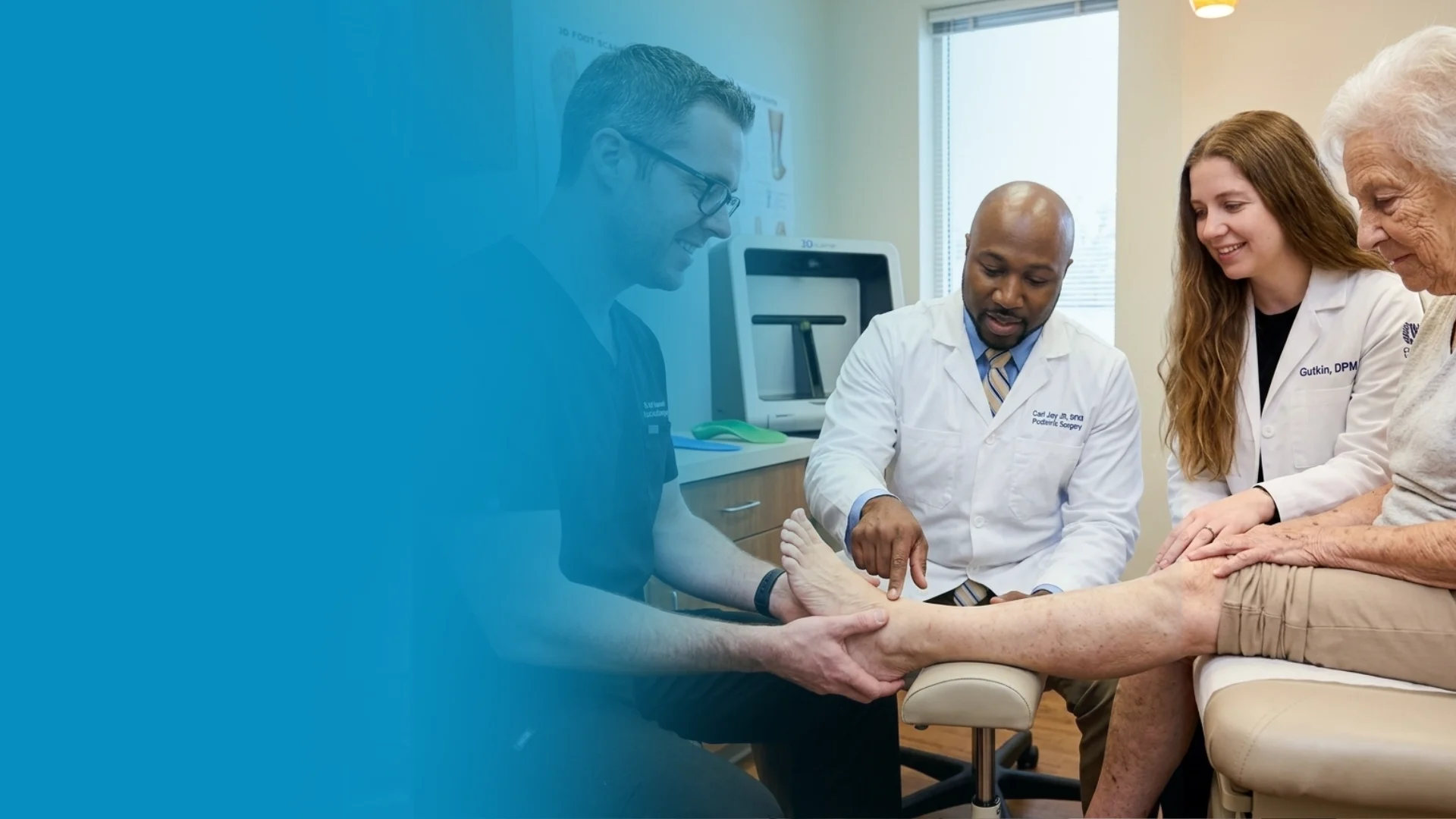
![Peripheral Neuropathy Home Remedies [Leg & Foot Nerve Pain Treatment]](https://www.michiganfootdoctors.com/wp-content/cache/flying-press/8ef3ff851f04e8721b97630df65b15ff.jpg)
Watch: Peripheral Neuropathy Home Remedies [Leg & Foot Nerve Pain Treatment] — MichiganFootDoctors YouTube
Best Neuropathy Walking Shoes: Quick Answer
Walking with diabetic neuropathy is one of the most important activities for circulation and overall health – but the wrong shoe can cause unnoticed wounds leading to amputation. We help dozens of neuropathy patients monthly at Balance Foot and Ankle find safe walking shoes. Here are our 8 best picks.
Why Neuropathy Patients Need Special Shoes
Diabetic neuropathy reduces protective sensation: cannot feel pebbles, hot surfaces, blisters, pressure points, ill-fitting areas. Walking is essential: for circulation, blood sugar control, weight management, cardiovascular health, mental health. Right shoes prevent: unnoticed wounds (25% diabetic ulcer risk lifetime); blisters that become infected; pressure injuries; foreign body penetration; falls.
1. Hoka Bondi 8 (Best Maximum Cushion)
Maximum cushioning available; wide widths; soft mesh upper; accommodates orthotics. Pros: Best impact protection for sensitive feet. Cons: Bulky athletic look; $165. Best for: Active diabetics with neuropathy who need maximum protection.
2. Dr. Comfort Diabetic Walking Shoes
Multiple styles (athletic, casual); seamless interior; extra-depth design; Medicare A5500 covered for qualifying diabetics. Pros: Specifically designed for diabetic feet; insurance-covered. Cons: Less stylish than mainstream brands. Cost: $80-$150 self-pay or Medicare. Best overall for Medicare-covered patients.
3. New Balance 928v3 (Walking Specialist)
Wide widths to 4E; motion control; removable insole. Pros: Best dedicated walking shoe; reliable; durable. Cons: Less cushion than Hoka. Cost: $135. Best for: Diabetics doing significant daily walking.
4. Orthofeet Coral / Walking
Premium ergonomic design; anti-bacterial fabric; extra-deep toe box; multiple styles. Pros: Specifically designed for diabetic feet. Cons: Pricey at $145-$165. Best for: Diabetics wanting non-Medicare option with premium comfort.
5. Brooks Beast 20 (Maximum Support)
Wide widths to 4E; deep toe box; motion control. Pros: Best for severe overpronators with neuropathy; durable. Cons: Heavy and bulky. Cost: $160. Best for: Heavier diabetics with foot deformities.
6. Skechers Slip-Ins for Diabetics
No-bend design (good for limited dexterity); memory foam insole; stretch fabric. Pros: Easy on/off; affordable; accommodates inserts. Cons: Less premium support than orthopedic brands. Cost: $80-$110. Best for: Diabetics with arthritis or limited dexterity.
7. Apex Mens / Womens Diabetic Shoes
Medicare-approved; custom modifications available; multiple widths. Pros: Custom mods for severe deformities (Charcot foot, etc); insurance coverage available. Cons: Limited style variety. Cost: $80-$150 or Medicare-covered.
8. Custom Orthotic + Diabetic Depth Shoe (BEST OVERALL)
Custom orthotic (A5512) inside Medicare-approved diabetic shoe (A5500) – the gold standard. Combination provides: Precision pressure offloading + closed-toe protection + extra depth + cushioning. Cost: Often $0-$200 out-of-pocket with Medicare for qualifying diabetics. Annual replacement covered.
What to AVOID with Neuropathy
1. Open-toe shoes (sandals, mules) – allow injury from objects. 2. High heels greater than 1 inch – shift pressure to forefoot ulcer-prone areas. 3. Tight or narrow shoes – cause unfelt blisters and ulcers. 4. Worn-out shoes – cushioning compresses, increases pressure. 5. Going barefoot – even at home, increases injury risk. 6. New shoes worn full-day – break in 2 hours daily for 1 week.
Daily Foot Inspection Protocol
With neuropathy, you cannot rely on pain to detect injuries. Inspect feet every evening: visually examine top, bottom, sides, between toes. Use a mirror for the soles. Look for: red areas, blisters, cuts, swelling, drainage, color changes, temperature differences. Any new finding = call podiatrist same-day. Same-week diabetic foot exams available.
Podiatrist-Recommended Products

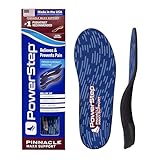
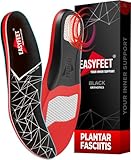

Our review site keeps the measured version of a list like this: Best Shoes for Neuropathy gives the stack heights, heel-to-toe drops and weights, each figure attributed to whoever published it.
Frequently Asked Questions About Best Neuropathy Walking Shoes
What are the best walking shoes for diabetic neuropathy?
Custom orthotic + Medicare-covered diabetic shoe (Dr. Comfort, Orthofeet, Apex) is gold standard. For active patients: Hoka Bondi 8 with custom orthotic. Avoid open-toe shoes and high heels.
Will Medicare pay for neuropathy walking shoes?
Yes – if you have diabetes plus a qualifying complication (peripheral neuropathy, foot deformity, history of ulcer, history of amputation, PAD). 1 pair of shoes + 3 pairs of inserts per calendar year.
Can neuropathy patients walk for exercise?
Yes – walking is essential for diabetic management. With proper shoes, custom orthotics, and daily inspection, walking is safe and beneficial. Avoid barefoot or in unsafe footwear.
Are Hoka shoes safe for diabetics with neuropathy?
Yes – Hoka Bondi provides maximum cushioning and accommodates orthotics. Get the wide width if any foot deformity. Excellent choice for active diabetics.
Should diabetics wear shoes at home?
Yes – never go barefoot, even at home. Wear supportive house shoes (Skechers Slip-Ins, Vionic indoor styles, Birkenstock). Risk of unnoticed foot injuries from stepping on objects.
How often should diabetic walking shoes be replaced?
Annually for qualifying diabetics (Medicare-covered). For self-pay: every 6-9 months for daily wear due to cushioning compression and outsole wear.
Can custom orthotics prevent diabetic ulcers?
Yes – properly designed custom orthotics with diabetic shoes reduce ulcer risk by 50-70% in qualifying diabetics. Medicare covers both custom orthotics and diabetic shoes annually.
Related Resources from Balance Foot & Ankle
Still Dealing With Best Neuropathy Walking Shoes?
Same-week appointments at Balance Foot & Ankle in Howell & Bloomfield Township, MI.
Book Your Appointment⚕ Doctor Recommended
DASS Compression SocksGraduated compression for circulation & comfort
View Product →⚠️ Most Common Mistake: Ignoring persistent foot pain and continuing normal activity without evaluation. Early podiatric care prevents minor foot issues from becoming chronic, difficult-to-treat conditions.
Frequently Asked Questions
🏥 Recommended by Dr. Biernacki — Foundation Wellness Products
These are the same products Dr. Biernacki recommends to his patients at Balance Foot & Ankle in Michigan. Available through our trusted partners.
In-Office Treatment at Balance Foot & Ankle
If home treatment isn’t providing relief for your neuropathy, our podiatry team at Balance Foot & Ankle can help with same-week evaluations and advanced in-office care.
American Podiatric Medical Association: Neuropathy
Ready to Get Relief?
Same-week appointments available in Howell & Bloomfield Township, MI
4.9★ | 1,123 Reviews | 3,000+ Surgeries
Or call: (810) 206-1402

Dr. Tom Biernacki, DPM is a board-certified foot & ankle surgeon (ABFAS & ABPM) at Balance Foot & Ankle Specialists in Southeast Michigan. With over a decade of clinical experience, he specializes in heel pain, bunions, diabetic foot care, sports injuries, and minimally invasive surgery. Dr. Biernacki is a member of the APMA and ACFAS, and his patient education content on MichiganFootDoctors.com and YouTube has made him one of the most-followed foot & ankle educators on YouTube.