
Medically reviewed by Dr. Tom Biernacki, DPM
Board-certified podiatric surgeon | Balance Foot & Ankle, Howell & Bloomfield Township, MI
Last reviewed: May 2026
| Condition | Pain Pattern on Treadmill | Root Cause | Treadmill Modification | See Podiatrist If |
|---|---|---|---|---|
| Plantar fasciitis | Arch/heel pain worsening after 10–15 min | Forefoot overloading; belt reduces push-off | 1–2% incline; reduce speed; supportive shoes | Pain lasting >2 weeks despite rest |
| Metatarsalgia | Burning/aching under ball of foot | Repetitive forefoot strike on moving belt | Metatarsal pad insert; reduce speed | Numbness or not improving in 4 weeks |
| Morton’s neuroma | Burning/tingling between 3rd–4th toes mid-run | Repetitive forefoot compression | Wide toe box; remove shoe and spread toes | Persistent numbness; worsening |
| Extensor tendinitis | Top-of-foot pain; laces area | Tight shoe lacing on dorsum | Loosen laces; tongue pad | Swelling or prolonged symptoms |
| IT band / knee pain | Outer knee; driven by overpronation | Treadmill locks stride — no variation | Stability shoe; vary speed/incline | Knee pain + flat feet → podiatry |
| Black toenails | Trauma under toenail; occurs over weeks | Shoe too small; toe striking front of shoe | Properly fitted shoe (1/2 thumb space at toe) | Persistent pain or infection signs |
| Shoe Feature | Why It Matters on Treadmill | Specification |
|---|---|---|
| Heel drop (8–12mm) | Reduces Achilles/plantar fascia strain on repetitive belt strike | Avoid zero-drop for treadmill running unless experienced |
| Cushioning density | Absorbs repetitive impact — treadmill forces are equivalent to road | Moderate-high cushion; replace every 300–500 miles |
| Toe box width | Prevents Morton’s neuroma, black toenails, blisters | 1/2 thumb width between longest toe and shoe tip |
| Stability feature | Controls pronation amplified by repetitive same-pace treadmill gait | Medial post for overpronators; gait analysis recommended |
| Removable insole | Allows custom orthotic fitting | Replace shoe every 300–500 miles regardless of appearance |
Quick answer: Foot Pain Treadmill has multiple potential causes including mechanical, neurological, vascular, and inflammatory. The most common causes we identify are overuse, ill-fitting shoes, and biomechanical imbalance. Red flags requiring urgent evaluation: warmth/redness (infection), inability to bear weight (fracture), and unilateral swelling without injury (DVT). Call (810) 206-1402.
![How to Cure Plantar Fasciitis in One Week? [FAST Heel Pain Relief!]](https://www.michiganfootdoctors.com/wp-content/cache/flying-press/b5600c3bfb9845a6095da8266d8b5363.jpg)
Watch: How to Cure Plantar Fasciitis in One Week? [FAST Heel Pain Relief!] — MichiganFootDoctors YouTube
Foot Pain Treadmill: Quick Answer
Treadmill running causes specific foot problems different from outdoor running – and proper adjustments often resolve issues. We help dozens of patients yearly at Balance Foot and Ankle whose foot pain is treadmill-specific. Here are the 7 most common causes and proven fixes.
Why Treadmills Cause Different Foot Problems
Treadmill differences from outdoor running: 1. Belt moves under you (slightly different stride mechanics). 2. Repetitive identical motion (no terrain variation). 3. Often harder belt surfaces. 4. Sometimes lower-quality cushioning. 5. Patients often run faster on treadmill. 6. Different temperature/airflow than outdoor. These differences can trigger overuse injuries and aggravate existing conditions.
1. Plantar Fasciitis (Most Common)
Why treadmill triggers it: Repetitive identical foot motion; often harder surface than soft outdoor terrain; faster running speed. Fix: Use treadmill cushioned for impact; reduce speed/incline; daily calf and plantar fascia stretching; supportive shoes with custom orthotics; never run barefoot on treadmill (some patients do this thinking surface is “soft” – it is not).
2. Achilles Tendinitis
Why treadmill triggers it: Steeper inclines used than outdoor terrain; sudden mileage increase using treadmill convenience. Fix: Limit incline to 1-2% (matches typical outdoor flat); avoid downhill mode (very stressful for Achilles); follow 10% mileage rule even with treadmill; daily eccentric heel drops; calf stretching.
3. Posterior Tibial Tendinitis
Why treadmill triggers it: Identical repetitive foot strike position aggravates posterior tibial tendon; lack of varied terrain prevents tendon adaptation. Fix: Custom orthotics with deep heel cup and arch support; lace-up ankle brace for severe cases; alternate treadmill with outdoor running when possible; reduce speed and mileage during flares.
4. IT Band Syndrome
Why treadmill triggers it: Slight incline (most treadmills run with 1-2% incline by default) plus repetitive motion stresses IT band; also caused by belt edge if foot crosses midline. Fix: Set treadmill to true 0% incline; foam roll IT band daily; hip strengthening; reduce mileage during flares.
5. Foot/Ankle Tendinitis (Various)
Why treadmill triggers it: Repetitive identical motion stresses specific tendons that would be relieved by varied outdoor terrain. Common tendons affected: peroneal tendons, anterior tibial tendon, flexor tendons. Fix: Vary running surfaces; cross-train; address biomechanical issues; reduce mileage during flares.
6. Black Toenails (Subungual Hematoma)
Why treadmill triggers it: Steep inclines cause foot to slide forward in shoe; some patients fix this by lacing too tight (causing other problems); others run on long incline causing toe trauma. Fix: Wear shoes 0.5 inches longer than longest toe; lace shoes snugly but not too tight; trim toenails properly (straight across); limit steep inclines.
7. Hip and Knee Pain (Through Foot Mechanics)
Why treadmill triggers it: Subtle treadmill-specific gait changes affect entire kinetic chain; problems propagate up to knees and hips. Fix: Address with foot evaluation; custom orthotics if needed; proper running shoes; mix surfaces to vary loading.
Treadmill Settings to Reduce Foot Pain
1. Incline: Set to 0% (true flat); avoid steep inclines (more than 5% reserved for hill workouts only). 2. Speed: Match to your usual outdoor running pace; do not “race” the treadmill. 3. Cushioning: Use treadmills with quality belt cushioning; avoid cheap commercial gym treadmills. 4. Workout duration: Limit indoor sessions to under 45 minutes for new treadmill runners. 5. Vary workouts: Mix treadmill with outdoor running when possible.
Best Treadmill Shoe Choices
Maximum cushioning: Hoka Bondi 8 (best impact protection), Brooks Glycerin 21, Asics Nimbus 26. Stability for overpronators: Brooks Adrenaline GTS 23, Asics Kayano 30. Wide widths if needed: New Balance 1080 (4E), Brooks Beast (4E). Replace shoes every 300-500 miles regardless of indoor/outdoor use. Treadmill belts are often abrasive on shoe soles.
When to See a Podiatrist
See us if: foot pain persists 2+ weeks despite shoe and treadmill adjustments; recurring same area pain; localized pinpoint tenderness; severe pain limiting activities; recurring black toenails; need for biomechanical evaluation. In-office gait analysis can identify treadmill-specific issues. Same-week appointments at Balance Foot and Ankle. Schedule online.
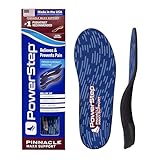
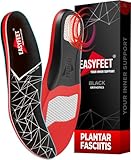
Podiatrist-Recommended Products


Frequently Asked Questions About Foot Pain Treadmill
Why do my feet hurt only on the treadmill?
Treadmill running has different mechanics than outdoor: identical repetitive motion stresses specific tissues; harder belt surface; often steeper inclines than realized; faster pace. Adjusting treadmill settings often resolves.
What incline should I use on a treadmill?
For most runners: 0% (true flat). 1-2% incline traditionally used to “match outdoor wind resistance” but actually adds stress. Reserve steep inclines (5%+) for specific hill workouts.
Are treadmills bad for your feet?
Quality treadmills with good cushioning are not inherently harmful. Cheap commercial gym treadmills with worn belts can be hard on feet. Mix surfaces when possible.
How do I prevent foot pain on the treadmill?
Use 0% incline; quality cushioned shoes; gradual mileage increase; vary workouts; replace shoes every 300-500 miles; never run barefoot on treadmill; address pain early.
Should I run with foot pain on the treadmill?
Mild pain that resolves quickly: cautious continuation acceptable with adjustments. Persistent pain, focal pinpoint pain, severe pain: stop and get evaluated.
Why do I get black toenails from treadmill?
Steep inclines cause foot to slide forward in shoe; toes hit shoe end; or shoes laced too tight from trying to compensate. Buy shoes 0.5 inches larger; lace properly; limit inclines.
When should I see a podiatrist for treadmill foot pain?
Pain persists 2+ weeks despite adjustments; recurring black toenails; localized pinpoint pain; severe pain limiting activities; biomechanical issues suspected.
Related Resources from Balance Foot & Ankle
- Foot Pain While Running
- Best Running Shoes Knee Pain
- Plantar Fasciitis Treatment
- Big Toe Pain Running
Still Dealing With Foot Pain Treadmill?
Same-week appointments at Balance Foot & Ankle in Howell & Bloomfield Township, MI.
Book Your Appointment⚕ Doctor Recommended
Doctor Hoy’s Natural Pain ReliefTopical relief for foot & ankle pain
View Product →In-Office Treatment at Balance Foot & Ankle
If home treatment isn’t providing relief for your foot pain, our podiatry team at Balance Foot & Ankle can help with same-week evaluations and advanced in-office care.
PubMed: Foot Pain from Treadmill Running
Ready to Get Relief?
Same-week appointments available in Howell & Bloomfield Township, MI
4.9★ | 1,123 Reviews | 3,000+ Surgeries
Or call: (810) 206-1402

Dr. Tom Biernacki, DPM is a board-certified foot & ankle surgeon (ABFAS & ABPM) at Balance Foot & Ankle Specialists in Southeast Michigan. With over a decade of clinical experience, he specializes in heel pain, bunions, diabetic foot care, sports injuries, and minimally invasive surgery. Dr. Biernacki is a member of the APMA and ACFAS, and his patient education content on MichiganFootDoctors.com and YouTube has made him one of the most-followed foot & ankle educators on YouTube.