
Dr. Tom’s Top Shoe Picks
Medically reviewed by Dr. Tom Biernacki, DPM
Board-certified podiatric surgeon | Balance Foot & Ankle
Last reviewed: May 2026
Brooks Adrenaline GTS 23
Flat feet · Overpronation
Buy on Amazon
Dr. Tom’s Top 10 Shoes (2026)
Tested, recommended, and prescribed to my patients. Each pick includes pros, cons, and the specific use case I prescribe it for.
Affiliate disclosure: As an Amazon Associate, Balance Foot & Ankle earns from qualifying purchases.
Need a personalized recommendation? Schedule a fitting at our Howell or Bloomfield Township office. Call (810) 206-1402.
Medically reviewed by Dr. Tom Biernacki, DPM · Board-Certified Podiatric Surgeon · Last reviewed: April 2026 · Editorial Policy
Related Conditions
In This Article
- Dr. Tom’s Top Shoe Picks
- Dr. Tom’s Top 10 Shoes (2026)
- New Balance — The Clinical Workhorse
- ASICS — The Biomechanics Specialist
- Saucony — The Performance Value Leader
- Dr. Tom’s 3-Way Verdict by Condition
- Related Articles
- Pros & Cons of Conservative Care for footwear
- Dr. Tom’s Recommended Products for footwear
✅ Medically reviewed by Dr. Tom Biernacki, DPM — Board-Certified Podiatrist · Last updated April 6, 2026
New Balance vs ASICS vs Saucony: 3-Way Podiatrist Comparison for Value Running

New Balance vs ASICS vs Saucony — three brands fighting for the same clinical customer: the serious runner or active walker who wants podiatrist-quality footwear without going to Hoka’s extreme cushion or Brooks’ GuideRails stability. Here’s how to choose between them.
Quick verdict: New Balance wins for width variety, orthotic accommodation, and everyday clinical use. ASICS wins for stability running and maximum cushion. Saucony wins for performance running and value-per-dollar. All three are excellent — the choice depends on your specific anatomy and goals.
| Feature | New Balance | ASICS | Saucony |
|---|---|---|---|
| Width Range | 2A–4E (widest selection) | B, D, 2E | B, D, 2E |
| Top Stability | 860v14, 990v6 ROLLBAR | Gel-Kayano 32 DuoMax | Guide 17 PWRRUN post |
| Top Neutral | 1080v14 Fresh Foam X Pro | Nimbus 27 FF Blast+ (40mm) | Triumph 22 PWRRUN+ |
| Orthotic Space | Excellent | Good | Good |
| Diabetic Line | Yes — Medicare approved | No | No |
| Made in USA | Yes (990 series) | No | No |
| Racing Line | FuelCell RC Elite | Metaspeed Sky+ | Endorphin Pro 4 |
| Price Range | $95–$185 | $130–$180 | $130–$165 |
New Balance — The Clinical Workhorse
NB wins on the features that matter most in a podiatry office: width options and orthotic accommodation. No other brand in this trio (or most others) offers 4E in a performance running shoe. The 990v6 is my personal daily wear shoe — ENCAP midsole, ROLLBAR stability, Made in USA quality. For everyday clinical patients, NB is almost always the default starting point unless there’s a specific reason to go elsewhere.
ASICS — The Biomechanics Specialist
ASICS wins when precision stability matters. The Kayano 32’s DuoMax is the most mechanically rigorous stability system in this comparison. For serious runners with measurable rearfoot valgus who’ve tried other stability shoes without full success, ASICS Kayano is the escalation. The Nimbus 27 at 40mm also wins the max-cushion category within this trio — exceeding even the NB 1080v14 and Saucony Triumph 22 in stack height.
Saucony — The Performance Value Leader
Saucony’s PWRRUN+ foam in the Triumph 22 is arguably the most energy-returning foam in this comparison — livelier than NB Fresh Foam X and ASICS FF Blast+ for running feel. The Endorphin Speed 4 gives competitive runners a genuine racing-adjacent trainer at $200, more accessible than ASICS Metaspeed. For patients who are first and foremost runners — and foot health is secondary — Saucony’s running pedigree shows.
Dr. Tom’s 3-Way Verdict by Condition
| Condition/Need | Winner | Pick |
|---|---|---|
| Wide feet (4E) | New Balance | 990v6 or 1080v14 in 4E |
| Custom orthotics | New Balance | 990v6 or Ghost alternative |
| Severe overpronation | ASICS | Gel-Kayano 32 |
| Moderate overpronation | NB or Saucony | NB 860v14 or Saucony Guide 17 |
| Maximum cushion | ASICS | Nimbus 27 at 40mm |
| Best foam feel/energy return | Saucony | Triumph 22 PWRRUN+ |
| Standing all day | New Balance | 990v6 ENCAP — most durable |
| Performance running | Saucony | Endorphin Speed 4 |
| Diabetic feet | New Balance | Therapeutic extra-depth line |
| Budget (equal category) | Saucony | Ride 17 at $130 |
In-Office Treatment at Balance Foot & Ankle
If home treatment isn’t providing relief for your foot and ankle conditions, our podiatry team at Balance Foot & Ankle can help with expert evaluations and advanced in-office care.
Book online 24/7. (810) 206-1402
VitaMedica Arnica Gel
Arnica gel plus 15 plant compounds for sore feet, plantar fasciitis flares and post-activity soreness. Apply a thin layer to the sore area.
Which brand has the best arch support — New Balance, ASICS, or Saucony?
ASICS Gel-Kayano 32 has the most aggressive built-in arch support via DuoMax. New Balance 990v6 ROLLBAR provides excellent rearfoot stability. Saucony Guide 17 offers solid medial support. For patients needing custom arch support, all three accommodate orthotics — NB provides the best space for them.
Which lasts the longest?
New Balance 990v6 with ENCAP midsole leads durability at 500-700+ miles. ASICS FF Blast+ and Saucony PWRRUN+ are both in the 400-500 mile range. For longevity, NB 990v6 is the clear choice — the ENCAP polyurethane rim resists compression breakdown significantly longer than pure foam midsoles.
Is ASICS or New Balance better for seniors?
New Balance for seniors due to therapeutic line availability, 4E widths for swollen arthritic feet, and the 990v6 ROLLBAR stability for fall prevention. ASICS is excellent for active seniors who still run — the Kayano is a top prescription for senior overpronating runners. For sedentary or therapeutic needs, NB wins clearly.
Related Articles
📖 New Balance vs ASICS: Full Comparison
📖 Saucony vs ASICS: Full Comparison
📖 Saucony vs New Balance: Full Comparison
📖 Best Shoes for Wide Feet
New Balance, ASICS, or Saucony — Which Is Right for Your Feet?
Dr. Tom Biernacki measures foot width, arch height, and overpronation severity to prescribe the correct brand and model — not just a general recommendation. Stop the guesswork before a $150+ purchase.
📞 (810) 206-1402 | Balance Foot & Ankle Specialists
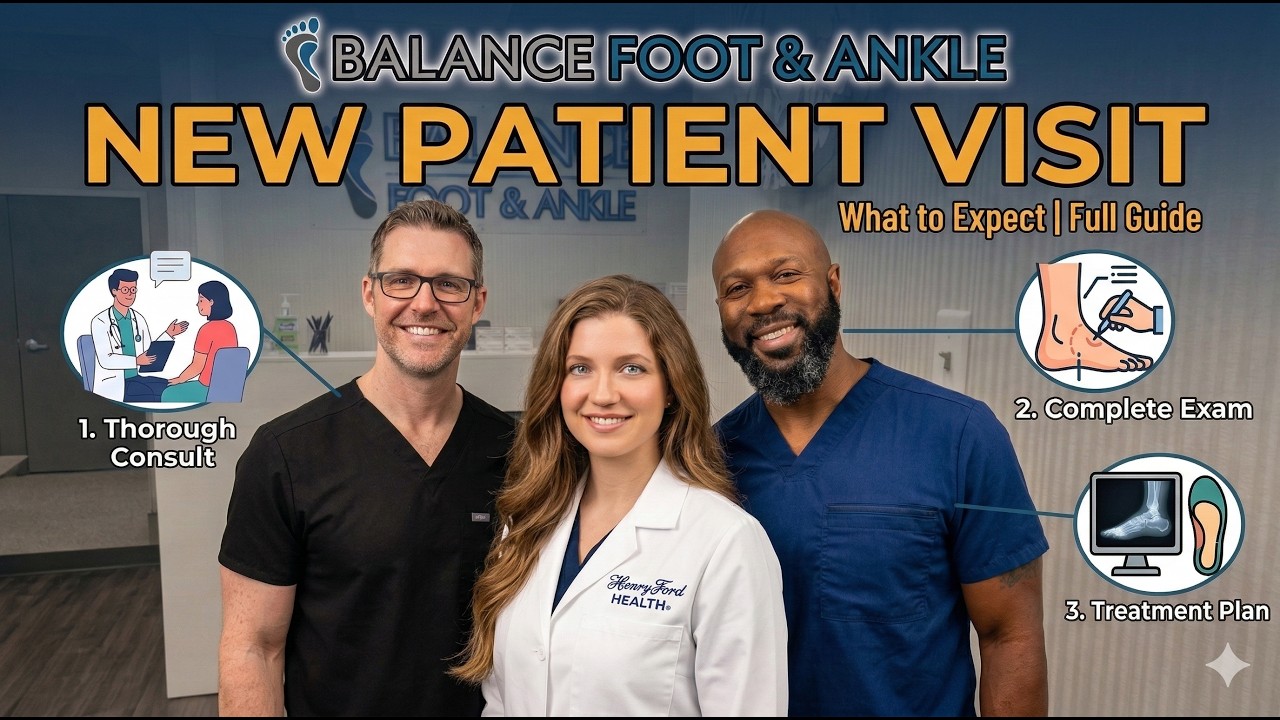
Written by Dr. Tom Biernacki, DPM — Board-certified podiatrist at Balance Foot & Ankle Specialists. Dr. Biernacki prescribes New Balance, ASICS, and Saucony regularly and selects between them based on quantified clinical assessment findings.
Related Treatment Guides
- Custom 3D Orthotics
- Sports Foot & Ankle Injury Treatment
- Plantar Fasciitis & Heel Pain Treatment
- Bunion Treatment
Michigan patients experiencing foot or ankle problems can schedule an appointment at Balance Foot & Ankle — with locations in Howell (4330 E Grand River) and Bloomfield Township (43494 Woodward Ave #208). Book online or call (810) 206-1402.
Insurance Accepted
BCBS · Medicare · Aetna · Cigna · United Healthcare · HAP · Priority Health · Humana · View All →
Howell Office
4330 E Grand River Ave
Howell, MI 48843
Get Directions →
Bloomfield Township Office
43494 Woodward Ave, #208
Bloomfield Township, MI 48302
Get Directions →
Ready to Get Back on Your Feet?
Book online 24/7 at either office.
Pros & Cons of Conservative Care for footwear
Advantages
- ✓ Right shoe = pain reduction
- ✓ Multiple price points
- ✓ Fast adjustment
Considerations
- ✗ Trial-and-error
- ✗ Replace every 400 miles
- ✗ Custom orthotics often needed
Dr. Tom’s Recommended Products for footwear
Affiliate disclosure: As an Amazon Associate, Balance Foot & Ankle earns from qualifying purchases. We only recommend products we use with patients.
Brooks Ghost 17 Dr. Tom’s Pick
Best for: Neutral runner
Check Price on Amazon
Brooks Adrenaline GTS 23 Dr. Tom’s Pick
Best for: Stability for flat feet
Check Price on Amazon
Altra Torin 8 Dr. Tom’s Pick
Best for: Zero-drop wide toe box
Check Price on Amazon
Ready to Get Back on Your Feet?
Appointments in Howell + Bloomfield Township. Most insurance accepted. Dr. Tom Biernacki, DPM & team.
Call Now: (810) 206-1402
Ready to feel better?
Appointments available in Howell and Bloomfield Township, Michigan.
Ready for Expert Care?
Appointments in Howell & Bloomfield Township, MI.
4.9★ | 1,200+ Reviews | 3,000+ Surgeries
Or call: (810) 206-1402
