
Quick answer: On Cloud shoes are worth the hype for many runners and walkers who want light, springy cushioning, but the firm CloudTec pods and modest arch support don’t suit everyone — especially flat feet or plantar fasciitis. Try the more cushioned Cloudmonster, or add an orthotic if you need more support.
Not sure new shoes will fix what is actually hurting? Book a real appointment time online, 24/7 — Howell or Bloomfield Township.
On Cloud shoes have a cult following — but our podiatrists see a consistent pattern in who benefits clinically and who experiences new problems after switching. The deciding factor isn’t cushioning or drop — it’s one biomechanical variable most reviewers never measure. Here’s the clinical assessment framework we use before recommending them. Book online or call (810) 206-1402 — expert podiatric care across Michigan.
Medically reviewed by Dr. Tom Biernacki, DPM
Board-certified podiatric surgeon | Balance Foot & Ankle
Last reviewed: May 2026
The 30-Second Verdict
| Your Foot | Worth the Hype? | Podiatrist Pick |
|---|---|---|
| Healthy, neutral feet | Yes | Cloud 6, Cloudsurfer, Cloudrunner |
| Plantar fasciitis / heel pain | Not first choice | Cloudmonster 2 second-line; HOKA Bondi 9 first |
| Flat feet / overpronation | Caution | Cloudrunner 2 minimum, or a stability brand |
| Metatarsalgia (ball-of-foot pain) | No | EVA-based shoe (HOKA Clifton, Brooks Ghost) |
| Over 220 lbs / high-impact running | Caution | Pods bottom out early — max-cushion foam instead |
| Custom rigid orthotics | Caution | Pod geometry can interfere with orthotic seating |
Quick answer: On Cloud shoes are genuinely good footwear for healthy, neutral feet — lightweight, responsive, and comfortable for daily training and casual wear. They are not therapeutic shoes: in our clinic, patients with plantar fasciitis, significant overpronation, or other foot pathology consistently do worse in the CloudTec pods than in traditional structured cushioning. Match the shoe to your foot type, not the hype.
In This Article
- How On Cloud Shoes Actually Work
- Who On Cloud Shoes Are Best For
- On Cloud Shoes for Women: What Actually Differs
- Clinical Concerns: When On Clouds Fail
- On Cloud Models Compared: A Podiatrist’s Take
- Are On Cloud Shoes Good for Flat Feet?
- On Cloud Shoes for Specific Foot Conditions
- The Most Common Mistake We See
- When to Choose a Different Shoe
- In-Office Treatment at Balance Foot & Ankle
- Frequently Asked Questions
- Where to Buy: Dr. Tom’s On Cloud Picks
- The Bottom Line
- Sources
Want the numbers? Podiatrist Tested, our sister review site, lists the specs model by model on its On brand page.
How On Cloud Shoes Actually Work
On Running’s CloudTec® technology consists of hollow rubber pods (“clouds”) on the outsole that compress on impact and snap shut at landing, then pop open again during toe-off to provide a firm push-off. The design intentionally combines a soft landing with a firm takeoff — which is the opposite of traditional cushioned running shoes. On claims this “running on clouds” feel reduces impact while maintaining responsiveness. The technology is real and thoughtfully engineered. The question — and where I see patients misled — is whether it serves their specific foot needs better than conventional EVA foam.
Clinical guidance: According to the American Academy of Orthopaedic Surgeons, footwear that lacks adequate arch support or cushioning is a leading contributor to preventable foot and ankle conditions.
The honest mechanical answer: CloudTec® provides less total impact absorption than equivalent-height EVA foam midsoles because the pods absorb impact over a smaller contact area (pod edges) before full compression. For a healthy, efficient runner with neutral biomechanics, this creates an energetically responsive, lightweight shoe that feels fantastic. For a patient with plantar fasciitis or metatarsalgia, the concentrated pod-edge contact points can actually increase peak pressure at specific spots on the foot rather than distribute it.
Who On Cloud Shoes Are Best For
In our clinic, the patients who do best in On Cloud shoes share specific characteristics: neutral to mild pronation, efficient running form without significant overstride, moderate body weight, and primary goals of lightweight performance and responsiveness over maximal impact reduction. These patients find On Clouds genuinely superior to heavier, more cushioned alternatives for daily training and casual wear.
On Clouds work well for: recreational and competitive runners with neutral mechanics wanting a lightweight daily trainer; casual walkers who prefer a lighter, more responsive shoe than the typical “comfort” category; patients transitioning from minimalist shoes who want some cushion without heavy EVA feel; and healthy feet that have never had significant foot pathology. The Cloudmonster and Cloudrunner models add more cushion for those who love On’s aesthetics and feel but need more underfoot protection.
On Cloud Shoes for Women: What Actually Differs
On builds its women’s models on a women’s-specific last rather than shrinking the men’s mold. Two of those differences change the advice, and neither is cosmetic.
- The heel is narrower and the instep sits lower. On already runs narrow through the midfoot compared with most running brands, so a broader forefoot paired with a narrow heel shows up here more than in any other brand. The symptom is usually not pain — it is heel movement. A heel that lifts on every step is a heel the shoe is not controlling, and no amount of cushioning underneath compensates for that.
- The foam is calibrated for a lighter average wearer. This matters more than it sounds. The weight caution in the table above is not a fixed number across the range — in a women’s model, the pods are pressure-tuned to a lower average load, so that threshold arrives sooner. A woman well under the figure quoted above can still find the shoe going flat and vague underfoot rather than cushioned.
The fix that resolves most of these complaints: if a women’s On felt unsupportive or collapsed rather than plush, the useful next step is not another women’s model — it is the men’s or unisex equivalent in your converted size, which uses a firmer foam density on the same geometry. That single swap solves more On Cloud complaints than any other adjustment I suggest in clinic.
One fitting check specific to this brand: because the instep volume is low, an insole or orthotic can leave the upper pressing across the top of your foot even when the length is right. Run a finger under the laces once it is all in — if the upper feels tight over the instep before you have tightened anything, the shoe is already full, and that pressure is a common and entirely avoidable cause of top-of-foot irritation.
Clinical Concerns: When On Clouds Fail
This is the section On’s marketing department won’t tell you. In our practice, we’ve identified several patient populations who consistently do worse in On Cloud shoes compared to traditional cushioned footwear:
Plantar fasciitis patients: The CloudTec® pods provide less heel cushion than needed for active heel pain. The concentrated contact area of pod edges can create pressure points exactly where the heel is most inflamed. Patients who’ve tried On Clouds for plantar fasciitis frequently report that heel pain is worse after a full day in them compared to a HOKA or Brooks Ghost. If a well-reviewed shoe still leaves you sore, the limiting factor is usually foot mechanics rather than the model. Book a mechanics review online.
Metatarsalgia: The forefoot pod arrangement can increase peak pressure at the metatarsal heads depending on how your foot’s anatomy aligns with the pod geometry. Unlike a flat EVA forefoot which distributes pressure across the entire ball of the foot, pods create focal contact. We have documented metatarsal head pressure increases in some patients switching from EVA trainers to On Clouds.
Overpronators: Most On Cloud models are neutral shoes. The Cloudrunner 2, On’s support shoe, offers mild stability, but the pod geometry provides less mechanical medial control than a traditional medial post or J-Frame. Significant overpronators consistently develop arch and medial knee pain in neutral On Clouds.
Heavy impact users and heavy patients: The pods compress faster and bottom out sooner under higher loads. The effective cushion life is shorter than foam-based alternatives at equivalent price points. For patients over 220 lbs or those with high-impact running form, On Clouds typically need replacement significantly before 300 miles.
Key takeaway: On Cloud shoes have real merit for specific patients. They are not a universal “healthy shoe” despite heavy lifestyle marketing. The technology optimizes for responsiveness and lightweight performance — not for therapeutic cushion, stability, or high-impact protection.
On Cloud Models Compared: A Podiatrist’s Take
On Running has expanded their lineup significantly. Here are the clinically relevant distinctions for foot health:
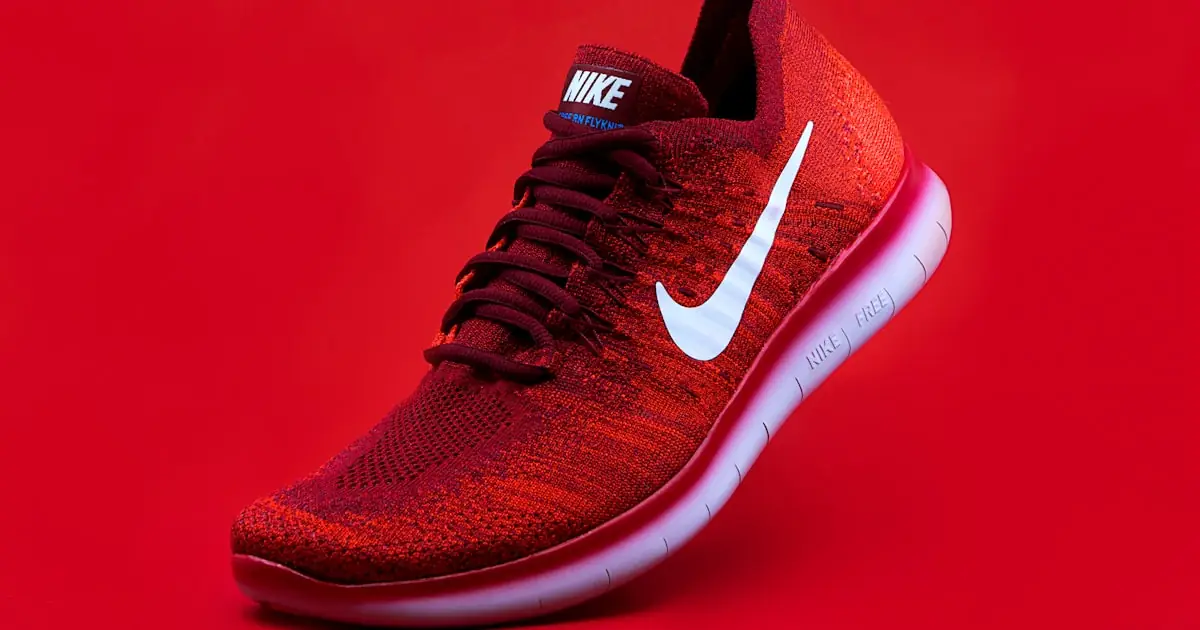
- Cloud 6 / Cloud X: Lifestyle walking shoes — light, low-stack everyday shoes (On lists an 8 mm drop for the Cloud 6). Reasonable for light daily use, not appropriate for running or standing all day. The Cloud X adds a flatter base for lateral movement (gym use).
- Cloudrunner 2: Mild stability running shoe — the most clinically useful On model for mild overpronators. Added medial support, wider base, more conventional midsole structure. This is the On shoe I most frequently recommend for patients who are set on the brand.
- Cloudmonster 2: One of the tallest stacks in the lineup (the newer Cloudmonster 3 is taller still) — the closest On gets to a HOKA Bondi competitor. More foam in the midsole, less reliance on pod geometry for cushion. Better choice than the standard Cloud for patients with heel or forefoot pain.
- Cloudsurfer: Performance daily trainer — lighter, more pod-dependent. Best for efficient neutral runners. Not recommended for injury recovery.
- Cloudstratus: Neutral trainer with a double layer of CloudTec cushioning, steadier than most On models. More accommodating for mild pronators than most On models. Better orthotic compatibility than pod-only designs.
Are On Cloud Shoes Good for Flat Feet?
This is the question I get asked about On more than any other, and the honest answer is that it depends on which kind of flat foot you have — a distinction almost nobody makes before they buy. The verdict table above says caution for flat feet and points at the Cloudrunner 2, and that holds. What follows is how to tell whether it applies to you.
Flexible or rigid: the distinction that decides the answer
Sit down and look at your arch, then stand up and look again. If an arch appears when you are seated and flattens when you put weight on it, you have a flexible flatfoot. That foot is still moving, which means footwear can meaningfully change how it loads. If there is no arch in either position, it is a rigid flatfoot, and no shoe is going to realign it — the goal shifts from correction to accommodation and cushioning.
Those two feet want nearly opposite shoes, and in clinic I see patients sold the wrong one routinely. A flexible flatfoot that rolls inward wants the motion resisted. A rigid flatfoot mostly wants to be padded and left alone. Deciding which you are takes about ten seconds and changes the whole recommendation.
Why CloudTec pods behave differently under a collapsing arch
The pods compress individually rather than as one slab of foam, and that is the part that matters here. On a foot that lands and pushes off through the center of the shoe, you get the light, responsive ride On is known for. On a foot that rolls inward, the inside pods take disproportionate load and compress further than the outside ones, so the platform can tip in the same direction your arch is already going.
That is the mechanical reason some wearers describe On Clouds as feeling tippy or vague underfoot — a complaint you will find all over the reviews, usually written by someone who never learned they overpronate. It is worth being fair to the shoe: this is not a defect. It is a neutral shoe doing exactly what a neutral shoe is built to do, being asked to do a stability shoe’s job. That is also why the Cloudrunner 2 and Cloudstratus are the two models that survive this section.
Three tests to run on any shoe before you buy it
You can assess any pair — On or otherwise — for flat-foot suitability in under a minute, in the store, with your hands. These are the same three checks we use in the office, and they tell you more than the spec sheet does. None of them require you to know your foot type in advance.
- The twist test. Hold the heel in one hand and the forefoot in the other and wring the shoe like a wet towel. A shoe with useful torsional stability resists you. If it twists easily, it will not control a collapsing arch.
- The heel counter squeeze. Pinch the back of the heel between thumb and forefinger. It should push back. A heel counter that folds flat gives your rearfoot nothing to sit against.
- The flex point check. Press the toe up toward the laces. The shoe should bend where your toes bend, at the ball of the foot. A shoe that folds in half across the middle is bending exactly where your arch needs support.
A pair that fails all three is a cushioned slipper with a brand name on it. That is fine for short, low-demand wear. It is not fine for a day on your feet, and no insole fully rescues it.
When flat feet are not a footwear problem at all
Some flat feet should not be shopped for. If you have aching along the inside of the ankle and arch, or an arch that is new, asymmetric, or getting flatter, that pattern points at the posterior tibial tendon rather than at your shoes. A foot that was not flat five years ago and is flat now is telling you something, and the honest answer is that it needs examining, not replacing. The clinical concerns section covers where neutral On models make that worse.
If your flat feet are long-standing, symmetric and simply tired by the end of the day, you are in ordinary footwear territory and everything above applies. Our fuller guidance is in the best shoes for overpronation and flat feet. For model-by-model comparisons, see best shoes for flat feet on our shoe-review site, Podiatrist Tested.
On Cloud Shoes for Specific Foot Conditions
Based on our clinical experience at Balance Foot & Ankle:
- Plantar fasciitis: Not recommended (standard Cloud models). The Cloudmonster 2 is acceptable as a second-line option if the patient has tried and disliked HOKA/Brooks. HOKA Bondi 9 or Brooks Ghost remains first choice.
- Posterior tibial tendonitis: Cloudrunner 2 only, if patient insists on On brand. Standard neutral On models will worsen PTT by allowing unchecked pronation.
- Metatarsalgia: Not recommended. EVA-based shoes (HOKA Clifton, Brooks Ghost) distribute forefoot pressure more evenly.
- Achilles tendonitis: Cloud 6 or Cloudrunner 2 can work — the moderate heel drop (On lists 8 mm and 10 mm respectively) is reasonable. Avoid any shoe causing increased Achilles load.
- Healthy neutral feet / recreational running: On Clouds are a legitimate excellent choice. Cloudrunner, Cloudsurfer, Cloud 6 are all well-regarded options for uncomplicated foot types.
- Diabetic footwear: Not appropriate — On Clouds lack the extra depth, seamless interior, and pressure-distributing properties required for therapeutic diabetic footwear.
The Most Common Mistake We See
The most common mistake is patients buying On Cloud shoes based on celebrity and lifestyle endorsements — and assuming that “feeling like walking on clouds” in a store correlates with therapeutic value for their foot condition. The in-store experience is genuinely unique and pleasant — the pods feel different from anything else. But that experience doesn’t translate to sustained, distributed impact absorption for an inflamed plantar fascia or a painful metatarsal head. Marketing to tennis stars, marathon runners, and fitness influencers doesn’t mean On Clouds serve every foot type or condition.
The second mistake: assuming all On Cloud models are equivalent. The difference between a Cloud 6 and a Cloudmonster 2 is substantial — nearly 10mm of additional stack height and significantly more midsole coverage. Recommending “On Clouds” as a category without specifying the model is like recommending “HOKA shoes” without distinguishing the Clifton from the Speedgoat. Model selection within the brand matters enormously.
⚠️ Reconsider On Cloud shoes if:
- You have active plantar fasciitis, metatarsalgia, or heel spur syndrome
- You’re a moderate-to-severe overpronator (choose Cloudrunner 2 minimum, or a different brand)
- You use custom rigid orthotics (pod geometry can interfere with orthotic seating)
- You weigh over 220 lbs and are running (pods compress and bottom out faster)
- You’ve bought On Clouds twice and had foot pain both times — your foot type is telling you something
When to Choose a Different Shoe
For many of our patients’ conditions, there are better first choices than On Clouds. Here’s what we recommend by condition:
- Maximum cushion / heel pain / metatarsalgia: HOKA Bondi 9 or Clifton 9
- Moderate overpronation: New Balance 860 v14, ASICS Kayano, Brooks Adrenaline GTS
- Plantar fasciitis (neutral foot): HOKA Clifton 9, Brooks Ghost 16, ASICS Gel-Nimbus
- Diabetic footwear: New Balance 928, Propet Stability Walker, Dr. Comfort brand
- Post-surgical walking: HOKA Bondi 9, New Balance 1540
For a model-by-model look at the current On lineup, Dr. Biernacki’s independent review site Podiatrist Tested compares the On Cloud 6 against the Cloudrunner using the published stack, drop and toe-box figures. The two On models people search for by name, the Cloudmonster 3 and the Cloudrunner 2, each have their own spec review there as well, alongside every On shoe it has analysed.
In-Office Treatment at Balance Foot & Ankle
When foot pain while adjusting to new shoe style persists despite home care, our team provides hands-on exam plus imaging when needed and treatment at our Howell and Bloomfield Township locations. Appointments are available.
Not sure whether the shoe is the problem or your foot is? That is what an exam settles. Book an appointment online at our Howell or Bloomfield Township office, or call (810) 206-1402 if your problem is urgent.
Related: Comparing On Cloud against budget options? See Are Skechers Good for Feet? A Podiatrist’s Verdict — how the Arch Fit line stacks up for everyday arch support.
Frequently Asked Questions
Are On Cloud shoes good for plantar fasciitis?
Standard On Cloud models are not recommended for active plantar fasciitis — the pod edges concentrate heel pressure exactly where the fascia is inflamed. If you’re set on the brand, the Cloudmonster 2 (more conventional EVA midsole) with a structured insole is an acceptable second-line pick; HOKA Bondi or Brooks Ghost remain our first choice.
What do podiatrists think of On Cloud shoes?
For healthy, neutral feet they’re excellent — light, responsive, well made. But they are not therapeutic shoes: the pods absorb less total impact than equal-height EVA foam and provide minimal medial control. We steer patients with plantar fasciitis, metatarsalgia, or significant overpronation toward other brands, or to the Cloudrunner 2 / Cloudmonster 2 only.
How long do On Cloud shoes last?
Plan on 300–400 miles. The CloudTec pods compress and lose rebound before the upper looks worn, and they bottom out sooner under higher body weight or heavy-impact form — heavier runners often need replacement before 300 miles.
Which On Cloud model is best for foot pain?
The Cloudrunner 2 (mild stability, best orthotic compatibility) and the Cloudmonster 2 (highest stack height, closest to a HOKA Bondi). Avoid the pod-only standard models for any active foot pain.
Where to Buy: Dr. Tom’s On Cloud Recommendations
In our clinic, if a patient is set on On Running, these are the two models I actually recommend. Buy them through Amazon for free returns if the fit isn’t right — foot width and arch height vary enough that sizing up or down is common.
Affiliate disclosure: Some of the links below are affiliate links. As an Amazon Associate, Balance Foot & Ankle earns from qualifying purchases, and we may earn a small commission from other retailers. It costs you nothing extra, and it does not change which models we recommend.
Best Overall: On Cloudrunner 2 (Most Clinically Useful Model)
The Cloudrunner 2 is the On shoe I recommend most often. It adds real medial support and a wider base — unlike the standard Cloud, it doesn’t rely entirely on pods for cushioning. Better orthotic compatibility, better heel strike geometry. If you have mild overpronation, flat feet, or heel pain, this is your On shoe. On Cloudrunner 2 on Amazon — free returns, ships in 2 days.
Best for Heel Pain: On Cloudmonster 2 (Maximum Cushion)

The Cloudmonster 2 has the highest stack height in the On lineup — it’s the closest thing On makes to a HOKA Bondi. More conventional EVA foam in the midsole, less dependence on pod geometry. If you have plantar fasciitis, fat pad atrophy, or general heel pain and you prefer On’s aesthetic, this is your model. On Cloudmonster 2 on Amazon — check current sizing availability.
Fit is the part you cannot judge online — so buy where returning is free. On runs narrow through the forefoot and the brand’s width options are limited, which is the single most common reason these shoes come back. That is not an argument against them; it is an argument for buying a pair you can send back without paying for the privilege. Zappos ships free, takes returns free both ways, and carries both the On range and the HOKA alternative below: On Cloudrunner · On Cloudmonster · the full On range · HOKA Bondi 9. Use the Amazon links above if you already know your size in On.
Those go to Zappos, not Amazon. Balance Foot & Ankle may earn a small commission if you buy through them, at no extra cost to you, and it does not change what is recommended here.
Best Custom Insole to Pair With On Shoes
On shoes have a removable insole — most are thin and flat. If you need arch support, swap it out. The PowerStep Pinnacle is our go-to: semi-rigid arch, deep heel cup, fits the On last without crowding the toe box. PowerStep Pinnacle Arch Support Insole — trim-to-fit, available in half sizes.
![Best Insoles & Orthotics 2026 [Flat Feet, Plantar Fasciitis, Bunions] — Dr. Tom Biernacki](https://www.michiganfootdoctors.com/wp-content/cache/flying-press/6aaf9aa60440dc660b09c7268151f57c.jpg)
If On Doesn’t Work for You: HOKA Bondi 9 (Our Clinical Standard)

When patients come back saying On shoes aggravated their heel or arch, we almost always pivot to HOKA Bondi. Maximum cushion, flat rocker, wider base — engineered for all-day comfort rather than performance aesthetics. Fewer patients return with complaints. HOKA Bondi 9 on Amazon — free returns on most colorways.
The Bottom Line
On Cloud shoes are genuinely excellent footwear for healthy, neutral feet — the technology delivers on its promise of responsive cushioning for runners and walkers who don’t have significant foot pathology. The hype is justified for the right patient. But they are not therapeutic shoes, and marketing them as universally healthy ignores the real clinical limitations of pod-based cushioning for patients with plantar fasciitis, metatarsalgia, overpronation, or high-impact loading needs. Know your foot type and your primary complaint before buying. If you’ve tried On Clouds and your feet still hurt, you need a foot type assessment — not a different colorway of the same shoe.
On Cloud is one of dozens of brands we evaluate against clinical criteria — see how it stacks up by condition in Dr. Tom’s podiatrist-recommended shoes hub.
Sources
- On Running AG. “CloudTec® Technology Overview.” on.com. 2026.
- Nigg BM, et al. “Running shoes and running injuries: mythbusting and a proposal for two new paradigms.” Br J Sports Med. 2015;49(20):1290-1294.
- Mündermann A, et al. “Development of a reliable method to assess footwear comfort during running.” Gait Posture. 2002;16(1):38-45.
Related Conditions
Ready to Get Relief?
Appointments available in Howell & Bloomfield Township, MI
4.9★ | 1,200+ Reviews | 3,000+ Surgeries
Or call: (810) 206-1402
For a complete clinical overview: Podiatrist-Recommended Shoes Guide — shoe recommendations for every foot condition
📋 Dr. Tom Biernacki, DPM, FACFAS answers:
On Cloud shoes offer excellent cushioning and lightweight construction, but the CloudTec sole — with individual “pods” — can reduce lateral stability for people with flat feet, overpronation, or chronic ankle instability. For neutral foot types and runners who land midfoot, they perform well. However, patients with plantar fasciitis often need more structured arch support than Cloud shoes provide. My recommendation: try them with a premium insole if you have any arch or heel concerns, and avoid the minimalist models if you have a low arch.
More podiatrist shoe comparisons
Ready to compare On Cloud against the competition? See On Cloud vs HOKA, Nike vs HOKA, On Cloud vs New Balance, and the Hoka vs Brooks vs New Balance three-way. Deciding between On models? Start with On Cloud 6 vs Cloudrunner or our best On Cloud shoes for plantar fasciitis picks.
Cushioning can mask heel pain but won’t cure plantar fasciitis. If morning heel pain persists, our Howell and Bloomfield Township podiatrists treat the root cause.
Still weighing which shoes truly support your feet? Compare the options in our podiatrist’s orthotics & footwear guide.
Buying On Clouds for a Specific Problem? Start Here
On Clouds work well for some feet and fall short for others. If you’re buying to solve a particular problem, these doctor-reviewed guides, each vetted by Dr. Tom Biernacki, DPM, point you to the right model and features:
- Podiatrist-Recommended Shoes by Foot Condition — our full breakdown, sorted by problem.
- Best On Cloud Shoes for Plantar Fasciitis — the On Cloud models with real heel support.
- Best Shoes for Achilles Tendonitis — heel elevation that offloads the tendon.
- Best Shoes for Top-of-Foot Pain — if the laces press the top of your foot.
- Best Shoes for Metatarsalgia (Ball-of-Foot Pain) — forefoot cushioning under the ball.
Book an appointment with a podiatrist
A cushioned shoe can mask a problem as easily as it can help one, and the foot that still aches after the honeymoon period is usually telling you something the shoe cannot fix. An exam identifies the source of the pain before you buy another pair. Balance Foot & Ankle sees patients at two offices — Howell in Livingston County, and Bloomfield Township in Oakland County.
Book online, 24/7: choose a real appointment time at Howell or Bloomfield Township. Prefer to speak with someone first? Call (810) 206-1402 or use the form below.

Dr. Tom Biernacki, DPM is a board-certified foot & ankle surgeon (ABFAS & ABPM) at Balance Foot & Ankle Specialists in Southeast Michigan. With over a decade of clinical experience, he specializes in heel pain, bunions, diabetic foot care, sports injuries, and minimally invasive surgery. Dr. Biernacki is a member of the APMA and ACFAS, and his patient education content on MichiganFootDoctors.com and YouTube has made him one of the most-followed foot & ankle educators on YouTube.
More questions patients ask
Are On Cloud shoes good for your feet?
On Cloud shoes have a unique CloudTec sole with pods that compress on impact. They are lightweight with decent cushioning but provide less arch support and stability than many podiatrist-recommended brands. They work well for neutral foot types on varied surfaces but may not be ideal for overpronation, plantar fasciitis, or flat feet without added orthotics.
Do podiatrists recommend On Running shoes?
Michigan podiatrists find On Cloud shoes acceptable for casual wear and light exercise in people with neutral or high-arched feet. They are not typically the first recommendation for patients with plantar fasciitis, flat feet, or significant overpronation, where shoes with more structured arch support (HOKA, Brooks, New Balance) are preferred.
Are On Cloud shoes worth the price?
On Cloud shoes offer a distinctive feel and are well-made, but at $130–$180 they are expensive for what they provide biomechanically. For most foot conditions, similarly-priced HOKA, Brooks, or ASICS models offer more clinical support. On shoes shine most as versatile, stylish daily shoes for people without significant foot issues.
Are On Cloud shoes bad for plantar fasciitis?
On Cloud shoes are not ideal for plantar fasciitis. They lack significant arch support, the soft midsole compresses quickly, and the heel cushioning is minimal. For plantar fasciitis, choose HOKA Bondi 8 or Brooks Glycerin instead. If you must wear On Clouds, add Powerstep Pinnacle insoles for additional arch support.
Do On Cloud shoes cause foot problems?
On Cloud shoes can cause foot problems for: severely overpronated feet (insufficient stability), flat feet (limited arch support), heavier runners (cushion compresses faster), high-mileage runners (durability issues). For neutral foot types and casual walkers, they work well. The CloudTec voids can hold rocks — clean periodically. Match shoe type to your foot.
Why do On Cloud shoes hurt my feet?
The most common complaints we see in clinic: (1) metatarsalgia from CloudTec pod edges concentrating pressure on the ball of the foot, (2) arch pain in flat-footed patients from the neutral platform, (3) heel slippage in narrow-heeled patients from the wide toe box. The narrow fit is On's biggest clinical issue — their European sizing runs narrow through the midfoot despite a spacious toe box.
When should I see a podiatrist if my On Cloud shoes are causing pain?
See a podiatrist if foot pain from On Cloud shoes persists beyond 2–3 weeks after switching models, if you have morning heel pain, toe joint swelling, or numbness. Balance Foot & Ankle offers same-day appointments at our Howell and Bloomfield Township locations — call (810) 206-1402 or book online at michiganfootdoctors.com/new-patient-information/.
Still have a question about coverage or cost? Book online and we will check your benefits before your visit: Book in Howell · Book in Bloomfield Township. Prefer to talk it through first? Call (810) 206-1402.