
Medically reviewed by Dr. Tom Biernacki, DPM
Board-certified podiatric surgeon | Balance Foot & Ankle, Howell & Bloomfield Township, MI
Last reviewed: May 2026

| Treatment | Mechanism | Sessions | Success Rate | Pain Level | Best For |
|---|---|---|---|---|---|
| Swift Microwave Therapy | Microwave energy (8 GHz) denatures HPV-infected tissue; activates immune response | 3–4 sessions, 4 weeks apart | 76–83% clearance | Brief intense (2–3 seconds) then resolves | All plantar warts; mosaic warts; immunocompromised patients |
| Cantharidin (Beetle Juice) | Causes blister beneath wart; lifts infected keratin | 2–4 sessions, 2–3 weeks apart | 65–80% clearance | Painless in-office; blister pain 12–24 hrs | Children; multiple warts; needle-phobic patients |
| Cryotherapy (Liquid Nitrogen) | Freeze-thaw cycle destroys HPV-infected cells | 3–6 sessions, 2–4 weeks apart | 50–70% clearance | Moderate stinging; blister formation | Single small warts; routine office treatment |
| Salicylic Acid (topical) | Keratolytic breakdown of infected keratin | Daily application × 12 weeks | 50–70% with consistent use | Minimal | Home therapy; adjunct to office treatment |
| Surgical Excision / Curettage | Physical removal of wart core under local anesthesia | 1 session | 80–90% (single wart) | Post-procedural soreness 1–2 weeks | Recalcitrant single wart; failed other treatments |
| Intralesional Injections (Bleomycin/Candida) | Cytotoxic or immunostimulatory injection into wart | 1–3 sessions | 60–80% | Moderate injection pain | Large or mosaic warts; immunotherapy approach |
| Feature | Plantar Wart (Verruca Plantaris) | Corn (Heloma Durum) | Callus |
|---|---|---|---|
| Cause | Human papillomavirus (HPV types 1, 2, 4, 27, 57) | Pressure / friction over bony prominence | Diffuse pressure / friction (no bony point) |
| Appearance | Flat, hyperkeratotic; disrupted skin lines; pinpoint bleeding when debrided | Hard central core (nucleus); intact skin lines around it | Diffuse thickened skin; no discrete core |
| Pain Pattern | Pinch pain (lateral-lateral compression) | Direct pressure pain | Diffuse ache; less sharp |
| Skin Lines | Interrupted / disrupted (diagnostic sign) | Skin lines intact around corn | Skin lines intact |
| Treatment | Antiviral / immunotherapy / destruction | Enucleation; padding; orthotic; surgery if bony prominence | Debridement; padding; orthotic correction |
Quick answer: Plantar Wart Removal Michigan is a common foot/ankle topic that affects many patients. The 2026 evidence-based approach combines proper diagnosis, conservative-first treatment, and escalation only when needed. We treat this regularly at our Howell and Bloomfield Township practices. Call (810) 206-1402.
Medically Reviewed | Dr. Tom Biernacki, DPM | Board-Certified Podiatric Surgeon | Balance Foot & Ankle, Michigan

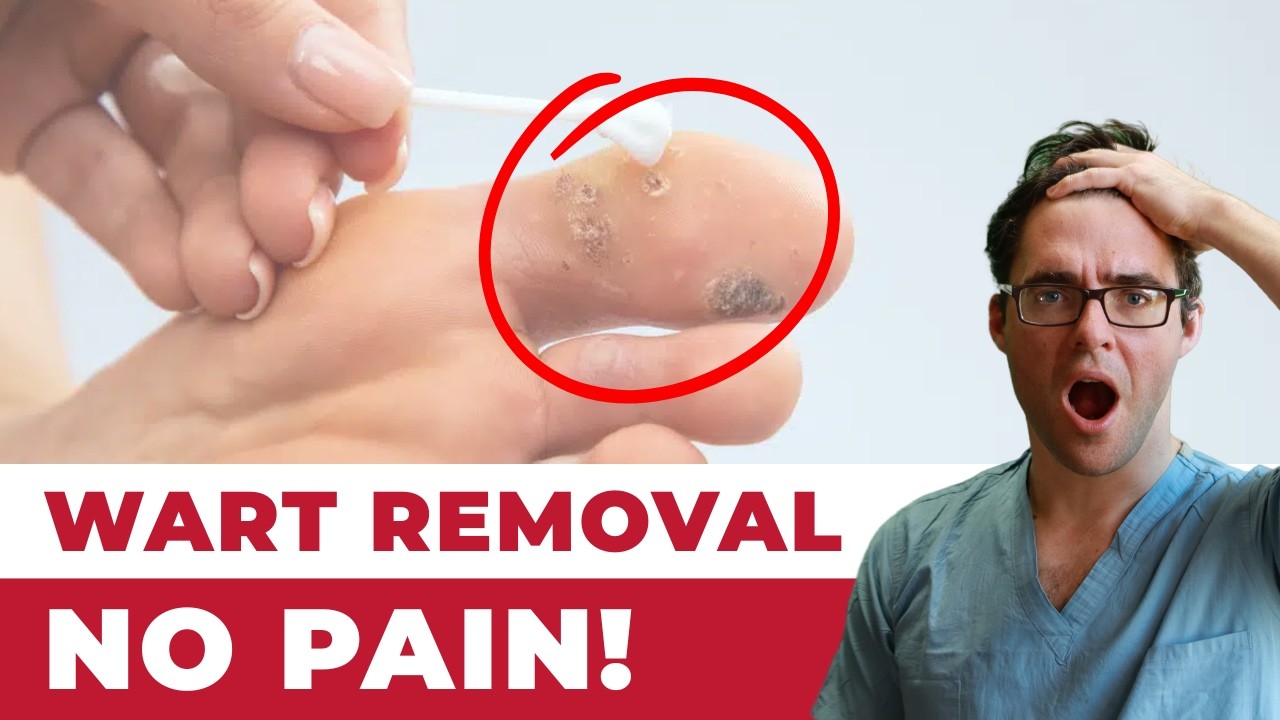
Watch: Plantar Wart Removal: How to Get Rid of a Foot Wart with No PAIN! — MichiganFootDoctors YouTube
The most important clinical decision with Plantar Wart Removal Michigan isn’t which treatment to start with — it’s identifying the correct subtype. That changes everything. Call (810) 206-1402.
The most important clinical decision with Plantar Wart Removal Michigan isn’t which treatment to start with — it’s identifying the correct subtype. That changes everything. Call (810) 206-1402.
Diagnosing Plantar Warts
Plantar warts appear as firm hyperkeratotic growths on the plantar surface, often with small black dots (thrombosed capillaries). The key distinguishing feature from callus: warts disrupt the skin lines (fingerprint-like ridges visible across the plantar surface are interrupted by the wart), while callus does not. When debrided with a scalpel, warts show bleeding points from capillary ends; callus shows uniform hyperkeratotic tissue.
Mosaic warts are multiple confluent warts in a cluster pattern — more resistant to treatment than single lesions and may require more aggressive management. Periungual warts around the toenail folds require careful treatment to avoid nail matrix damage.
Treatment Options
Salicylic acid: Daily debridement and salicylic acid application (17-40%) — first-line for single uncomplicated warts. Requires 8-16 weeks of consistent application. 50-60% cure rate. Cryotherapy (liquid nitrogen): Freeze-thaw cycles destroy the wart tissue and stimulate immune response. Multiple sessions 3-4 weeks apart. 50-70% cure rate but more painful. Cantharidine (blister beetle): Applied in-office, causes blistering that destroys the wart from below — good efficacy, minimal patient discomfort during application. Swift microwave therapy: Focused microwave energy heats the wart to 42-45°C, stimulating an immune response to the HPV. Multiple sessions; 70-85% cure rates in clinical studies — highest of any topical modality.
Resistant Warts
For warts resistant to multiple conservative treatments: intralesional candida antigen or bleomycin injections stimulate robust local immune response. Surgical excision under local anesthesia is definitive but carries scarring risk and recurrence from seeding the incision site. Combination treatment (cryotherapy plus salicylic acid or immunotherapy) is more effective than any single modality alone.
Dr. Tom's Product Recommendations

Foot Petals Tip Toes Ball of Foot Cushions
⭐ Highly Rated
Protective cushioning over plantar warts reduces the pressure pain that makes warts so symptomatic during treatment. Cushioning the wart site allows continued activity while treatment progresses.
Dr. Tom says: “https://m.media-amazon.com/images/I/71QVEQrMqQL._AC_SL300_.jpg”
Wart pressure pain relief during treatment, continued activity support
Direct treatment of the wart (requires antiviral/immune modality)
Disclosure: We earn a commission at no extra cost to you.

FLAT SOCKS Low-Cut Liner
⭐ Highly Rated
Moisture-wicking socks reduce the macerated skin environment that makes plantar warts more persistent. Drier plantar skin is less susceptible to HPV proliferation and responds better to treatment.
Dr. Tom says: “https://m.media-amazon.com/images/I/61MzG9PQPNL._AC_SL300_.jpg”
Treatment environment optimization, preventing spread through moisture reduction
Direct wart treatment (requires clinical intervention)
Disclosure: We earn a commission at no extra cost to you.
✅ Pros / Benefits
- Swift microwave therapy achieves 70-85% cure rates — highest of conservative modalities
- Combination treatment protocols improve outcomes over single modalities
- Professional treatment significantly faster than at-home salicylic acid for stubborn warts
❌ Cons / Risks
- Plantar warts in children often resolve spontaneously within 2 years — aggressive treatment may not be necessary
- Mosaic wart clusters are significantly more treatment-resistant
- No treatment achieves 100% cure — recurrence after any modality is possible
Dr. Tom Biernacki’s Recommendation
Plantar wart treatment has evolved a lot in the past decade. Swift microwave is genuinely different from everything we had before — the immune stimulation effect produces cure rates I never saw with cryotherapy alone. For children with warts, I often recommend watchful waiting first: 60-70% of pediatric warts resolve on their own within 2 years, and aggressive treatment of a child who just needs time can be traumatic. For adults with painful weight-bearing warts, we move faster to professional treatment.
— Dr. Tom Biernacki, DPM | Board-Certified Podiatric Surgeon | Balance Foot & Ankle
Frequently Asked Questions
How do I know if I have a plantar wart or a callus?
Warts have interrupted skin lines (look like a crater in your fingerprint ridges) and show small black dots (blood vessels). Callus has normal skin line continuity across it. Pinching a wart side-to-side hurts more than pushing straight down; callus hurts with direct pressure. A podiatrist can definitively distinguish them with a scalpel debridement.
Can plantar warts spread to other family members?
Yes — HPV causing plantar warts is transmitted by contact with contaminated surfaces (shower floors, pool decks) or directly from an infected person’s wart. Use flip-flops in communal shower/pool areas, do not share towels, and cover warts during pool or gym use to reduce transmission risk.
Should I see a podiatrist for plantar warts?
See a podiatrist for warts that: are painful, are not responding after 3 months of consistent at-home treatment, are multiplying (mosaic pattern), are in a diabetic or immunocompromised patient, or are causing significant limping or gait change. Professional treatment is faster and more effective than at-home care for persistent warts.
Michigan Foot Pain? See Dr. Biernacki In Person
4.9★ rated | 1,123 Reviews | 3,000+ Surgeries
Same-week appointments · Howell & Bloomfield Township
📞 (810) 206-1402 Book Online →What is Plantar wart?
Plantar wart is a common foot/ankle condition that affects mobility and quality of life. Understanding the underlying cause is the first step in successful treatment. Our podiatrists at Balance Foot & Ankle perform a hands-on biomechanical exam, review your activity history, and use diagnostic imaging when appropriate to identify the root cause—not just treat the symptom. Many patients have been told to “rest and ice” without a deeper diagnostic workup; our approach is different.
Symptoms and warning signs
Common signs of plantar wart include pain that worsens with activity, morning stiffness, swelling, tenderness when palpated, and difficulty bearing weight. If you experience sudden severe pain, inability to walk, visible deformity, numbness or color change, contact our office the same day or visit urgent care—these can signal a more serious injury such as a fracture, tendon rupture, or vascular compromise. Diabetics with any foot wound should seek same-day care.
Conservative treatment options
Most cases of plantar wart respond to non-surgical care: structured rest, supportive footwear changes, custom orthotics, targeted stretching and strengthening protocols, anti-inflammatory medications when medically appropriate, and in-office procedures such as ultrasound-guided injections. We also offer advanced therapies including MLS laser therapy, EPAT/shockwave, regenerative injections, and image-guided procedures. Treatment is sequenced from least invasive to most invasive, and we explain the rationale at every step.
When is surgery considered?
Surgery is reserved for cases that fail 3-6 months of well-structured conservative care, when there is structural pathology (severe deformity, complete tear, advanced arthritis), or when imaging shows damage that will not heal without intervention. Our surgeons have performed 3,000+ foot and ankle procedures and prioritize minimally-invasive techniques whenever appropriate. We discuss recovery timelines, return-to-activity milestones, and realistic outcome expectations before any procedure is scheduled.
Recovery timeline and prevention
Recovery from plantar wart varies based on severity and chosen treatment path. Conservative cases often improve within 4-8 weeks with consistent adherence to the protocol. Post-procedural recovery may range from a few days (in-office procedures) to several months (reconstructive surgery). Long-term prevention involves footwear assessment, activity modification, structured strengthening, and regular check-ins with your podiatrist if you have a history of recurrence. We provide written home-exercise plans and digital follow-up support.
Ready to feel better?
Same-week appointments available in Howell and Bloomfield Township, Michigan.
Book Your VisitIn-Office Treatment at Balance Foot & Ankle
If home treatment isn’t providing relief for your plantar wart removal michigan, our podiatry team at Balance Foot & Ankle can help with same-day evaluations and advanced in-office care.
American Academy of Dermatology: Warts
Ready to Get Relief?
Same-day appointments available in Howell & Bloomfield Township, MI
4.9★ | 1,123 Reviews | 3,000+ Surgeries
Or call: (810) 206-1402

Dr. Tom Biernacki, DPM is a board-certified foot & ankle surgeon (ABFAS & ABPM) at Balance Foot & Ankle Specialists in Southeast Michigan. With over a decade of clinical experience, he specializes in heel pain, bunions, diabetic foot care, sports injuries, and minimally invasive surgery. Dr. Biernacki is a member of the APMA and ACFAS, and his patient education content on MichiganFootDoctors.com and YouTube has made him one of the most-followed foot & ankle educators on YouTube.
More questions patients ask
What is the most effective treatment for plantar warts?
No single treatment has 100% efficacy, but the most effective options for resistant plantar warts include cryotherapy (liquid nitrogen freezing), salicylic acid debridement protocols, laser ablation (CO2 or pulsed dye laser), bleomycin injections, and immunotherapy (Candida antigen injection). For small, early warts, consistent salicylic acid application combined with weekly podiatric debridement resolves most cases within 6–12 weeks.
How does cryotherapy remove plantar warts?
Liquid nitrogen (at -196°C) is applied directly to the wart for 10–30 seconds, freezing and destroying the infected tissue. The freeze-thaw cycle damages the HPV-infected keratinocytes and triggers an immune response that helps clear residual virus. A blister may form over 24–48 hours. Warts typically require 2–4 cryotherapy sessions spaced 2–4 weeks apart. The procedure is mildly to moderately painful.
Why do plantar warts keep coming back?
Recurrence happens because the human papillomavirus (HPV) can remain dormant in surrounding skin beyond the visible wart border. Incomplete destruction of the peripheral viral reservoir allows regrowth. Additionally, the immune system in some individuals — particularly children and immunocompromised patients — does not mount an adequate response to clear HPV after treatment. Combining destructive treatments with immunotherapy improves long-term clearance rates.
When should a plantar wart be evaluated by a podiatrist?
See a podiatrist if the wart is painful, if it is larger than 1 centimeter or spreading, if you have tried OTC salicylic acid for 8 weeks without improvement, if you are diabetic or immunocompromised, or if you are unsure whether the lesion is actually a wart (other conditions such as corns, seed corns, and porokeratosis can mimic warts). Podiatrists also biopsy lesions that look atypical to rule out rare skin cancers.
Still have a question about coverage or cost? Book online and we will check your benefits before your visit: Book in Howell · Book in Bloomfield Township. Prefer to talk it through first? Call (810) 206-1402.