
Quick answer: Treatment for plantar warts treatment follows a stepwise approach: 1) conservative care first (rest, ice, supportive footwear, OTC anti-inflammatories), 2) physical therapy and targeted exercises, 3) in-office treatments (injections, custom orthotics) if conservative fails at 4-6 weeks, 4) surgery for refractory cases. Most patients resolve at step 1 or 2. Book online or call (810) 206-1402.
Plantar Warts: Treatment Options (Cryotherapy to Surgery)
Plantar warts are caused by HPV virus infecting the skin of your sole. Most common in kids, athletes, and people who walk barefoot in communal spaces (gyms, pools). Treatment hierarchy: salicylic acid (40-60% success in months) → cryotherapy (60-80% in 3-6 sessions) → laser (70-90%) → surgical excision (90%+). Multiple warts often need multiple modalities.
What are plantar warts and what causes them?

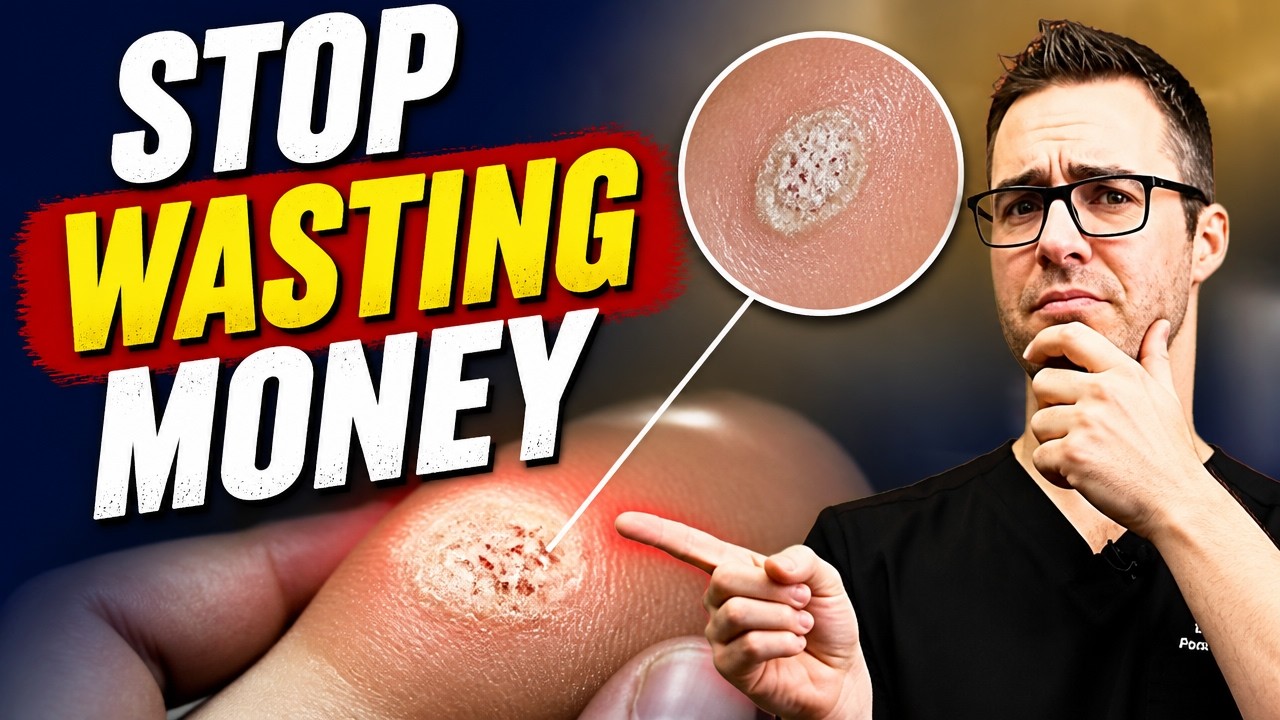
Plantar warts are benign skin growths caused by human papillomavirus (HPV) — specifically subtypes 1, 2, 4, 27, and 57 — that infect the outer layer of skin on the sole of the foot. The virus enters through microscopic cuts or areas of softened skin, which is why children, swimmers, and people who use communal showers are at highest risk. Unlike warts on other parts of the body, plantar warts are driven inward by the pressure of walking, making them appear flat with a callus-like surface. They often have tiny black dots (thrombosed capillaries — sometimes called “wart seeds”) that help distinguish them from corns and calluses.
A single plantar wart is called a solitary wart; multiple warts clustered together are called a mosaic wart — which is generally harder to treat and more resistant to cryotherapy. Most healthy adults clear plantar warts without treatment within 2 years, but they are painful, contagious, and can spread to cover large areas of the foot if untreated. Professional treatment dramatically shortens this timeline.
Symptoms: how to know if it's a wart (not a corn)
The most reliable distinguishing feature: warts hurt when squeezed from the sides (pinch test), while corns and calluses hurt when pressed directly. Other wart characteristics include: a rough, grainy texture; disrupted skin lines (fingerprint lines stop at the wart border); a cauliflower-like surface under the callus layer; and the black dots (capillaries) visible when the top layer is pared. Location matters too — corns typically form over bony prominences and under the lesser toes, while warts can appear anywhere on the sole including non-pressure areas.
How Plantar Warts Spread
HPV virus enters skin through small breaks/cuts. Common sources: gym showers, pool decks, hotel bathrooms, school locker rooms, shared shoes/socks. Warts can spread to other parts of the foot or to family members. Always wear flip flops in communal areas.
Watch: Dr. Tom Biernacki on removing stubborn plantar warts — what actually works when over-the-counter treatments keep failing.
Treatment Options Compared
Over-the-counter (salicylic acid 17%, Compound W): 40-60% success in 2-6 months of daily application. Cheap, painless, takes patience.
Cryotherapy (in-office liquid nitrogen): 60-80% success in 3-6 sessions every 2-4 weeks. Some discomfort during freezing.
Prescription topical (cantharidin, imiquimod): 50-70% success.
Laser ablation: 70-90% success in 1-3 sessions. More expensive.
Surgical excision: 90%+ success but creates wound.
Bleomycin injection (severe cases): 80-95% success.
When Plantar Warts Are Resistant
Up to 30% of warts resist single-modality treatment. Combination approaches: salicylic acid daily + biweekly cryotherapy + occasional laser. Recalcitrant warts may need bleomycin or surgical excision. Don’t give up — they almost always eventually clear.
Frequently Asked Questions

How long until plantar warts go away?
OTC: 2-6 months. In-office: 6 weeks to 6 months depending on modality.
Do plantar warts spread?
Yes. Can spread on same foot, to other foot, or to family members through shared surfaces.
Are plantar warts dangerous?
No. Cosmetic and uncomfortable, but not dangerous. Persistent warts in adults rarely (1 in millions) become cancerous.
Will my plantar wart come back?
10-20% recurrence even after successful treatment. Address shoe contamination, foot hygiene, and immunity.
Should I see a podiatrist or dermatologist for warts?
Either works. Podiatrists treat them daily and offer all modalities including surgical removal if needed.
Get Expert Care
📞 Call (810) 206-1402 — Same-Week Appointments Available
Book Online →
Frequently Asked Questions
How long does treatment take to work?
Most patients see improvement in 4-8 weeks with consistent conservative care. Persistent symptoms after 8 weeks need imaging and escalation.
When is surgery needed?
Surgery is reserved for cases that fail 3-6 months of conservative care, structural deformities, or fractures requiring stabilization.
Is this covered by insurance?
Most diagnostic visits and conservative treatments are covered by Medicare and major insurers. Custom orthotics often require diabetic or post-surgical justification.
What is Plantar wart?
Plantar wart is a common foot/ankle condition that affects mobility and quality of life. Understanding the underlying cause is the first step in successful treatment. Our podiatrists at Balance Foot & Ankle perform a hands-on biomechanical exam, review your activity history, and use diagnostic imaging when appropriate to identify the root cause—not just treat the symptom. Many patients have been told to “rest and ice” without a deeper diagnostic workup; our approach is different.
Symptoms and warning signs
Common signs of plantar wart include pain that worsens with activity, morning stiffness, swelling, tenderness when palpated, and difficulty bearing weight. If you experience sudden severe pain, inability to walk, visible deformity, numbness or color change, contact our office the same day or visit urgent care—these can signal a more serious injury such as a fracture, tendon rupture, or vascular compromise. Diabetics with any foot wound should seek same-day care.
Conservative treatment options
Most cases of plantar wart respond to non-surgical care: structured rest, supportive footwear changes, custom orthotics, targeted stretching and strengthening protocols, anti-inflammatory medications when medically appropriate, and in-office procedures such as ultrasound-guided injections. We also offer advanced therapies including MLS laser therapy, EPAT/shockwave, regenerative injections, and image-guided procedures. Treatment is sequenced from least invasive to most invasive, and we explain the rationale at every step.
When is surgery considered?
Surgery is reserved for cases that fail 3-6 months of well-structured conservative care, when there is structural pathology (severe deformity, complete tear, advanced arthritis), or when imaging shows damage that will not heal without intervention. Our surgeons have performed 3,000+ foot and ankle procedures and prioritize minimally-invasive techniques whenever appropriate. We discuss recovery timelines, return-to-activity milestones, and realistic outcome expectations before any procedure is scheduled.
Recovery timeline and prevention
Recovery from plantar wart varies based on severity and chosen treatment path. Conservative cases often improve within 4-8 weeks with consistent adherence to the protocol. Post-procedural recovery may range from a few days (in-office procedures) to several months (reconstructive surgery). Long-term prevention involves footwear assessment, activity modification, structured strengthening, and regular check-ins with your podiatrist if you have a history of recurrence. We provide written home-exercise plans and digital follow-up support.
Ready to feel better?
Same-week appointments available in Howell and Bloomfield Township, Michigan.
Book Your Visit🧴 Pain Relief During Plantar Wart Treatment
Plantar warts (verruca plantaris) can cause significant localized pain when walking — especially during active treatment with cantharidin, salicylic acid, or laser therapy. Doctor Hoy’s Natural Pain Relief Gel provides temporary topical relief from the soreness between treatments. It’s not a wart treatment itself, but helps manage day-to-day discomfort when the lesion is being actively treated over several weeks.
Shop Doctor Hoy’s Natural Pain Relief Gel → | ~$20–25 | 30% commission via Foundation Wellness
Affiliate disclosure: As an Amazon Associate and Foundation Wellness partner, we earn from qualifying purchases at no extra cost to you.
👟 Pressure Offloading: Protecting the Wart Site
Plantar warts on weight-bearing surfaces like the heel or ball of foot cause pain because pressure forces the wart inward (endophytic growth). PowerStep orthotics with accommodation padding redirect pressure away from the wart lesion — making walking significantly more comfortable during the 4-8 week treatment course. I customize these with a donut pad cutout directly over the wart site in clinic.
Shop PowerStep Pinnacle Orthotics → | ~$25–40 | 30% commission via Foundation Wellness
Affiliate disclosure: As an Amazon Associate and Foundation Wellness partner, we earn from qualifying purchases at no extra cost to you.