
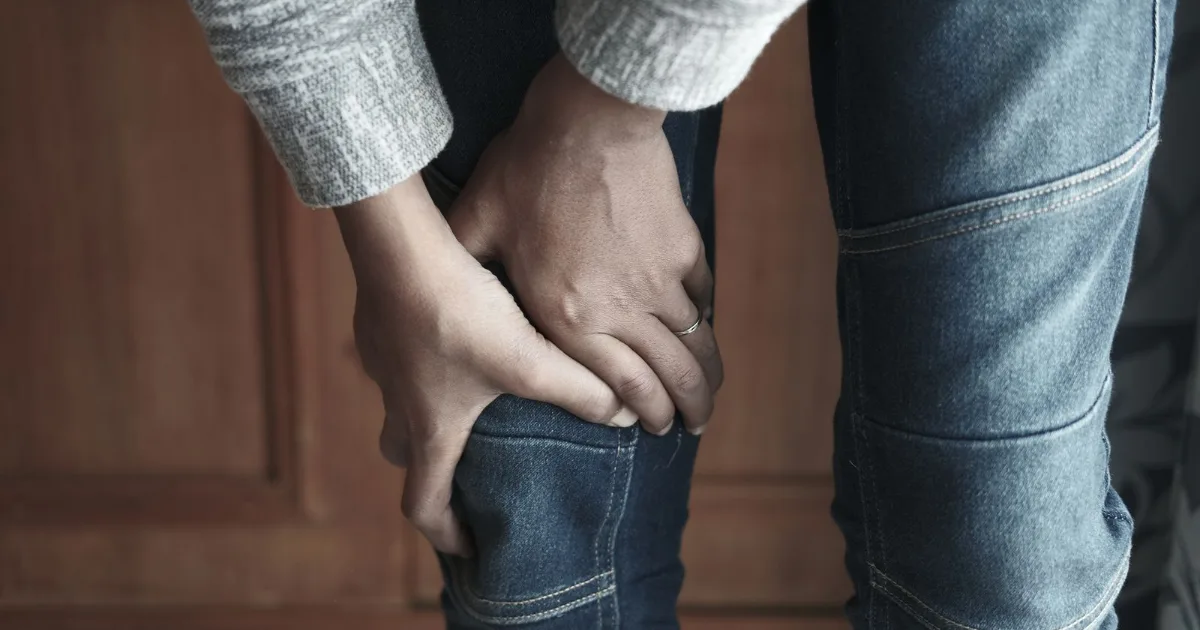

Best Shoes for Knee Pain: Quick Answer
The best shoe for knee pain is a stable, supportive, well-cushioned shoe that feels comfortable the first time you put it on. Not a flat, flexible or minimalist one: in a six-month randomized trial of 164 people with knee osteoarthritis, supportive shoes reduced knee pain on walking more than flat, flexible shoes did, and the flat-shoe group reported more side effects, mostly new or worse knee pain.
My 2026 picks: Brooks Ghost 18 or ASICS Gel-Nimbus 28 for most people (neutral cushioning), HOKA Bondi 9 if you want maximum cushion and a rocker sole, Brooks Adrenaline GTS 25 or HOKA Gaviota 6 if your arches collapse inward when you stand, and New Balance Fresh Foam X 880v15 if you need a wide or extra-wide fit.
Keep expectations honest: a shoe is a modest, low-risk help. Strengthening the hip and thigh muscles and building up activity gradually do more for knee pain than any shoe. Get the knee examined if it locks, gives way or swells.
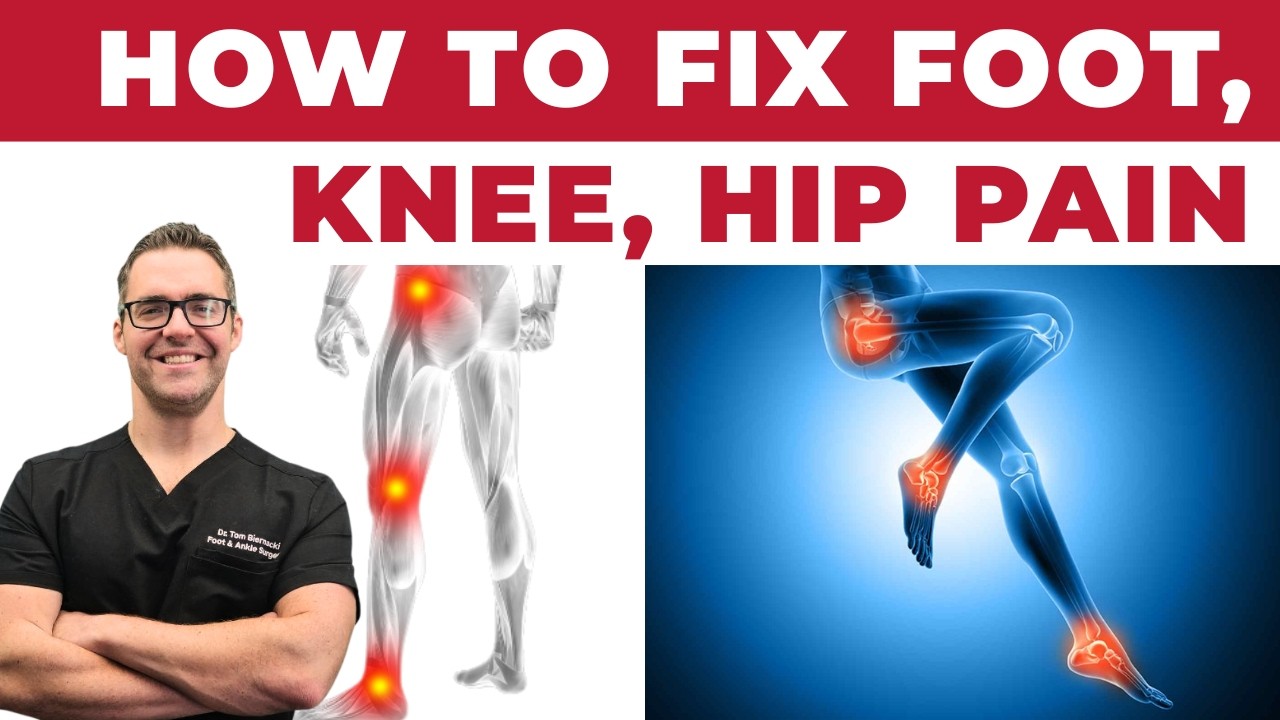
In This Article
- Can shoes really help knee pain?
- How your feet affect your knees
- What to look for in a shoe for knee pain
- What the research says about shoes for knee arthritis
- Best shoes for knee pain in 2026: my picks
- The picks side by side
- Insoles and orthotics: what helps and what doesn’t
- Where your knee hurts changes the priorities
- Shoes to avoid with knee pain
- When knee pain needs an exam
Can Shoes Really Help Knee Pain?
Your knees hurt. You’ve tried stretching, you’ve tried physical therapy, maybe you’ve had imaging done. But nobody asked you about your shoes.
As a podiatrist, I see this constantly: patients with knee pain who have never been evaluated from the ground up. Your feet are the foundation. The way your foot lands — whether it rolls in, stays on its outer edge or strikes hard — changes the forces that travel up through the ankle to the knee. Change the shoe and those forces measurably change too.
What is less certain is how much that lowers pain. Usually the effect is real but modest. So buy the right shoe — it is inexpensive and low-risk — but buy it alongside the things that move knee pain the most: progressive strengthening of the hip and thigh muscles, building up how far you walk or run gradually, and weight loss where that applies.
How Your Feet Affect Your Knees
These are the three foot-and-knee patterns I see most often. If you’re not sure which one is yours, our guide to knee pain that starts in the feet walks through the signs.
1. Feet that roll inward and pain around the kneecap
When the foot rolls excessively inward after it lands (overpronation), the shin bone rotates inward with it. That rotation changes how the kneecap tracks in its groove, and it is one reason people with flat, collapsing feet develop patellofemoral pain: an ache around or behind the kneecap, often worse on stairs, when squatting or after sitting.
What helps in a shoe: a stability shoe that limits the inward roll, such as Brooks’ GuideRails or HOKA’s H-Frame designs, plus a supportive insole if you need more. In trials of patellofemoral pain, foot orthoses gave short-term relief — more on that below.
2. Outer-knee pain in runners and walkers
Pain on the outside of the knee that builds during a run or a long walk is most often iliotibial (IT) band syndrome. It is usually linked to how quickly training has increased and to hip strength, more than to footwear. A cushioned shoe and a slightly shorter stride can make sessions more comfortable while you correct the cause, but no shoe fixes it on its own.
3. Inner-knee pain and knee arthritis
The inner (medial) side of the knee carries most of the load when you walk, which is one reason osteoarthritis usually starts there, and bowed (varus) knees load it even more. A shoe cannot change your alignment, but a stable, cushioned, comfortable shoe is the evidence-backed default (see the research below). Outward-tilted lateral wedge insoles were widely promoted for this pattern; trials have not shown a meaningful pain benefit.
What to Look For in a Shoe for Knee Pain
1. Support and stability that match your foot
Every good shoe for sore knees starts with a stable base: a firm heel counter that doesn’t collapse when you squeeze it, and a sole that doesn’t twist easily. Beyond that, match the support to your foot. If your arch visibly collapses when you stand, a stability shoe can reduce how far the foot and shin roll inward. If it doesn’t, extra stability adds correction you don’t need and can feel harsh.
2. Cushioning with real depth, but not as soft as possible
A midsole with some depth softens each heel strike. Depth matters more than softness: very soft foam that bottoms out under your weight stops protecting you. More is not automatically better, either. In a 2018 study, runners in a highly cushioned maximalist shoe landed with a stiffer leg and higher impact forces than in a conventional shoe, especially at faster speeds. Choose the cushioning that feels both comfortable and stable to you.
3. A rocker sole, if it feels better
A curved (rocker) sole rolls you through the end of each step instead of making your ankle and toes bend to push off. Many people with knee pain find walking easier in one. Be aware that the evidence for rocker soles in knee osteoarthritis is weak, and Australia’s RACGP osteoarthritis guideline suggests not prescribing them specifically for knee arthritis. Buy one because it is comfortable, not as a treatment. Our comparison of rocker soles and flat soles goes deeper.
4. Heel-to-toe drop: no magic number
Drop is how much higher the heel sits than the forefoot. There is no single right figure for knee pain. Lower-drop and zero-drop shoes tend to shift work away from the knee and toward the calf and Achilles tendon, so if you move to a lower drop, do it gradually — and skip it if your calf or Achilles is already sore. The picks below range from 5 to 10 mm. More in our guide to zero-drop shoes.
5. Comfort on the first try
The best-designed shoe does nothing in a closet. If a shoe isn’t comfortable in the store, it won’t become comfortable at home. Try shoes on later in the day, with the socks and any insoles you plan to wear, and leave about a thumb’s width in front of your longest toe.
What the Research Says About Shoes for Knee Arthritis
For years, people with knee osteoarthritis were often told to buy flat, flexible, minimal shoes, on the reasoning that they reduce the load through the inner side of the knee. Then the idea was tested properly. In a 2021 randomized trial published in the Annals of Internal Medicine, 164 people with painful medial knee osteoarthritis wore either flat flexible shoes or stable supportive shoes for at least six hours a day for six months. The supportive shoes reduced knee pain on walking more — by about one point on a 0–10 scale — and were also favored for knee-related quality of life. The flat-shoe group reported more side effects, mostly new or worse knee pain.
So if someone has told you to buy the flattest, most flexible shoe you can find for arthritic knees, the evidence points the other way. A comfortable, stable, cushioned shoe is the better default, and it is the type every pick on this page belongs to. Our guide to the best shoes for arthritis covers arthritis in the feet and ankles too.
Best Shoes for Knee Pain in 2026: My Picks
Every shoe here meets the criteria above: a stable base, real cushioning and a comfortable fit. Choose by what your foot does, not by brand. Drop and width details are the figures each brand publishes.
Affiliate disclosure: As an Amazon Associate, Balance Foot & Ankle earns from qualifying purchases. Each link opens the men’s or women’s product page on Amazon, where you choose your size, width and color.
1. Brooks Ghost 18 — the dependable default
Best for: knee pain with a neutral foot, for walking or running. Type: neutral cushioned. Drop: 10 mm. Widths: narrow, regular, wide and extra-wide.
A moderately soft daily shoe with a stable heel and a smooth, predictable ride — a sensible starting point when the knee, not the foot, is the main complaint. Skip it if your arch visibly collapses (look at the Adrenaline GTS 25 or Gaviota 6) or you want the softest ride available.
Brooks Ghost 18 on Amazon (men’s) · Brooks Ghost 18 on Amazon (women’s)
2. ASICS Gel-Nimbus 28 — the softest neutral pick
Best for: people who want plenty of cushioning without stability features. Type: neutral, maximum cushioning. Drop: 8 mm. Widths: regular and wide; extra-wide in men’s and narrow in women’s.
A soft, smooth ride with a gel unit in the heel. Skip it if you feel unsteady in very soft shoes or your feet roll in markedly.
ASICS Gel-Nimbus 28 on Amazon (men’s) · ASICS Gel-Nimbus 28 on Amazon (women’s)
3. HOKA Bondi 9 — maximum cushion with a rocker
Best for: knees that ache after long days on hard floors, in people who like a cushioned, rolling ride. Type: neutral, maximum cushioning, rocker sole. Drop: 5 mm (HOKA’s stated figure). Widths: regular, wide and extra-wide.
Tall and soft, so try it before committing. Skip it if you have had ankle sprains or feel wobbly on a high platform.
HOKA Bondi 9 on Amazon (men’s) · HOKA Bondi 9 on Amazon (women’s)
4. Brooks Adrenaline GTS 25 — stability for feet that roll in
Best for: knee pain with flat or collapsing arches. Type: stability (GuideRails). Drop: 10 mm. Widths: narrow, regular, wide and extra-wide.
Brooks designed its GuideRails to limit excess side-to-side movement rather than simply propping up the arch, so the shoe doesn’t feel stiff or “corrective.” Skip it if your feet don’t overpronate — the Ghost 18 is Brooks’ comparable neutral shoe.
Brooks Adrenaline GTS 25 on Amazon (men’s) · Brooks Adrenaline GTS 25 on Amazon (women’s)
5. HOKA Gaviota 6 — maximum cushion plus stability
Best for: flat feet that collapse, with knees that ache after long walks. Type: stability with maximum cushioning (H-Frame) and a rocker sole. Drop: 6 mm. Widths: regular, wide and extra-wide.
The most supportive shoe on this list, and the priciest (about $180 list). Skip it if your feet don’t roll in; the Bondi 9 gives you the cushion without the stability features.
HOKA Gaviota 6 on Amazon (men’s) · HOKA Gaviota 6 on Amazon (women’s)
6. New Balance Fresh Foam X 880v15 — for wide feet
Best for: wide feet, or toes that feel cramped in other shoes. Type: neutral daily trainer. Drop: 6 mm. Widths: men’s narrow (B) to extra-wide (4E); women’s narrow (2A) to extra-wide (2E).
A balanced, not-too-soft neutral shoe with genuine width options; New Balance lists it with the APMA Seal of Acceptance. Skip it if you need stability features. More options in our wide-feet shoe guide.
New Balance 880v15 on Amazon (men’s) · New Balance 880v15 on Amazon (women’s)
The Picks Side by Side
| Shoe | Type | Drop | Widths | Choose it if |
|---|---|---|---|---|
| Brooks Ghost 18 | Neutral, cushioned | 10 mm | Narrow to extra-wide | Your foot is neutral and you want a dependable default |
| ASICS Gel-Nimbus 28 | Neutral, maximum cushion | 8 mm | Regular, wide; extra-wide (men’s), narrow (women’s) | You want the softest neutral ride |
| HOKA Bondi 9 | Neutral, maximum cushion, rocker | 5 mm | Regular, wide, extra-wide | You stand or walk all day and like a rolling ride |
| Brooks Adrenaline GTS 25 | Stability | 10 mm | Narrow to extra-wide | Your arches collapse inward |
| HOKA Gaviota 6 | Stability, maximum cushion, rocker | 6 mm | Regular, wide, extra-wide | You have flat feet and walk long distances |
| New Balance 880v15 | Neutral, cushioned | 6 mm | Men’s B–4E; women’s 2A–2E | You need a genuinely wide fit |
Drop and widths as published by Brooks, ASICS, HOKA and New Balance (checked September–October 2026). Independent lab measurements of drop sometimes differ from the published figure by a few millimeters.
Insoles and Orthotics for Knee Pain: What Helps and What Doesn’t
For knee arthritis, wedge insoles are a poor bet. Insoles that tilt the heel outward (lateral wedges) were promoted for years to unload the inner knee. A 2021 meta-analysis of 13 randomized trials with 1,086 patients found that orthopedic insoles did not relieve pain or improve function in knee osteoarthritis once outlying studies were accounted for, and Australia’s RACGP guideline suggests not offering lateral wedge insoles for inner-knee osteoarthritis.
For pain around the kneecap, foot orthoses can help in the short term. In a randomized trial of 179 adults with patellofemoral pain, off-the-shelf foot orthoses did better than flat inserts at six weeks and about as well as physical therapy, although adding them to physical therapy gave no extra benefit. That makes them a reasonable, inexpensive early step — alongside exercise rather than instead of it. If you want to try an over-the-counter orthotic first, PowerStep is the brand I recommend most: the PowerStep Pinnacle for most feet, or the Pinnacle Maxx if your arch collapses more.
Custom orthotics make the most sense when the foot is clearly part of the problem: a markedly collapsing arch, a leg-length difference, or a foot deformity that changes how you walk. That is a decision for an exam, not a guess. See our guides to podiatrist-recommended orthotics and custom orthotics in Howell and Bloomfield Township.
Where Your Knee Hurts Changes the Priorities
- Inside of the knee, worse on stairs and after walking. The most common pattern with knee osteoarthritis. Prioritize stability, cushioning and comfort; strengthening the hip and thigh muscles is the main treatment.
- Front of the knee, worse going downstairs, squatting or after sitting. Usually patellofemoral pain. Cushioning helps, and if your feet roll in, a stability shoe or foot orthoses may ease it in the short term. Load management and strengthening matter more than the shoe.
- Outside of the knee, building during runs or long walks. Often IT band syndrome. Look first at how fast your mileage went up and at hip strength; a cushioned shoe makes sessions more comfortable. Our running shoes for knee pain guide covers runners specifically.
- Knee pain that started when your feet changed — an arch that has dropped, a new flat-footed posture, or a painful foot that makes you limp. Treat the foot properly; see our guides to shoes for flat feet and shoes for supination and high arches.
Shoes to Avoid With Knee Pain
- Flat, thin-soled, flexible shoes (classic canvas sneakers, ballet flats): little cushioning or support, and in the knee-arthritis trial above, flat flexible shoes did worse than supportive ones.
- Worn-out shoes: midsoles lose cushioning and stability with use. Many runners replace shoes every 300–500 miles, and sooner if the sole is visibly compressed or tilted.
- High heels: they increase the load on the kneecap joint and the inner knee. Keep them low and occasional.
- Unsupportive flip-flops: you change how you walk just to keep them on. Choose sandals with a contoured footbed and a back strap.
- A sudden switch to minimalist or barefoot-style shoes: they move load to the calf and Achilles and need a slow transition, and they are not a treatment for knee pain.
When Knee Pain Needs an Exam
Shoe changes help many people, but get the knee examined rather than trying more shoes if:
- the knee locks, catches or gives way
- it is significantly swollen, hot or red
- pain wakes you at night, or started after a fall or a twist
- pain has lasted more than 4 to 6 weeks despite sensible changes
- knee pain comes with heel, arch or ankle pain, or started when your feet changed
The knee joint itself — cartilage, ligaments, meniscus — is assessed by your primary care doctor or an orthopedic specialist. When the feet are part of the picture, a podiatrist can assess your foot posture and the way you walk, and fit shoes or orthotics to match. This page is general information, not a diagnosis.
Knee Pain With a Foot Problem Behind It?
Book a foot and gait evaluation at Balance Foot & Ankle. Bring the shoes you wear most — their wear pattern tells us a lot about how you walk.
Book an appointment · Call (810) 206-1402 · Insurance we accept
Howell: 4330 E Grand River Ave, Howell MI 48843 · Bloomfield Township: 43494 Woodward Ave #208, Bloomfield Township MI 48302
More Guides for Knee and Foot Pain
- Best shoes for walking with knee pain
- Best running shoes for knee pain
- Best running shoes for bad knees
- Best shoes for overpronation and knee pain
- Knee pain from your feet: causes and fixes
- Best shoes for arthritis
- Best shoes for high arches
- How to find the right shoe fit
References
- Paterson KL, et al. The effect of flat flexible versus stable supportive shoes on knee osteoarthritis symptoms: a randomized trial. Annals of Internal Medicine. 2021. doi:10.7326/M20-6321
- Yu L, Wang Y, Yang J, Wang J, Zhang Y. Effects of orthopedic insoles on patients with knee osteoarthritis: a meta-analysis and systematic review. Journal of Rehabilitation Medicine. 2021;53(5). doi:10.2340/16501977-2836
- Collins N, Crossley K, Beller E, Darnell R, McPoil T, Vicenzino B. Foot orthoses and physiotherapy in the treatment of patellofemoral pain syndrome: randomised clinical trial. BMJ. 2008;337:a1735. doi:10.1136/bmj.a1735
- Kulmala JP, Kosonen J, Nurminen J, Avela J. Running in highly cushioned shoes increases leg stiffness and amplifies impact loading. Scientific Reports. 2018;8:17496. doi:10.1038/s41598-018-35980-6
- Royal Australian College of General Practitioners. Guideline for the management of knee and hip osteoarthritis, 2nd edition. 2018.

Dr. Tom Biernacki, DPM is a board-certified foot & ankle surgeon (ABFAS & ABPM) at Balance Foot & Ankle Specialists in Southeast Michigan. With over a decade of clinical experience, he specializes in heel pain, bunions, diabetic foot care, sports injuries, and minimally invasive surgery. Dr. Biernacki is a member of the APMA and ACFAS, and his patient education content on MichiganFootDoctors.com and YouTube has made him one of the most-followed foot & ankle educators on YouTube.
More questions patients ask
What are the best shoes for knee pain recommended by a podiatrist?
Knee pain from foot mechanics requires stability or neutral shoes that control overpronation. Top recommendations include Brooks Adrenaline GTS, ASICS Kayano/GT-2000, Hoka Arahi, and New Balance 860. Custom orthotics from Balance Foot & Ankle that correct underlying foot mechanics are often more effective than shoe selection alone.
Can shoes cause knee pain?
Yes. Overpronation (feet rolling inward) causes internal tibial rotation that stresses the medial knee, contributing to patellofemoral syndrome, IT band syndrome, and medial compartment arthritis. The right shoes with custom orthotics correct this biomechanical chain, reducing knee pain significantly.
Should I see a podiatrist or orthopedic surgeon for knee pain from walking?
See a podiatrist first if your knee pain is related to walking, running, or standing — especially if you also have foot pain or flat feet. A podiatrist evaluates the foot-to-knee biomechanical relationship. Orthopedic surgeons treat structural knee pathology. Balance Foot & Ankle often identifies foot causes of knee pain before surgical consideration becomes necessary.
Can custom orthotics help knee pain?
Yes. Research consistently shows that custom orthotics reduce knee pain in patients with overpronation-related patellofemoral syndrome and medial knee stress. By correcting the foot's biomechanics, orthotics address the root cause of many knee pain conditions. Balance Foot & Ankle treats many patients with knee pain through foot orthotic intervention.
How do I know if my knee pain is coming from my feet?
Signs that knee pain has a foot cause: pain worsens with walking/running and improves with rest, you also have flat feet or overpronation, pain began when changing shoes, or pain is in the medial (inner) knee. Schedule an evaluation at Balance Foot & Ankle — call (810) 206-1402 for an assessment.
Still have a question about coverage or cost? Book online and we will check your benefits before your visit: Book in Howell · Book in Bloomfield Township. Prefer to talk it through first? Call (810) 206-1402.