
Medically reviewed by Dr. Tom Biernacki, DPM
Board-certified podiatric surgeon | Balance Foot & Ankle, Howell & Bloomfield Township, MI
Last reviewed: May 2026

Quick answer: Second Toe Longer is a common foot/ankle topic that affects many patients. The 2026 evidence-based approach combines proper diagnosis, conservative-first treatment, and escalation only when needed. We treat this regularly at our Howell and Bloomfield Township practices. Call (810) 206-1402.

The most important clinical decision with Second Toe Longer isn’t which treatment to start with — it’s identifying the correct subtype. That changes everything. Call (810) 206-1402.
Second Toe Longer Than Big Toe: Quick Answer
Is your second toe longer than your big toe? You have what is called Morton foot (or Greek foot). It affects 15-20% of the population – and contrary to internet myths, it is NOT a sign of intelligence, royalty, or athletic talent. But it does cause real biomechanical problems. Here is what we know after diagnosing thousands of these at Balance Foot and Ankle.
What Is Morton Foot?
Morton foot (named after orthopedist Dudley Morton in 1935) is a foot type where the 1st metatarsal is shorter than the 2nd metatarsal, making the second toe appear longer than the big toe. This is anatomic, not a deformity – you are born with it. The actual issue is not the long second toe but the SHORT first metatarsal underneath, which changes how weight transfers across the foot during gait.
Common Symptoms and Conditions
People with Morton foot are predisposed to: 1. Metatarsalgia (ball-of-foot pain) – 2nd metatarsal head bears excess load. 2. Stress fractures of 2nd metatarsal. 3. Calluses under 2nd metatarsal head. 4. Hallux limitus/rigidus (big-toe arthritis from compensation). 5. Hammertoe of 2nd toe. 6. Plantar fasciitis from altered gait. 7. Increased risk of bunions in some patients.
Why It Causes Problems
Normal walking transfers weight from heel to outer foot to ball of big toe at push-off. With Morton foot, the short 1st metatarsal cannot bear the push-off load, so weight transfers to the 2nd metatarsal head instead. The 2nd metatarsal is not designed to bear push-off forces, so it overloads, callouses, and can stress fracture. The big toe also rolls outward during push-off, contributing to bunion development.
Common Myths to Ignore
“Greek foot makes you smarter”: NO – no scientific evidence. “Royal/aristocratic feet”: Cultural myth from ancient Greek/Egyptian art. “Better for running”: Actually WORSE for running – increases injury risk. “Sign of athletic talent”: No – many elite athletes have Morton foot AND many do not. “Your child needs surgery”: NO – asymptomatic Morton foot needs no treatment.
Conservative Treatment Approach
Custom orthotic with Morton extension: A pad under the 1st metatarsal head extends to support the short 1st ray and redistribute load. Resolves most Morton foot symptoms when paired with proper shoes. Stiff-soled or rocker-bottom shoes: Hoka, Brooks Beast, On Cloudmonster, Asics Nimbus – reduce stress on the 2nd metatarsal. Wide toe box to prevent toe crowding. Avoid flexible shoes, flip-flops, and high heels.
OTC Solutions to Try
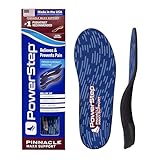
1. PowerStep Pinnacle ($45) – includes built-in metatarsal support. 2. Sole Active Medium with metatarsal pad addition ($60). 3. Profoot Triad Orthotic ($25) – good budget option. 4. Carbon fiber footplate ($60-$200) – rigid plate prevents excess 2nd metatarsal loading. 5. Self-stick metatarsal pads ($10-$15) – place under existing insoles for low-cost trial.
When Custom Orthotics Are Better
OTC works for mild Morton foot symptoms. Custom orthotics are needed for: severe metatarsalgia, recurrent calluses, stress fractures, hallux limitus, multiple foot biomechanics issues, athletes with high training volumes. Custom devices ($400-$600) include precise Morton extension positioning impossible with OTC products.
Pediatric Morton Foot
Children with Morton foot rarely have symptoms – bones are flexible and weight is light. NO TREATMENT needed for asymptomatic kids. As they grow, develop body weight, and become more active, symptoms may emerge in adolescence or early adulthood. Educate them about proper footwear early – flexible flats and flip-flops worsen Morton foot symptoms.
Surgery: Almost Never Needed
Surgery for Morton foot is essentially never indicated. Lengthening the 1st metatarsal has been described historically but is not standard practice due to high complication rates. Shortening the 2nd metatarsal may be considered in extreme cases of recurrent stress fractures or severe deformity. Treat the symptoms (orthotics, shoes), not the anatomy. Schedule a biomechanical exam if Morton foot is causing symptoms.
When Shoes Aren’t Enough — Dr. Tom’s Top 9 Orthotics
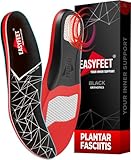
About 30% of patients I see for foot pain need MORE than a great shoe — they need a structured insole. Below: my complete 2026 orthotic ranking with pros, cons, and the specific patient I’d give each one to.


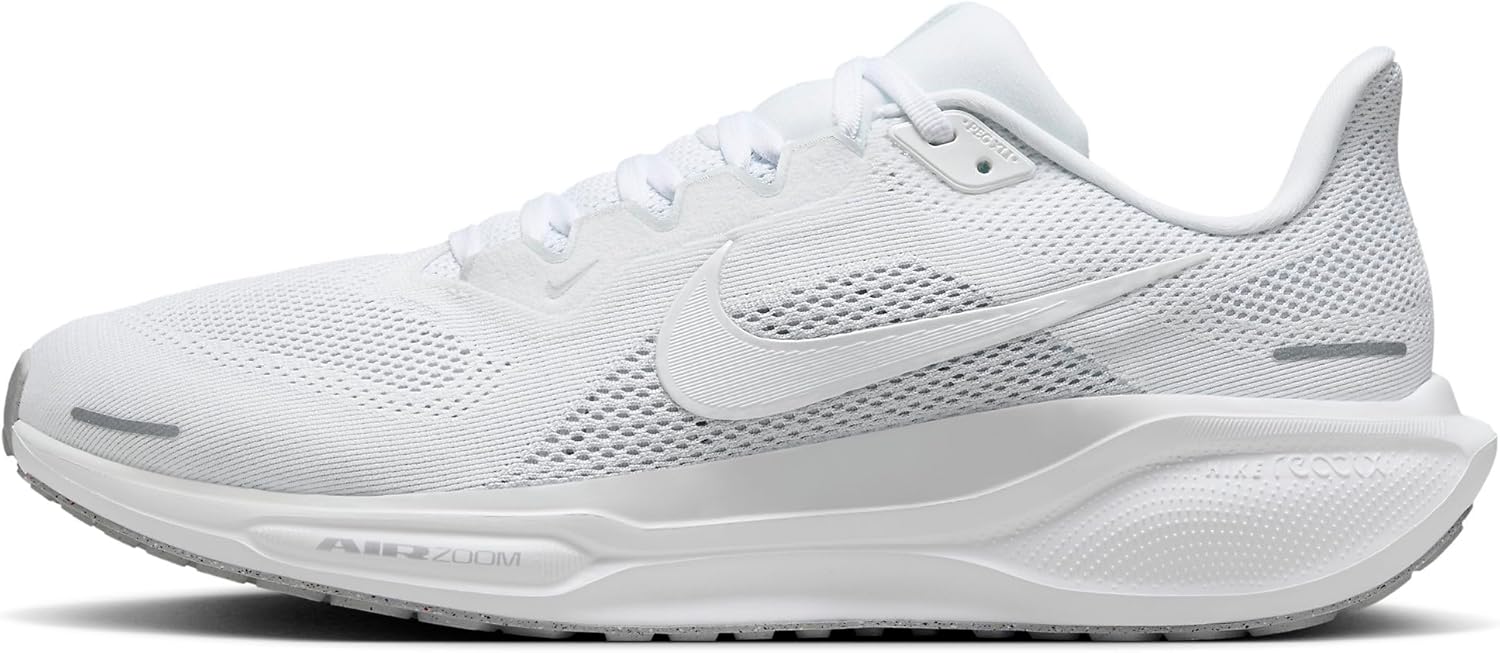


Podiatrist-Recommended Products


In-Office Treatment at Balance Foot & Ankle
If home treatment isn’t providing relief for your foot and ankle conditions, our podiatry team at Balance Foot & Ankle can help with same-day evaluations and advanced in-office care.
Frequently Asked Questions About Second Toe Longer Than Big Toe
Is having a long second toe a sign of intelligence?
No – this is a cultural myth with no scientific basis. About 15-20% of people have Morton foot regardless of intelligence.
Does Morton foot cause problems?
Often yes – it predisposes to metatarsalgia, 2nd metatarsal stress fractures, calluses, hallux limitus, and bunions. Many people are asymptomatic, but symptoms often emerge with weight gain or increased activity.
Do I need to treat Morton foot?
Only if symptomatic. Asymptomatic Morton foot needs no treatment. Symptomatic patients benefit from orthotics with Morton extension and proper shoes.
What shoes are best for Morton foot?
Stiff-soled or rocker-bottom shoes (Hoka, Brooks Beast, On Cloudmonster, Asics Nimbus) with wide toe box. AVOID flexible shoes, flip-flops, and high heels.
Will my second toe ever stop being longer?
No – Morton foot is anatomic. The 1st metatarsal length is fixed. Treatment focuses on managing symptoms, not changing anatomy.
Is Morton foot the same as Morton neuroma?
No – completely different conditions. Morton foot is anatomic foot type. Morton neuroma is nerve thickening between toes. They are named after different doctors (and Morton foot increases risk of Morton neuroma).
Should children with Morton foot wear orthotics?
Only if symptomatic – which is rare in childhood. Asymptomatic kids need only proper footwear. Adolescents and adults developing symptoms benefit from orthotics with Morton extension.
Related Resources from Balance Foot & Ankle

Dr. Tom Biernacki, DPM is a board-certified foot & ankle surgeon (ABFAS & ABPM) at Balance Foot & Ankle Specialists in Southeast Michigan. With over a decade of clinical experience, he specializes in heel pain, bunions, diabetic foot care, sports injuries, and minimally invasive surgery. Dr. Biernacki is a member of the APMA and ACFAS, and his patient education content on MichiganFootDoctors.com and YouTube has made him one of the most-followed foot & ankle educators on YouTube.