

You are in the right place. Dr. Tom Biernacki, DPM, FACFAS — board-certified foot & ankle surgeon with 3,000+ surgeries — explains exactly what surgical site infection prevention means and what works. Call (810) 206-1402 to book at Howell or Bloomfield Township.
Medically reviewed by Dr. Tom Biernacki, DPM · Board-Certified Podiatric Surgeon · Last reviewed: April 2026 · Editorial Policy
Quick Answer
Surgical site infection risk in foot and ankle surgery is reduced by optimising before surgery, through glucose control, smoking cessation and skin condition, and by strict intraoperative and post-operative protocols. Appointments in Howell + Bloomfield Township: (810) 206-1402.

Medically reviewed by Dr. Tom Biernacki, DPM — Board-certified foot & ankle surgeon, 3,000+ surgeries performed. Updated April 2026 with current clinical evidence. This article reflects real practice experience from Balance Foot & Ankle Specialists in Howell and Bloomfield Township, Michigan.
Quick Answer
Most foot and ankle problems respond to conservative care — proper footwear, supportive inserts, activity modification, and targeted stretching — within 4-8 weeks. Persistent pain beyond that window, or any symptom that prevents walking, warrants a podiatric evaluation to rule out fracture, tendon tear, or systemic cause.
Watch: Dr. Tom Biernacki, DPM

Medically Reviewed by Dr. Tom Biernacki, DPM — Board-Certified Podiatrist, Balance Foot & Ankle Specialists, Michigan. Last updated April 2026.
Surgical site infection (SSI) is the most feared and most costly complication of elective foot and ankle surgery — converting a successful reconstruction into a potentially limb-threatening problem that requires multiple operations, prolonged antibiotic treatment, and, in the most severe cases, amputation. SSI rates in foot and ankle surgery range from 1–10% depending on the procedure, patient population, and surgical techniques employed. The majority of SSIs are preventable through systematic application of evidence-based prophylaxis protocols at each stage of the surgical care continuum.
▶ Watch
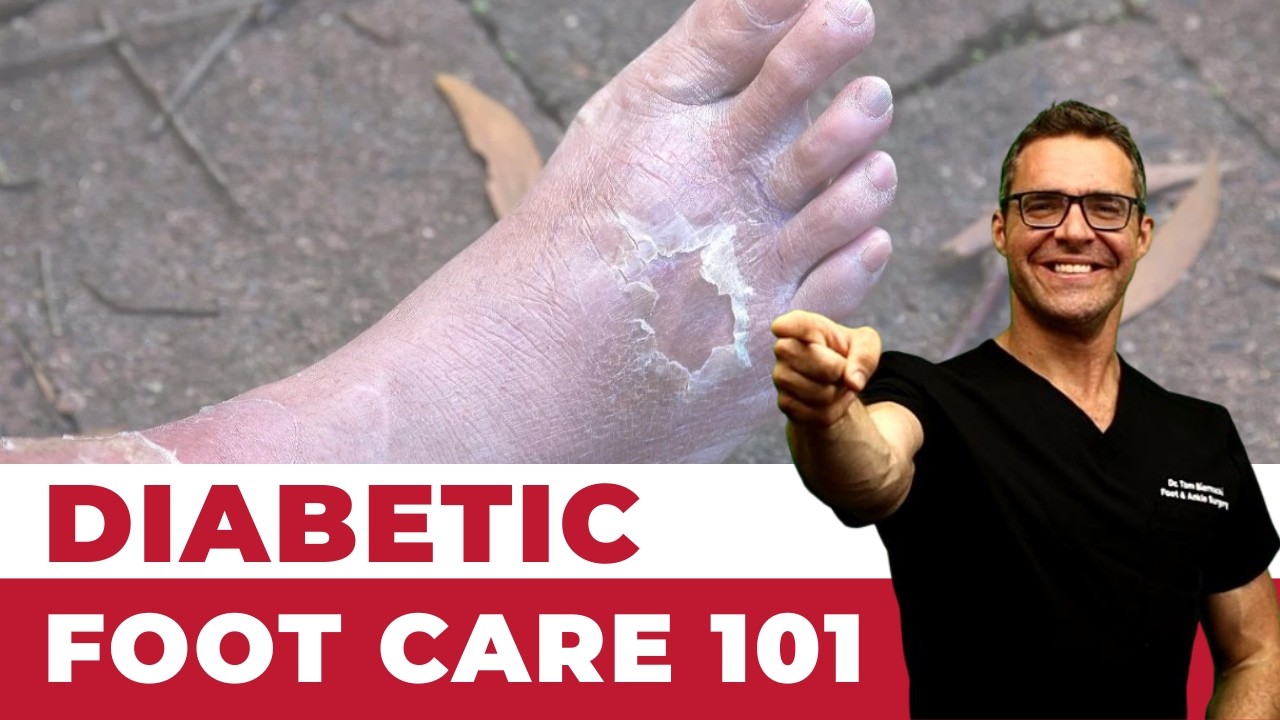
Pre-Operative Risk Optimization
Diabetes glycemic control: HbA1c >8.0% is the single most important modifiable SSI risk factor — surgery should be deferred until HbA1c is <8.0% in elective cases; each 1% increase in HbA1c above 6.5% approximately doubles wound complication risk. Smoking cessation: nicotine impairs wound healing and SSI risk — cessation 4 weeks before surgery restores wound healing capacity; nicotine replacement therapy (NRT) does not fully restore this benefit. Skin decolonization: preoperative chlorhexidine wash protocol (shower night before and morning of surgery with 2% chlorhexidine gluconate body wash) reduces skin bacterial burden; S. aureus nasal decolonization with mupirocin for patients identified as MRSA carriers. Nutritional optimization: albumin <3.5 g/dL is associated with significantly elevated SSI rates — nutritional supplementation before elective surgery in malnourished patients.
Intraoperative and Post-Operative Infection Prevention
Antibiotic prophylaxis: first-generation cephalosporin (cefazolin 2g IV, or 3g if >120kg) administered within 60 minutes before incision and redosed every 4 hours for prolonged procedures — the most evidence-based SSI reduction intervention; clindamycin or vancomycin for beta-lactam allergic patients. Tourniquet time: limit below 2 hours; re-inflate after 15–20 minutes of reperfusion for longer cases. Wound irrigation: pulsed lavage with normal saline before closure reduces bacterial bioburden. Closure technique: avoiding excessive tension, careful tissue handling, and layered closure with appropriate suture selection reduces wound necrosis. Post-operative: wound checks at 48–72 hours and 10–14 days; early identification of wound edge necrosis or dehiscence triggers wound care intervention before deep infection develops. Dr. Biernacki at Balance Foot & Ankle implements comprehensive SSI prevention protocols at every foot and ankle surgery. Call (810) 206-1402 at our Bloomfield Township or Howell office for surgical consultation.
📍 Located in Michigan?
Our board-certified podiatrists treat this condition at two convenient locations. Book online 24/7 at either office.
In-Office Treatment at Balance Foot & Ankle
If home care isn’t resolving your your foot or ankle concern, a visit with a board-certified podiatrist is the fastest path to accurate diagnosis and a personalized plan. At Balance Foot & Ankle Specialists, Dr. Tom Biernacki, Dr. Carl Jay, and Dr. Daria Gutkin offer appointments at both our Howell and Bloomfield Township offices. We perform on-site diagnostic ultrasound, digital X-ray, conservative care, advanced regenerative treatments, and minimally invasive surgery when indicated.
Call (810) 206-1402 or request an appointment online. Most insurance plans accepted, including Medicare, Blue Cross Blue Shield, Aetna, Cigna, and United Healthcare.
More Podiatrist-Recommended Surgery Essentials
OOFOS Recovery Slide


Post-op approved — impact-absorbing slide for early recovery.
HOKA Ora 3 Recovery Slide
Max-cushion recovery sandal — comfort for post-surgical swelling.
Hoka Bondi 9
Max-cushion walking shoe — ease into return-to-walking post-surgery.
As an Amazon Associate, Balance Foot & Ankle earns from qualifying purchases. Product recommendations are based on clinical experience; prices and availability shown above update live from Amazon.

When to See a Podiatrist
Foot and ankle surgery in 2026 is dramatically different than a decade ago — most procedures are now minimally-invasive, outpatient, and allow weight-bearing within days. Balance Foot & Ankle surgeons have performed 3,000+ foot/ankle surgeries with modern techniques. If another surgeon has recommended a traditional open procedure, a second opinion may reveal a faster, less-invasive option.
Call Balance Foot & Ankle: (810) 206-1402 · Book online · Offices in Howell & Bloomfield Township
Frequently Asked Questions
How do I know if I sprained or broke my ankle?
Both cause pain, swelling, and difficulty walking. Key differences: fractures often cause more immediate severe pain, tenderness directly over bone (not just ligament), and inability to bear any weight. X-rays and the Ottawa Ankle Rules help determine if imaging is needed.
How long does an ankle sprain take to heal?
Grade I (mild): 1–2 weeks. Grade II (moderate): 3–6 weeks. Grade III (complete tear): 2–3 months. Chronic instability from improperly treated sprains can persist and may require surgery.
What is the best treatment for a sprained ankle?
RICE protocol (Rest, Ice, Compression, Elevation) for the first 48–72 hours, followed by protected weight-bearing as tolerated. Physical therapy rehabilitation is critical for high-grade sprains to restore strength and proprioception and prevent chronic instability.
Need Treatment at Balance Foot & Ankle?
Dr. Tom Biernacki, Dr. Carl Jay, and Dr. Daria Gutkin see patients at our Howell and Bloomfield Township offices.
Book Online or call (810) 206-1402
Most Common Mistake We See
The most common mistake we see is: Waiting too long before seeking care. Fix: any foot pain lasting more than 4 weeks, or any sudden severe symptom, deserves a professional evaluation rather than more rest.
Warning Signs That Need Same-Day Care
Seek immediate evaluation at Balance Foot & Ankle if you experience any of the following:
- Unable to bear weight
- Severe swelling with skin colour change
- Fever with foot pain (possible infection)
- Diabetes plus any new foot symptom
Call (810) 206-1402 — appointments at our Howell and Bloomfield Township offices.
Watch: Dr. Tom explains
Podiatrist-recommended products
As an Amazon Associate, Dr. Tom earns from qualifying purchases.
Sterile dressing supplies.
Check price →Healing nutrition.
View on Amazon →Post-op offloading.
Check price →Peri-wound topical relief.
View on Amazon →Related resources
Ready to solve this? Book today.
Book online 24/7 · Howell & Bloomfield Township · 4.9★ (1,200+ reviews)
☎ (810) 206-1402Book Online →Pros & Cons of Conservative Care for foot care
Advantages
- ✓ Conservative care first
- ✓ Book online 24/7
- ✓ Multiple insurance accepted
Considerations
- ✗ Self-treatment can mask issues
- ✗ See a podiatrist if pain >2 weeks
Dr. Tom’s Recommended Products for foot care
Affiliate disclosure: As an Amazon Associate, Balance Foot & Ankle earns from qualifying purchases. We only recommend products we use with patients.
Footnanny Heel Cream Dr. Tom’s Pick
Best for: Daily moisturizer for cracked heels
Ready to Get Back on Your Feet?
Appointments in Howell + Bloomfield Township. Most insurance accepted. Dr. Tom Biernacki, DPM & team.
Call Now: (810) 206-1402

Dr. Tom Biernacki, DPM is a board-certified foot & ankle surgeon (ABFAS & ABPM) at Balance Foot & Ankle Specialists in Southeast Michigan. With over a decade of clinical experience, he specializes in heel pain, bunions, diabetic foot care, sports injuries, and minimally invasive surgery. Dr. Biernacki is a member of the APMA and ACFAS, and his patient education content on MichiganFootDoctors.com and YouTube has made him one of the most-followed foot & ankle educators on YouTube.