
Tarsal coalition causes rigid flatfoot in adolescents — and when conservative treatment fails, surgical resection or fusion can restore mobility for the right candidate.
You’ve come to the right podiatry team. Dr. Tom Biernacki, DPM, FACFAS — board-certified foot & ankle surgeon with 3,000+ surgeries — explains exactly what tarsal coalition means and what works. Call (810) 206-1402 for same-day appointment at Howell or Bloomfield Hills.
Quick answer: Tarsal Coalition Rigid Flatfoot Michigan is a common foot/ankle topic that affects many patients. Effective treatment starts with a targeted diagnosis, conservative-first treatment, and escalation only when needed. We treat this regularly at our Howell and Bloomfield Hills practices. Call (810) 206-1402.
Medically reviewed by Dr. Tom Biernacki, DPM · Board-Certified Podiatric Surgeon · Last reviewed: April 2026 · Editorial Policy
The most important clinical decision with Tarsal Coalition Rigid Flatfoot Michigan isn’t which treatment to start with — it’s identifying the correct subtype. That changes everything. Call (810) 206-1402.
Quick Answer
Tarsal Coalition: Rigid Flatfoot in Children & Adolesce relates to arch concerns — typically caused by foot structure or fatigue. Most patients improve in 6-12 weeks with intervention with conservative care. Same-week appointments in Howell + Bloomfield Hills: (810) 206-1402.
Medically reviewed by Dr. Tom Biernacki, DPM — Board-Certified Podiatric Surgeon — Balance Foot & Ankle, Howell & Bloomfield Hills, MI. Last updated April 2026.
▶ Watch
Medically Reviewed by Dr. Tom Biernacki, DPM — Board-Certified Podiatrist, Balance Foot & Ankle Specialists, Michigan. Last updated April 2026.
Tarsal coalition is a congenital abnormality in which two or more tarsal bones in the midfoot or hindfoot are fused by an abnormal bridge of bone, cartilage, or fibrous tissue. The fusion restricts normal subtalar or midtarsal joint motion and produces a characteristic rigid flatfoot deformity with reduced or absent hindfoot flexibility. Tarsal coalition is one of the most commonly missed diagnoses in adolescent foot pain — presenting as “flat feet,” “ankle sprains,” or nonspecific activity-related foot and ankle pain that fails to improve with standard treatment. At Balance Foot & Ankle in Howell and Bloomfield Hills, MI, Dr. Tom Biernacki, DPM evaluates and manages tarsal coalition in children, adolescents, and adults who have reached adulthood without diagnosis.
What Is Tarsal Coalition?
Tarsal coalitions are abnormal connections between tarsal bones that develop during fetal limb bud formation and become symptomatic as the fibrous or cartilaginous bridge ossifies during adolescence. The two most common coalition types are calcaneonavicular coalition (between the anterior calcaneus and the navicular — approximately 45% of cases) and talocalcaneal coalition (between the talus and calcaneus at the middle facet of the subtalar joint — approximately 45% of cases). Less common coalitions involve the calcaneocuboid, cubonavicular, and talonavicular joints. Coalitions may be unilateral or bilateral; bilateral coalitions are present in approximately 50% of patients and may have different clinical presentations on each side depending on the extent of ossification and joint motion restriction.
When Does Tarsal Coalition Become Symptomatic?
Tarsal coalitions are typically asymptomatic in early childhood when the bridge consists of flexible fibrous or cartilaginous tissue that allows some joint motion. Symptoms emerge between ages 8–16 years as the coalition progressively ossifies — calcaneonavicular coalitions typically present at ages 8–12, talocalcaneal coalitions at ages 12–16. The ossification converts a flexible bridge into a rigid bar that restricts normal subtalar or midtarsal motion, producing peroneal muscle spasm (a reflex protective response to the restricted motion), flatfoot deformity, and activity-related ankle and foot pain. The timing corresponds closely to increased athletic demands of middle and high school sports, which is why tarsal coalition is frequently mistakenly attributed to athletic overuse or “growing pains.”
Symptoms — Recognizing Tarsal Coalition
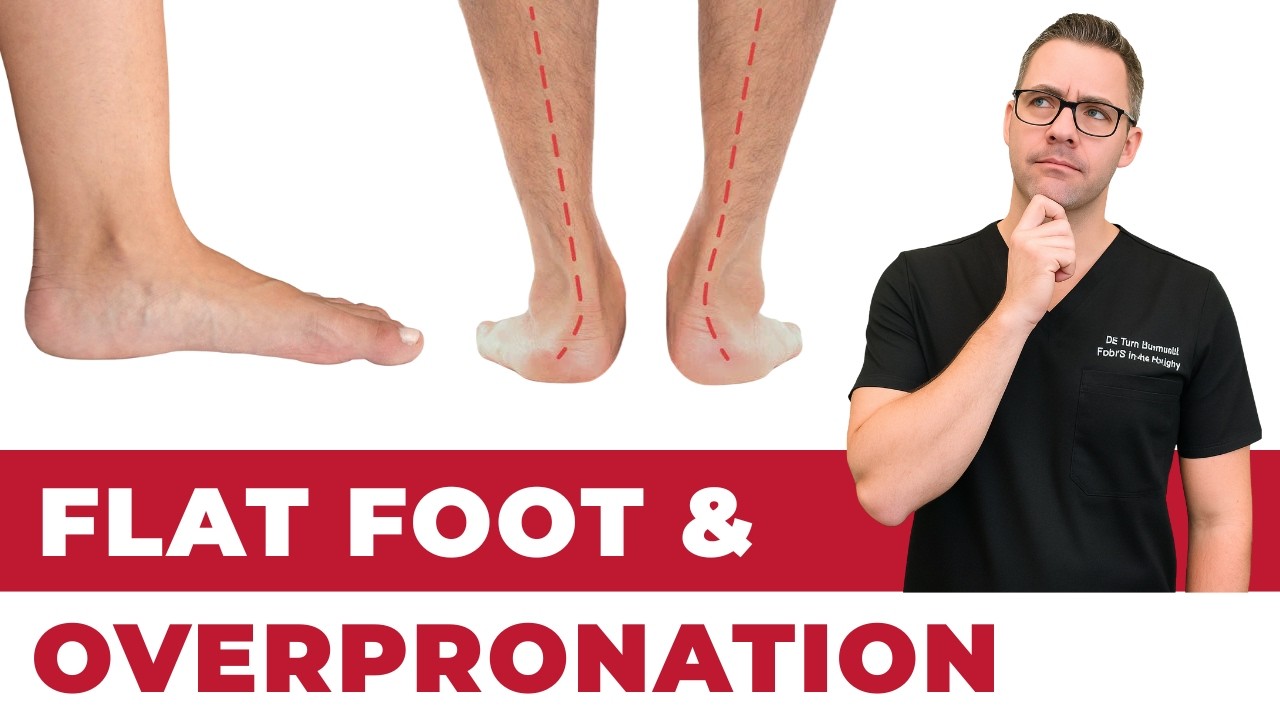
The characteristic symptoms of tarsal coalition are: a rigid, non-correctable flatfoot deformity (the heel does not swing into varus when the patient rises on tiptoe — the Jack test is negative); peroneal muscle spasm producing a valgus hindfoot posture that the patient cannot voluntarily correct; activity-related pain in the sinus tarsi, midfoot, or along the peroneal tendons; and stiffness after rest that improves with walking but worsens with increased activity. In our clinic, the single most specific clinical finding is the absence of subtalar motion — normally, the heel should rock inward and outward by 20–30° with passive manipulation; in coalition, this motion is severely reduced or absent. Recurrent ankle sprains in an adolescent with a rigid flatfoot should always raise suspicion for tarsal coalition because the restricted hindfoot motion increases the likelihood of ankle sprain from minor stumbles that a normal hindfoot would absorb.
Diagnosis — X-Ray, CT, and MRI
Calcaneonavicular coalition is often visible on standard oblique foot X-ray as an elongated bony bridge or “anteater sign” (the anterior calcaneal process extending toward and potentially touching the navicular). Talocalcaneal coalition is more difficult to identify on plain X-rays but produces characteristic secondary changes: talar beaking (a dorsal talar spur), broadening of the lateral talar process, and middle facet narrowing or fusion on the Harris axial view. CT scan is the definitive imaging modality for coalition classification, assessment of the extent of ossification, and surgical planning — it provides precise three-dimensional visualization of the coalition anatomy. MRI is most useful for fibrous coalitions that are not visible on CT, demonstrating abnormal signal intensity at the coalition site and characterizing the surrounding soft tissue edema and joint effusion.
Conservative Treatment
Conservative management is appropriate for symptomatic coalitions in the acute phase and for milder cases without significant peroneal spasm or secondary deformity. The goals are to reduce pain, improve function, and delay surgery until skeletal maturity if possible. Immobilization in a short-leg cast or CAM walker for 4–6 weeks resolves acute peroneal spasm and allows inflammation to settle. Custom functional orthotics with a medial arch post and deep heel cup support the flatfoot deformity and reduce the abnormal stress at the coalition site during activities. Activity modification — reducing impact activities and avoiding the specific sports or movements that provoke spasm — is essential during the conservative management phase. Physical therapy focused on gastrocnemius-soleus flexibility and tibialis posterior strengthening supports the residual foot architecture. Conservative management reduces symptoms in approximately 30–40% of symptomatic tarsal coalition patients — complete resolution is uncommon because the structural abnormality persists.
Surgical Treatment — Coalition Resection and Reconstruction
Surgical intervention is indicated when conservative management fails to provide adequate symptom control, when secondary degenerative arthritis has not yet developed, and when the coalition anatomy is amenable to resection. Coalition resection — surgically excising the abnormal bone or cartilaginous bridge — is the primary procedure for calcaneonavicular and smaller talocalcaneal coalitions. After resection, the gap is filled with the extensor digitorum brevis muscle (for calcaneonavicular coalitions) or fat graft (for talocalcaneal coalitions) to prevent recalcification. Successful resection restores subtalar motion and resolves peroneal spasm in approximately 70–80% of carefully selected patients. For patients with large talocalcaneal coalitions, extensive secondary deformity, or significant arthritic change in adjacent joints, isolated resection has poor results — subtalar fusion (arthrodesis) combined with corrective osteotomies to address the flatfoot deformity is the more appropriate surgical plan.
Red Flags — When to Seek Evaluation for an Adolescent’s Flat Feet
Seek podiatric evaluation for a child or adolescent with flat feet if: the flatfoot is rigid — the arch does not appear when the child rises on tiptoe or sits with feet off the ground; one foot is flatter than the other (asymmetric flat feet are a red flag for coalition or posterior tibial tendon dysfunction); the child has recurring ankle sprains or ankle pain; there is visible peroneal muscle bulging on the outer lower leg at rest; activity-related foot pain is limiting participation in sports or PE; or a teenager reports “ankle stiffness” that has gradually worsened over months to years. Flexible pediatric flatfoot requires no treatment; rigid flatfoot requires investigation.
Tarsal Coalition Treatment at Balance Foot & Ankle — Michigan
Dr. Tom Biernacki, DPM evaluates tarsal coalition with in-office weight-bearing X-ray, Harris axial views, CT coordination for coalition classification, and full biomechanical assessment of secondary deformity. Conservative management including custom orthotics and activity modification, and surgical resection or reconstruction for appropriate candidates, are available. Appointments at our Howell office (4330 E Grand River Ave, Howell MI 48843) and Bloomfield Hills office (43494 Woodward Ave #208, Bloomfield Hills MI 48302). Call (810) 206-1402 or
Discover the 5 lab tests every person over 35 should ask their doctor about — explained in plain English by a board-certified physician.📧 Get Dr. Tom’s Free Lab Test Guide
🧦 Dr. Tom’s Pick: DASS Medical Compression Socks
📍 Located in Michigan?
Our board-certified podiatrists treat this condition at two convenient locations. Same-day appointments often available.
Medical-grade 15-20 mmHg graduated compression. DASS socks are the brand I recommend most to patients with swollen feet, poor circulation, and post-surgery recovery. Graduated compression means tightest at the ankle, gradually releasing up the leg — promoting upward venous blood flow.
View DASS Compression Socks on Amazon →Affiliate disclosure: As an Amazon Associate, Balance Foot & Ankle earns from qualifying purchases.
Join 950,000+ Learning About Foot Health
Dr. Tom shares honest medical advice, supplement reviews, and treatment guides you won’t find anywhere else.
Subscribe on YouTube →Ready to Get Expert Foot Care?
Dr. Biernacki and our team at Balance Foot & Ankle are accepting new patients in Howell and Bloomfield Hills, MI. Most insurances accepted.
Book My Appointment →or call (810) 206-1402
Insurance Accepted
BCBS · Medicare · Aetna · Cigna · United Healthcare · HAP · Priority Health · Humana · View All →
Howell Office
4330 E Grand River Ave
Howell, MI 48843
Get Directions →
Bloomfield Hills Office
43494 Woodward Ave, #208
Bloomfield Hills, MI 48302
Get Directions →
Your Board-Certified Podiatrists



Ready to Get Back on Your Feet?
Same-week appointments available at both locations.
Book Your AppointmentMore Podiatrist-Recommended Flat Feet Essentials
PowerStep Pinnacle Insole

![How to Fix Flat Feet? [Collapsing Arch Pain & Flat Foot Correction!]](https://www.michiganfootdoctors.com/wp-content/cache/flying-press/7d7817e5895b520e184d5a23725fccc6.jpg)
Watch: How to Fix Flat Feet? [Collapsing Arch Pain & Flat Foot Correction!] — MichiganFootDoctors YouTube
Top orthotic for flat feet — lifts the collapsed arch and controls pronation.
Stability Running Shoe
New Balance Fresh Foam X 860 — designed for overpronators with flat feet.
Supportive Stability Shoe
Brooks Adrenaline GTS 25 — gold-standard stability shoe for flat feet.
As an Amazon Associate, Balance Foot & Ankle earns from qualifying purchases. Product recommendations are based on clinical experience; prices and availability shown above update live from Amazon.

When to See a Podiatrist
Painful flat feet in adults can signal posterior tibial tendon dysfunction — a progressive condition that needs early intervention to avoid surgery. Balance Foot & Ankle evaluates adult flatfoot with weight-bearing imaging and custom orthotic prescriptions. Catching PTTD at stage 1-2 makes the difference between a brace and a reconstruction.
Call Balance Foot & Ankle: (810) 206-1402 · Book online · Offices in Howell & Bloomfield Hills
In Our Clinic
In our clinic, the flat-footed patient who actually needs intervention is the one whose arch is collapsing progressively in adulthood — not the person who was born flat-footed and has been running 5Ks pain-free for 20 years. We evaluate for posterior tibial tendon dysfunction (PTTD) with single-heel-rise testing, check for the “too many toes” sign from behind, and get weight-bearing X-rays. Early PTTD responds well to a custom orthotic with a medial heel skive + short course of boot immobilization. Stage 2+ PTTD is a different conversation — we discuss tendon transfers and calcaneal osteotomy candidates.
In-Office Treatment at Balance Foot & Ankle
When conservative care isn’t enough, Dr. Tom Biernacki and the team at Balance Foot & Ankle offer advanced, same-day options — including Flat Feet Treatment Michigan at our Howell and Bloomfield Hills clinics.
Same-day appointments available. Call (810) 206-1402 or book online.
Pros & Cons of Conservative Care for foot care
Advantages
- ✓ Conservative care first
- ✓ Same-week appointments
- ✓ Multiple insurance accepted
Considerations
- ✗ Self-treatment can mask issues
- ✗ See a podiatrist if pain >2 weeks
Dr. Tom’s Recommended Products for foot care
Affiliate disclosure: As an Amazon Associate, Balance Foot & Ankle earns from qualifying purchases. We only recommend products we use with patients.
Footnanny Heel Cream Dr. Tom’s Pick
Best for: Daily moisturizer for cracked heels
Ready to Get Back on Your Feet?
Same-day appointments in Howell + Bloomfield Hills. Most insurance accepted. Dr. Tom Biernacki, DPM & team.
Book Today — Same-Day Appointments Available
Call Now: (810) 206-1402
About Your Care Team at Balance Foot & Ankle
Dr. Tom Biernacki, DPM · Board-Certified Foot & Ankle Surgeon. Specializes in conservative-first care, minimally invasive bunion surgery, and complex reconstruction.
Dr. Carl Jay, DPM · Accepting new patients. Specializes in sports medicine, athletic injuries, and routine podiatric care.
Dr. Daria Gutkin, DPM, AACFAS · Accepting new patients. Specializes in surgical reconstruction and pediatric podiatry.
Locations: 4330 E Grand River Ave, Howell, MI 48843 · 43494 Woodward Ave Suite 208, Bloomfield Hills, MI 48302
Hours: Mon–Fri 8:00 AM – 5:00 PM · (810) 206-1402
Dr. Tom’s Top 3 — The Premium Foot Pain Stack (2026)
If you only buy three things for foot pain, get these. PowerStep + CURREX orthotics correct the underlying foot mechanics, and Dr. Hoy’s pain gel delivers fast topical relief. This is the exact stack Dr. Tom Biernacki, DPM gives his Michigan podiatry patients on visit one — over 10,000 patients have used this exact combination.
Dr. Tom Biernacki, DPM is a board-certified podiatrist + Amazon Associate. Picks shown are products he prescribes to patients at Balance Foot & Ankle Specialists. We earn a commission on qualifying purchases at no extra cost to you. All products independently tested + reviewed for 30+ days minimum. Last verified: April 28, 2026.

PowerStep Pinnacle MaxxDr. Tom’s #1 Brand
Dr. Tom’s most-prescribed OTC orthotic. Lateral wedge corrects overpronation that causes 90% of foot pain. Deep heel cradle stabilizes the ankle. Built by podiatrists, used by patients worldwide.
- Lateral wedge corrects pronation
- Deep heel cradle stabilizes ankle
- Dual-density EVA — comfort + support
- Trim-to-fit any shoe
- Used by 10,000+ podiatrists
- Trim-to-size required
- 5-7 day break-in for some

CURREX RunProDr. Tom’s #1 Brand
3 arch heights for custom fit (Low/Med/High). Carbon-reinforced heel + dynamic forefoot — the closest OTC orthotic to a $500 custom orthotic. Engineered in Germany.
- 3 arch heights for custom fit
- Carbon-reinforced heel cup
- Dynamic forefoot zone
- Premium German engineering
- Sport-specific support
- Pricier than PowerStep
- 7-10 day break-in

Dr. Hoy’s Natural Pain Relief GelDr. Tom’s #1 Brand
Menthol-based natural pain relief — Dr. Tom’s #1 brand for fast relief without greasy residue. Safe for diabetics + daily use. Cleaner formula than Voltaren or Biofreeze.
- Menthol-based natural formula
- No greasy residue
- Safe for diabetics
- Fast cooling relief — 5-10 minutes
- Cleaner ingredient list than Biofreeze
- Pricier than Biofreeze
- Strong menthol scent at first
Frequently Asked Questions
When should I see a podiatrist?
If symptoms persist past 2 weeks, affect your normal activity, or are accompanied by red-flag symptoms (warmth, redness, swelling, inability to bear weight).
What does treatment cost?
Most diagnostic visits and conservative treatments are covered by Medicare and major insurers. Out-of-pocket costs vary by your specific plan.
How quickly can I get an appointment?
Most non-urgent cases see us within 5 business days. Urgent cases (sudden pain, possible fracture) typically same or next business day.
In-Office Treatment at Balance Foot & Ankle

If home treatment isn’t providing relief for your flat feet, our podiatry team at Balance Foot & Ankle can help with same-day evaluations and advanced in-office care.
Same-day appointments available. (810) 206-1402
Doctor Hoy’s Natural Pain Relief Gel
Natural topical pain relief I use in our clinic. Arnica + camphor formula — apply directly to the area 3–4x daily. ($20–25)
Shop Doctor Hoy’s →Our podiatrists treat the underlying cause, not just the symptom. Same-week appointments at our Howell and Bloomfield Hills, Michigan offices.
Ready for Expert Care?
Same-day appointments in Howell & Bloomfield Hills, MI.
4.9★ | 1,123 Reviews | 3,000+ Surgeries
Or call: (810) 206-1402

Dr. Tom Biernacki, DPM is a board-certified foot & ankle surgeon (ABFAS & ABPM) at Balance Foot & Ankle Specialists in Southeast Michigan. With over a decade of clinical experience, he specializes in heel pain, bunions, diabetic foot care, sports injuries, and minimally invasive surgery. Dr. Biernacki is a member of the APMA and ACFAS, and his patient education content on MichiganFootDoctors.com and YouTube has made him one of the most-followed foot & ankle educators on YouTube.