
Medically reviewed by Dr. Tom Biernacki, DPM
Board-certified podiatric surgeon | Balance Foot & Ankle, Howell & Bloomfield Hills, MI
Last reviewed: May 2026

You are in the right place. Dr. Tom Biernacki, DPM, FACFAS — board-certified foot & ankle surgeon with 3,000+ surgeries — explains exactly what foot and ankle tendons means and what works. Call (810) 206-1402 for same-day appointment at Howell or Bloomfield Hills.
Quick answer: Tendons Foot Ankle is a common foot/ankle topic that affects many patients. The 2026 evidence-based approach combines proper diagnosis, conservative-first treatment, and escalation only when needed. We treat this regularly at our Howell and Bloomfield Hills practices. Call (810) 206-1402.
The most important clinical decision with Tendons Foot Ankle isn’t which treatment to start with — it’s identifying the correct subtype. That changes everything. Call (810) 206-1402.
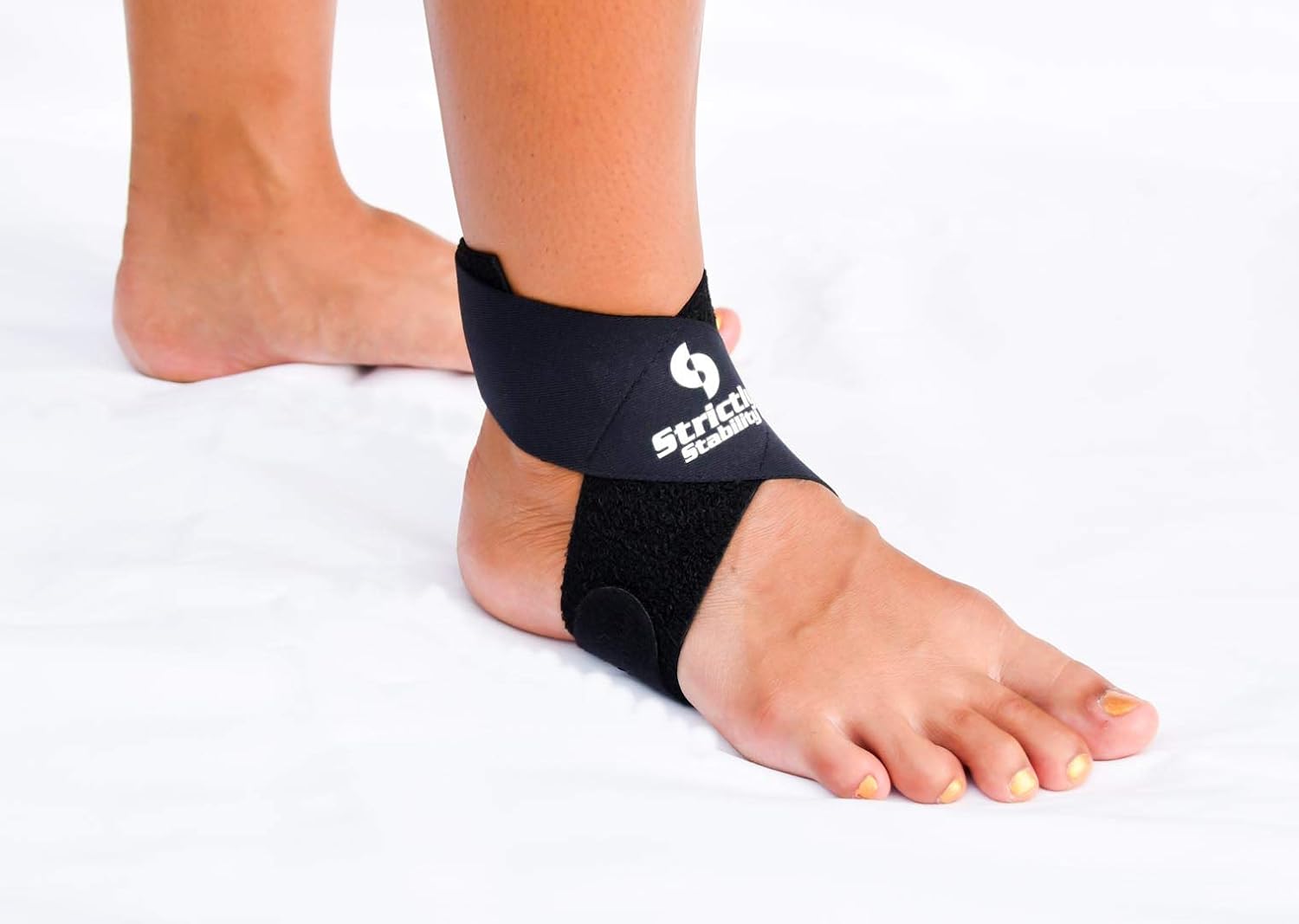
Dr. Tom's Top Ankle & Tendon Support Products
These are the ankle braces, supports, and compression products Dr. Biernacki most commonly recommends for tendon injuries and ankle instability:



The Achilles Tendon
The Achilles tendon is the strongest and thickest tendon in the human body — approximately 15cm long and capable of withstanding forces of 3.9x body weight during walking and 7.7x body weight during running. It is formed by the convergence of the gastrocnemius and soleus muscles and inserts onto the posterior calcaneal tuberosity.
Two zones of vulnerability: the mid-portion (2–6cm above the calcaneal insertion), where blood supply is poorest and degeneration most commonly occurs, and the insertional zone at the calcaneus, where tendon-bone interface stress and Haglund’s deformity impingement cause insertional Achilles tendinopathy.
Achilles rupture typically occurs in the mid-portion at the watershed zone of poor blood supply. The classic mechanism is sudden eccentric loading — a push-off with dorsiflexion, often during sports. The Thompson test (no plantarflexion with calf squeeze) confirms complete rupture. Treatment is either surgical repair or functional casting — both with excellent outcomes in appropriate patients.
Posterior Tibial Tendon
The posterior tibial tendon (PTT) is the primary dynamic stabilizer of the medial longitudinal arch. It runs posterior to the medial malleolus and inserts onto the navicular tuberosity and plantar midfoot. Contraction inverts the foot and supports the arch during single-leg stance.
Posterior tibial tendon dysfunction (PTTD) is the most common cause of adult-acquired flatfoot. The tendon degenerates progressively through four stages: Stage I (tendinitis, flexible flatfoot), Stage II (partial tear, flexible flatfoot), Stage III (complete dysfunction, rigid flatfoot), Stage IV (ankle joint involvement). Early stages respond to orthotic support and PT; late stages require surgical reconstruction.
Clinical signs of PTTD: inability to perform single-leg heel raise, pain and swelling along the posterior medial ankle, and progressive flatfoot deformity with ‘too many toes’ sign (lateral toes visible from behind due to forefoot abduction).
Peroneal, Flexor & Extensor Tendons
The peroneal tendons (peroneus longus and brevis) run posterior to the lateral malleolus in a fibro-osseous tunnel. The brevis inserts on the fifth metatarsal styloid (site of avulsion fractures); the longus crosses the plantar surface of the foot to support the medial arch and plantarflex the first ray. Peroneal tendinitis is common in supinators; peroneal subluxation (tendon snapping out of the groove) occurs from traumatic or chronic instability.
The flexor tendons (flexor digitorum longus, flexor hallucis longus) run through the tarsal tunnel posteromedially — compression here causes tarsal tunnel syndrome. FHL tendinitis (dancer’s tendon) causes posteromedial ankle pain in ballet dancers and athletes who push off on the big toe.
The extensor tendons cross the dorsal ankle under the extensor retinaculum. Extensor tendinitis is a common running injury caused by too-tight shoe laces compressing the dorsum of the foot.
Dr. Tom's Product Recommendations

DASS Medical Compression Socks
⭐ Highly Rated
Medical-grade compression to support tendons and reduce tendinitis-related swelling
Dr. Tom says: “Tendinitis produces peritendinous swelling that benefits from graduated compression. DASS socks reduce edema and provide proprioceptive support around the ankle tendons.”
Achilles tendinitis, peroneal tendinitis, posterior tibial tendinitis, daily swelling
Active rupture requiring immobilization
Disclosure: We earn a commission at no extra cost to you.

PowerStep Pinnacle Insoles
⭐ Highly Rated
Arch support to reduce posterior tibial tendon demand in flatfoot-related tendinitis
Dr. Tom says: “For posterior tibial tendon dysfunction, arch support is essential — it reduces the mechanical demand on the tendon by providing medial column support.”
PTTD, flatfoot tendinitis, arch support, medial ankle pain
Severe Stage III/IV PTTD requiring surgical consultation
Disclosure: We earn a commission at no extra cost to you.
✅ Pros / Benefits
- Early-stage tendinopathy responds well to conservative management
- Custom orthotics effectively offload posterior tibial tendon stress
- Achilles tendon rupture outcomes are excellent with modern treatment (surgical or conservative)
- Eccentric strengthening is highly effective for mid-portion Achilles tendinopathy
❌ Cons / Risks
- Advanced PTTD (Stage III-IV) requires surgery — cannot be fully reversed conservatively
- Achilles ruptures require significant rehabilitation regardless of treatment approach
- Peroneal subluxation often requires surgical deepening of the fibular groove
- FHL tendinitis in dancers is difficult to fully resolve without activity modification
Dr. Tom Biernacki’s Recommendation
Tendons are fascinating structures — they’re designed to store and release elastic energy efficiently, but they’re also vulnerable to progressive degeneration when they’re not given adequate recovery time. My most important tendon message: don’t push through tendon pain. Tendinopathy that’s 6 weeks old is manageable. Tendinopathy that’s 2 years old because you kept training through it is a different — much harder — problem. Respect tendon pain early.
— Dr. Tom Biernacki, DPM | Board-Certified Podiatric Surgeon | Balance Foot & Ankle
Frequently Asked Questions
How do I know if my Achilles is ruptured or just inflamed?
Rupture: sudden pop, inability to plantarflex the foot, positive Thompson test (no plantarflexion when calf is squeezed). Tendinitis: gradual onset, tenderness along the tendon, painful with activity. Any sudden Achilles event needs urgent evaluation.
Can posterior tibial tendon dysfunction be fixed with orthotics alone?
Stage I and early Stage II: yes, orthotics combined with PT are highly effective. Stage III and IV: surgery is typically required.
What causes peroneal tendon snapping?
Peroneal subluxation — the tendons dislocate from their groove behind the lateral malleolus. Caused by trauma or congenitally shallow groove. Surgical deepening is often needed for recurrent snapping.
What is the best exercise for Achilles tendinopathy?
Eccentric heel drops on a declined surface — the gold standard for mid-portion Achilles tendinopathy with decades of evidence. 3 sets of 15 reps, 2x/day, through pain (which is expected to decrease over weeks).
In-Office Treatment at Balance Foot & Ankle
If home treatment isn’t providing relief for your tendons foot ankle, our podiatry team at Balance Foot & Ankle can help with same-day evaluations and advanced in-office care.
Frequently Asked Questions
When should I see a podiatrist?
If symptoms persist past 2 weeks, affect your normal activity, or are accompanied by red-flag symptoms (warmth, redness, swelling, inability to bear weight).
What does treatment cost?
Most diagnostic visits and conservative treatments are covered by Medicare and major insurers. Out-of-pocket costs vary by your specific plan.
How quickly can I get an appointment?
Most non-urgent cases see us within 5 business days. Urgent cases (sudden pain, possible fracture) typically same or next business day.
Ready to fix this for good?
Reading goes so far. The fastest path is a 30-minute office visit. Same-day Howell or Bloomfield Hills. Call (810) 206-1402.
AAOS OrthoInfo: Foot and Ankle Tendon Anatomy
Ready to Get Relief?
Same-day appointments available in Howell & Bloomfield Hills, MI
4.9★ | 1,123 Reviews | 3,000+ Surgeries
Or call: (810) 206-1402

Dr. Tom Biernacki, DPM is a board-certified foot & ankle surgeon (ABFAS & ABPM) at Balance Foot & Ankle Specialists in Southeast Michigan. With over a decade of clinical experience, he specializes in heel pain, bunions, diabetic foot care, sports injuries, and minimally invasive surgery. Dr. Biernacki is a member of the APMA and ACFAS, and his patient education content on MichiganFootDoctors.com and YouTube has made him one of the most-followed foot & ankle educators on YouTube.