
Medically reviewed by Dr. Tom Biernacki, DPM
Board-certified podiatric surgeon | Balance Foot & Ankle, Howell & Bloomfield Township, MI
Last reviewed: May 2026

You are in the right place. Dr. Tom Biernacki, DPM, FACFAS — board-certified foot & ankle surgeon with 3,000+ surgeries — explains exactly what urea cream for cracked feet means and what actually works. Call (810) 206-1402 to book an appointment at our Howell or Bloomfield Township office.
Medically Reviewed by Dr. Tom Biernacki, DPM — Board-Certified Podiatrist | Balance Foot & Ankle Specialists | Updated 2026
Urea cream is one of the most clinically useful topical products in podiatry. I recommend it regularly for patients with calluses, cracked heels, thickened toenails, and extremely dry feet — often with dramatic results that over-the-counter moisturizers simply can’t match. Here’s everything you need to know about how it works, which concentration to use, and when it’s the right choice.
How Urea Works on Skin
Urea is a natural compound found in human skin (part of the natural moisturizing factor, or NMF). When applied topically in concentrated form, it works through two distinct mechanisms:
- Keratolytic action (at higher concentrations) — breaks down the peptide bonds that hold dead skin cells (corneocytes) together, allowing thickened skin to shed naturally
- Humectant action (at lower concentrations) — draws water from deeper skin layers and from the environment into the stratum corneum, improving hydration and elasticity
This dual action is why urea outperforms standard moisturizers for conditions involving skin thickening. Plain moisturizers add surface hydration; urea actually modifies the skin structure.
Which Urea Concentration to Use
| Concentration | Primary Effect | Best For | Availability |
|---|---|---|---|
| 10% urea | Moisturizing / mild softening | General dry skin maintenance, sensitive areas | OTC |
| 20% urea | Moderate keratolysis + strong moisturizing | Cracked heels, dry calluses, rough heel skin | OTC |
| 30-40% urea | Strong keratolysis | Thick calluses, hyperkeratosis, plantar warts (adjunct) | OTC / Rx |
| 50% urea | Very strong keratolysis | Nail softening (especially for fungal toenails) | Usually Rx |
| ≥70% urea | Nail avulsion (chemical) | Non-surgical nail removal (clinic only) | Rx / clinic |
For most at-home foot care, 20-40% urea is the sweet spot. This range provides meaningful keratolytic activity without requiring a prescription and without the irritation risk of very high concentrations.
Best Urea Creams for Feet (Podiatrist-Reviewed)

Eucerin Roughness Relief Cream — 10% Urea
Eucerin’s 10% urea formulation is an excellent starting point for moderate dryness and heel roughness. It’s widely available, fragrance-free (important for sensitive skin), and well-tolerated even on abraded skin. Best for maintenance use after initial callus reduction.
Flexitol Heel Balm — 25% Urea
Flexitol is one of the most widely recommended OTC products at the 25% concentration level. Its thick balm texture stays on the skin longer than lighter creams and is particularly effective for cracked heels and heel fissures. Apply before bed with cotton socks for overnight treatment.
Kerasal Intensive Foot Repair — 30% Urea
Kerasal uses 30% urea combined with AHA (alpha hydroxy acid) for a dual-exfoliating approach. It’s particularly effective for severe calluses and the thick, fissured skin on heels. Apply to clean, slightly damp skin for best penetration. Expect mild stinging on cracked or broken skin — dilute with plain moisturizer if too intense initially — a plain emollient such as the Balm of Gilead Foot Cream (4.6 stars from 510 reviews, no urea) is a reasonable buffer.
Conditions Urea Cream Treats
Cracked Heels (Heel Fissures)
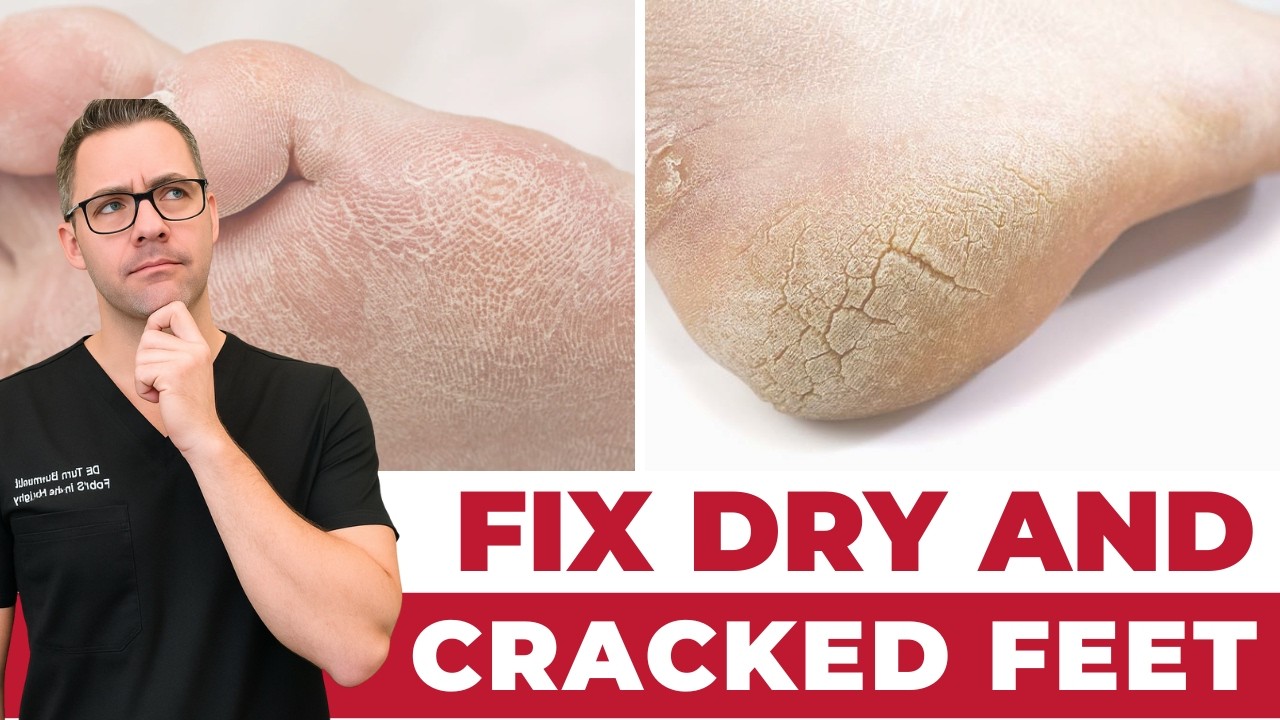
This is the primary use case I recommend urea cream for. Cracked heels occur when the skin around the heel perimeter becomes so dry and thickened that it splits under body weight. Left untreated, fissures can deepen into the dermis, become painful, bleed, and serve as an entry point for infection. 20-30% urea applied twice daily consistently resolves most cases within 3-6 weeks.
Plantar Calluses
Calluses form as a protective response to repeated pressure or friction. While calluses themselves are the body’s defense mechanism, excessively thick calluses can become painful, alter gait, and cause secondary problems. Regular urea cream use softens calluses enough to reduce symptoms without the need for professional debridement in many cases.
Thickened Toenails (Including Fungal Nails)
Toenail fungus (onychomycosis) causes nails to thicken dramatically, making topical antifungal penetration difficult. High-concentration urea (40-50%) applied to the nail plate softens the nail, allowing antifungal agents to reach the nail bed more effectively. This is why some combination products pair urea with antifungal agents. Note: urea alone does not treat the fungal infection — it only improves penetration and reduces thickness.
General Dry Skin / Xerosis
Patients with diabetes, peripheral neuropathy, psoriasis, or eczema often have significant xerosis (chronic dry skin) on their feet. I recommend 10-20% urea as a maintenance treatment for these patients, particularly during winter months when skin dries further. It’s one of the few OTC ingredients that actually modifies the skin’s water-holding capacity rather than just coating the surface.
How to Use Urea Cream on Feet
- 1. Clean and dry feet — wash with soap, pat dry (slightly damp skin improves absorption)
- 2. Apply cream — rub in circular motions, focusing on heels, callused areas, and between toes if very dry
- 3. Socks (optional but recommended) — cover with cotton socks for 20-30 minutes or overnight to enhance penetration and prevent transfer
- 4. Frequency — once or twice daily; twice daily for active calluses or fissures; once daily for maintenance
- 5. Duration — use consistently; most conditions require 4-8 weeks of regular use for maximum benefit
Pro tip: For severe cracked heels, use a pumice stone or foot file on softened skin (after soaking) before applying urea cream. Remove only loose, dead skin — never file to the point of tenderness. Then apply urea cream while skin is still slightly damp for maximum penetration.
⚠️ When NOT to Use Urea Cream Without Medical Supervision
- Open wounds, cuts, or actively bleeding heel fissures
- Infected skin (hot, red, swollen, pus) — see a podiatrist first
- Diabetic patients with neuropathy — any foot skin change needs professional monitoring
- Skin that is acutely inflamed or contact-dermatitis affected
- Children under 12 without physician guidance
Frequently Asked Questions
How long does urea cream take to work on feet?
Most patients notice softening of heel skin within 3-7 days of twice-daily application. Significant callus reduction typically requires 3-6 weeks. Severe cracked heels may take 6-10 weeks for complete resolution. The key is consistency — missing days slows progress significantly because skin thickening reoccurs quickly when the underlying cause (pressure, dryness) hasn’t been addressed.
Is urea cream safe for diabetic feet?
Urea cream can be safe and beneficial for diabetic feet, but with important caveats. Diabetes impairs wound healing and reduces the ability to feel skin breakdown, so I always recommend diabetic patients have their first course of urea treatment supervised by a podiatrist. Low-concentration urea (10-20%) is generally safe for most diabetic patients; higher concentrations should only be used under direct medical guidance. Never apply urea cream to broken, ulcerated, or infected diabetic skin.
Can urea cream remove calluses completely?
Urea cream softens calluses and reduces their thickness significantly, but it won’t permanently remove them if the underlying cause persists. Calluses form in response to pressure and friction — if your shoes still create the same pressure point, the callus will return after you stop using urea cream. For lasting callus elimination, the pressure source must be addressed: shoe fit correction, custom orthotics, gait modification, or (in cases caused by structural deformity) surgery.
🧴 Dr. Tom’s At-Home Foot Care Picks
These are the products I recommend most for foot hygiene, skin health, and comfort between office visits.
Antimicrobial moisture-wicking liner for shoes. Prevents sweat buildup that leads to fungal and odor issues. Barefoot feel without the downside.
See our shoe picks →
For discomfort associated with skin conditions and soreness. Plant-based arnica + menthol formula. FSA-eligible, no greasy residue.
View on Amazon →
FTC Disclosure: As an Amazon Associate and Foundation Wellness affiliate, we earn from qualifying purchases. This never affects our clinical recommendations.
Persistent Calluses or Cracked Heels?
If urea cream alone isn’t resolving your heel or callus issues, a podiatry evaluation can identify the underlying cause — whether it’s abnormal pressure distribution, gait problems, or a structural issue — and provide lasting treatment including professional debridement and custom orthotics.
4.9★ | 1,200+ Reviews | 3,000+ Surgeries | Howell & Bloomfield Township, MI
Or call: (810) 206-1402
In-Office Treatment at Balance Foot & Ankle
If home treatment isn’t providing relief for your foot skin condition, our podiatry team at Balance Foot & Ankle can help with expert evaluations and advanced in-office care.
American Academy of Dermatology: Dry Skin Treatment
Ready to Get Relief?
Book online 24/7 in Howell & Bloomfield Township, MI
4.9★ | 1,200+ Reviews | 3,000+ Surgeries
Or call: (810) 206-1402

Dr. Tom Biernacki, DPM is a board-certified foot & ankle surgeon (ABFAS & ABPM) at Balance Foot & Ankle Specialists in Southeast Michigan. With over a decade of clinical experience, he specializes in heel pain, bunions, diabetic foot care, sports injuries, and minimally invasive surgery. Dr. Biernacki is a member of the APMA and ACFAS, and his patient education content on MichiganFootDoctors.com and YouTube has made him one of the most-followed foot & ankle educators on YouTube.