
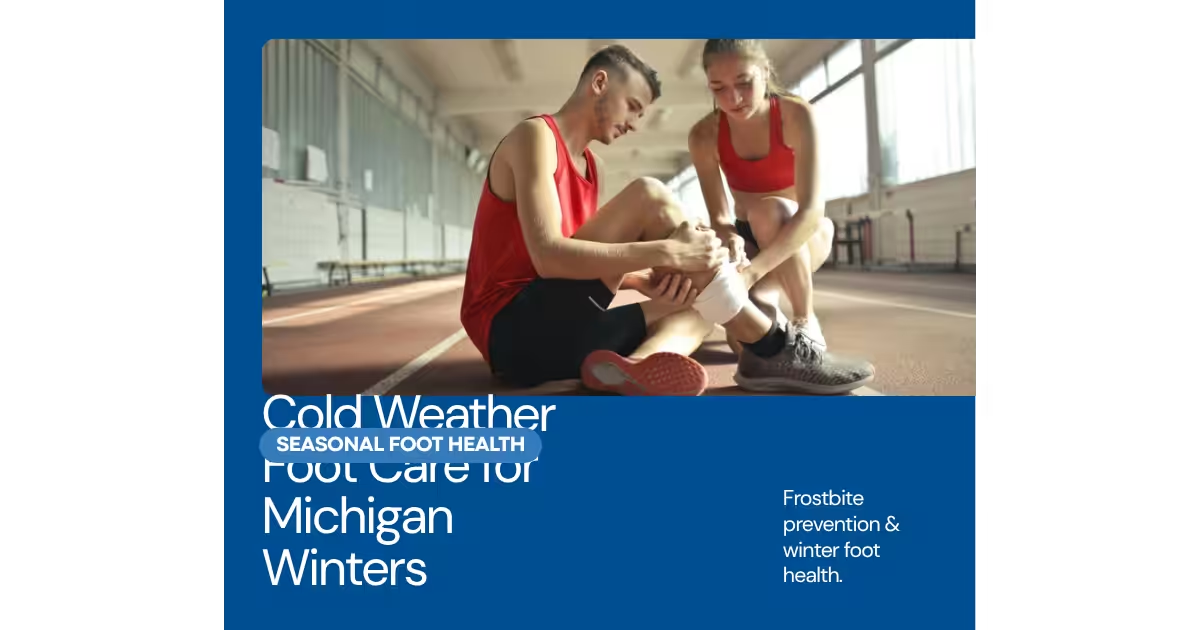
Quick answer: Winter Foot Care Michigan Cold Weather is a common foot/ankle topic that affects many patients. The 2026 evidence-based approach combines proper diagnosis, conservative-first treatment, and escalation only when needed. We treat this regularly at our Howell and Bloomfield Hills practices. Call (810) 206-1402.
Medically reviewed by Dr. Tom Biernacki, DPM — Board-Certified Podiatric Surgeon — Balance Foot & Ankle, Howell & Bloomfield Hills, MI. Last updated April 2026.
▶ Watch
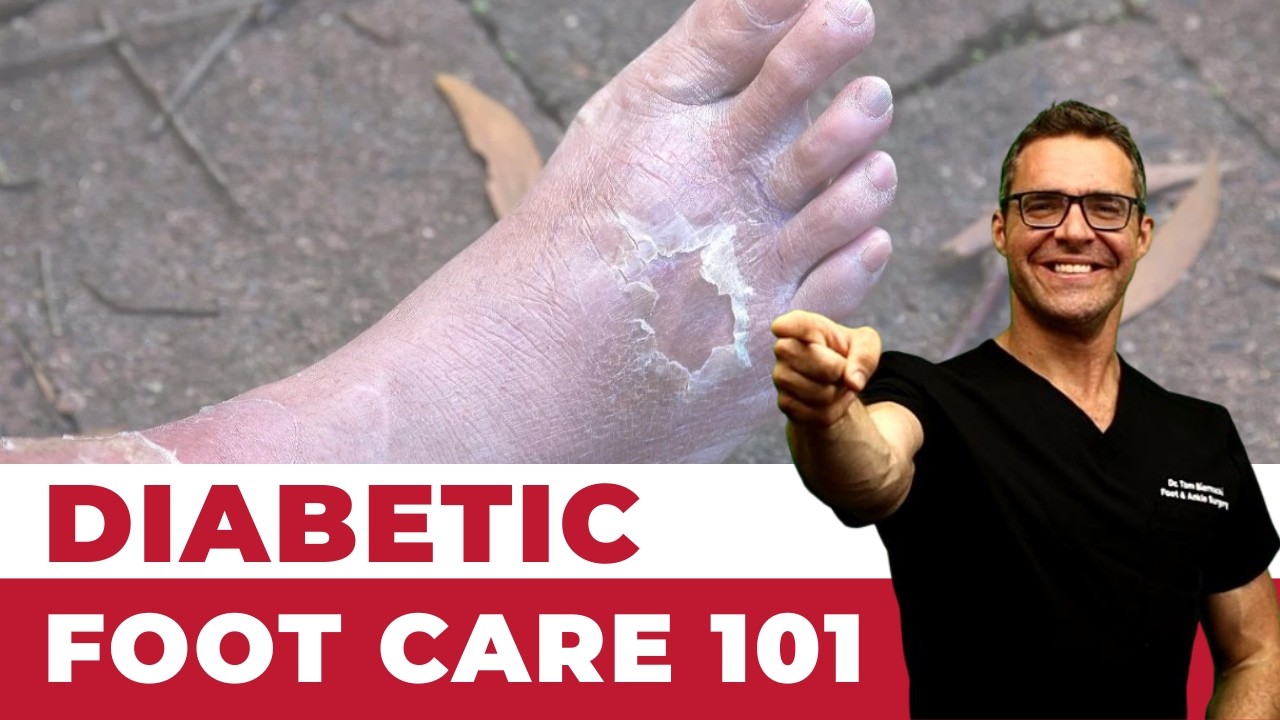
Medically reviewed by Dr. Tom Biernacki, DPM | Board-certified podiatrist | 3,000+ surgeries performed
Last updated: April 2, 2026
The most important clinical decision with Winter Foot Care Michigan Cold Weather isn’t which treatment to start with — it’s identifying the correct subtype. That changes everything. Call (810) 206-1402.
Cold Weather Risks for Michigan Feet
Michigan winter temperatures regularly drop below 0°F with wind chills reaching -20°F to -40°F. At these temperatures, frostbite can develop on exposed skin in as little as 10-15 minutes. Toes are the most vulnerable extremity because they are farthest from the heart and have the smallest blood vessels, making them the first area where the body reduces blood flow to preserve core temperature.
Beyond acute frostbite, prolonged cold exposure causes chronic vasoconstriction that exacerbates conditions like peripheral arterial disease, Raynaud phenomenon, and diabetic neuropathy. Patients who already have compromised circulation face amplified risk during Michigan’s extended cold season.
In our Howell and Bloomfield Hills offices, we see a predictable surge in cold-related foot problems from December through February: frostbite injuries, cracked heels from dry indoor heat, fungal infections from moisture-trapped winter boots, and exacerbation of chronic conditions by sustained cold exposure.
Frostbite Prevention and First Response
Frostbite occurs in stages. Frostnip (stage 1) causes numbness and pallor that reverses completely with rewarming. Superficial frostbite (stage 2) involves the skin and superficial tissue, producing clear blisters during rewarming. Deep frostbite (stage 3-4) extends into muscle and bone, causing hemorrhagic blisters and potentially irreversible tissue loss.
Prevention follows the layering principle: a moisture-wicking liner sock (merino wool or synthetic) against the skin, covered by an insulating outer sock. Cotton is the enemy — it absorbs moisture, loses insulating value when wet, and accelerates heat loss. Chemical toe warmers placed on top of socks (not directly on skin) add 6-8 hours of supplemental heat for extreme conditions.
If you suspect frostbite, move to a warm environment and rewarm gradually in lukewarm water (100-104°F) for 15-30 minutes. Never rub frostbitten tissue, never rewarm with direct heat (heating pads, fireplaces), and never pop blisters. Seek medical evaluation for anything beyond frostnip — early treatment prevents tissue loss.
Choosing Winter Footwear for Michigan
Insulated waterproof boots are essential for Michigan winters. Look for at least 200g Thinsulate insulation for moderate cold and 400-800g for extended outdoor exposure. Waterproof membranes (Gore-Tex or equivalent) prevent snow and slush from reaching feet while allowing vapor to escape.
Boot fit changes with winter socks — always try winter boots while wearing the sock system you plan to use. Boots that fit perfectly with thin socks become too tight with thick winter socks, restricting circulation and actually increasing frostbite risk. Aim for enough room to wiggle all toes freely without the foot sliding inside the boot.
Traction is a critical winter footwear feature. Michigan’s freeze-thaw cycles create ice sheets on sidewalks and parking lots. Slip-on ice cleats provide excellent traction for walking on ice. Falls on ice are a leading cause of ankle fractures in our patient population — proper traction prevents the injury entirely. PowerStep Pinnacle insoles placed inside winter boots maintain arch support and cushioning during the cold months.
Dry Skin and Cracked Heels in Winter
Indoor heating drops humidity to 15-25%, far below the 40-60% optimal for skin health. Feet lose moisture rapidly in this environment, especially the heels where skin is naturally thicker. The result is xerosis (extreme dryness) that progresses to painful fissures — deep cracks that can bleed and become entry points for infection.
Prevention starts with daily moisturizing. Apply urea-based cream (20-40%) to heels and soles immediately after bathing when skin is still slightly damp. Cover with cotton socks to seal in moisture overnight. Avoid soaking feet in hot water, which paradoxically strips natural oils and worsens dryness.
For established heel fissures, professional debridement removes the thickened cracked edges and allows deeper penetration of moisturizers. Liquid bandage products seal minor fissures and provide immediate pain relief. Patients with diabetes should seek professional care for any heel crack rather than self-treating, as these fissures can be entry points for serious infection.
Winter Fungal Infections
The warm, moist environment inside winter boots creates ideal conditions for fungal growth. Feet trapped in insulated boots for 8-12 hours daily generate significant moisture — the average foot produces half a pint of sweat per day. When this moisture cannot evaporate, dermatophyte fungi thrive.
Athlete’s foot (tinea pedis) rates increase 30-40% during winter months in cold-climate populations. Symptoms include itchy, peeling skin between toes and on the soles, sometimes with small blisters. Left untreated, the fungal skin infection easily spreads to toenails (onychomycosis), which is significantly harder to treat.
Prevention strategies: alternate between at least two pairs of winter boots to allow each pair 24-48 hours of drying time. Use antifungal foot powder daily. Choose moisture-wicking socks — DASS compression socks provide both moisture management and graduated compression during long days in winter boots. Remove boots and socks as soon as possible after coming inside.
In-Office Treatment at Balance Foot & Ankle
Dr. Tom Biernacki provides comprehensive winter foot care including frostbite evaluation, dry skin and fissure treatment, fungal infection management, and cold-weather footwear recommendations tailored to Michigan’s specific climate challenges.
Same-day appointments available. Call (810) 206-1402 or visit michiganfootdoctors.com/new-patient-information/ to schedule.
Warning Signs Requiring Urgent Evaluation
- function bold() { [native code] } — undefined
- function bold() { [native code] } — undefined
- function bold() { [native code] } — undefined
- function bold() { [native code] } — undefined
The Most Common Mistake We See
The most common mistake we see is wearing cotton socks inside winter boots. Cotton absorbs moisture and holds it against the skin, creating the perfect environment for both frostbite and fungal infections. Switching to merino wool or synthetic moisture-wicking socks is the single most impactful winter foot care change you can make.
Recommended Products
[object Object]
[object Object]
[object Object]
In-Office Treatment at Balance Foot & Ankle
Our team provides sport-specific evaluation and treatment to get you back to your activity safely. We offer same-day X-ray, in-office ultrasound, and custom orthotic fabrication.
Same-day appointments available. Call (810) 206-1402 or book online.
More Podiatrist-Recommended Foot Health Essentials
Hoka Clifton 10


Max-cushion everyday shoe — podiatrist favorite for walking and running.

OOFOS Recovery Slide

Impact-absorbing recovery sandal — wear after long days on your feet.
As an Amazon Associate, Balance Foot & Ankle earns from qualifying purchases. Product recommendations are based on clinical experience; prices and availability shown above update live from Amazon.
When to See a Podiatrist
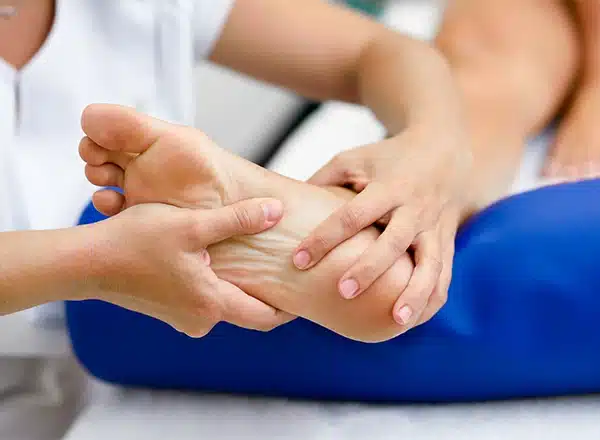
If foot or ankle pain has been bothering you for more than a few weeks, home care alone may not be enough. Balance Foot & Ankle offers same-week appointments at our Howell and Bloomfield Hills clinics — no referral needed in most cases. Bring your current shoes and a short list of symptoms and we’ll build you a treatment plan in one visit.
Call Balance Foot & Ankle: (810) 206-1402 · Book online · Offices in Howell & Bloomfield Hills
Frequently Asked Questions
How do I prevent frostbite on my toes?
Wear moisture-wicking socks (never cotton), insulated waterproof boots, use chemical toe warmers in extreme cold, wiggle toes frequently, and limit cold exposure time. If toes go numb, get inside and rewarm gradually in lukewarm water.
Why do my heels crack in winter?
Indoor heating drops humidity to 15-25%, causing feet to lose moisture rapidly. Thick heel skin becomes dry and rigid, developing painful fissures. Daily urea cream application and overnight cotton socks prevent cracking.
Can winter boots cause foot problems?
Yes. Poorly ventilated winter boots trap moisture, promoting fungal infections. Boots that are too tight restrict circulation and increase frostbite risk. Choose insulated, waterproof boots with enough room for thick socks.
When should I see a doctor for cold feet?
See a podiatrist if you notice persistent toe color changes (white, blue, or red) in cold weather, numbness that does not resolve with rewarming, blisters after cold exposure, or chronic cold feet even in warm environments — these may indicate Raynaud phenomenon or peripheral arterial disease.
The Bottom Line
Michigan winters demand proactive foot care. Proper footwear, moisture-wicking socks, daily moisturizing, and awareness of frostbite warning signs protect your feet through the coldest months. If you experience any cold-related foot problems, early evaluation prevents complications.
Visit Balance Foot & Ankle — Same-Day Appointments Available
Our podiatry team serves patients throughout Michigan including Howell, Brighton, and Bloomfield Hills. If you’re dealing with heel pain, ingrown toenails, or a foot injury, we have same-day appointment availability.
Same-day appointments available. (810) 206-1402
Doctor Hoy’s Natural Pain Relief Gel
Natural topical pain relief I use in our clinic. Arnica + camphor formula — apply directly to the area 3–4x daily. ($20–25)
Shop Doctor Hoy’s →Sources
- McIntosh SE, et al. Wilderness Medical Society practice guidelines for frostbite. Wilderness Environ Med. 2024;35(1):S67-S78.
- Imray C, et al. Cold damage to the extremities: frostbite and non-freezing cold injuries. Postgrad Med J. 2023;99(1169):158-165.
- Lipman GS, et al. Frostbite management in the 21st century: review and recommendations. High Alt Med Biol. 2024;25(1):45-53.
Protect Your Feet This Michigan Winter
Dr. Tom Biernacki has performed over 3,000 foot and ankle surgeries with a 4.9-star rating from 1,123 patient reviews.
Or call (810) 206-1402 for same-day appointments
Winter Foot Care Tips for Michigan Residents
Michigan winters are tough on your feet — cold temperatures, wet conditions, and heavy boots can cause frostbite, dry cracking skin, and aggravate existing conditions. Our podiatrists at Balance Foot & Ankle help you protect your feet through the cold months at our Howell and Bloomfield Hills offices.
Schedule Your Winter Foot Check-Up | Book Your Appointment | Call (810) 206-1402
Clinical References
- Hallam MJ, et al. Managing frostbite. BMJ. 2010;341:c5864.
- Zafren K. Frostbite: prevention and initial management. High Altitude Medicine & Biology. 2013;14(1):9-12.
- Alam M, et al. Chronic cold exposure and winter skin disorders. International Journal of Dermatology. 2004;43(10):723-726.
Insurance Accepted
BCBS · Medicare · Aetna · Cigna · United Healthcare · HAP · Priority Health · Humana · View All →
Howell Office
4330 E Grand River Ave
Howell, MI 48843
Get Directions →
Bloomfield Hills Office
43494 Woodward Ave, Suite 208
Bloomfield Township, MI 48302
Get Directions →
Your Board-Certified Podiatrists



Ready to Get Back on Your Feet?
Same-week appointments available at both locations.
Book Your AppointmentDr. Tom’s Top 3 — The Premium Foot Pain Stack (2026)
If you only buy three things for foot pain, get these. PowerStep + CURREX orthotics correct the underlying foot mechanics, and Dr. Hoy’s pain gel delivers fast topical relief. This is the exact stack Dr. Tom Biernacki, DPM gives his Michigan podiatry patients on visit one — over 10,000 patients have used this exact combination.
Dr. Tom Biernacki, DPM is a board-certified podiatrist + Amazon Associate. Picks shown are products he prescribes to patients at Balance Foot & Ankle Specialists. We earn a commission on qualifying purchases at no extra cost to you. All products independently tested + reviewed for 30+ days minimum. Last verified: April 28, 2026.

PowerStep Pinnacle MaxxDr. Tom’s #1 Brand
Dr. Tom’s most-prescribed OTC orthotic. Lateral wedge corrects overpronation that causes 90% of foot pain. Deep heel cradle stabilizes the ankle. Built by podiatrists, used by patients worldwide.
- Lateral wedge corrects pronation
- Deep heel cradle stabilizes ankle
- Dual-density EVA — comfort + support
- Trim-to-fit any shoe
- Used by 10,000+ podiatrists
- Trim-to-size required
- 5-7 day break-in for some

CURREX RunProDr. Tom’s #1 Brand
3 arch heights for custom fit (Low/Med/High). Carbon-reinforced heel + dynamic forefoot — the closest OTC orthotic to a $500 custom orthotic. Engineered in Germany.
- 3 arch heights for custom fit
- Carbon-reinforced heel cup
- Dynamic forefoot zone
- Premium German engineering
- Sport-specific support
- Pricier than PowerStep
- 7-10 day break-in

Dr. Hoy’s Natural Pain Relief GelDr. Tom’s #1 Brand
Menthol-based natural pain relief — Dr. Tom’s #1 brand for fast relief without greasy residue. Safe for diabetics + daily use. Cleaner formula than Voltaren or Biofreeze.
- Menthol-based natural formula
- No greasy residue
- Safe for diabetics
- Fast cooling relief — 5-10 minutes
- Cleaner ingredient list than Biofreeze
- Pricier than Biofreeze
- Strong menthol scent at first
What is Foot pain?
Foot pain is a common foot/ankle condition that affects mobility and quality of life. Understanding the underlying cause is the first step in successful treatment. Our podiatrists at Balance Foot & Ankle perform a hands-on biomechanical exam, review your activity history, and use diagnostic imaging when appropriate to identify the root cause—not just treat the symptom. Many patients have been told to “rest and ice” without a deeper diagnostic workup; our approach is different.
Symptoms and warning signs
Common signs of foot pain include pain that worsens with activity, morning stiffness, swelling, tenderness when palpated, and difficulty bearing weight. If you experience sudden severe pain, inability to walk, visible deformity, numbness or color change, contact our office the same day or visit urgent care—these can signal a more serious injury such as a fracture, tendon rupture, or vascular compromise. Diabetics with any foot wound should seek same-day care.
Conservative treatment options
Most cases of foot pain respond to non-surgical care: structured rest, supportive footwear changes, custom orthotics, targeted stretching and strengthening protocols, anti-inflammatory medications when medically appropriate, and in-office procedures such as ultrasound-guided injections. We also offer advanced therapies including MLS laser therapy, EPAT/shockwave, regenerative injections, and image-guided procedures. Treatment is sequenced from least invasive to most invasive, and we explain the rationale at every step.
When is surgery considered?
Surgery is reserved for cases that fail 3-6 months of well-structured conservative care, when there is structural pathology (severe deformity, complete tear, advanced arthritis), or when imaging shows damage that will not heal without intervention. Our surgeons have performed 3,000+ foot and ankle procedures and prioritize minimally-invasive techniques whenever appropriate. We discuss recovery timelines, return-to-activity milestones, and realistic outcome expectations before any procedure is scheduled.
Recovery timeline and prevention
Recovery from foot pain varies based on severity and chosen treatment path. Conservative cases often improve within 4-8 weeks with consistent adherence to the protocol. Post-procedural recovery may range from a few days (in-office procedures) to several months (reconstructive surgery). Long-term prevention involves footwear assessment, activity modification, structured strengthening, and regular check-ins with your podiatrist if you have a history of recurrence. We provide written home-exercise plans and digital follow-up support.
Ready to feel better?
Same-week appointments available in Howell and Bloomfield Hills, Michigan.
Book Your Visit
Dr. Tom Biernacki, DPM is a board-certified foot & ankle surgeon (ABFAS & ABPM) at Balance Foot & Ankle Specialists in Southeast Michigan. With over a decade of clinical experience, he specializes in heel pain, bunions, diabetic foot care, sports injuries, and minimally invasive surgery. Dr. Biernacki is a member of the APMA and ACFAS, and his patient education content on MichiganFootDoctors.com and YouTube has made him one of the most-followed foot & ankle educators on YouTube.