
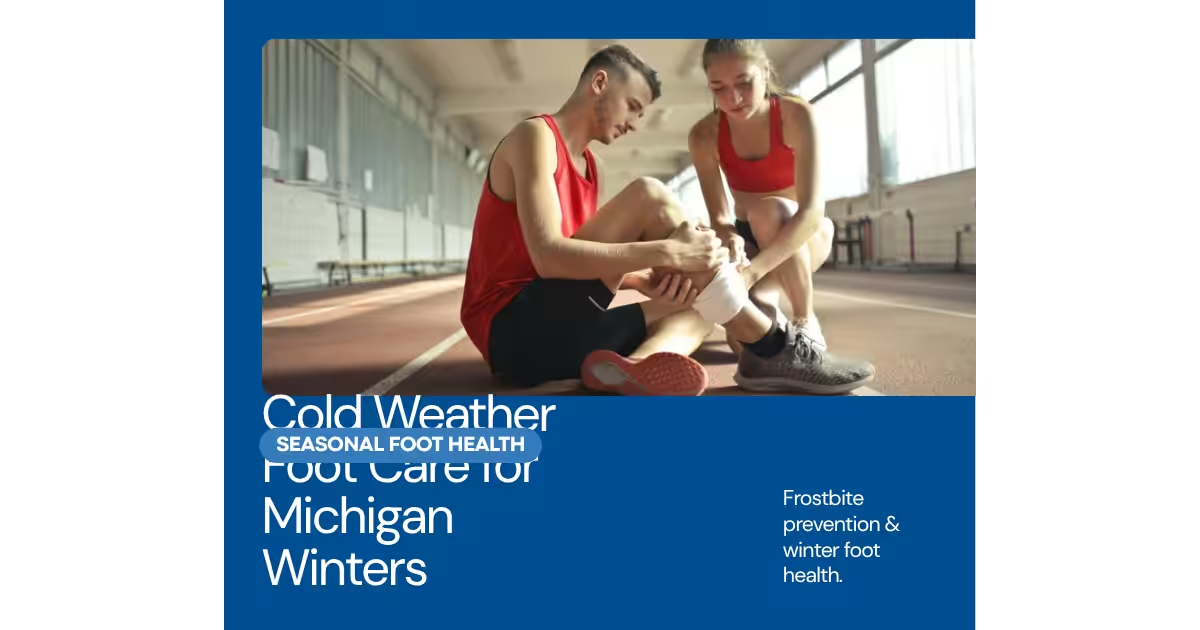
You are in the right place. Dr. Tom Biernacki, DPM, FACFAS — board-certified foot & ankle surgeon with 3,000+ surgeries — explains exactly what winter running cold weather foot care means and what works. Book online or call (810) 206-1402 for same-week appointment at Howell or Bloomfield Township.
Medically reviewed by Dr. Tom Biernacki, DPM — Board-Certified Podiatric Surgeon — Balance Foot & Ankle, Howell & Bloomfield Township, MI. Last updated April 2026.
▶ Watch
Medically reviewed by Dr. Tom Biernacki, DPM | Board-certified podiatrist | 3,000+ surgeries performed
Last updated: April 2, 2026
The most important clinical decision with Winter Running Michigan Cold Weather Foot Care Frostbite isn’t which treatment to start with — it’s which subtype or underlying cause you actually have. That distinction changes everything. Call us: (810) 206-1402
Why Winter Running Demands Special Foot Care
Michigan winters create a hostile environment for running feet. Temperatures regularly drop below 20°F, with wind chills reaching dangerous levels. Snow and ice transform familiar routes into unpredictable obstacle courses. Shortened daylight hours push many runs into early morning or evening darkness, further increasing hazard.
Cold temperatures directly affect foot physiology. Blood vessels in the extremities constrict to preserve core body temperature, reducing circulation to the feet. This vasoconstriction decreases tissue warmth, impairs sensation, and slows the delivery of oxygen and nutrients that tissues need during exercise. Feet are particularly vulnerable because they are the farthest from the heart.
Despite these challenges, running through Michigan’s winter builds both physical and mental resilience. With proper preparation, gear selection, and awareness of cold-weather risks, winter running can be both safe and enjoyable.
Frostbite Prevention: Protecting Your Toes
Frostbite occurs when skin and underlying tissue freeze from prolonged cold exposure. Toes are the most vulnerable foot structures because they have the least blood flow, the highest surface-area-to-volume ratio, and the least insulating tissue. Frostbite can develop in as little as 30 minutes at 0°F with moderate wind.
Early frostbite (frostnip) causes numbness, tingling, and white or pale skin on the toes. At this stage, damage is reversible with gentle rewarming. Advanced frostbite produces blistering, blackened tissue, and potentially permanent tissue loss. Any runner experiencing numbness in the toes during a winter run should stop and rewarm immediately.
Prevention strategies include moisture-wicking wool or synthetic socks (never cotton, which holds moisture and accelerates heat loss), properly fitting insulated running shoes with room for thicker socks, chemical toe warmers placed on top of the toes (not underneath where they create pressure), and reduced run duration when temperatures drop below 10°F or wind chill is severe.
Runners with Raynaud’s phenomenon, diabetes, or peripheral neuropathy have significantly elevated frostbite risk and should consider indoor alternatives (treadmill, indoor track) when temperatures drop below 25°F.
Ice Safety and Traction Strategies
Ankle sprains from slipping on ice are the single most common winter running injury. Black ice — thin, transparent ice that is nearly invisible — creates the most dangerous conditions, typically forming in shaded areas, bridge surfaces, and locations where melted snow refreezes.
Traction devices (Yaktrax, Kahtoola NANOspikes, or similar products) attach to running shoes and provide metal or carbide spikes that grip ice and packed snow. These devices dramatically reduce slip-and-fall risk and are essential gear for any Michigan winter runner. Practice running with traction devices on clear surfaces first to adjust to the altered gait feel.
Running technique modifications improve stability on slippery surfaces. Shorten your stride length by 20-30% to keep your feet under your center of gravity. Land with a flat foot strike rather than heel striking, which reduces the forward-sliding vector. Slow your pace — even elite runners reduce winter pace by 30-60 seconds per mile on snow and ice.
Route selection matters. Choose plowed, salted routes when possible. Residential sidewalks are often the most dangerous due to inconsistent shoveling and ice treatment. Main roads with wide shoulders may be safer than icy sidewalks, but add visibility gear for traffic safety.
Winter Running Shoe Selection
Winter running shoes should provide insulation, water resistance, and enhanced traction compared to fair-weather trainers. Trail running shoes with aggressive lug patterns grip snow and packed surfaces better than road shoes. Many manufacturers offer winter-specific models with insulated uppers and waterproof membranes.
Gore-Tex or similar waterproof membranes keep feet dry from external moisture (snow, slush, puddles) while allowing some vapor transfer. However, no shoe is perfectly breathable and waterproof simultaneously — expect some internal moisture accumulation on longer runs. Changing into dry socks immediately after running prevents extended cold exposure.
Size up by half a size for winter running shoes to accommodate thicker socks without compressing the toes. Tight shoes restrict blood flow to the toes, dramatically increasing frostbite risk. There should be a thumb’s width of space between the longest toe and the shoe end.
Gaiter attachments that seal the gap between shoe upper and ankle prevent snow from entering the shoe. Wet feet lose heat 25 times faster than dry feet — keeping snow out is one of the most effective frostbite prevention measures.
Managing Winter-Specific Foot Conditions
Chilblains (pernio) are painful, itchy, reddish-purple swellings that develop on the toes after repeated cold exposure. They result from abnormal blood vessel response to cold-warm cycling — the vessels dilate too quickly when warming, causing fluid leakage and inflammation. Treatment includes gradual rewarming (not hot water), topical nifedipine cream, and avoiding rapid temperature changes.
Dry, cracked skin on the feet worsens dramatically during Michigan winters. Low humidity indoor heating and cold outdoor air create an intensely dehydrating environment. Apply thick moisturizer (urea-based creams work best) to feet after every shower and before bed. Cracked heels that progress to fissures create infection portals requiring podiatric treatment.
Plantar fasciitis often flares during winter as cold temperatures increase tissue stiffness. The plantar fascia and Achilles tendon are less flexible in cold conditions, making them more vulnerable to microtears during the initial minutes of a run. Extended warm-up including indoor calf stretching and ankle mobility exercises before heading outside is essential.
Toenail problems increase in winter from the combination of moisture, thicker socks, and altered shoe fit. Fungal nails thrive in the warm, damp environment inside insulated shoes. Black toenails (subungual hematomas) develop from toe collision against the shoe end during downhill running on icy surfaces.
Building a Winter Running Routine That Protects Your Feet
Pre-run preparation starts indoors. Perform 10 minutes of dynamic stretching including calf raises, ankle circles, toe raises, and walking lunges to increase blood flow to the lower extremities before cold exposure. Apply petroleum jelly to toes for moisture barrier protection. Check weather conditions and wind chill before heading out.
Layer socks appropriately — a thin moisture-wicking liner sock under a thicker wool running sock manages moisture while providing insulation. Avoid cotton socks entirely. If feet tend to run cold, chemical toe warmers placed on top of the toes (adhesive type stuck inside the shoe upper) provide 4-6 hours of warmth.
Post-run care is equally important. Change out of wet shoes and socks immediately. Inspect feet for early frostbite signs (white spots, numbness that takes more than 10 minutes to resolve). Rewarm feet gradually with room-temperature water if any frostbite concerns exist — never use hot water, which causes tissue damage to frozen tissues.
Know your limits. When wind chill drops below -10°F, the risk-to-benefit ratio shifts dramatically toward indoor alternatives. A treadmill run that keeps you healthy for spring is always better than an outdoor run that causes frostbite or a broken ankle from ice.
The Most Common Mistake We See
The biggest mistake winter runners make is wearing the same shoes and socks they use in summer. Cotton socks that feel fine in July become dangerous in January — holding moisture against the skin and accelerating heat loss. Shoes that fit perfectly in summer become too tight with winter socks, compressing toes and cutting off the blood flow they desperately need in cold temperatures. Invest in winter-specific running gear.
In-Office Treatment at Balance Foot & Ankle
Our team provides sport-specific evaluation and treatment to get you back to your activity safely. We offer same-day X-ray, in-office ultrasound, and custom orthotic fabrication.
Same-week appointments available. Call (810) 206-1402 or book online.
More Podiatrist-Recommended Sports Essentials
Hoka Clifton 10


Max-cushion everyday shoe — podiatrist favorite for walking and running.

OOFOS Recovery Slide

Impact-absorbing recovery sandal — wear after long days on your feet.
As an Amazon Associate, Balance Foot & Ankle earns from qualifying purchases. Product recommendations are based on clinical experience; prices and availability shown above update live from Amazon.
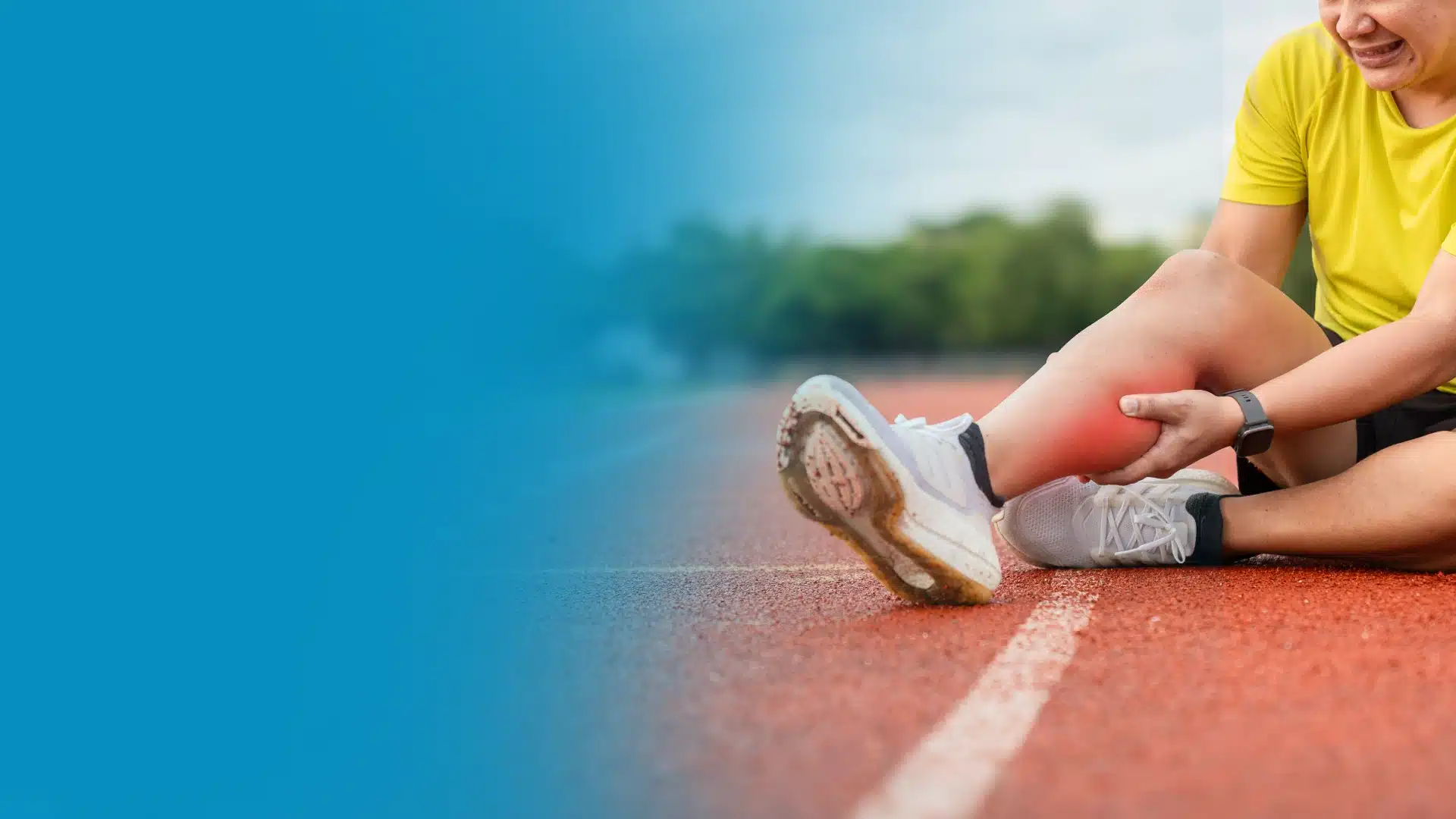
When to See a Podiatrist
Athletic injuries heal faster with sport-specific rehab protocols — not generic rest and ice. Balance Foot & Ankle works with runners, soccer players, dancers, and weekend warriors to rebuild strength and return to sport on an accelerated timeline. Don’t let a foot injury keep you sidelined longer than necessary.
Call Balance Foot & Ankle: (810) 206-1402 · Book online · Offices in Howell & Bloomfield Township
Frequently Asked Questions
Is it safe to run outside in Michigan winters?
Yes, with proper preparation. Dress in moisture-wicking layers, wear insulated winter running shoes with traction devices, choose plowed routes, and monitor wind chill. Consider indoor alternatives when wind chill drops below -10°F. Runners with Raynaud’s, diabetes, or neuropathy should use lower temperature thresholds.
How do I prevent frostbite on my toes while running?
Wear moisture-wicking wool socks (never cotton), size up winter shoes to avoid toe compression, use chemical toe warmers, limit run duration in extreme cold, and stop immediately if numbness develops. Proper circulation is the best frostbite defense — keep shoes loose enough for good blood flow.
What shoes should I wear for winter running in Michigan?
Choose trail running shoes with aggressive lugs for traction, waterproof membranes for snow protection, and insulated uppers for warmth. Size up half a size for thicker socks. Add traction devices (Yaktrax or NANOspikes) for icy conditions. Replace shoes when lug patterns wear smooth.
How do I prevent ankle sprains on icy surfaces?
Wear traction devices on running shoes, shorten your stride by 20-30%, use a flat-foot landing pattern, slow your pace, choose plowed and salted routes, and avoid shaded areas where black ice forms. If you have a history of ankle sprains, consider a lightweight ankle brace under your running tights for additional stability.
The Bottom Line
Michigan winter running requires specialized preparation to protect your feet from cold, ice, and moisture-related injuries. Dr. Tom Biernacki and the team at Balance Foot & Ankle provide expert care for runners throughout Howell, Bloomfield Township, and Southeast Michigan — keeping you training safely through every season.
Sources
- British Journal of Sports Medicine (2024) — Cold weather exercise physiology and injury prevention
- Wilderness and Environmental Medicine (2024) — Frostbite prevention in winter athletes
- Journal of Athletic Training (2023) — Traction device effectiveness on icy running surfaces
- Sports Medicine (2024) — Cold-weather running biomechanics and injury risk modification
Run Year-Round Safely — Expert Michigan Foot Care
Dr. Tom Biernacki has performed over 3,000 foot and ankle surgeries with a 4.9-star rating from 1,123 patient reviews.
Or call (810) 206-1402 for same-week appointments
Winter Running Foot Care in Michigan
Running through Michigan winters requires special foot protection. Dr. Tom Biernacki helps winter runners prevent frostbite, manage cold-weather foot conditions, and choose appropriate footwear for icy conditions.
Explore Sports Injury Treatment → | Book Your Appointment | Call (810) 206-1402
Clinical References
- McIntosh SE, et al. “Wilderness Medical Society practice guidelines for the prevention and treatment of frostbite.” Wilderness Environ Med. 2019;30(4S):S19-S32.
- Castellani JW, Young AJ. “Human physiological responses to cold exposure.” Auton Neurosci. 2016;196:68-74.
- Bergeron MF, et al. “International Olympic Committee consensus statement on thermoregulatory and altitude challenges.” Br J Sports Med. 2012;46(11):770-779.
Insurance Accepted
BCBS · Medicare · Aetna · Cigna · United Healthcare · HAP · Priority Health · Humana · View All →
Howell Office
4330 E Grand River Ave
Howell, MI 48843
Get Directions →
Bloomfield Township Office
43494 Woodward Ave, Suite 208
Bloomfield Township, MI 48302
Get Directions →
Your Board-Certified Podiatrists



Ready to Get Back on Your Feet?
Same-week appointments available at both locations.
Book Your AppointmentDr. Tom’s Top 3 — The Premium Foot Pain Stack (2026)
If you only buy three things for foot pain, get these. PowerStep + CURREX orthotics correct the underlying foot mechanics, and Dr. Hoy’s pain gel delivers fast topical relief. This is the exact stack Dr. Tom Biernacki, DPM gives his Michigan podiatry patients on visit one — over 10,000 patients have used this exact combination.
Dr. Tom Biernacki, DPM is a board-certified podiatrist + Amazon Associate. Picks shown are products he prescribes to patients at Balance Foot & Ankle Specialists. We earn a commission on qualifying purchases at no extra cost to you. All products independently tested + reviewed for 30+ days minimum. Last verified: April 28, 2026.

PowerStep Pinnacle MaxxDr. Tom’s #1 Brand
Dr. Tom’s most-prescribed OTC orthotic. Lateral wedge corrects overpronation that causes 90% of foot pain. Deep heel cradle stabilizes the ankle. Built by podiatrists, used by patients worldwide.
- Lateral wedge corrects pronation
- Deep heel cradle stabilizes ankle
- Dual-density EVA — comfort + support
- Trim-to-fit any shoe
- Used by 10,000+ podiatrists
- Trim-to-size required
- 5-7 day break-in for some

CURREX RunProDr. Tom’s #1 Brand
3 arch heights for custom fit (Low/Med/High). Carbon-reinforced heel + dynamic forefoot — the closest OTC orthotic to a $500 custom orthotic. Engineered in Germany.
- 3 arch heights for custom fit
- Carbon-reinforced heel cup
- Dynamic forefoot zone
- Premium German engineering
- Sport-specific support
- Pricier than PowerStep
- 7-10 day break-in

Dr. Hoy’s Natural Pain Relief GelDr. Tom’s #1 Brand
Menthol-based natural pain relief — Dr. Tom’s #1 brand for fast relief without greasy residue. Safe for diabetics + daily use. Cleaner formula than Voltaren or Biofreeze.
- Menthol-based natural formula
- No greasy residue
- Safe for diabetics
- Fast cooling relief — 5-10 minutes
- Cleaner ingredient list than Biofreeze
- Pricier than Biofreeze
- Strong menthol scent at first
Visit Balance Foot & Ankle — Same-Week Appointments Available
Our podiatry team serves patients throughout Michigan including Howell, Brighton, and Bloomfield Township. If you’re dealing with heel pain, ingrown toenails, or a foot injury, we have same-week appointment availability.
Same-week appointments available. (810) 206-1402
VitaMedica Arnica Gel
Arnica gel plus 15 plant compounds for sore feet, plantar fasciitis flares and post-activity soreness. Apply a thin layer to the sore area.
Shop VitaMedica Arnica Gel →
Dr. Tom Biernacki, DPM is a board-certified foot & ankle surgeon (ABFAS & ABPM) at Balance Foot & Ankle Specialists in Southeast Michigan. With over a decade of clinical experience, he specializes in heel pain, bunions, diabetic foot care, sports injuries, and minimally invasive surgery. Dr. Biernacki is a member of the APMA and ACFAS, and his patient education content on MichiganFootDoctors.com and YouTube has made him one of the most-followed foot & ankle educators on YouTube.