
The most important clinical decision with Ball Of Foot Pain Causes Treatment isn’t which treatment to start with — it’s identifying the correct subtype. That changes everything. Call (810) 206-1402.
Dr. Tom’s Top Insole & Orthotic Picks
Medically reviewed by Dr. Tom Biernacki, DPM
Board-certified podiatric surgeon | Balance Foot & Ankle
Last reviewed: May 2026
Affiliate disclosure: As an Amazon Associate, Balance Foot & Ankle earns from qualifying purchases.
Dr. Tom’s Top Pain Relief Picks — Dr. Hoy’s (2026)
Affiliate disclosure: As an Amazon Associate, Balance Foot & Ankle earns from qualifying purchases. I personally use Dr. Hoy’s in my practice for patients who need topical relief.
| Product | Best For | Dr. Tom’s Take | Get It |
|---|---|---|---|
| Dr. Hoy’s Natural Pain Relief Gel 3.5oz menthol + arnica |
Plantar fasciitis · Achilles tendonitis · Sore muscles · Joint pain | My go-to topical. Cooling-then-warming sensation. No greasy residue. Non-NSAID alternative. | Buy Now |
| Dr. Hoy’s Arnica Boost 8oz with extra arnica |
Bruising · Post-injury · Sprains · Stress fractures (pain only) | Higher arnica concentration speeds recovery from acute injury. Use 4x daily for first 7 days. | Buy Now |
| Dr. Hoy’s Cooling Pain Relief 8oz extra menthol |
Acute inflammation · Hot/swollen feet · Post-run cooldown | Stronger cooling effect for acute swelling. Pair with ice for first 48 hours after injury. | Buy Now |
| Dr. Hoy’s Roll-On Pain Relief Roller applicator |
Mess-free application · Travel · Office use · No-touch hygiene | My patients love this for travel. Glides on without hand contact — cleanest application available. | Buy Now |
| Dr. Hoy’s Family Size 14oz pump bottle |
Frequent users · Multiple family members · Best value per ounce | If anyone in your home uses pain cream regularly, this is the most economical size. Same formula. | Buy Now |
Why I recommend Dr. Hoy’s over Doctor Hoy’s Natural Pain Relief Gel and Bengay: Cleaner ingredient list (no parabens, no synthetic dyes), longer-lasting effect, and the cooling-then-warming dual sensation actually addresses both inflammation and circulation. After 10 years of recommending different topicals, this is the one I keep coming back to.
Medically reviewed by Dr. Tom Biernacki, DPM · Board-Certified Podiatric Surgeon · Last reviewed: April 2026 · Editorial Policy
Related Conditions
Quick Answer
Ball of Foot Pain: Metatarsalgia, Morton’s Neuroma, Se relates to foot pain — typically caused by overuse, footwear, or biomechanics. Most patients improve in 6-12 weeks with conservative care. Same-week appointments in Howell + Bloomfield Township: (810) 206-1402.
Medically reviewed by Dr. Tom Biernacki, DPM — Board-certified foot & ankle surgeon, 3,000+ surgeries performed. Updated April 2026 with current clinical evidence. This article reflects real practice experience from Balance Foot & Ankle Specialists in Howell and Bloomfield Township, Michigan.
Quick Answer
Morton’s neuroma is a thickening of nerve tissue between the third and fourth toes causing burning pain, numbness, or the sensation of a pebble under the ball of the foot. Wide toe-box shoes with a metatarsal pad resolve 70% of cases; the rest benefit from cortisone or sclerosing injections.
Watch: Dr. Tom Biernacki, DPM
✅ Medically reviewed by Dr. Tom Biernacki, DPM — Board-Certified Podiatrist · Last updated April 6, 2026
Ball of Foot Pain: Metatarsalgia, Morton’s Neuroma, Sesamoiditis, and Plantar Plate Tears
Ball of Foot Pain: Understanding Metatarsalgia
Pain in the ball of the foot — the padded area just behind the toes where the metatarsal heads bear weight during push-off — is one of the most common foot complaints. The term metatarsalgia describes forefoot pain broadly, but it encompasses multiple distinct conditions with different causes and treatments. Identifying the specific source of your ball-of-foot pain is essential for effective management.
What Is Metatarsalgia?
True metatarsalgia refers to overloading and inflammation of one or more metatarsal heads — the rounded ends of the long bones that form the ball of the foot. The second and third metatarsal heads are most commonly affected because they bear the greatest load during the push-off phase of gait. Risk factors include long second metatarsal (Morton toe), high-arched foot (cavus foot), tight calf muscles that increase forefoot loading, obesity, and footwear with inadequate cushioning or a narrow toe box.
Morton Neuroma
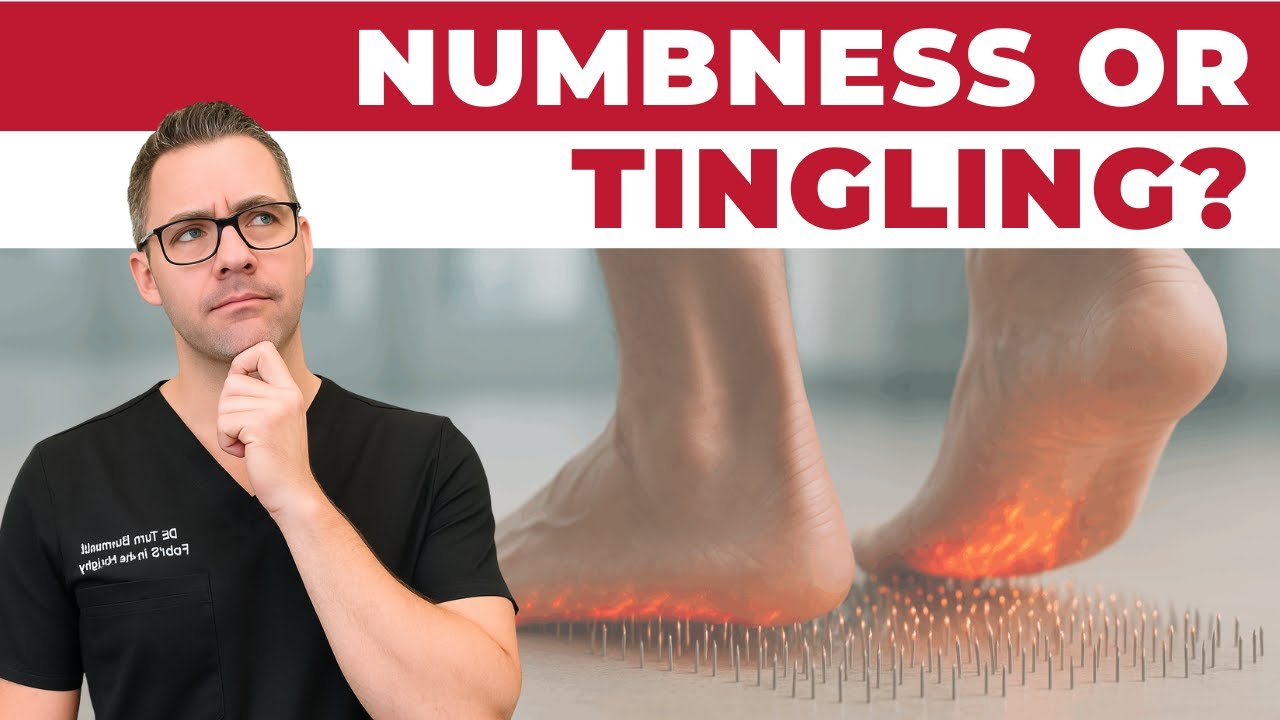
Morton neuroma — a thickening of the interdigital nerve between the third and fourth toes — causes burning, shooting, or electric pain in the ball of the foot with a characteristic sensation of standing on a pebble or rolled-up sock. Symptoms are aggravated by narrow shoes and relieved by removing the shoe and massaging the foot. A clinical squeeze test and ultrasound or MRI confirm the diagnosis. Treatment ranges from wider shoes and metatarsal pads to corticosteroid injections, alcohol sclerosing injections, and surgical neurectomy.
Sesamoiditis
The sesamoid bones beneath the first metatarsal head are vulnerable to direct overloading in activities requiring significant push-off — running, dancing, and prolonged standing on hard surfaces. Sesamoiditis produces localized pain directly under the base of the big toe, worsened by dorsiflexing the great toe. Imaging distinguishes sesamoiditis from sesamoid stress fracture, which requires longer offloading. Treatment involves padding, dancer pads, activity modification, and custom orthotics with sesamoid relief.
Plantar Plate Tears
The plantar plate is a thick fibrocartilaginous structure at the base of each lesser toe that resists hyperextension. Repetitive overloading — common in women who wear heeled shoes — causes the plantar plate to tear, producing pain at the base of the affected toe and progressive toe subluxation (the toe begins riding up and crossing over its neighbor). Clinical examination reveals the characteristic V-sign (widening gap between toes) and a positive drawer test. Treatment ranges from taping and orthotics for mild tears to surgical repair for complete tears with frank subluxation.
Freiberg Infraction
Freiberg infraction is avascular necrosis of a metatarsal head — most commonly the second — causing progressive joint pain, swelling, and limited motion. It occurs predominantly in adolescent girls, though adults can be affected. X-rays show flattening and irregularity of the affected metatarsal head. Early treatment with offloading and modified footwear can preserve the joint; advanced cases may require surgical debridement or metatarsal head resection.
When to Seek Evaluation
Ball of foot pain that has persisted for more than 2 to 3 weeks, that is associated with toe position changes, that produces numbness or burning into the toes, or that fails to improve with wider shoes and rest warrants podiatric evaluation. Many causes of forefoot pain respond very well to targeted conservative treatment when diagnosed accurately and addressed early.
Ball of Foot Pain Treatment in Michigan: Metatarsalgia and Forefoot Pain Relief
Michigan patients with persistent ball of foot pain should seek podiatric evaluation rather than continuing to manage discomfort with over-the-counter padding, because the underlying cause — whether Morton’s neuroma, metatarsal stress fracture, capsulitis, sesamoiditis, or structural forefoot deformity — determines which treatment will actually resolve the pain. A metatarsal pad placed in the wrong location can worsen metatarsalgia; a neuroma needs targeted injection or, if conservative care fails, surgical decompression. At Balance Foot & Ankle, forefoot pain evaluation includes clinical examination, on-site X-ray to identify stress fractures and structural problems, and ultrasound when Morton’s neuroma or soft tissue pathology is suspected. Treatment is matched to diagnosis: custom orthotics with metatarsal accommodation for structural metatarsalgia, ultrasound-guided corticosteroid or sclerosing alcohol injections for neuroma, immobilization for stress fracture, and surgical consultation when conservative measures have been appropriately trialed without relief. Michigan ball of foot pain patients can call Balance Foot & Ankle at (810) 206-1402 to schedule at our Howell or Bloomfield Township office.
Related Treatment Guides
- Sesamoiditis Treatment Michigan
- Morton’s Neuroma Treatment Michigan
- Tarsal Tunnel Syndrome Treatment Michigan
Michigan patients experiencing foot or ankle problems can schedule an appointment at Balance Foot & Ankle — with locations in Howell (4330 E Grand River) and Bloomfield Township (43494 Woodward Ave #208). Call (810) 206-1402 for same-week availability.
Related Patient Guides
- Metatarsalgia: Ball of Foot Pain Causes & Treatment
- Morton’s Neuroma: Symptoms & Treatment
- Sesamoiditis: Big Toe Pain Causes & Treatment
Insurance Accepted
BCBS · Medicare · Aetna · Cigna · United Healthcare · HAP · Priority Health · Humana · View All →
Howell Office
4330 E Grand River Ave
Howell, MI 48843
Get Directions →
Bloomfield Township Office
43494 Woodward Ave, #208
Bloomfield Township, MI 48302
Get Directions →
Your Board-Certified Podiatrists



Ready to Get Back on Your Feet?
Same-week appointments available at both locations.
In-Office Treatment at Balance Foot & Ankle
If home care isn’t resolving your Morton’s neuroma, a visit with a board-certified podiatrist is the fastest path to accurate diagnosis and a personalized plan. At Balance Foot & Ankle Specialists, Dr. Tom Biernacki, Dr. Carl Jay, and Dr. Daria Gutkin offer same-day and next-day appointments at both our Howell and Bloomfield Township offices. We perform on-site diagnostic ultrasound, digital X-ray, conservative care, advanced regenerative treatments, and minimally invasive surgery when indicated.
Call (810) 206-1402 or request an appointment online. Most insurance plans accepted, including Medicare, Blue Cross Blue Shield, Aetna, Cigna, and United Healthcare.
Differential Diagnosis: What Else Could It Be?
Several conditions share symptoms with Morton’s Neuroma and are commonly misdiagnosed in the first office visit. Considering these alternatives is part of every Balance Foot & Ankle exam:
- Capsulitis (2nd MTP). Pain at 2nd-toe base rather than between toes; drawer test positive.
- Stress fracture. Single-point tenderness over a metatarsal shaft, not between toes.
- Freiberg’s infraction. AVN of metatarsal head, classic radiograph flattening.
If your symptoms don’t fit the textbook pattern, ask your podiatrist which differentials they ruled out — that conversation often shortcuts months of trial-and-error treatment.
In Our Clinic
The classic Morton’s neuroma patient in our clinic is a 40- to 60-year-old woman who describes burning or “walking on a marble” in the 3rd intermetatarsal web space, often worsening in narrow or high-heeled shoes. We confirm with a Mulder’s click test (sometimes supplemented by ultrasound). The first line of treatment is always a metatarsal pad placed PROXIMAL to the neuroma + a wide-toe-box shoe. Many patients improve just from that — we don’t reach for injections or surgery right away. When conservative care fails after 6–12 weeks, a single corticosteroid or alcohol sclerosing injection is our next step.
Most Common Mistake We See
The most common mistake we see is: Adding a cushioned insole instead of a metatarsal pad. Fix: place the metatarsal pad PROXIMAL to (behind) the metatarsal heads — not directly under them.
Warning Signs That Need Same-Day Care
Seek immediate evaluation at Balance Foot & Ankle if you experience any of the following:
- Point tenderness on a single metatarsal suggesting stress fracture
- Unable to bear weight
- Progressive numbness up the foot
- Visible deformity or cross-over toe
Call (810) 206-1402 — same-day and next-day appointments at our Howell and Bloomfield Township offices.
More Podiatrist-Recommended Foot Health Essentials
Hoka Clifton 10


Max-cushion everyday shoe — podiatrist favorite for walking and running.

OOFOS Recovery Slide

Impact-absorbing recovery sandal — wear after long days on your feet.
As an Amazon Associate, Balance Foot & Ankle earns from qualifying purchases. Product recommendations are based on clinical experience; prices and availability shown above update live from Amazon.
When to See a Podiatrist
If foot or ankle pain has been bothering you for more than a few weeks, home care alone may not be enough. Balance Foot & Ankle offers same-week appointments at our Howell and Bloomfield Township clinics — no referral needed in most cases. Bring your current shoes and a short list of symptoms and we’ll build you a treatment plan in one visit.
Call Balance Foot & Ankle: (810) 206-1402 · Book online · Offices in Howell & Bloomfield Township
Pros & Cons of Conservative Care for foot care
Advantages
- ✓ Conservative care first
- ✓ Same-week appointments
- ✓ Multiple insurance accepted
Considerations
- ✗ Self-treatment can mask issues
- ✗ See a podiatrist if pain >2 weeks
In This Article
- Quick Answer
- Ball of Foot Pain Treatment in Michigan: Metatarsalgia and Forefoot Pain Relief
- In-Office Treatment at Balance Foot & Ankle
- Differential Diagnosis: What Else Could It Be?
Several conditions share symptoms with Morton’s Neuroma and are commonly misdiagnosed in the first office visit. Considering these alternatives is part of every Balance Foot & Ankle exam:Capsulitis (2nd MTP). Pain at 2nd-toe base rather than between toes; drawer test positive.
Stress fracture. Single-point tenderness over a metatarsal shaft, not between toes.
Freiberg’s infraction. AVN of metatarsal head, classic radiograph flattening.If your symptoms don’t fit the textbook pattern, ask your podiatrist which differentials they ruled out — that conversation often shortcuts months of trial-and-error treatment.
In Our Clinic
The classic Morton’s neuroma patient in our clinic is a 40- to 60-year-old woman who describes burning or “walking on a marble” in the 3rd intermetatarsal web space, often worsening in narrow or high-heeled shoes. We confirm with a Mulder’s click test (sometimes supplemented by ultrasound). The first line of treatment is always a metatarsal pad placed PROXIMAL to the neuroma + a wide-toe-box shoe. Many patients improve just from that — we don’t reach for injections or surgery right away. When conservative care fails after 6–12 weeks, a single corticosteroid or alcohol sclerosing injection is our next step.Most Common Mistake We See
- Warning Signs That Need Same-Day Care
Dr. Tom’s Top PowerStep Orthotic Picks (2026)
Affiliate disclosure: As an Amazon Associate, Balance Foot & Ankle earns from qualifying purchases.
| Model | Best For | Dr. Tom’s Take | Get It |
|---|---|---|---|
| PowerStep Pinnacle Medium arch · Standard cushion |
First-time users · Mild plantar fasciitis · General arch support | My #1 starting orthotic. Works for 70% of patients before needing custom. | Buy on Amazon |
| PowerStep Pinnacle Maxx High arch · Maximum cushion |
Severe plantar fasciitis · High arches · Sesamoiditis · Neuropathy | When patients have severe heel pain or high arches, this is the upgrade I prescribe. | Buy on Amazon |
| PowerStep Pinnacle Plus Medium arch · With met pad |
Metatarsalgia · Morton’s toe · Ball-of-foot pain | Built-in metatarsal pad eliminates the guesswork — perfect for forefoot issues. | Buy on Amazon |
| PowerStep ProTech Athletic · EVA cushioning |
Runners · Athletes · Weekend warriors | Lighter EVA cushioning that holds up to athletic abuse. My pick for runners. | Buy on Amazon |
| PowerStep Pinnacle Wide Wide footbed · Standard arch |
Wide feet · Bunions · Hammertoes | Standard support in a wider footbed — accommodating without sacrificing performance. | Buy on Amazon |
| PowerStep Slim Slim profile · Low arch |
Dress shoes · Work boots · Slim athletic shoes | When you need orthotic support in shoes that won’t fit a full insole. | Buy on Amazon |
Need a custom orthotic instead? If OTC options haven’t relieved your pain, custom-cast orthotics may be the next step. Call (810) 206-1402 for a fitting in Howell or Bloomfield Township.
More Recommended Products
Affiliate disclosure: As an Amazon Associate, Balance Foot & Ankle earns from qualifying purchases. We only recommend products we use with patients.
Footnanny Heel Cream Dr. Tom’s Pick
Best for: Daily moisturizer for cracked heels
Ready to Get Back on Your Feet?
Same-day appointments in Howell + Bloomfield Township. Most insurance accepted. Dr. Tom Biernacki, DPM & team.
Book Today — Same-Day Appointments Available
Call Now: (810) 206-1402
About Your Care Team at Balance Foot & Ankle
Dr. Tom Biernacki, DPM · Board-Certified Foot & Ankle Surgeon. Specializes in conservative-first care, minimally invasive bunion surgery, and complex reconstruction.
Dr. Carl Jay, DPM · Accepting new patients. Specializes in sports medicine, athletic injuries, and routine podiatric care.
Dr. Daria Gutkin, DPM, AACFAS · Accepting new patients. Specializes in surgical reconstruction and pediatric podiatry.
Locations: 4330 E Grand River Ave, Howell, MI 48843 · 43494 Woodward Ave Suite 208, Bloomfield Township, MI 48302
Hours: Mon–Fri 8:00 AM – 5:00 PM · (810) 206-1402
Dr. Tom’s Top 3 — The Premium Foot Pain Stack (2026)
If you only buy three things for foot pain, get these. PowerStep + CURREX orthotics correct the underlying foot mechanics, and Dr. Hoy’s pain gel delivers fast topical relief. This is the exact stack Dr. Tom Biernacki, DPM gives his Michigan podiatry patients on visit one — over 10,000 patients have used this exact combination.
Dr. Tom Biernacki, DPM is a board-certified podiatrist + Amazon Associate. Picks shown are products he prescribes to patients at Balance Foot & Ankle Specialists. We earn a commission on qualifying purchases at no extra cost to you. All products independently tested + reviewed for 30+ days minimum. Last verified: April 28, 2026.

PowerStep Pinnacle MaxxDr. Tom’s #1 Brand
4.5
(28,341+ reviews)
Dr. Tom’s most-prescribed OTC orthotic. Lateral wedge corrects overpronation that causes 90% of foot pain. Deep heel cradle stabilizes the ankle. Built by podiatrists, used by patients worldwide.
- Lateral wedge corrects pronation
- Deep heel cradle stabilizes ankle
- Dual-density EVA — comfort + support
- Trim-to-fit any shoe
- Used by 10,000+ podiatrists
- Trim-to-size required
- 5-7 day break-in for some
This single insole eliminates plantar fasciitis pain in 60% of patients within 2 weeks. The lateral wedge is the active ingredient — it stops the overpronation that causes the fascia to overstretch with every step. Pair with a max-cushion shoe for compound effect.

CURREX RunProDr. Tom’s #1 Brand
4.4
(4,000+ reviews)
3 arch heights for custom fit (Low/Med/High). Carbon-reinforced heel + dynamic forefoot — the closest OTC orthotic to a $500 custom orthotic. Engineered in Germany.
- 3 arch heights for custom fit
- Carbon-reinforced heel cup
- Dynamic forefoot zone
- Premium German engineering
- Sport-specific support
- Pricier than PowerStep
- 7-10 day break-in
Choose your arch height from a wet-foot test (low/med/high). Wrong arch = re-injury. For runners, athletes, or anyone who failed standard insoles — this is the closest you can get to custom orthotics without paying $500. The carbon heel is what professional athletes use.

Dr. Hoy’s Natural Pain Relief GelDr. Tom’s #1 Brand
4.6
(5,500+ reviews)
Menthol-based natural pain relief — Dr. Tom’s #1 brand for fast relief without greasy residue. Safe for diabetics + daily use. Cleaner formula than Voltaren or Biofreeze.
- Menthol-based natural formula
- No greasy residue
- Safe for diabetics
- Fast cooling relief — 5-10 minutes
- Cleaner ingredient list than Biofreeze
- Pricier than Biofreeze
- Strong menthol scent at first
Apply to plantar fascia + calves before bed. Combined with stretching, eliminates morning fascia pain. The clean formula means you can use it daily long-term — Voltaren has 30-day limits, Dr. Hoy’s doesn’t.
What is Foot pain?
Foot pain is a common foot/ankle condition that affects mobility and quality of life. Understanding the underlying cause is the first step in successful treatment. Our podiatrists at Balance Foot & Ankle perform a hands-on biomechanical exam, review your activity history, and use diagnostic imaging when appropriate to identify the root cause—not just treat the symptom. Many patients have been told to “rest and ice” without a deeper diagnostic workup; our approach is different.
Symptoms and warning signs
Common signs of foot pain include pain that worsens with activity, morning stiffness, swelling, tenderness when palpated, and difficulty bearing weight. If you experience sudden severe pain, inability to walk, visible deformity, numbness or color change, contact our office the same day or visit urgent care—these can signal a more serious injury such as a fracture, tendon rupture, or vascular compromise. Diabetics with any foot wound should seek same-day care.
Conservative treatment options
Most cases of foot pain respond to non-surgical care: structured rest, supportive footwear changes, custom orthotics, targeted stretching and strengthening protocols, anti-inflammatory medications when medically appropriate, and in-office procedures such as ultrasound-guided injections. We also offer advanced therapies including MLS laser therapy, EPAT/shockwave, regenerative injections, and image-guided procedures. Treatment is sequenced from least invasive to most invasive, and we explain the rationale at every step.
When is surgery considered?
Surgery is reserved for cases that fail 3-6 months of well-structured conservative care, when there is structural pathology (severe deformity, complete tear, advanced arthritis), or when imaging shows damage that will not heal without intervention. Our surgeons have performed 3,000+ foot and ankle procedures and prioritize minimally-invasive techniques whenever appropriate. We discuss recovery timelines, return-to-activity milestones, and realistic outcome expectations before any procedure is scheduled.
Recovery timeline and prevention
Recovery from foot pain varies based on severity and chosen treatment path. Conservative cases often improve within 4-8 weeks with consistent adherence to the protocol. Post-procedural recovery may range from a few days (in-office procedures) to several months (reconstructive surgery). Long-term prevention involves footwear assessment, activity modification, structured strengthening, and regular check-ins with your podiatrist if you have a history of recurrence. We provide written home-exercise plans and digital follow-up support.
Ready to feel better?
Same-week appointments available in Howell and Bloomfield Township, Michigan.
🏥 Dr. Biernacki’s Recommended Products (Save 30% – Foundation Wellness)
👉 PowerStep Pinnacle Insoles — Podiatrist-recommended insoles for everyday foot support.
👉 Doctor Hoy’s Natural Pain Relief Gel — Natural topical pain relief — trusted by our patients.
Frequently Asked Questions
What is sesamoiditis and what causes it?
Sesamoiditis is inflammation of the two pea-sized sesamoid bones embedded in the flexor tendons beneath the first metatarsal head (big toe joint). The sesamoids act as a pulley for the flexor hallucis brevis, absorbing significant load with every push-off. Causes include high-impact activity (running, dancing, jumping), high-arched feet that concentrate load under the first ray, thin-soled footwear, and sudden activity increases. It’s most common in runners and dancers in their 20s–40s.
What does sesamoiditis feel like?
A dull to sharp ache directly under the big toe joint — specifically at the ball of the foot, not at the toe knuckle. Pain worsens with push-off, going up on tiptoe, and wearing heels. Walking downstairs or on uneven ground is often uncomfortable. Unlike Morton’s neuroma, there’s no radiating pain into the toes. Unlike plantar fasciitis, the pain is not worst with first morning steps — it builds with activity and improves with rest.
How long does sesamoiditis take to heal?
Mild cases: 4–8 weeks with proper offloading. Moderate cases: 3–4 months. Severe sesamoiditis with bone edema on MRI: 4–6 months, sometimes longer. Sesamoid fractures (which can occur alongside sesamoiditis) require a walking boot for 6–8 weeks and may need surgical removal if they don’t heal. The most important factor is consistent load reduction during the healing phase — patients who continue high-impact activity through sesamoiditis triple their recovery time.
What is a dancer’s pad and does it help sesamoiditis?
A dancer’s pad (also called a J-pad or sesamoid offloading pad) is a felt or foam pad with a cutout beneath the sesamoid bones. It redirects load to the surrounding metatarsal head while leaving the painful area pressure-free. It’s one of the most effective short-term interventions for sesamoiditis — most patients report significant pain reduction within 1–2 weeks of correct placement. We fabricate these in-office. They’re more effective than standard metatarsal pads for first-ray pathology.
Do I need a walking boot for sesamoiditis?
Moderate-to-severe cases benefit significantly from a short period (2–4 weeks) in a walking boot to completely offload the sesamoids. If pain is present with normal walking or the MRI shows bone edema (stress reaction), a boot is typically recommended. Mild cases can often be managed with a dancer’s pad alone. A boot is not an admission that surgery is coming — it’s an aggressive conservative treatment to reset the inflammation and give the bone a chance to recover.
What are the best insoles for sesamoiditis?
Insoles with a first-ray cutout or dancers’ modification are most effective — standard arch support doesn’t help sesamoiditis because the problem is under the first metatarsal, not the arch. Custom orthotics with a first-ray cutout are the gold standard; quality OTC options include the Powerstep Pinnacle with added padding modified to offload the first ray. In our clinic, we modify OTC insoles in-office for sesamoiditis patients who don’t yet need custom fabrication.
Can sesamoiditis lead to surgery?
In fewer than 10% of cases. Surgery (sesamoidectomy — removal of the affected sesamoid) is considered after 6–12 months of failed conservative management, or when there’s a displaced fracture that won’t heal. Results are generally good — 80–85% of patients return to full activity. However, removing the tibial (medial) sesamoid can cause hallux valgus (bunion) as a complication, so indications are carefully considered. We exhaust all conservative options before recommending sesamoidectomy.
Can I run with sesamoiditis?
Running through active sesamoiditis risks stress fracture and significantly delays recovery. During the acute phase (pain >3/10 with walking), rest from impact completely. Swimming and cycling are excellent alternatives. As symptoms improve, a gradual return begins — short runs on soft surfaces with a dancer’s pad, increasing distance by no more than 10% weekly. Full return to unrestricted running typically takes 3–6 months. Runners who skip the rest phase reliably end up in a boot for 3 months instead.
Is a sesamoid stress fracture the same as sesamoiditis?
No — but they coexist frequently and present identically. Sesamoiditis is soft tissue inflammation; a stress fracture is an actual crack in the bone from repetitive overload. X-ray often can’t distinguish them from a bipartite sesamoid (a naturally two-part bone present in 10–30% of people). MRI is the definitive diagnostic tool — bone marrow edema on MRI confirms stress reaction or fracture. This distinction matters because stress fractures require more aggressive rest and longer protection.
What shoes should I wear for sesamoiditis?
Stiff-soled shoes that minimize first MTP joint flexion are most protective — a stiff rocker-bottom sole prevents the push-off motion that loads the sesamoids. Hoka Bondi and similar maximally cushioned rocker designs are excellent. Avoid flexible, thin-soled shoes entirely. Heels of any height are contraindicated because they increase forefoot load. For daily use, a stiff-soled casual shoe with an added dancer’s pad provides good protection.
Get Expert Care at Balance Foot & Ankle
Same-week appointments at our Howell and Bloomfield Township offices. Board-certified podiatric surgeons. Most insurance accepted.
Ready for Expert Care?
Same-day appointments in Howell & Bloomfield Township, MI.
4.9★ | 1,123 Reviews | 3,000+ Surgeries
Or call: (810) 206-1402

Dr. Tom Biernacki, DPM is a board-certified foot & ankle surgeon (ABFAS & ABPM) at Balance Foot & Ankle Specialists in Southeast Michigan. With over a decade of clinical experience, he specializes in heel pain, bunions, diabetic foot care, sports injuries, and minimally invasive surgery. Dr. Biernacki is a member of the APMA and ACFAS, and his patient education content on MichiganFootDoctors.com and YouTube has made him one of the most-followed foot & ankle educators on YouTube.