The most important clinical decision with Best Insoles Runners Overpronation Flat Feet 2026 isn’t which treatment to start with — it’s identifying the correct subtype. That changes everything. Call (810) 206-1402.
Quick Answer
Best Insoles for Runners with Overpronation & Flat Feet relates to orthotic fitting — typically caused by biomechanical foot needs. Most patients improve in 2 weeks to break in with conservative care. Same-week appointments in Howell + Bloomfield Township: (810) 206-1402.
Medically reviewed by Dr. Tom Biernacki, DPM — Board-certified foot & ankle surgeon, 3,000+ surgeries performed. Updated April 2026 with current clinical evidence. This article reflects real practice experience from Balance Foot & Ankle Specialists in Howell and Bloomfield Township, Michigan.
Quick Answer
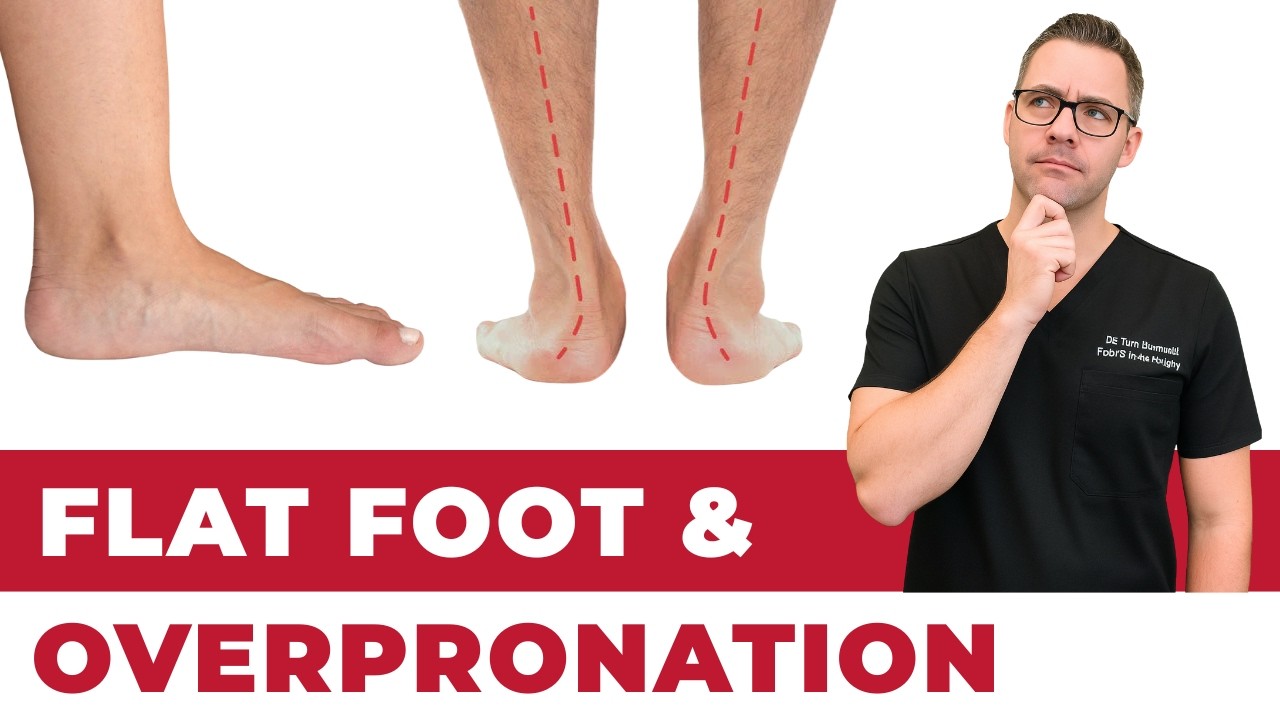
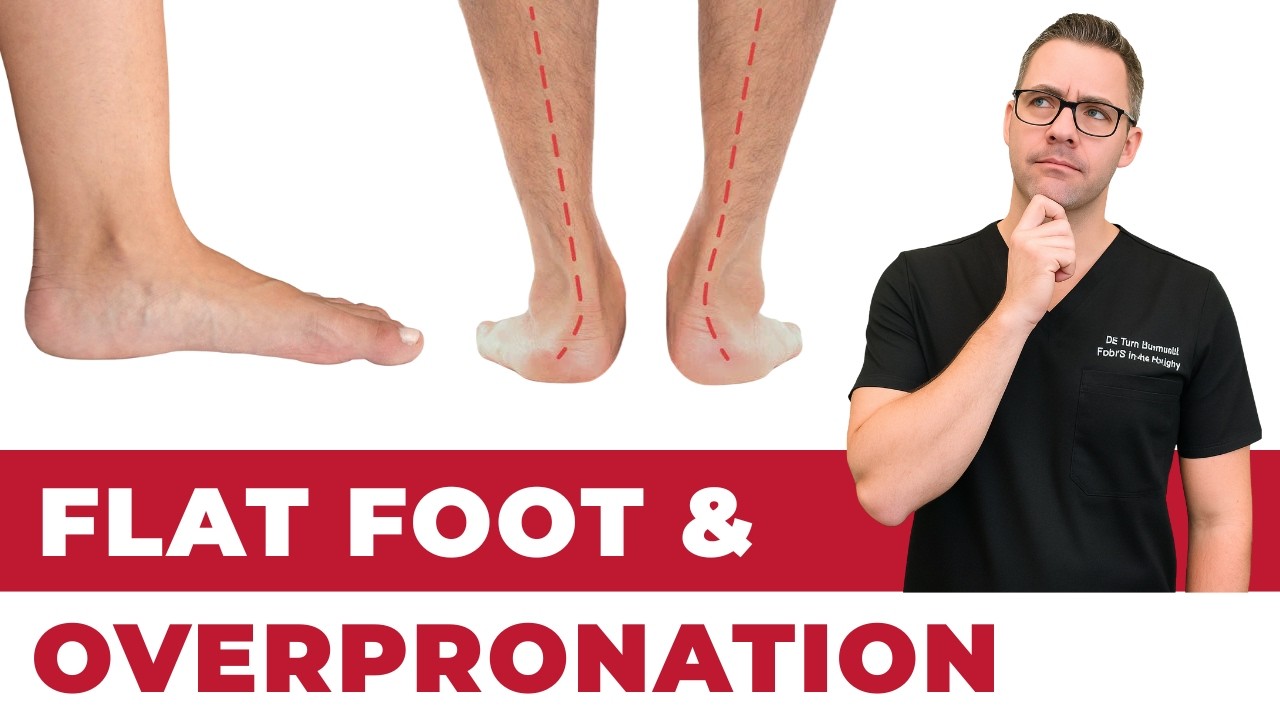
Flat feet (pes planus) means the arch has collapsed, causing the ankle to roll inward. When flat feet cause plantar fasciitis, shin splints, or knee pain, custom orthotics combined with supportive footwear resolve most cases. Asymptomatic flat feet usually need no treatment.
Watch: Dr. Tom Biernacki, DPM
Medically reviewed by Dr. Tom Biernacki, DPM — Board-Certified Podiatric Surgeon — Balance Foot & Ankle, Howell & Bloomfield Township, MI. Last updated April 2026.
A podiatrist’s complete clinical guide to the best insoles — custom orthotics, OTC picks, and what actually works for plantar fasciitis, flat feet, neuropathy & more.
Medically Reviewed by Dr. Tom Biernacki, DPM — Board-Certified Podiatrist, Balance Foot & Ankle Specialists, Michigan. Last updated April 2026.
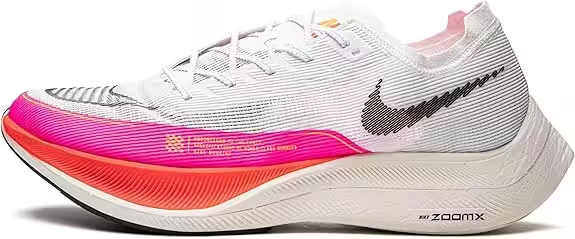
The best insoles for runners with overpronation are not the thickest or the most cushioned — they are the ones that control subtalar motion without overcorrecting, are thin enough to fit in running shoes, and are durable enough to survive 500 miles of training. Dr. Tom Biernacki, DPM, at Balance Foot & Ankle in Michigan, recommends the following OTC and semi-custom insoles for overpronating runners before considering full custom orthotics.
Quick Answer: OTC Insoles vs Custom Orthotics for Runners
OTC insoles are appropriate for mild-to-moderate overpronation in runners without structural deformity. They cost $40–$80 and last 3–6 months of active use. Custom orthotics are warranted when OTC insoles have been tried without lasting relief, when biomechanical faults are moderate-to-severe (significant flat foot collapse, tibial torsion, limb length discrepancy), or when the runner has stress fractures, plantar fasciitis, shin splints, or IT band syndrome that has not resolved with insole use. Custom orthotics cost $300–$600 but last 3–5 years and are covered by most PPO plans when medically documented.
1. PowerStep Pinnacle — Best Firm Support for Moderate Overpronation
PowerStep Pinnacle is the most widely recommended OTC insole for overpronating runners, used by physical therapists, podiatrists, and running stores for over 30 years. The high-density foam cap and biomechanical shape provide a firm, structured platform that controls the calcaneus (heel bone) from excessive inward rolling during the stance phase. The deep heel cup (22mm depth) is among the deepest in OTC insoles, encapsulating the fat pad for efficient shock transfer. Runs approximately 3mm thick — fits in most running shoes without removing the stock insole entirely (though removing stock insole is recommended). Average lifespan: 500 miles of running.
amazon.com/dp/B000NXHXES?tag=biernact-20&linkCode=ogi&th=1&psc=1″ rel=”nofollow sponsored noopener” target=”_blank”>View PowerStep Pinnacle on Amazon →
2. Powerstep Pinnacle — Best for Plantar Fasciitis + Overpronation
The Powerstep Pinnacle is our first-line OTC recommendation for overpronating runners who also have plantar fasciitis. The semi-rigid EVA arch shell controls pronation while the dual-layer cushioning (firmer bottom layer, softer top layer) provides heel and forefoot pain relief. The angled heel cradle positions the calcaneus in slight varus to reduce tensile load on the plantar fascia insertion. Unlike PowerStep Pinnacle (which has no top cushioning), the Pinnacle is comfortable from day one without a break-in period. Available in seven widths. Replace at 6 months of daily running use. View Powerstep Pinnacle on Amazon →
3. Polysorb Cross Trainer — Best Budget Option
The Polysorb Cross Trainer provides reasonable arch support and impact absorption for under $30. It uses a polyurethane foam that is more durable than basic EVA foam and a moderate arch contour suitable for mild overpronators. Not appropriate for moderate-to-severe flat feet, but an acceptable starting point for runners trialing insole support before committing to a pricier option. Widely available at pharmacies and sporting goods stores for immediate replacement mid-training season. View Polysorb on Amazon →
4. Sole Active Medium — Best Semi-Custom Moldable Insole
Sole Active Medium insoles use a heat-moldable base that conforms to the individual foot arch contour when heated in the oven and worn warm. This bridges the gap between generic OTC insoles and custom orthotics, providing a personalized arch contour without the cost of a clinical visit. The Active Medium variant is 5mm thicker with more cushion than the Thin version — ideal for runners replacing the stock foam insole in a neutral trainer. Particularly useful for runners with unusual foot shapes that generic arch heights don’t fit well. Moldable lifespan: approximately 500 miles before losing their formed contour. View Sole Active Insoles on Amazon →
5. Currex RunPro — Best for Competitive Distance Runners
Currex RunPro insoles come in three arch height profiles (low, medium, high) selected by arch height measurement, making them the most biomechanically individualized OTC running insole available. The deep heel cup is reinforced carbon fiber — unlike foam heel cups that deform under high training loads. For high-mileage runners (40+ miles/week), the RunPro’s durability and profile-matched support outperform standard foam insoles significantly. Available in low/medium/high profiles — measure your arch height before ordering. View Currex RunPro on Amazon →
How to Tell If You Need Insoles or Custom Orthotics
You likely need OTC insoles if: you overpronate mildly (arch touches the ground but not fully collapsed), you have no history of stress fractures or chronic tendon injuries, and your running shoes currently have no arch support. You likely need custom orthotics if: you have tried 2+ OTC insoles without lasting relief; you have a structural flat foot (arch fully collapses and the navicular bone nearly touches the ground when standing); you have had recurrent plantar fasciitis, shin splints, or IT band syndrome; you have a limb length discrepancy of 5mm or more; or your primary care physician has documented significant overpronation. Custom orthotics at Balance Foot & Ankle are fabricated from a 3D digital scan and are covered by most PPO plans — learn more → or call (810) 206-1402.
Insole Fitting Tips for Runners
For best results with running insoles: always remove the stock insole before inserting an OTC insole — stacking insoles reduces the heel-to-toe drop, alters the midsole feel, and often makes the shoe too tight. Wear the insole for 20–30 minutes walking before your first run to identify any pressure points. Break in running insoles gradually — first run at 50% of normal mileage. Replace foam insoles every 500 miles or 6 months of daily use, whichever comes first — compressed foam provides no arch or cushion benefit. If pain worsens with an insole, stop wearing it and seek evaluation — a wrong insole can do more damage than no insole for certain foot types (particularly high-arch supinators).
When to See a Podiatrist About Running Foot Pain
If running foot pain has persisted more than 4–6 weeks despite insole use, or if you have developed shin pain, knee pain, or hip pain since using a new insole, it is time for a biomechanical evaluation. Dr. Tom Biernacki, DPM, performs pressure plate gait analysis at Balance Foot & Ankle to identify the specific overpronation pattern — forefoot, rearfoot, or midfoot dominant — and match the orthotic prescription to your gait. Same-day appointments in Howell and Bloomfield Township — call (810) 206-1402 or
Disclosure:As an Amazon Associate, Balance Foot & Ankle earns from qualifying purchases. All product recommendations are based on clinical experience and are independent of affiliate relationships.
Medically reviewed by Dr. Tom Biernacki, DPM — podiatric physician and surgeon, Howell and Bloomfield Township, Michigan.
👟 Dr. Tom’s Pick: CURREX RunPro Insoles for Runners
CURREX RunPro are biomechanically tuned running insoles with 3 arch profiles (low, medium, high) to match your foot type. Unlike generic insoles, they’re engineered specifically for the high-impact demands of running — reducing pronation stress and metatarsal loading.
View CURREX RunPro on Amazon →
Affiliate disclosure: As an Amazon Associate, Balance Foot & Ankle earns from qualifying purchases.
Join 950,000+ Learning About Foot Health
Dr. Tom shares honest medical advice, supplement reviews, and treatment guides you won’t find anywhere else.
As an Amazon Associate, Balance Foot & Ankle earns from qualifying purchases. Product recommendations are based on clinical experience; prices and availability shown above update live from Amazon.
When to See a Podiatrist
Painful flat feet in adults can signal posterior tibial tendon dysfunction — a progressive condition that needs early intervention to avoid surgery. Balance Foot & Ankle evaluates adult flatfoot with weight-bearing imaging and custom orthotic prescriptions. Catching PTTD at stage 1-2 makes the difference between a brace and a reconstruction.
If home care isn’t resolving your flat foot deformity, a visit with a board-certified podiatrist is the fastest path to accurate diagnosis and a personalized plan. At Balance Foot & Ankle Specialists, Dr. Tom Biernacki, Dr. Carl Jay, and Dr. Daria Gutkin offer same-day and next-day appointments at both our Howell and Bloomfield Township offices. We perform on-site diagnostic ultrasound, digital X-ray, conservative care, advanced regenerative treatments, and minimally invasive surgery when indicated.
Several conditions share symptoms with Flat Feet (Pes Planus) and are commonly misdiagnosed in the first office visit. Considering these alternatives is part of every Balance Foot & Ankle exam:
Tarsal coalition. Rigid flatfoot in an adolescent — bone bridge between hindfoot bones.
Charcot foot (diabetic). Sudden warm, swollen, collapsing midfoot in a diabetic — urgent off-loading.
If your symptoms don’t fit the textbook pattern, ask your podiatrist which differentials they ruled out — that conversation often shortcuts months of trial-and-error treatment.
In Our Clinic
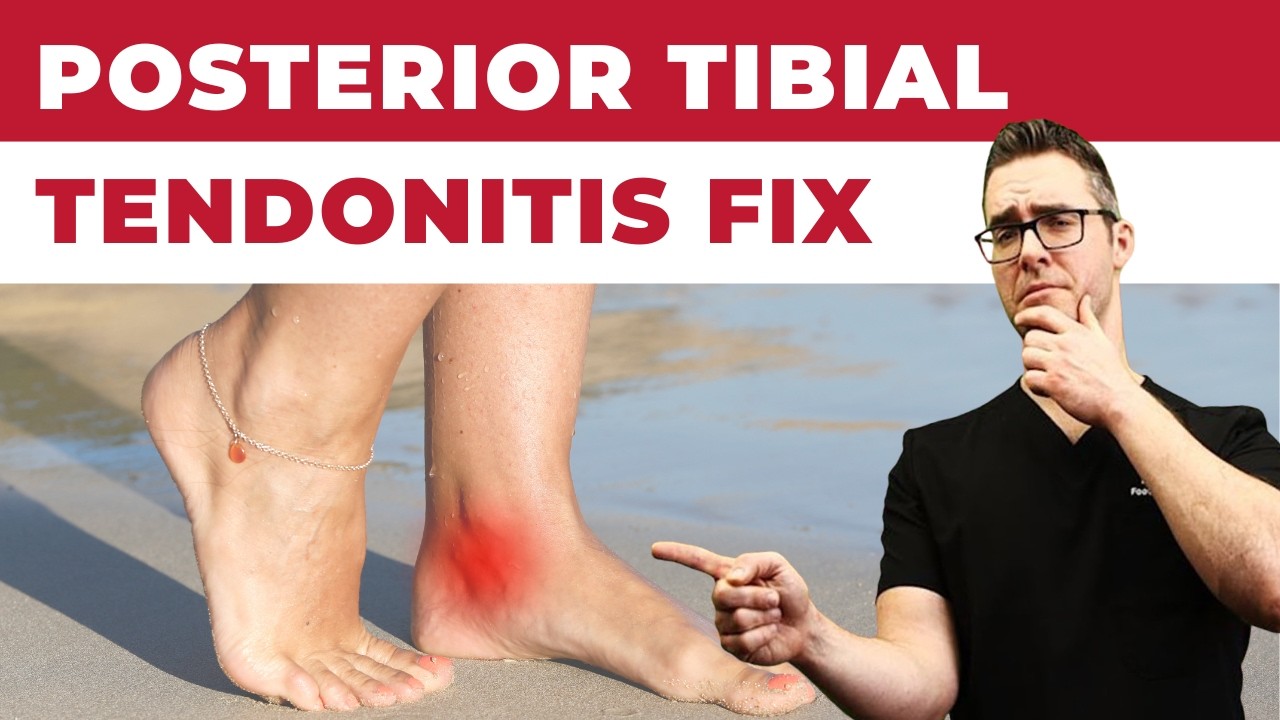
In our clinic, the flat-footed patient who actually needs intervention is the one whose arch is collapsing progressively in adulthood — not the person who was born flat-footed and has been running 5Ks pain-free for 20 years. We evaluate for posterior tibial tendon dysfunction (PTTD) with single-heel-rise testing, check for the “too many toes” sign from behind, and get weight-bearing X-rays. Early PTTD responds well to a custom orthotic with a medial heel skive + short course of boot immobilization. Stage 2+ PTTD is a different conversation — we discuss tendon transfers and calcaneal osteotomy candidates.
Most Common Mistake We See
The most common mistake we see is: Buying motion-control shoes without a gait assessment. Fix: get a pressure-plate analysis or wet-foot test first to confirm overpronation and arch height.
Warning Signs That Need Same-Day Care
Seek immediate evaluation at Balance Foot & Ankle if you experience any of the following:
Rapid collapse of an arch on one foot (possible PTT rupture)
Dr. Tom Biernacki, DPM · Board-Certified Foot & Ankle Surgeon. Specializes in conservative-first care, minimally invasive bunion surgery, and complex reconstruction.
Dr. Carl Jay, DPM · Accepting new patients. Specializes in sports medicine, athletic injuries, and routine podiatric care.
Dr. Daria Gutkin, DPM, AACFAS · Accepting new patients. Specializes in surgical reconstruction and pediatric podiatry.
Locations: 4330 E Grand River Ave, Howell, MI 48843 · 43494 Woodward Ave Suite 208, Bloomfield Township, MI 48302
OTC orthotics: 9-12 months. Custom orthotics: 3-5 years. Replace when the heel cup softens or you no longer feel arch support.
Are OTC or custom orthotics better?
For mild issues OTC works. For chronic plantar fasciitis, severe overpronation, or post-surgical recovery, custom orthotics outperform OTC by a wide margin.
Do orthotics weaken your foot muscles?
No clinical evidence supports this. Orthotics offload painful structures so you can move more, which strengthens muscles indirectly.
Flat feet is a common foot/ankle condition that affects mobility and quality of life. Understanding the underlying cause is the first step in successful treatment. Our podiatrists at Balance Foot & Ankle perform a hands-on biomechanical exam, review your activity history, and use diagnostic imaging when appropriate to identify the root cause—not just treat the symptom. Many patients have been told to “rest and ice” without a deeper diagnostic workup; our approach is different.
Symptoms and warning signs
Common signs of flat feet include pain that worsens with activity, morning stiffness, swelling, tenderness when palpated, and difficulty bearing weight. If you experience sudden severe pain, inability to walk, visible deformity, numbness or color change, contact our office the same day or visit urgent care—these can signal a more serious injury such as a fracture, tendon rupture, or vascular compromise. Diabetics with any foot wound should seek same-day care.
Conservative treatment options
Most cases of flat feet respond to non-surgical care: structured rest, supportive footwear changes, custom orthotics, targeted stretching and strengthening protocols, anti-inflammatory medications when medically appropriate, and in-office procedures such as ultrasound-guided injections. We also offer advanced therapies including MLS laser therapy, EPAT/shockwave, regenerative injections, and image-guided procedures. Treatment is sequenced from least invasive to most invasive, and we explain the rationale at every step.
When is surgery considered?
Surgery is reserved for cases that fail 3-6 months of well-structured conservative care, when there is structural pathology (severe deformity, complete tear, advanced arthritis), or when imaging shows damage that will not heal without intervention. Our surgeons have performed 3,000+ foot and ankle procedures and prioritize minimally-invasive techniques whenever appropriate. We discuss recovery timelines, return-to-activity milestones, and realistic outcome expectations before any procedure is scheduled.
Recovery timeline and prevention
Recovery from flat feet varies based on severity and chosen treatment path. Conservative cases often improve within 4-8 weeks with consistent adherence to the protocol. Post-procedural recovery may range from a few days (in-office procedures) to several months (reconstructive surgery). Long-term prevention involves footwear assessment, activity modification, structured strengthening, and regular check-ins with your podiatrist if you have a history of recurrence. We provide written home-exercise plans and digital follow-up support.
Reviewed by Dr. Tom Biernacki, DPM — Board-certified podiatrist, Balance Foot & Ankle, Howell & Bloomfield Township, MI. 4.9-star rating across 1,123+ patient reviews. Schedule an evaluation | (810) 206-1402
Ready to feel better?
Same-week appointments available in Howell and Bloomfield Township, Michigan.
Dr. Tom Biernacki, DPM is a board-certified foot & ankle surgeon (ABFAS & ABPM) at Balance Foot & Ankle Specialists in Southeast Michigan. With over a decade of clinical experience, he specializes in heel pain, bunions, diabetic foot care, sports injuries, and minimally invasive surgery. Dr. Biernacki is a member of the APMA and ACFAS, and his patient education content on MichiganFootDoctors.com and YouTube has made him one of the most-followed foot & ankle educators on YouTube.
More questions patients ask
Can flat feet be corrected?
Treatment depends on whether flat feet cause symptoms. Options range from custom orthotics and supportive shoes for mild cases to physical therapy for muscle strengthening. For severe, symptomatic flatfoot that doesn't respond to conservative care, Dr. Biernacki performs reconstructive surgery including tendon transfers and bone realignment procedures with excellent outcomes.
Are flat feet a problem?
Flat feet (pes planus) don't always cause problems. However, symptomatic flatfoot can lead to arch pain, heel pain, shin splints, knee pain, hip pain, and back pain due to altered biomechanics. Children's flat feet usually resolve naturally by age 6. Adult-acquired flatfoot (posterior tibial tendon dysfunction) is progressive and requires treatment to prevent worsening deformity.
What causes flat feet in adults?
Adult-acquired flatfoot is most commonly caused by posterior tibial tendon dysfunction (PTTD), where the tendon that supports the arch gradually weakens and tears. Risk factors include age over 40, obesity, diabetes, hypertension, and prior injury. Other causes include arthritis, Charcot foot, and tarsal coalition. Early treatment prevents progression to rigid deformity.
Balance Foot & Ankle surgeons are affiliated with Trinity Health Michigan, Corewell Health, and Henry Ford Health — three of Michigan’s largest health systems.






![Reverse Flat Feet & Overpronation FAST [FIX Knee, Hip & Back Pain]](https://www.michiganfootdoctors.com/wp-content/cache/flying-press/b221dbb3772b49e79113246424b17b16.jpg)