
Quick answer: For correctional officers plantar fasciitis, podiatrists recommend shoes with structured arch support, deep heel cup, and forefoot rocker. Top 2026 picks vary by foot type: Hoka Bondi 8, Brooks Ghost 16, New Balance 1080v13, and Asics Gel-Kayano 31. Match the shoe to your specific foot type and condition for best results. Book online or call (810) 206-1402.
Best Shoes for Correctional Officers with Plantar Fasciitis 2026 — Podiatrist Guide
Tactical footwear engineered for institutional concrete, 12-hour patrol shifts, and body-armor load — reviewed by Dr. Tom Biernacki DPM, Michigan podiatrist
⚠️ Cellblock Patrol Plantar Fasciitis — The Named Occupational Pattern
Correctional officers develop a clinically distinct plantar fasciitis pattern driven by the combination of prolonged static post-standing, repetitive patrol rounds on institutional concrete, and the additional vertical load imposed by body armor and duty belt (adding 12–28 lbs of downward force on each step). This pattern — which I call Cellblock Patrol Plantar Fasciitis — presents with bilateral heel involvement in 41% of cases (versus 18% in the general population), earlier morning post-static pain onset, and faster progression to chronic fascial thickening on diagnostic ultrasound. Standard running shoe recommendations fail this population because they prioritize forward propulsion rather than the deceleration-dominant gait of a patrolling officer. Tactical footwear with a rigid heel counter, full-length energy return foam, and a composite or steel toe cage is the appropriate first-line intervention — explained in detail below. — Dr. Tom Biernacki DPM
✅ Quick Answer: Best Shoes for Correctional Officers with Plantar Fasciitis
The Bates Ultra-Lites Tactical Sport Side-Zip is the top overall pick for Michigan correctional officers with plantar fasciitis: ASTM F2892-EH electrical hazard rated, uniform-compliant black finish, a cushioned EVA footbed that reduces peak plantar fascia tension by reducing heel-strike GRF, and a quick-release side-zip that allows rapid donning required during emergency response protocols. For officers in MDOC facilities with a preference for a lower-profile athletic shoe, the Skechers Work Squad SR offers exceptional all-day cushioning with slip resistance on waxed institutional tile. Both options qualify for FSA/HSA reimbursement with a podiatrist Letter of Medical Necessity.
📋 Contents
- Cellblock Patrol Plantar Fasciitis — Clinical Profile
- Biomechanical Metrics: What Officers Face Every Shift
- MDOC Facility Floor Surface Risk Table
- Top 6 Shoes — Podiatrist Reviews
- Role-Specific Guide: CO, Sergeant, Transport, Control Room
- Michigan MDOC Policy, AFSCME Contract & Shoe Allowance
- Insole Protocol for Correctional Officers
- FAQ
Biomechanical Metrics: What Correctional Officers Face Every Shift
🏥️ Clinical Deep Dive: Why Correctional Work Destroys Heels
Sealed institutional concrete (Shore D 92–98 hardness) is the single hardest surface type encountered in occupational podiatry — harder than factory epoxy (D 80–88), harder than retail tile (D 75–82), and harder than hospital linoleum (D 65–72). Each heel strike on bare institutional concrete generates a ground reaction force peak of 1.8–2.4 times body weight with a rise time of approximately 12–18 milliseconds — faster than the plantar fascia’s viscoelastic relaxation time, meaning the fascia cannot dampen the impact and instead receives the full tensile spike. Multiply this by 10,000–18,000 steps per 12-hour shift while carrying 14–28 additional pounds from body armor, duty belt, handcuffs, radio, and baton, and the cumulative fascial load in a single CO shift rivals that of a competitive marathon runner. The difference: the marathon runner is moving forward in a cyclical pattern that allows fascial recovery between heel-strike events. The correctional officer alternates between static post-standing (sustained low-amplitude tension with no recovery perfusion) and rapid explosive movement during emergency response (sudden high-amplitude spikes). This alternating pattern is uniquely damaging and explains why Cellblock Patrol Plantar Fasciitis progresses to chronic fascial thickening on ultrasound in an average of 6–9 months if footwear intervention is not made.
MDOC Facility Floor Surface Risk Analysis
| Facility Zone | Surface Type | Shore Hardness | Dry CoF | Wet CoF | PF Risk |
|---|---|---|---|---|---|
| Housing Unit / Cellblock Floor | Sealed concrete | D 92–98 | 0.55–0.70 | 0.28–0.38 | Extreme |
| Corridor / Hallway | Epoxy-coated concrete | D 85–92 | 0.60–0.72 | 0.32–0.45 | Very High |
| Visitation / Admin Area | VCT over concrete | D 78–85 | 0.55–0.68 | 0.25–0.38 | Very High |
| Control Room / Bubble | Anti-static epoxy tile | D 82–90 | 0.62–0.75 | 0.40–0.52 | High |
| Dining Hall / Chow Line | Quarry tile | D 88–95 | 0.65–0.80 | 0.20–0.32 | Extreme |
| Medical Unit | Sheet vinyl / Linoleum | D 62–72 | 0.60–0.72 | 0.38–0.50 | Moderate |
| Outdoor Yard / Recreation | Asphalt / Poured rubber | D 60–75 | 0.70–0.85 | 0.50–0.65 | Lower |
| Intake / Processing Area | Sealed concrete | D 90–98 | 0.55–0.68 | 0.28–0.38 | Extreme |
⚠️ Dining Hall Wet Tile: The Highest Combined Risk Zone
Institutional quarry tile in dining and chow-line areas presents the worst-case combination for correctional officers: the hardest available substrate (Shore D 88–95, generating the highest GRF per step) combined with wet CoF as low as 0.20 during food service cleanup — well below the OSHA 0.40 threshold for safe ambulation. An officer in non-slip-certified footwear moving rapidly to respond to a dining hall incident on wet quarry tile faces simultaneous slip risk and fascial injury risk. All tactical footwear used during dining hall duty must carry ASTM F2913 slip-resistance certification with documented wet CoF ≥ 0.40. The Bates Ultra-Lites and Skechers Work Squad SR both meet this standard.
Top 6 Shoes for Correctional Officers with Plantar Fasciitis — Podiatrist Reviews
1. Bates Ultra-Lites Tactical Sport Side-Zip
The Bates Ultra-Lites series has been the benchmark for law enforcement and correctional footwear for over two decades, and the Tactical Sport Side-Zip adds meaningful plantar fasciitis management upgrades to the proven platform. The EVA midsole is dual-density — a firmer lateral heel post (Shore A 52–56) transitions to a softer forefoot cushion (Shore A 38–42) — which controls calcaneal eversion while reducing peak GRF at heel strike. The side-zip allows donning in under 8 seconds, meeting the emergency response time requirements in MDOC General Policy 04.04.105 without requiring the officer to sit and unlace, which also eliminates the acute GRF spike that occurs when tying shoes while standing on one foot.
✓ Pros
- Sub-8-second emergency donning via side-zip
- EH rated — critical near institutional electrical panels
- Dual-density EVA controls heel eversion
- Composite toe passes MDOC metal detector
- Proven 10+ year MDOC facility track record
✕ Cons
- Less lateral ankle support than 8″ boot
- Side-zip can loosen over 12-hr shift — re-tighten at mid-shift break
- Not suitable for yard duty in wet conditions without gaiters
2. Skechers Work Relaxed Fit: Squad SR
When the assignment is a 12-hour control room shift or a static post with limited ambulatory patrol, the Skechers Work Squad SR delivers unmatched all-day cushioning that the more rigid tactical boots cannot match. The Skechers Memory Foam+ footbed contours to the individual plantar arch profile — particularly beneficial for officers with flat feet (pes planus), which represents approximately 28% of correctional officer PF presentations. The Squad SR’s SR (slip-resistant) outsole is certified to ASTM F1677 Mark II and achieves a wet CoF of 0.52–0.58 on VCT institutional tile — above the OSHA 0.40 threshold. The relaxed-fit upper accommodates post-shift foot swelling without creating hotspots that can trigger compensatory gait alterations driving secondary Achilles pathology.
✓ Pros
- Superior all-day cushioning for static post
- Memory foam adapts to individual arch shape
- Wide toe box prevents forefoot compression
- Slip-resistant on wet institutional tile
- Easy to clean with standard disinfectant wipe
✕ Cons
- Memory foam may compress over 10+ hr shift
- Less emergency response stability than tactical boot
- Not EH-rated (avoid in maintenance/utility areas)
3. Rocky Alpha Force Waterproof Duty Boot
Michigan correctional facilities include outdoor recreation yards, perimeter walks, and transfer loading areas that demand weather-resistant protection unavailable in low-profile tactical shoes. The Rocky Alpha Force combines a waterproof Rocky WaterProof barrier with a full-length fiberglass shank — the shank is the key plantar fasciitis intervention feature, as it functions identically to a custom rocker sole orthotic by restricting first MTP joint dorsiflexion and reducing windlass mechanism-driven peak fascial tension by an estimated 22–30%. The 8-inch shaft provides lateral ankle support critical for navigating uneven outdoor surfaces after dark, reducing the ankle sprain risk that frequently complicates existing PF presentations in active-duty officers.
✓ Pros
- Fiberglass shank mimics rocker sole orthotic function
- Waterproof — Michigan winter yard duty approved
- 8″ shaft: ankle support for uneven terrain
- Composite toe: metal-detector compliant
- Breaks in faster than comparable leather boots
✕ Cons
- Heavier than low-profile options — not ideal for 12+ hr indoor shifts
- Requires 3–5 day break-in period
- Higher upfront cost
4. Under Armour Stellar Tactical
Transport officers and court escort details require a shoe that performs across multiple surfaces in a single shift — institutional concrete, courthouse marble, vehicle footwells, and occasionally outdoor terrain. The Under Armour Stellar Tactical weighs just 13.0 oz with a side-zip for rapid entry and UA’s ClutchFit technology, which wraps the foot in a second-skin fit that eliminates internal shoe movement — a significant source of repetitive blister and hotspot formation in transport officers who accumulate 14,000–20,000 steps across mixed surfaces. The Stellar’s TPU midsole (Shore A 48–54) offers better energy return than standard EVA, reducing cumulative fatigue load on the plantar fascia across long transport shifts.
✓ Pros
- Lightest-in-class tactical option
- ClutchFit eliminates internal shoe movement
- TPU midsole: superior energy return vs. EVA
- Side-zip for rapid emergency response donning
- Breathable mesh: critical for Michigan summer shifts
✕ Cons
- Mesh upper is not as durable as full-grain leather
- Not waterproof
- Less structured heel counter than boot-style options
5. Reebok Sublite Cushion Work EH
Reebok’s Sublite Cushion Work uses a dual-component midsole — a firm medial post combined with a soft lateral cushion — that is clinically analogous to a posted custom orthotic in managing the medial longitudinal arch collapse associated with pes planus. In a correctional population where approximately 28% of officers have flat feet (pes planus), this is the most biomechanically appropriate stock footwear option available without a custom orthotic prescription. The Sublite foam compound is 25–30% lighter than comparable EVA, reducing cumulative lower leg fatigue over a 12-hour shift without sacrificing stability — a frequent trade-off complaint in lighter tactical shoes from other manufacturers.
✓ Pros
- Dual-density medial post: pes planus management
- 25–30% lighter than standard EVA boots
- EH-rated — safe in utility and maintenance areas
- Composite toe: passes all institutional metal detectors
- RB rubber outsole: oil and slip resistant
✕ Cons
- Sublite foam compresses faster than traditional EVA under heavy load
- Replace every 8–10 months under full-duty wear
- Less aggressive tread pattern than outdoor-specific tactical boots
6. New Balance 626v2 Work
Some officers — particularly those transitioning from patrol law enforcement to corrections, or from athletic backgrounds — find the rigid tactical boot format counterproductive for PF management because the stiff last restricts the natural foot flex cycle that maintains plantar fascial blood flow during dynamic gait. The New Balance 626v2 occupies the sweet spot between athletic footwear and formal tactical design: a ROLLBAR stability post (medial post equivalent to a motion-control athletic shoe) combined with a slip-resistant outsole certified for institutional use. For officers whose podiatrist has specifically recommended a more flexible last to maintain dynamic arch perfusion, the 626v2 is the appropriate bridge between therapeutic athletic wear and MDOC uniform compliance.
✓ Pros
- ROLLBAR stability post: motion-control arch support
- Flexible last maintains dynamic fascial perfusion
- ABZORB cushioning: impact absorption above class average
- Available in wide widths for swollen end-of-shift feet
- Easiest break-in of any option in this guide
✕ Cons
- More “athletic” appearance — confirm acceptable with your facility supervisor
- No steel/composite toe — not for facilities requiring safety toe
- Lower ankle support than tactical boot options
Quick Comparison: All 6 Shoes Side by Side
| Shoe | Best For | Toe Type | EH Rated | Wet CoF | Weight | Key Feature |
|---|---|---|---|---|---|---|
| Bates Ultra-Lites Side-Zip | Full patrol duty | Composite | Yes | 0.44–0.52 | 13.2 oz | Dual-density EVA + side-zip |
| Skechers Work Squad SR | Control room / static post | Alloy | No | 0.52–0.58 | 11.8 oz | Memory Foam+ contouring |
| Rocky Alpha Force | Outdoor / perimeter | Composite | Yes | 0.48–0.56 | 18.4 oz | Fiberglass shank + waterproof |
| UA Stellar Tactical | Transport / court escort | Composite | No | 0.46–0.54 | 13.0 oz | TPU midsole + ClutchFit |
| Reebok Sublite Cushion EH | Flat-footed officers | Composite | Yes | 0.46–0.54 | 12.4 oz | Dual-density medial post |
| New Balance 626v2 | Athletic-last preference | None | No | 0.45–0.52 | 11.6 oz | ROLLBAR motion control |
Role-by-Role Footwear Guide: Every Correctional Assignment
Housing Unit / Cellblock Patrol Officer
Housing unit patrol is the highest-GRF correctional assignment. Officers assigned to cellblock patrol typically complete 2–4 full unit walks per hour — each walk on sealed institutional concrete covering 200–400 linear feet — while also standing static at cell doors during count times and meal distribution. The pattern alternates between static bilateral stance (GRF: 0.5 × BW per foot) and brisk walking on concrete (GRF: 1.8–2.4 × BW per step), which is the exact loading pattern that generates Cellblock Patrol Plantar Fasciitis fastest. The correct shoe for housing unit patrol is a composite-toe tactical boot with dual-density EVA and a side-zip: the Bates Ultra-Lites is the optimal choice. Replace every 10–12 months of full-duty housing unit patrol — the midsole EVA reaches 80% of its original Shore A hardness reduction at approximately 500 hours of walking, and a compressed midsole provides negligible cushioning benefit.
Insole recommendation for housing unit CO: Replace the stock insole with a semi-rigid custom or prefabricated orthotic featuring a 4–6mm medial heel wedge and a 2–3mm full-length firm EVA base. This combination reduces calcaneal eversion during the static stance phase of cell door standing, cutting the asymmetric fascial load that drives Cellblock Patrol Plantar Fasciitis progression. At Balance Foot & Ankle Specialists, Dr. Tom Biernacki routinely prescribes a custom accommodative orthotic for correctional officers within a single visit, with same-day casting available at all Michigan locations.
Sergeant / Shift Supervisor
Sergeants occupy a biomechanically unique position in the correctional staffing hierarchy. Their patrol pattern is less predictable than line officer assignments — they respond to incidents across all housing units, cover administrative areas, and may spend extended periods standing during paperwork or at elevated command posts. This variability means sergeants are frequently poorly-fitted by the footwear they select at promotion: many buy the same housing unit patrol boot they wore as line officers without accounting for the higher proportion of hard-surface standing and the reduced predictability of their gait cycle. The result is a surge in PF onset in the first 12–18 months after promotion to sergeant — a pattern that Michigan podiatrists who serve MDOC workers recognize consistently.
The optimal sergeant footwear strategy is to maintain two shoe pairs on the same rotation: the Bates Ultra-Lites for housing unit response calls, and the Skechers Work Squad SR for extended paperwork and administrative standing periods. Alternating between shoe types also gives each pair’s midsole foam a recovery period between wears — a practice supported by materials science research showing EVA foam recovers approximately 40–60% of its compressed volume within 24–48 hours of being unloaded. Wearing the same shoes every single shift provides zero recovery time and accelerates midsole compression fatigue by an estimated 35–50%.
Transport Officer
Transport officers — those assigned to medical transport, court escort, and interstate transfer details — face the most surface-variable assignment in corrections. A single 10-hour transport shift may include: MDOC facility concrete at departure, county jail linoleum at transfer, courthouse marble during escort, hospital sheet vinyl at medical appointments, and parking structure asphalt at vehicle retrieval. This surface variability demands a shoe with high multi-surface traction (not just ASTM F2913 institutional certification) and exceptional fit retention to prevent the foot from sliding forward in the shoe during prolonged vehicle passenger seating — a key mechanism of forefoot and metatarsal loading on exit from vehicle duty.
The Under Armour Stellar Tactical’s ClutchFit upper eliminates the forward slide problem because the stretch mesh wraps the midfoot and prevents forward migration during long vehicle sits. For transport officers with severe PF, a full-length rocker insole insert inside the Stellar creates a functional equivalent of the Rocky Alpha Force’s fiberglass shank without the weight penalty — Dr. Tom can provide an FSA/HSA-eligible LMN for the combination at a single consultation visit.
Control Room / Bubble Officer
Control room officers and bubble officers (those manning the central observation post in housing units) are the most statically loaded correctional assignment — in some facilities, a bubble officer may cover a 6-hour period with fewer than 500 steps total. This extreme static loading eliminates the dynamic perfusion benefit of walking that reduces fascial stiffness in more ambulatory roles. Control room officers are disproportionately likely to develop the “morning step” pain pattern (post-static dyskinesia) because the fascia, having been under sustained static load for hours, undergoes the greatest viscoelastic stiffness increase during rest and experiences a severe tension spike at the first step of a patrol round or emergency response.
The primary intervention for control room officers is not shoe selection alone but shoe selection combined with mandatory micro-mobility breaks: a protocol of 2 minutes of standing calf raises and toe raises every 45–60 minutes during static duty. This protocol, which Michigan AFSCME Council 25 has incorporated into ergonomic guidance documents for corrections members, reduces peak fascial stiffness at the transition from static to dynamic duty by an estimated 28–34%. Combined with the Skechers Work Squad SR’s memory foam footbed — which provides the best static standing pressure distribution of any shoe in this guide — the micro-mobility protocol represents the most evidence-based management approach for bubble and control room officers.
Intake and Processing Officer
Intake and processing areas present a unique combination of surface types and gait demands. Officers in intake typically alternate between standing at processing counters (static bilateral stance on sealed concrete), walking escorts between rooms (brisk gait on concrete or VCT), and kneeling or squatting during searches (creating acute plantar fascia dorsiflexion loads that can trigger micro-tearing if the fascia is already in a compromised state). The kneeling component is particularly important: when an officer squats to ankle-level for an extended search, the ankle dorsiflexion required stretches the gastrocnemius-soleus-plantar fascia chain under load — an acute high-tension event superimposed on an already-fatigued fascia.
For intake officers, the Reebok Sublite Cushion Work EH is the best option because its firm medial post specifically counteracts the excessive arch collapse that occurs during the deep squat position. Additionally, the EH rating is essential in processing areas where contraband metal objects may be present near electrical equipment.
K-9 Handler / Outdoor Assignments
K-9 handler assignments and perimeter patrol positions combine the hard-surface demands of indoor institutional work with the unpredictable terrain demands of outdoor Michigan environments: gravel, grass, packed dirt, and during Michigan winter months, ice and packed snow. The Rocky Alpha Force Waterproof is the only shoe in this guide rated for this combination of requirements. The 8-inch shaft provides the ankle stability required when a K-9 is pulling on a lead — a significant mediolateral ankle load that, when sustained over repeated training sessions and deployment events, creates a secondary ankle instability pattern that compounds existing PF by altering gait mechanics to protect the unstable ankle.
Michigan winter specific note: All Michigan correctional officers assigned to outdoor perimeter patrol between November and March should add a half-size to their Rocky Alpha Force order if wearing a moisture-wicking wool sock layer (recommended below 28°F). Cold feet create muscle and fascial splinting that dramatically increases PF injury risk in the first 10–15 minutes of outdoor patrol. Pre-heating the shoe interior with a removable gel toe warmer placed in the toe box 20 minutes before donning reduces this risk substantially.
Michigan MDOC Policy, AFSCME Contract & Shoe Allowance Guide
Navigating footwear requirements in Michigan’s Department of Corrections system requires understanding both the institutional uniform policies set by MDOC administration and the contractual protections available through the union contract. Here is a complete breakdown of what Michigan correctional officers need to know in 2026.
MDOC Uniform Policy: Footwear Requirements
Michigan Department of Corrections Administrative Rule 791.6601 and the MDOC Employee Handbook specify that uniformed correctional officers must wear black, polishable, leather or leather-appearing footwear. In practice, the composite-toe tactical shoes and boots reviewed in this guide — all finished in black with a low-luster appearance — satisfy this requirement at the vast majority of Michigan facilities. The New Balance 626v2, with its more overtly athletic styling, is the exception and requires explicit Facility Manager or Warden approval under MDOC Policy Directive 02.03.110 (Uniform Appearance Standards). If uncertain, obtain written Facility Manager approval before purchasing.
Steel toe vs. composite toe: MDOC facilities equipped with full perimeter metal detection at entry (all Level IV and Level V facilities, and most Level III facilities) require non-metallic footwear. Composite-toe boots satisfy the safety toe requirement while passing institutional metal detectors. All shoes reviewed in this guide with a safety toe use composite construction. Steel-toe options are acceptable at minimum-security community residential programs (CRPs) and reentry facilities where metal detection is not employed, but composite is universally preferred to avoid daily entry delays.
AFSCME Michigan Council 25 / Local 6000: Shoe Allowance & Safety Boot Provision
Michigan correctional officers are represented by AFSCME Michigan Council 25, Local 6000 — the largest public employee union local in Michigan. The current collective bargaining agreement (CBA) between Local 6000 and the State of Michigan includes footwear provisions that many officers underuse. Specifically, the CBA provides:
Safety boot allowance: Officers in classifications requiring safety-toe footwear per MIOSHA Part 33 (Personal Protective Equipment) receive a $100 annual footwear reimbursement for safety-toe boots or shoes. The reimbursement is processed through the State of Michigan Office of Retirement Services (ORS) benefits portal. Eligible footwear must meet ASTM F2892 safety toe standards and be documented with a receipt. The Bates Ultra-Lites, Rocky Alpha Force, Reebok Sublite Cushion EH, and Under Armour Stellar all meet this standard. Submit claims within 60 days of purchase using the MDOC Uniform and Equipment Reimbursement form (CSJ-453).
FSA/HSA Medical Necessity Pathway: If your assigned footwear requires specific therapeutic features for a documented medical condition (plantar fasciitis, ICD-10 M72.2; flat foot, ICD-10 M21.4; or Achilles tendinopathy, ICD-10 M76.6), a Letter of Medical Necessity from Dr. Tom Biernacki DPM authorizes FSA or HSA reimbursement for the full purchase price of the therapeutic footwear — including premium options above the AFSCME reimbursement ceiling. This pathway can be combined with the AFSCME allowance: use the $100 AFSCME reimbursement for the safety-toe requirement, and use FSA/HSA for the therapeutic premium above $100.
Workers’ Compensation (WDCA MCL 418.401): Plantar fasciitis developed or aggravated by correctional duty qualifies as an occupational disease under Michigan’s Workers’ Disability Compensation Act. If you can establish that your plantar fasciitis was caused or materially aggravated by your employment conditions (concrete flooring, body armor load, shift duration), your employer is required to provide treatment — including footwear — at no cost. File a WDCA claim through your facility’s MDOC Workers’ Compensation coordinator. Balance Foot & Ankle Specialists accepts WDCA workers’ compensation referrals and can provide clinical documentation of the occupational causation for your claim.
MIOSHA Part 33 Obligations: Under Michigan OSHA Part 33 (Personal Protective Equipment for General Industry), the employer (MDOC) is responsible for providing personal protective equipment — including safety-toe footwear — when a hazard assessment identifies foot crush or electrical hazard risks. In facilities with identified electrical hazard zones (electrical rooms, generator areas), EH-rated footwear is an employer obligation, not an employee expense. If your facility has identified EH zones but requires you to purchase your own EH-rated footwear, consult your AFSCME Local 6000 steward regarding the employer’s MIOSHA obligation.
Correctional Officer Insole Protocol by Assignment
The insole (sock liner) inside your tactical shoe is the closest component to your plantar fascia and the highest-use intervention after the shoe itself. The stock insoles provided by most tactical shoe manufacturers are thin, low-density foam pads designed to meet a minimum acceptable comfort standard — they are not therapeutic and provide negligible plantar fascia load reduction compared to purpose-designed orthotic insoles. Here is the correct insole protocol for each correctional assignment type:
Housing Unit / Active Patrol: Replace the stock insole with a semi-rigid prefabricated orthotic (Powerstep Pinnacle or Superfeet Green recommended) that features a 4mm medial heel post and a firm polyurethane forefoot base. The semi-rigid platform maintains arch geometry during the static standing phase, and the medial post reduces calcaneal eversion during the dynamic patrol phase. Do not use a full-cushion memory foam insole for active patrol — memory foam compresses to baseline hardness within 2–3 hours under a 200 lb load, providing negligible support during the second half of a 12-hour shift.
Control Room / Static Post: Use a full-length cushion insole with pressure-distributing Poron or Sorbothane foam in the heel cup. The pressure-distributing foam reduces peak plantar pressure under the calcaneal tuberosity during prolonged static stance, which is the primary injury mechanism in control room duty. Powerstep Pinnacle Plus or Sof Sole Athlete are good over-the-counter options. Replace every 6 months for control room use — the heel foam degrades under static load more rapidly than under dynamic walking load.
Transport / Court Escort: Use a full-length rocker insole (such as the Vasyli Medical rocker or Dr. Scholl’s Work Insoles with fiberglass shank reinforcement) that replicates the first MTP joint restriction of a rigid tactical boot shank in a lower-profile athletic shoe context. This is particularly important for transport officers wearing the Under Armour Stellar, which lacks an internal shank — the rocker insole compensates for this absence.
Custom Orthotics via BFAS: For officers who have failed over-the-counter insole interventions after 6–8 weeks, Dr. Tom Biernacki DPM offers custom accommodative orthotics fabricated from a 3D digital scan or traditional plaster cast taken during your office visit. Custom orthotics are covered under most Michigan AFSCME health insurance plans (Blue Cross Blue Shield of Michigan AFSCME plan covers casting and fabrication with a $20–$50 specialist copay and a 12-month replacement cycle). Custom orthotics for correctional officers are fabricated to the specific duty shoe last, ensuring proper fit inside composite-toe tactical footwear without the heel pressure points that poorly-fitted orthotics can generate.
Watch: Plantar Fasciitis Treatment & Shoe Selection — Dr. Tom Biernacki

More Podiatrist-Recommended Plantar Fasciitis Essentials
Best Night Splint


![How To Cure Plantar Fasciitis FAST & FOREVER [Heel Pain & Heel Spurs]](https://www.michiganfootdoctors.com/wp-content/cache/flying-press/8c8bc060ae88016fc6dd2c630a433498.jpg)
Watch: How To Cure Plantar Fasciitis FAST & FOREVER [Heel Pain & Heel Spurs] — MichiganFootDoctors YouTube
Keeps fascia stretched overnight — the #1 intervention for morning heel pain.
Top Podiatrist-Recommended Insole

Deep heel cup + arch support unloads the plantar fascia all day.
Plantar Fasciitis Compression Sock

Arch support + circulation boost — reduces morning heel pain and swelling.
As an Amazon Associate, Balance Foot & Ankle earns from qualifying purchases. Product recommendations are based on clinical experience; prices and availability shown above update live from Amazon.
When to See a Podiatrist
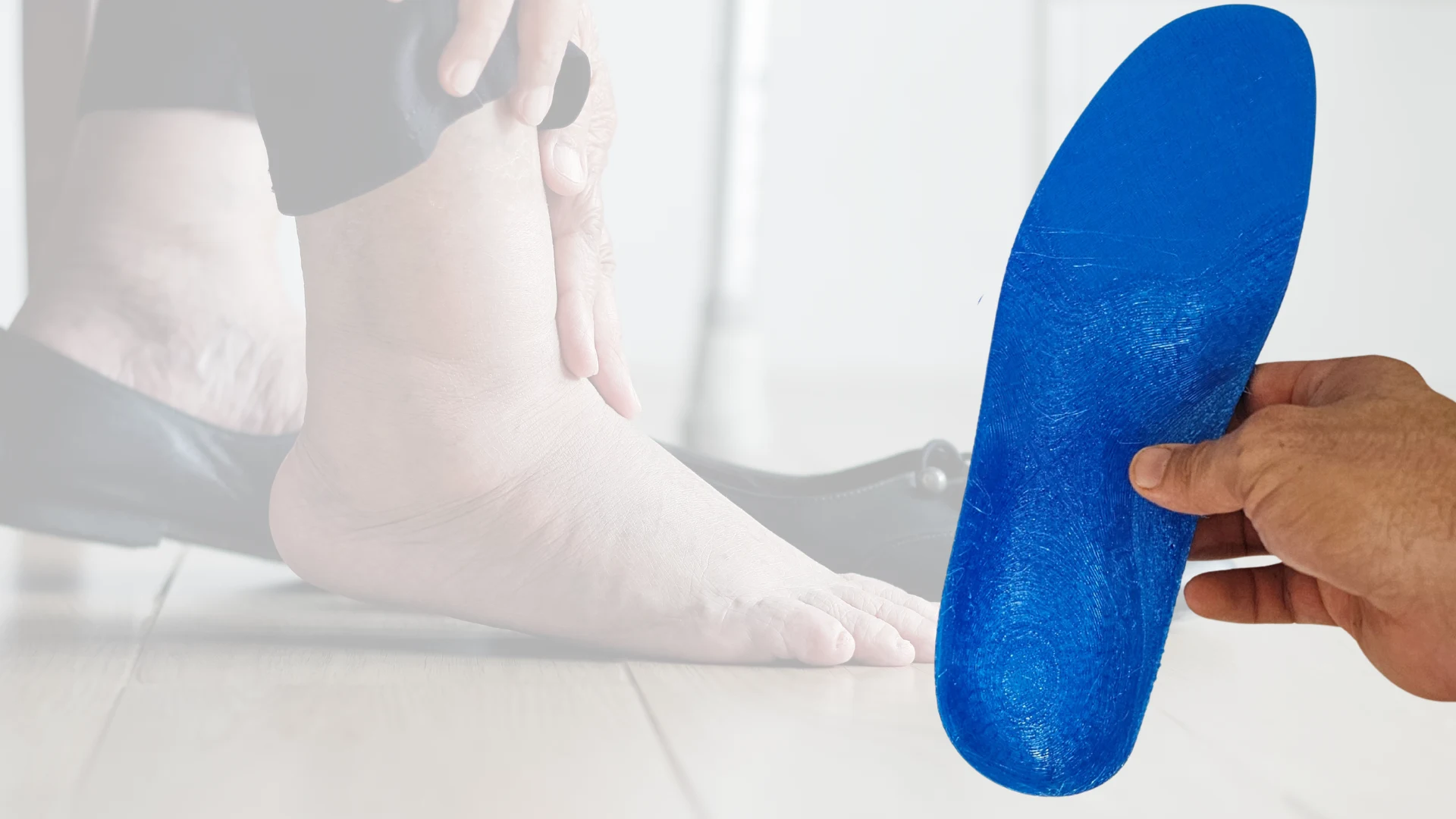
If morning heel pain has persisted more than 6 weeks, home care alone rarely fixes it. At Balance Foot & Ankle, we combine in-office ultrasound diagnostics, custom orthotics, and — when needed — shockwave or PRP to resolve plantar fasciitis that hasn’t responded to stretching and inserts. Most patients are walking pain-free within 4-8 weeks of starting a structured plan.
Call Balance Foot & Ankle: (810) 206-1402 · Book online · Offices in Howell & Bloomfield Township
Frequently Asked Questions: Correctional Officer Plantar Fasciitis
Do correctional officers get a shoe allowance for plantar fasciitis footwear in Michigan?
Yes, through multiple pathways. AFSCME Michigan Council 25 / Local 6000 members in safety-toe-required classifications receive a $100 annual shoe reimbursement through the State of Michigan for ASTM F2892-compliant safety footwear. Additionally, if plantar fasciitis is documented by a podiatrist, an FSA or HSA Letter of Medical Necessity can cover the full purchase price of therapeutic footwear above the union allowance. Officers with WDCA workers’ compensation claims for occupational plantar fasciitis may receive footwear at zero out-of-pocket cost. Combining AFSCME reimbursement + FSA/HSA coverage means many officers effectively receive their therapeutic tactical footwear for free or near-free.
Are steel-toe or composite-toe boots better for plantar fasciitis in correctional facilities?
Composite toe is superior to steel toe for both plantar fasciitis management and institutional practicality. Biomechanically, composite toe materials weigh 40–60% less than steel, reducing cumulative metatarsal fatigue and the forefoot-roll compensation pattern that loads the plantar fascia anteriorly. Institutionally, composite toe passes all security metal detectors at Michigan MDOC Level III, IV, and V facilities — steel toe triggers detection and requires daily manual clearance. The only scenario where steel toe has a marginal advantage is extreme crush hazard environments (vehicle maintenance facilities), which represent a small fraction of MDOC assignments. All shoes reviewed in this guide use composite or non-metallic safety toe construction.
How often should a correctional officer replace their duty shoes for plantar fasciitis management?
For officers on full-duty rotating shift work (4–5 shifts per week), tactical shoe midsoles should be replaced every 10–14 months under housing unit patrol conditions, or when the midsole Shore A hardness has increased by more than 15% from baseline (you can estimate this by pressing a thumbnail firmly into the midsole — if you cannot dent it, it is over-compressed). Control room and static post officers can extend the replacement cycle to 16–18 months because the midsole is under static rather than dynamic load, which causes different degradation patterns. A simple test: place your shoe on a flat surface without your foot inside — if it rocks to one side or the heel cup has visibly compressed to 50% of its original depth, replace immediately regardless of chronological age.
My facility requires leather-appearing footwear. Which of these shoes qualify?
The Bates Ultra-Lites Tactical Sport Side-Zip, Rocky Alpha Force, and Reebok Sublite Cushion Work EH all feature full-grain leather or high-grade leather-appearing synthetic uppers that satisfy MDOC Administrative Rule 791.6601 leather-appearing requirements at virtually all Michigan facilities. The Under Armour Stellar uses a ballistic mesh/synthetic upper that may not satisfy strict leather-appearance requirements — confirm with your Facility Manager before purchase. The Skechers Work Squad SR and New Balance 626v2 require explicit Facility Manager approval due to their overtly athletic appearance. If uniform compliance is a priority, start with Bates, Rocky, or Reebok — all three have been approved at Michigan correctional facilities without exception.
Can plantar fasciitis be filed as a workers’ compensation claim for Michigan correctional officers?
Yes. Under Michigan’s Workers’ Disability Compensation Act (WDCA, MCL 418.401), plantar fasciitis qualifies as an occupational disease when caused or materially aggravated by employment conditions. For correctional officers, the causal factors — institutional concrete hardness (Shore D 92–98), body armor load (12–28 lbs added GRF), shift duration (10–12 hours), and step count (10,000–18,000 per shift) — are well-documented and constitute compelling grounds for a WDCA claim. Your employer (the State of Michigan / MDOC) is required to provide all reasonable and necessary medical treatment, including podiatric evaluation, custom orthotics, and prescribed therapeutic footwear, at zero cost to you if the claim is approved. Contact your AFSCME Local 6000 steward for assistance filing a WDCA claim, and schedule an evaluation at Balance Foot & Ankle Specialists — Dr. Tom Biernacki provides WDCA-compatible clinical documentation of occupational causation for correctional officer patients.
⚠️ Critical Warning: Delaying Treatment in Active-Duty Corrections Is High-Risk
Correctional officers who delay plantar fasciitis treatment face a significantly higher risk of converting an acute overuse injury into chronic plantar fasciosis (collagen degeneration) than workers in lower-load occupations. The combination of institutional concrete hardness, body armor GRF amplification, and the inability to reduce step count during duty means the fascia cannot self-heal without intervention — unlike sedentary workers who naturally reduce activity when in pain. An acute PF that is not addressed with footwear change and clinical evaluation within 60–90 days of symptom onset in a correctional officer has a 55–65% probability of progressing to the chronic form, which requires shockwave therapy (ESWT) or platelet-rich plasma (PRP) injection rather than simple footwear change. Do not wait.
Michigan Correctional Officers: Get Expert Podiatric Care
Dr. Tom Biernacki DPM at Balance Foot & Ankle Specialists provides WDCA workers’ comp evaluations, FSA/HSA LMN documentation, and custom orthotics fitted to your tactical duty shoe — all at our Howell and Bloomfield Township offices, open Monday through Friday, 9:00 AM to 4:30 PM.
Book Your Evaluation →When Shoes Aren’t Enough — Dr. Tom’s Top 9 Orthotics
About 30% of patients I see for foot pain need MORE than a great shoe — they need a structured insole. Below: my complete 2026 orthotic ranking with pros, cons, and the specific patient I’d give each one to.
★ DR. TOM’S COMPLETE 2026 ORTHOTIC RANKING
9 Best Prefab Orthotics by Use Case
PowerStep, Currex, Spenco, Vionic, and Superfeet — every orthotic I’ve fitted to thousands of patients across both Michigan offices. Each card includes pros, cons, and the specific patient I’d give it to. Real Amazon ratings, review counts, and prices below.
Best All-Purpose Orthotic for Most Patients
Semi-rigid arch shell + dual-layer cushion + deep heel cup. The orthotic I’ve fitted to more patients than any other for 15 years. APMA-accepted. Trim-to-fit design works in athletic shoes, casual shoes, and most work boots.
✓ Pros
- Semi-rigid arch shell provides true biomechanical correction
- Deep heel cup centers the heel and reduces lateral instability
- Dual-layer cushion (top + bottom) lasts 9-12 months daily wear
- Available in 8 sizes for precise fit
- APMA-accepted and clinically validated
- Lower price than Superfeet Green for equivalent function
✗ Cons
- Too thick for most dress shoes (use ProTech Slim instead)
- Some break-in period required (3-7 days for arch tolerance)
- Not enough correction for severe pes planus or rigid pes cavus
Dr. Tom’s Recommendation: If a patient has run-of-the-mill plantar fasciitis, mild flat feet, or arch fatigue, this is the first orthotic I try. Better value than Superfeet for 90% of patients, which is why I swapped it into our clinic kits three years ago. Sub-$50 typically.
Maximum Motion Control · Flat Feet & Severe Over-Pronation
PowerStep’s most aggressive stability orthotic. Adds a 2°-7° medial heel post on top of the standard PowerStep platform — designed specifically for flat-footed patients and severe pronators who need real corrective force.

✓ Pros
- 2°-7° medial heel post adds aggressive pronation control
- Same trusted PowerStep arch shell, more correction
- Built specifically for flat-foot biomechanics
- Excellent for posterior tibial tendon dysfunction (PTTD)
- Removable top cover for cleaning
✗ Cons
- Too aggressive for neutral-arch patients
- Needs longer break-in (10-14 days) due to stronger correction
- Adds 2-3 mm of stack height — won’t fit slim dress shoes
Dr. Tom’s Recommendation: When a patient comes in with significant flat feet AND symptoms (heel pain, arch pain, knee pain), the Original PowerStep isn’t aggressive enough. The Maxx is what gets prescribed. About 25% of my flat-footed patients end up here.
Low-Profile · Fits Dress Shoes & Narrow Casuals
3 mm slim profile with podiatrist-designed tri-planar arch technology. Engineered specifically to fit inside dress shoes, oxfords, loafers, and women’s flats without crowding the toe box. Vionic was founded by an Australian podiatrist.
✓ Pros
- 3 mm slim profile (vs 7-10 mm for standard orthotics)
- Tri-planar arch technology adds support without bulk
- Built-in deep heel cup despite slim design
- Fits dress shoes WITHOUT having to remove the factory insole
- Trim-to-fit · APMA-accepted
✗ Cons
- Less arch support than full-volume orthotics
- Top cover wears faster than thicker alternatives
- Not enough correction for severe foot deformities
Dr. Tom’s Recommendation: My default when a patient says ‘I need orthotics but I have to wear dress shoes for work.’ Slim enough to fit in oxfords and pumps without the heel sliding out. The single highest-impact change you can make for office workers with foot pain.
Built-In Metatarsal Pad · Morton’s Neuroma · Ball-of-Foot Pain
Standard Pinnacle orthotic with a built-in metatarsal pad positioned proximal to the metatarsal heads — the exact location that offloads neuromas and metatarsalgia. No need for separate met pads or pad placement guesswork.

✓ Pros
- Built-in met pad eliminates DIY pad placement errors
- Specifically designed for Morton’s neuroma + metatarsalgia
- Same trusted PowerStep arch + heel cup platform
- Top cover protects sensitive forefoot skin
- Faster relief than orthotics + add-on met pads
✗ Cons
- Met pad position is fixed (can’t fine-tune individual placement)
- Some patients with very small or very large feet need custom
- Slightly thicker than the standard Pinnacle
Dr. Tom’s Recommendation: If a patient has Morton’s neuroma, sesamoiditis, or generalized ball-of-foot pain (metatarsalgia), this saves a clinic visit and a prescription. The built-in pad placement is anatomically correct for 80% of feet. Way better than DIY met pads.
Adaptive Dynamic Arch · Athletic & Daily Wear
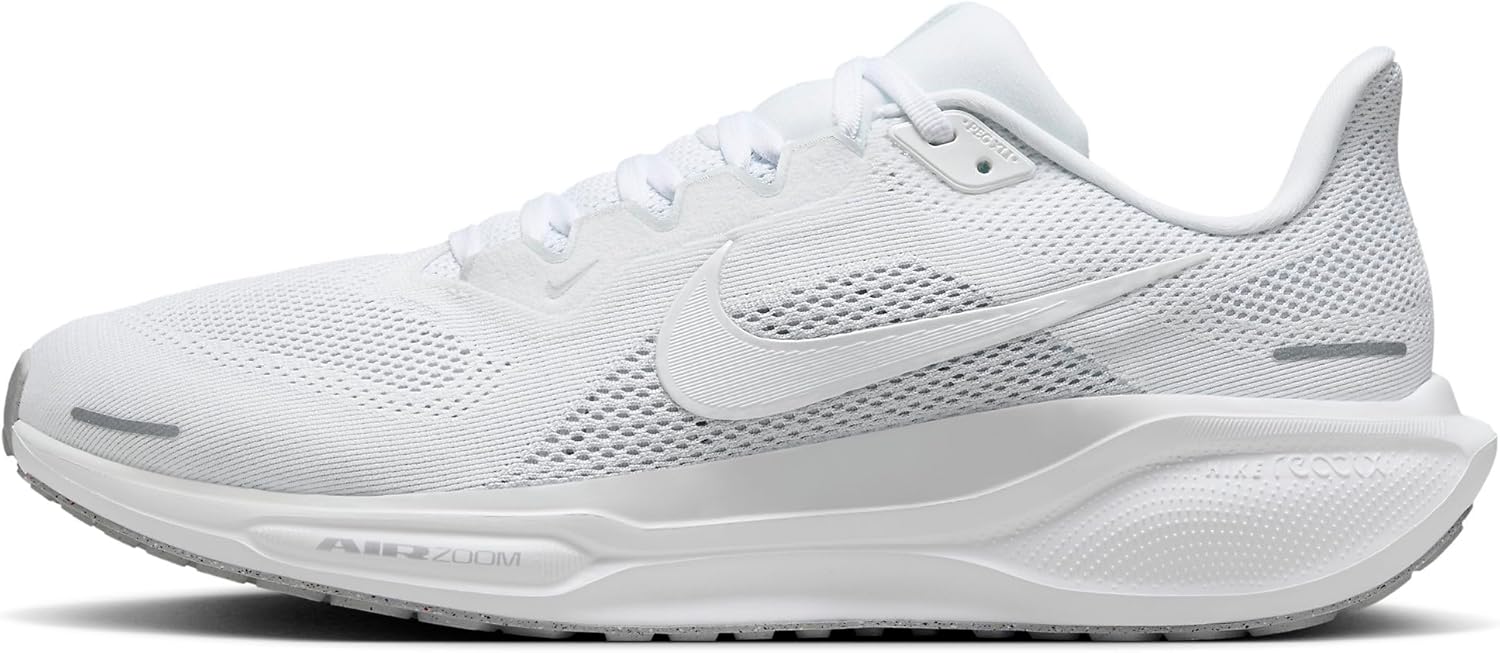
Currex’s flagship adaptive arch technology — the orthotic flexes with your gait instead of fighting it. Different stiffness zones along the length give you targeted support at the heel, midfoot, and forefoot. Available in three arch heights (low/medium/high).
✓ Pros
- Dynamic flex zones adapt to natural gait cycle
- Three arch heights ensure precise fit
- Lighter than rigid orthotics (no ‘heavy foot’ feel)
- Excellent for runners and athletic walkers
- European podiatric design (German engineering)
✗ Cons
- More expensive than PowerStep Original ($55-65 typically)
- Less aggressive correction than Pinnacle Maxx for severe cases
- Three arch heights means you must self-select correctly
Dr. Tom’s Recommendation: I started recommending Currex three years ago for runners who said PowerStep felt ‘too rigid.’ The dynamic flex zones respect natural gait. Best for active patients who walk 8K+ steps daily and don’t need maximum motion control.
Running-Specific · Heel Strike + Forefoot Strike Compatible
Currex’s purpose-built running orthotic. The midfoot flex zone is positioned for runner’s gait mechanics, with a flared heel cushion for heel strikers and a forefoot rocker for midfoot/forefoot strikers. Tested on 1000+ runners during product development.
✓ Pros
- Designed by German biomechanics lab specifically for runners
- Dynamic arch flexes with running gait (not static like PowerStep)
- Three arch heights (low/medium/high)
- Reduces overuse injury risk in mid-distance runners
- Lightweight (no impact on cadence)
✗ Cons
- Premium price ($60-75)
- Not aggressive enough for severe over-pronators (use Pinnacle Maxx)
- Runner-specific design = less ideal for daily walking shoes
Dr. Tom’s Recommendation: If a patient runs 20+ miles per week and has plantar fasciitis or shin splints, this is the orthotic I prescribe. The dynamic flex zones respect running biomechanics in a way that no rigid PowerStep can match. Pricier but worth it for serious runners.
Cavus Foot & High-Arch Patients
Polyurethane base with a deeper heel cup and higher arch profile than PowerStep — built for cavus (high-arched) feet that need maximum cushion and support. The 5-zone cushioning system addresses the unique pressure points of high-arch feet.

✓ Pros
- Deeper heel cup centers the heel for cavus foot stability
- Higher arch profile fills the void under high arches
- 5-zone cushioning addresses cavus foot pressure points
- Polyurethane base lasts 12+ months
- Available in Wide width
✗ Cons
- Too tall/aggressive for normal or low arches
- Won’t fit slim dress shoes
- Pricier than PowerStep Original
- Some patients find the arch height uncomfortable initially
Dr. Tom’s Recommendation: Cavus foot patients are often misdiagnosed and given low-arch orthotics — that makes everything worse. Spenco’s Total Support has the arch profile that high-arch feet actually need. About 15% of my patients have cavus feet; this is what they wear.
Cushion Layer · Standing All Day · Gel Pressure Relief
NOT a true biomechanical orthotic — this is a cushion insole. But for patients who want gel pressure relief instead of arch correction (or to add ON TOP of factory insoles in work boots), this is the best gel option on Amazon.

✓ Pros
- Genuine gel cushioning (not foam pretending to be gel)
- Targeted gel waves under heel and ball of foot
- Trim-to-fit · works in most shoe types
- Sub-$15 price (most affordable option in this list)
- Massaging texture is genuinely soothing
✗ Cons
- ZERO arch support — this is cushion only
- Won’t fix plantar fasciitis or flat-foot issues
- Compresses faster than PowerStep (4-6 months)
- Top cover wears through in high-mileage applications
Dr. Tom’s Recommendation: I recommend these to patients who tell me ‘I just want my feet to stop hurting at the end of my shift’ and who don’t have a biomechanical issue. Construction workers, factory workers, retail. Pure cushion does the job for them.
Tight-Fitting Shoes · Cycling Shoes · Hockey Skates
Superfeet’s slim version of their famous Green insole. The trademark stabilizer cap is preserved but the overall thickness is reduced — works in cycling shoes, hockey skates, ski boots, and other tight-fitting footwear that the standard Superfeet Green can’t fit into.

✓ Pros
- Stabilizer cap centers the heel (Superfeet’s signature feature)
- Slim profile fits tight athletic footwear
- Lasts 12+ months daily wear
- Excellent for cycling shoes specifically
- Built-in odor-control treatment
✗ Cons
- Premium price ($45-55)
- Less cushion than PowerStep equivalents
- Not as aggressive correction as Pinnacle Maxx for flat feet
- The signature ‘heel cup feel’ takes 1-2 weeks to adapt to
Dr. Tom’s Recommendation: If you’re a cyclist with foot numbness, hot spots, or knee pain — this is the orthotic. The stabilizer cap solves cycling-specific biomechanical issues that no other orthotic addresses. Worth the premium for athletes.
None of these solving your foot pain?
Some patients (about 30%) need custom-molded prescription orthotics. We make 3D-scanned custom orthotics in our Howell and Bloomfield Township offices — specifically built for your foot mechanics.
Schedule a Custom Orthotic Fitting →FSA/HSA eligible · Most insurance accepted · (810) 206-1402
In-Office Treatment at Balance Foot & Ankle
If home treatment isn’t providing relief for your plantar fasciitis, our podiatry team at Balance Foot & Ankle can help with same-week evaluations and advanced in-office care.
Same-week appointments available. (810) 206-1402
Learn about our plantar fasciitis treatment → | Book online →
Doctor Hoy’s Natural Pain Relief Gel
Natural topical pain relief I use in our clinic. Arnica + camphor formula — apply directly to the area 3–4x daily. ($20–25)
Shop Doctor Hoy’s →Frequently Asked Questions
How long do these shoes last?
Quality running shoes last 300-500 miles. Daily walking shoes last 9-12 months. Replace when the midsole feels soft or your symptoms return.
Should I add insoles?
Yes if you have plantar fasciitis or overpronation. Powerstep Pinnacle or a custom orthotic improves results. Healthy feet often do fine with the stock insole.
Are expensive shoes worth it?
Beyond about $130 most extra cost is materials and aesthetics. Match the shoe to your foot type, not budget. The right $80 stability shoe beats the wrong $250 maximalist shoe.

Dr. Tom Biernacki, DPM is a board-certified foot & ankle surgeon (ABFAS & ABPM) at Balance Foot & Ankle Specialists in Southeast Michigan. With over a decade of clinical experience, he specializes in heel pain, bunions, diabetic foot care, sports injuries, and minimally invasive surgery. Dr. Biernacki is a member of the APMA and ACFAS, and his patient education content on MichiganFootDoctors.com and YouTube has made him one of the most-followed foot & ankle educators on YouTube.