
Medically reviewed by Dr. Tom Biernacki, DPM
Board-certified podiatric surgeon | Balance Foot & Ankle, Howell & Bloomfield Township, MI
Last reviewed: May 2026
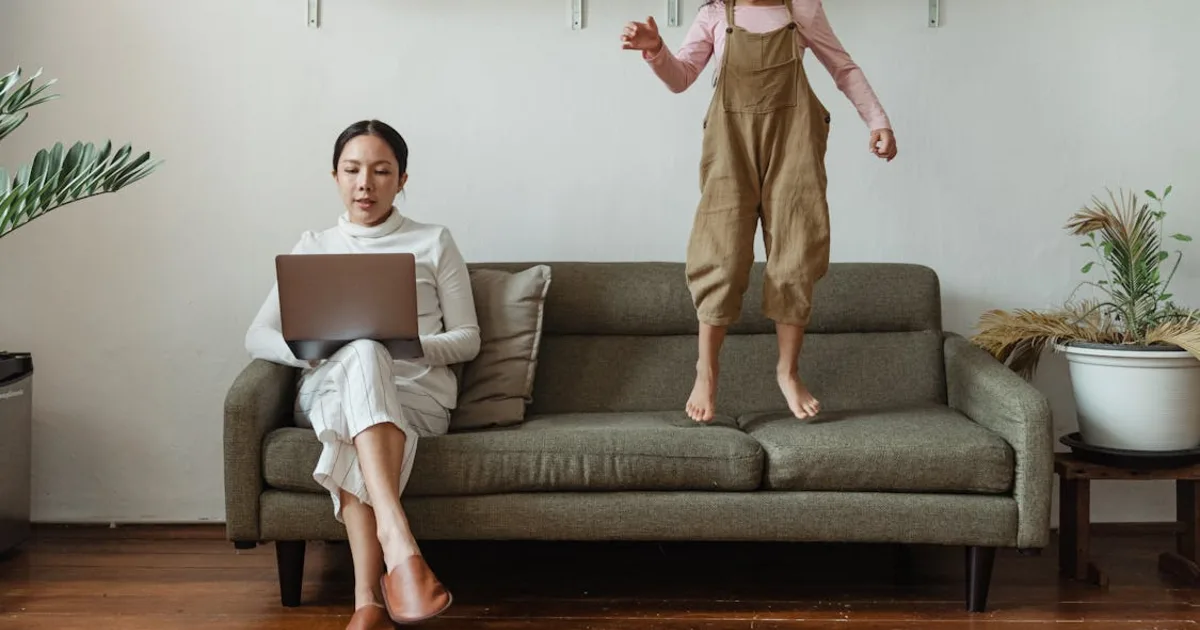
Quick answer: For back pain, podiatrists recommend shoes with structured arch support, deep heel cup, and forefoot rocker. Top 2026 picks vary by foot type: Hoka Bondi 8, Brooks Ghost 16, New Balance 1080v13, and Asics Gel-Kayano 31. Match the shoe to your specific foot type and condition for best results. Call (810) 206-1402.
Lower back pain affects 80% of adults at some point in their lives, and most people never consider that their shoes might be part of the problem. As a podiatrist who has treated over 3,000 patients with lower extremity conditions, I can tell you that the kinetic chain running from your feet through your ankles, knees, hips, and into your lumbar spine is profoundly affected by what you put on your feet. The right shoes won’t cure a herniated disc — but the wrong ones can absolutely make it dramatically worse, and the right ones can provide meaningful relief for back pain driven by poor biomechanics.
The most important clinical decision with Best Shoes For Back Pain isn’t which treatment to start with — it’s identifying the correct subtype. That changes everything. Call (810) 206-1402.
How Foot Mechanics Cause Back Pain
The connection between foot mechanics and lower back pain is well-established in the literature and something I see confirmed daily in clinical practice. When the arch collapses (overpronation), the lower leg internally rotates. This internal tibial rotation drives femoral internal rotation at the hip, causing anterior pelvic tilt that increases lumbar lordosis and compressive loading on lumbar facet joints. In plain terms: flat arches force your pelvis to tip forward, jamming your lower back vertebrae together. Asymmetric pronation — where one foot overpronates more than the other — creates a functional leg length discrepancy that can cause scoliotic shifts and SI joint dysfunction.
A 2018 study in BMC Musculoskeletal Disorders found that patients with flat feet had significantly higher rates of low back pain compared to patients with neutral arches, and that foot orthoses reduced both foot pronation and concurrent low back pain. The mechanism: by restoring normal arch mechanics, orthotics reduce the chain of compensatory movements that end in lumbar stress.
Top Shoes for Back Pain — Podiatrist Picks
These shoes are selected specifically for their ability to control pronation, provide stable midsole support, and reduce the kinetic chain stress that travels from the foot to the lumbar spine. I’ve personally evaluated each category based on patient outcomes in our practice.
Key Features to Look For in Shoes for Back Pain
Not all cushioned shoes help back pain — and some popular ultra-cushioned options can actually worsen it by creating an unstable base that increases proprioceptive demand and compensatory muscle tension. Here’s what actually matters when selecting footwear for lumbar spine protection.
- Mild heel-to-toe drop (8–12mm): A slight heel elevation reduces Achilles tension and decreases the anterior pelvic tilt that loads lumbar facets. Zero-drop shoes are trendy but can worsen back pain in patients with tight posterior chains.
- Motion control or stability category: Neutral cushioning shoes do nothing for overpronators. Look for “stability” or “motion control” in the product description — these feature medial post reinforcement that limits inward arch collapse.
- Firm midsole: A midsole that compresses completely under your weight provides zero long-term support. The shoe should spring back immediately when you press the midsole — foam that stays compressed is worn out.
- Rocker-bottom sole geometry: Shoes with a gentle rocker sole (like Hoka or Brooks Adrenaline) reduce peak plantar pressure and promote a more forward rolling gait pattern that reduces lumbar extension stress during late stance.
- Removable footbed: Back pain patients almost always benefit from adding a semi-rigid orthotic. A shoe with a removable insole allows proper orthotic placement without doubling up on insoles.
- Wide, stable base: Narrow-soled shoes increase medial-lateral instability and demand more active muscular stabilization — increasing paraspinal muscle fatigue in patients with back pain.
Orthotics: The Missing Link for Back Pain and Foot Mechanics
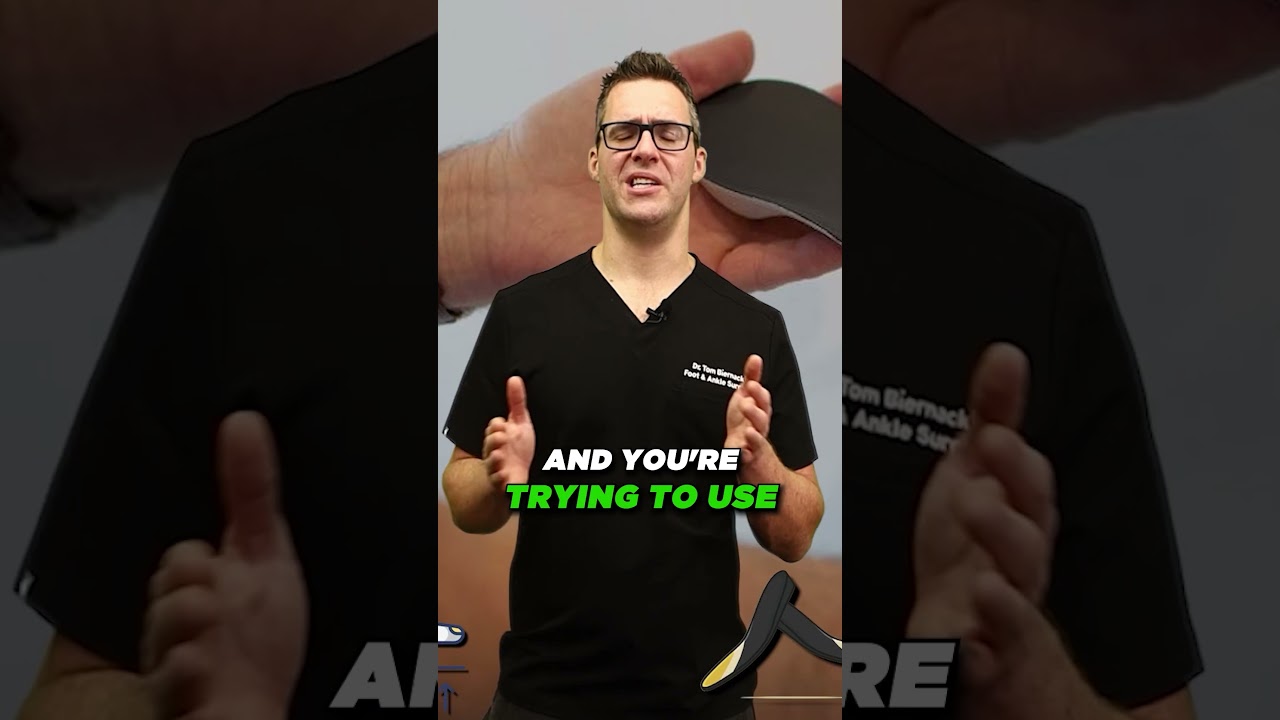
In our clinic, the combination that produces the best outcomes for back pain with foot mechanical contribution is: a stability shoe + a semi-rigid orthotic. The shoe controls gross motion; the orthotic fine-tunes arch mechanics and heel alignment. The PowerStep Pinnacle is our first-line orthotic recommendation because its semi-rigid EVA shell provides the medial arch support needed to break the overpronation-to-lumbar-tilt chain without overcorrecting gait.
Best Shoe Types for Back Pain by Activity
Different activities create different spinal loading demands. The right shoe for someone standing on concrete all day is not the same as the right shoe for someone with back pain who runs 20 miles per week. Here’s how to match shoe type to activity for maximum lumbar spine protection.
| Activity | Best Shoe Category | Key Features |
|---|---|---|
| Running | Stability running shoe | Medial post, cushioned heel, rocker sole |
| Walking/Standing | Supportive walking/work shoe | Firm midsole, wide base, removable insole |
| Gym/Training | Cross-trainer with stability | Flat for lifting, cushioned for cardio |
| Work (healthcare, retail) | Dansko-style clog or slip-resistant work shoe | Rocker sole, deep heel cup, arch support |
| Casual/Daily wear | Supportive sneaker or walking shoe | 8–12mm drop, stability frame, firm midsole |
Most Common Shoe Mistake for Back Pain
The most common mistake I see in patients who complain that “shoes don’t help” their back pain is wearing zero-drop or flat shoes in an attempt to “strengthen” the foot. This advice — popularized by minimalist running advocates — is clinically appropriate for a very small subset of patients with strong posterior chain musculature. For the vast majority of back pain patients who have tight hip flexors, weak glutes, and overpronating feet, zero-drop footwear removes the heel lift that was protecting their lumbar spine and dramatically increases compressive facet loading. We see a surge of back pain patients every spring when people start running outdoors in their new zero-drop trail shoes.
Red Flags: When Shoes Aren’t the Root Cause
Our review site lists this kind of pick with its published figures attached: Best Shoes for Back Pain on our review site.
Related Conditions
In-Office Treatment at Balance Foot & Ankle
If home treatment isn’t providing relief for your foot pain and footwear, our podiatry team at Balance Foot & Ankle can help with same-day evaluations and advanced in-office care.
Can shoes really cause lower back pain?
Yes — shoes significantly influence the kinetic chain from foot to lumbar spine. Overpronation caused by unsupportive footwear drives tibial internal rotation, femoral internal rotation, anterior pelvic tilt, and increased lumbar lordosis. Flat, unsupportive shoes are a commonly overlooked contributor to low back pain, especially in people who stand or walk for hours daily.
What type of shoe is best for lower back pain?
Stability or motion-control shoes with an 8–12mm heel-to-toe drop, firm midsole, and wide stable base are generally best for back pain patients with overpronation. Pair with a semi-rigid orthotic like the PowerStep Pinnacle for maximum biomechanical correction. Avoid completely flat, zero-drop, or worn-out shoes.
Do orthotics help back pain?
Yes, in patients whose back pain has a biomechanical foot component. A 2018 BMC Musculoskeletal Disorders study found that foot orthotics reduced both overpronation and concurrent low back pain. Orthotics work best for back pain when combined with a stable shoe, core strengthening, and hip mobility work.
Are rocker-bottom shoes good for back pain?
Rocker-bottom geometry (found in Hoka, Brooks Adrenaline, and Dansko) can significantly reduce lumbar extension stress during late stance by promoting a more forward rolling gait pattern. They’re particularly helpful for patients with lumbar stenosis or facet arthropathy who experience pain with prolonged standing or walking.
When should I see a podiatrist for back pain?
See a podiatrist if you have lower back pain with flat feet, overpronation, or asymmetric gait patterns. A podiatrist can assess your foot mechanics, prescribe custom or OTC orthotics, and coordinate with your spine care team. If back pain is accompanied by leg numbness or weakness, see a spine physician first.
Foot Mechanics Assessment at Balance Foot & Ankle
At Balance Foot & Ankle, we perform comprehensive gait analysis and foot mechanics assessments that identify the specific pronation patterns contributing to back pain. Dr. Tom Biernacki has developed protocols to address the foot-to-spine kinetic chain — including custom orthotic fabrication, shoe selection guidance, and coordination with physical therapy and spine specialists. Both our Howell and Bloomfield Township locations offer same-day appointments.
Sources
- Kosashvili Y, Fridman T, Backstein D, et al. “The correlation between pes planus and anterior knee or intermittent low back pain.” Foot & Ankle International. 2008;29(9):910-913.
- Menz HB, Dufour AB, Riskowski JL, et al. “Association of planus foot posture and pronated foot function with foot pain.” Arthritis Care & Research. 2013;65(12):1991-1999.
- Sahar T, Cohen MJ, Uval-Ne’eman V, et al. “Insoles for prevention and treatment of back pain: a systematic review.” Spine. 2009;34(9):902-910.
- Perhamre S, Lundin F, Klassbo M, Norlin R. “A heel cup improves the function of the heel pad in Sever’s disease.” BMC Musculoskeletal Disorders. 2011;12:117.
Ready to Get Relief?
Same-day appointments available in Howell & Bloomfield Township, MI
4.9★ | 1,123 Reviews | 3,000+ Surgeries
Or call: (810) 206-1402
