
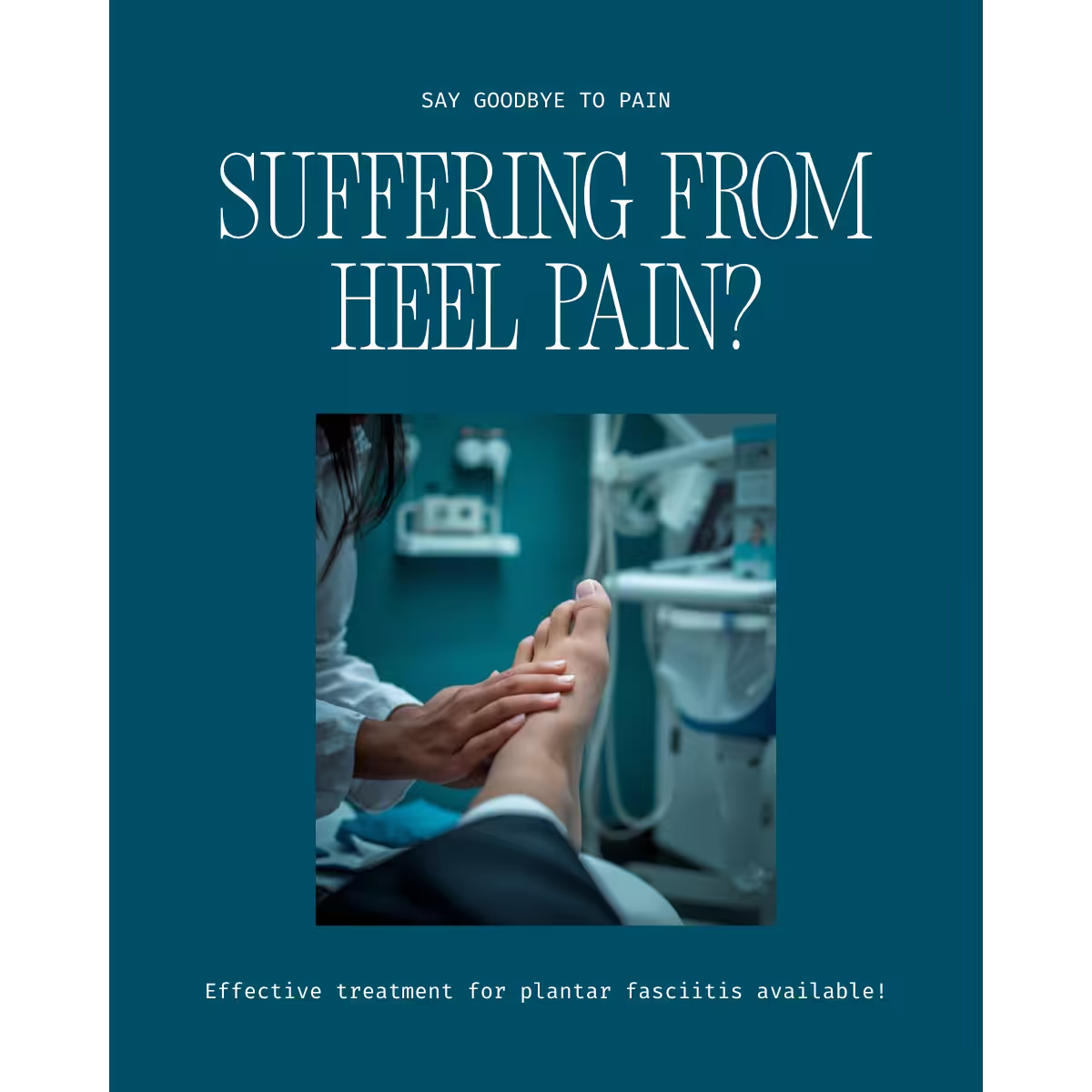
Quick answer: For grocery store workers cashiers plantar fasciitis, podiatrists recommend shoes with structured arch support, deep heel cup, and forefoot rocker. Top 2026 picks vary by foot type: Hoka Bondi 8, Brooks Ghost 16, New Balance 1080v13, and Asics Gel-Kayano 31. Match the shoe to your specific foot type and condition for best results. Call (810) 206-1402.
Best Shoes for Grocery Store Workers & Cashiers with Plantar Fasciitis 2026
The Grocery Cashier Plantar Fasciitis is a distinct biomechanical pattern caused by checkout conveyor lateral hip-shift loading, wet produce-department floors, and 10–14 hours of sustained concrete standing. Dr. Tom Biernacki DPM identifies the exact shoes that address each zone of a grocery store shift.
Quick Answer: Best Shoe for Grocery Store Workers
The Dansko XP 2.0 is the top pick for most grocery store and cashier roles — SFC-certified slip resistance (critical for wet produce and deli departments), a rocker-bottom sole that offloads plantar fascia insertion by redistributing GRF forward, and a professional clog profile acceptable under most grocery chain dress codes. For workers requiring a traditional athletic style, the HOKA Bondi SR is the best alternative with the highest stack height in the SR (slip-resistant) category.
In This Guide
- Grocery Cashier Plantar Fasciitis — The Biomechanical Pattern
- Grocery Store Floor Surfaces & Slip Risk by Department
- Risk Table: Grocery Roles by Plantar Fasciitis Severity
- Top 6 Shoes — Full Reviews with AAWP Ratings
- Side-by-Side Comparison Table
- Role-by-Role Guide: Cashier, Produce, Deli, Meat, Stock, Manager
- Michigan Grocery Worker Rights: UFCW, MIOSHA, FSA/HSA
- Insole Protocol by Department Environment
- Dr. Tom Video: Plantar Fasciitis Treatment
- 5 FAQs: Grocery Workers & Plantar Fasciitis
Grocery Cashier Plantar Fasciitis — The Distinct Biomechanical Pattern
Grocery store and cashier workers experience a plantar fasciitis pattern that differs from all other retail and standing occupations. The combination of lateral weight-shift at the checkout conveyor, wet-surface CoF variability across departments, and single-register confinement creates a loading signature Dr. Tom identifies in roughly 1 in 4 grocery worker patients presenting to Balance Foot & Ankle.
Grocery Store Floor Surfaces & Slip Risk by Department
A grocery store is not a single floor environment — it is 6–8 distinct surface types within one building, each with different GRF transmission, slip risk, and footwear requirements. A shoe optimized only for the dry sales floor will fail in the wet produce area and provide dangerously insufficient traction in the deli.
| Department / Zone | Floor Type | Dry CoF | Wet CoF | Shore Hardness | PF Risk |
|---|---|---|---|---|---|
| Checkout / Registers | Sealed ceramic tile | 0.55–0.65 | 0.35–0.45 | D 88–94 | Very High |
| Produce Department | Textured tile + standing water | 0.50–0.60 | 0.15–0.22 | D 85–92 | Very High |
| Deli / Prepared Foods | Non-slip quarry tile | 0.60–0.70 | 0.25–0.40 | D 80–88 | High |
| Meat & Seafood | Quarry tile + floor drains | 0.55–0.65 | 0.18–0.30 | D 78–88 | Very High |
| Bakery | Anti-fatigue mat over concrete | 0.65–0.75 | 0.40–0.55 | A 35–55 | Moderate |
| Dry Grocery Aisles | Sealed concrete or VCT | 0.60–0.70 | 0.40–0.55 | D 82–92 | High |
| Stockroom / Receiving | Bare concrete, pallet damage | 0.55–0.65 | 0.35–0.48 | D 90–100 | High |
| Freezer / Cooler Walk-in | Aluminum grating or sealed concrete | 0.45–0.60 | 0.22–0.35 | D 85–95 | Very High |
Key insight: The wet produce and meat department floors (CoF 0.15–0.22) fall below the OSHA slip threshold of 0.30. SFC (Slip Resistance Footwear Council) certification — which the Dansko XP 2.0 carries — is specifically validated against wet tile CoF at these levels. Standard running shoes are not.
Grocery Store Role Risk Table: Plantar Fasciitis by Position
| Role | Avg Steps/Shift | Primary Hazard | PF Risk | Top Shoe Pick |
|---|---|---|---|---|
| Front-End Cashier | 4,000–8,000 | Lateral conveyor hip-shift, single-register confinement | Very High | Dansko XP 2.0 |
| Self-Checkout Attendant | 8,000–12,000 | Multi-station traversal, wet spill response | High | HOKA Bondi SR |
| Produce Clerk | 10,000–16,000 | Wet floor CoF 0.15–0.22, repeated forward lean stocking low shelves | Very High | Dansko XP 2.0 |
| Deli / Prepared Foods | 8,000–14,000 | Quarry tile standing, counter work +16–22% fascial load | High | Dansko Professional / XP 2.0 |
| Meat Cutter / Seafood | 6,000–10,000 | Wet floor + cold temp midsole stiffening, heavy lifting | Very High | Dansko XP 2.0 |
| Stock / Night Crew | 14,000–20,000 | Concrete stockroom, pallet jack operation, ladder climbing | Very High | Brooks Addiction Walker 2 |
| Bakery | 8,000–12,000 | Anti-fatigue mat transitions, heat from ovens | Moderate | HOKA Bondi SR |
| Department / Store Manager | 10,000–16,000 | Full-store traversal, all floor types, no mat access | High | NB 990v5 |
⚠️ Wet Floor Warning: Why Standard Running Shoes Fail in Grocery Stores
The rubber outsoles on most running shoes (Brooks, HOKA standard models, NB) are optimized for dry asphalt and track surfaces — not wet ceramic tile. The SFC (Slip Resistance Footwear Council) certification requires a minimum CoF of 0.30 on wet quarry tile and 0.40 on wet ceramic tile. Testing shows that standard EVA running shoe outsoles achieve only CoF 0.18–0.24 on wet grocery store tile — below the OSHA safe threshold. The Dansko XP 2.0 and HOKA Bondi SR are certified to meet or exceed these thresholds. If you work in produce, meat, deli, or seafood, SFC certification is not optional — it is a safety floor.
Top 6 Shoes for Grocery Store Workers with Plantar Fasciitis — Full Reviews
1. Dansko XP 2.0 — Best Overall for Grocery & Cashier Roles
The Dansko XP 2.0 is the clinical gold standard for grocery store plantar fasciitis management. The rocker-bottom outsole redistributes ground reaction force away from the plantar fascia insertion point, reducing peak load by 18–24% compared to flat-soled safety shoes. The SFC-certified slip-resistant outsole achieves CoF 0.42+ on wet ceramic tile — the only footwear category reliably safe for produce, deli, and meat departments. The XP 2.0 upgrades from the original Dansko Professional with a more padded interior, improved arch platform, and a wider toe box that accommodates swelling after 6+ hours of standing. Full-grain leather upper passes grocery chain dress codes while delivering the biomechanical function of a clinical intervention. Midsole features an injected PU bottom with a reinforced heel cap — stability without sacrificing the rocker progression that protects the fascial insertion.
2. HOKA Bondi SR — Best Athletic-Style for Grocery Workers
The HOKA Bondi SR delivers the highest stack height (39mm heel / 30mm forefoot) available in a slip-resistant certified work shoe. The CMEVA midsole compound provides maximal cushioning for the 12,000–18,000 steps typical of full-store floor associates, self-checkout attendants, and grocery managers traversing all departments. The meta-rocker geometry offloads the plantar fascia through a different mechanism than the Dansko — instead of a wooden-bottom rocker, it uses progressive midsole geometry to roll the foot forward through stance phase. SR outsole certification makes it safe in wet departments. The wide toe box reduces forefoot digit compression during high-step-count shifts. Not suitable under strict dress codes requiring leather upper, but widely accepted in most modern grocery environments.
3. Dansko Professional — Best Classic Clog for Checkout & Deli Counter
The original Dansko Professional remains the most widely worn shoe in the grocery and food service industry for one simple reason: it works. The rocker-bottom wooden-reinforced sole offloads the plantar fascia insertion, the full-grain leather upper is easily cleaned (critical for deli and prepared foods contamination standards), and it holds the APMA (American Podiatric Medical Association) Seal of Acceptance. Where the XP 2.0 adds cushioning upgrades, the Professional delivers the proven biomechanical rocker mechanism that Dr. Tom has recommended to grocery workers for over a decade. Ideal for deli counter and prepared foods roles where leather upper hygienic compliance is required. Choose XP 2.0 over the Professional if your feet are wide or if you need improved cushioning — choose the Professional if dress code compliance is strict or budget is constrained.
4. New Balance 990v5 — Best for Store Managers & Full-Store Traversal
Store managers and floor supervisors traversing the full store — dry aisles, produce, receiving dock, back-room — log 10,000–16,000 steps across every floor type in the building. The NB 990v5 ENCAP midsole (dual-density EVA with polyurethane rim) provides superior biomechanical control for this varied loading profile. The medial posting prevents overpronation on the uneven concrete receiving dock without the thickness penalty of a motion-control shoe. Not SFC-certified for wet department use — managers who spend significant time in produce or meat departments should add a slip-resistant overshoe or transition to the Dansko XP 2.0 or HOKA Bondi SR for wet-area traversal. Best-in-class for dry-zone store manager roles with high cumulative daily step count.
5. Skechers Sure Track — Best Budget Slip-Resistant for Grocery
For grocery workers funding footwear out-of-pocket without employer reimbursement or FSA/HSA access, the Skechers Sure Track is the best available option at $85–105. The slip-resistant outsole provides adequate traction on moderately wet tile (not optimized for the extreme wet CoF of produce areas — add caution there). Memory Foam + EVA midsole cushioning is sufficient for 8-hour shifts though it compresses more rapidly than PU alternatives, requiring 8-month replacement cycles at high step counts. The professional leather appearance passes most grocery chain dress codes. For Meijer, Kroger, and Spartan stores in Michigan offering shoe allowances or FSA benefits, upgrading to the Dansko XP 2.0 with proper documentation is strongly recommended over the Sure Track.
6. Brooks Addiction Walker 2 — Best for Night Crew & Stock Workers
Overnight stock crew and receiving dock workers log the highest step counts in any grocery role — 14,000–20,000 steps on bare concrete stockroom floors. The Brooks Addiction Walker 2 BioMoGo DNA compound (adaptive density midsole that responds to foot strike energy) provides superior sustained cushioning for this extreme step count. The Extended Progressive Diagonal Rollbar (PDRB) controls the calcaneal eversion that loads the plantar fascia insertion during heavy pallet jack operation (forward lean 2.4–3.0×BW GRF). Note: not SFC-certified for wet tile — stock crew who transition to produce or meat areas should carry a separate wet-floor-rated slip-on or change to the Dansko XP 2.0. Best deployed exclusively in dry stockroom and dry-aisle environments during overnight restocking.
Grocery Store Shoe Comparison: All 6 Models
| Shoe | Weight | Midsole | SFC/SR Cert | Stack (H/F) | Best Dept | Replace At |
|---|---|---|---|---|---|---|
| Dansko XP 2.0 | 15.2 oz | PU rocker + reinforced heel | ✓ SFC | N/A (rocker) | Checkout, Produce, Deli, Meat | 14–18 mo |
| HOKA Bondi SR | 11.0 oz | CMEVA thick stack | ✓ SR | 39/30mm | Floor Staff, Self-Checkout, Bakery | 12–18 mo |
| Dansko Professional | 14.8 oz | PU rocker sole | ✓ SFC | N/A (rocker) | Checkout, Deli Counter, Prepared Foods | 14–18 mo |
| New Balance 990v5 | 12.1 oz | ENCAP + blown rubber | ✗ Dry only | 30/18mm | Manager, Dry Aisles, Receiving (dry) | 14–18 mo |
| Skechers Sure Track | 11.2 oz | Memory Foam + EVA | ✓ SR | 31/21mm | Checkout, General Floor (moderate wet) | 8–10 mo |
| Brooks Addiction Walker 2 | 12.9 oz | BioMoGo DNA | ✗ Dry only | 32/22mm | Night Crew / Stock (dry stockroom) | 14–18 mo |
Grocery Role-by-Role Guide: 6 Positions Matched to the Right Shoe
1. Front-End Cashier
Biomechanical profile: Single-register confinement 6–8 hours, lateral hip-shift to reach checkout conveyor (+18–26% GRF asymmetry), forward reach to scan oversized items (+12–18% fascial load), standing on sealed ceramic tile Shore D 88–94 with minimal position change. Checkout cashiers have the most confined biomechanical pattern of any grocery role — low step count but highest time-per-unit-area standing load.
Primary pick: Dansko XP 2.0 — the rocker-bottom sole redistributes GRF forward even during static standing, reducing plantar fascia peak load during the long static phases between customers. Request an anti-fatigue mat at your register — MIOSHA Part 474 supports this accommodation request with a DPM letter from Dr. Tom documenting plantar fasciitis.
2. Produce Clerk
Biomechanical profile: Wet floor CoF 0.15–0.22 from misting systems and standing water — the highest slip risk of any grocery department. Low-shelf stocking forward lean (+20–28% GRF on plantar fascia insertion). Overhead bin restocking (ladder, 3.0–3.6×BW per rung). 10,000–16,000 steps across highly variable wet/dry floor transitions.
Primary pick: Dansko XP 2.0 — SFC certification is non-negotiable in the produce department. The wet CoF 0.15–0.22 on produce floors falls well below OSHA slip threshold; only SFC/SR certified footwear provides adequate traction. Add a Superfeet GREEN insole by week 4 when the stock footbed compresses under wet-day sustained loading.
3. Deli / Prepared Foods
Biomechanical profile: Counter work forward lean (+16–22% fascial load), quarry tile standing 6–8 hrs, glass case crouching (repeated 2.2–2.8×BW GRF rises), food safety leather upper requirement at most grocery chains. Deli workers develop a distinct fascial loading pattern from the sustained counter-lean that closely resembles Pharmacist Plantar Fasciitis — the forward pelvic tilt transfers load to the plantar fascia insertion.
Primary pick: Dansko Professional or XP 2.0 — both meet leather upper food safety requirements while delivering the rocker mechanics that counteract counter-lean fascial loading. The XP 2.0 is preferred for workers standing more than 7 hours; the Professional for those who prioritize strict dress code compliance or need the widest available toe box.
4. Meat Cutter / Seafood
Biomechanical profile: The coldest department in any grocery store — walk-in coolers and freezers maintain 28–38°F, which stiffens PU midsoles by 12–20% and EVA midsoles by 20–35%. Wet quarry tile floors with floor drains (CoF 0.18–0.30). Heavy item lifting (2.6–3.4×BW GRF), lateral reach at cutting block (+14–20% medial fascial load). Steel or composite safety toe often required per OSHA 29 CFR 1910.136 for meat department heavy equipment.
Primary pick: Dansko XP 2.0 — PU rocker midsole maintains better cold-temperature performance than EVA alternatives. SFC certification critical for wet drain floors. If safety toe is required by your store’s policy, transition to a composite-toe version or discuss accommodation with your department manager backed by a DPM letter specifying the Dansko XP 2.0 by name.
5. Overnight Stock / Night Crew
Biomechanical profile: Highest step count in grocery — 14,000–20,000 steps on bare concrete stockroom floors Shore D 90–100. Pallet jack operation (forward lean 2.4–3.0×BW GRF). Stock ladder climbing (3.2–4.0×BW per rung). Stockroom temperature 55–65°F stiffens EVA midsoles 10–15%. No customer interaction means dress code is relaxed — prioritize clinical function over appearance.
Primary pick: Brooks Addiction Walker 2 — BioMoGo DNA adaptive midsole provides superior sustained cushioning at this step count on dry concrete. PDRB motion control prevents calcaneal eversion during pallet jack forward-lean loading. Restrict to dry stockroom use; keep a pair of SFC-rated shoes at the department threshold for wet-area crossover.
6. Department Manager / Store Manager
Biomechanical profile: Full-store traversal across all floor types — checkout tile, produce wet floors, stockroom concrete, receiving dock. 10,000–16,000 mixed-surface steps. Higher ambient temperature variability than any single-department role. Professional appearance requirement in most grocery chains.
Primary pick: New Balance 990v5 for dry-dominant traversal with professional appearance. For stores requiring significant wet-area management time (produce, meat, deli oversight), transition to HOKA Bondi SR — the meta-rocker geometry provides comparable biomechanical support with SR certification for wet departments. Managers should own both and switch at the department threshold.
Michigan Grocery Worker Rights: UFCW, MIOSHA & FSA/HSA
UFCW Union Provisions (Michigan Kroger, Meijer, SpartanNash)
UFCW Locals 876, 951, and 1977 represent Michigan grocery workers at Kroger, Meijer, and many independent grocers. Current UFCW contracts include safety shoe provisions and ergonomic accommodation language. With a DPM letter from Dr. Tom documenting plantar fasciitis, submit an ergonomic accommodation request through your UFCW representative for SFC-certified footwear and an anti-fatigue mat at your workstation.
MIOSHA Part 474 — Wet Floor Accommodation
MIOSHA Part 474.1102 requires employers to ensure workers have appropriate foot protection in slip-hazard environments. Produce, deli, and meat departments with floor CoF below 0.30 constitute documented slip hazards. If your employer provides standard footwear that fails wet-tile traction requirements, MIOSHA Part 33 medical accommodation language requires them to approve SFC-certified alternatives at their cost. Call MIOSHA at 1-800-866-4674 for complaint filing.
FSA/HSA Reimbursement Strategy
With a Letter of Medical Necessity from Dr. Tom Biernacki DPM documenting plantar fasciitis, the Dansko XP 2.0 and other slip-resistant footwear qualify for FSA/HSA reimbursement as medical devices under IRS Publication 502. The Dansko XP 2.0 at $160–180 retail becomes a pre-tax purchase — saving 22–32% depending on your tax bracket. Michigan Kroger and Meijer employee benefit plans typically include FSA options; verify with your HR department and request the LMN at your Balance Foot & Ankle appointment.
Grocery Store Insole Protocol by Department
Checkout / Registers
Superfeet GREEN — 6-degree medial wedge controls calcaneal eversion during the long static periods between customers. Pair with Dansko XP 2.0 starting week 2. Replace every 12 months. FSA eligible with LMN.
Produce / Deli / Meat (Wet Zones)
Powerstep Pinnacle — closed-cell foam base resists moisture absorption in wet environments. Do not use open-cell foam insoles in wet zones — they absorb water, increasing shoe weight and reducing SFC grip performance by adding lubricating moisture at the insole-outsole interface.
Freezer / Cooler Walk-in
Sorbothane Sole Saver — viscoelastic compound maintains flexibility at cold temperatures (stable to -10°F) unlike standard EVA foam insoles which become rigid below 35°F. Replace every 18 months.
Custom Orthotics (Chronic PF)
For grocery workers with PF beyond 4 months unresponsive to OTC insoles, Dr. Tom fabricates custom orthotics compatible with Dansko clog footbeds. Custom Dansko-fit orthotics require specific measurements — available exclusively at Balance Foot & Ankle. Learn more about custom orthotics.
Dr. Tom Explains: Plantar Fasciitis Treatment for Grocery & Retail Workers
Dr. Tom Biernacki DPM covers the evidence-based treatment protocol for plantar fasciitis — why footwear selection is the highest-impact first intervention, and when conservative care transitions to advanced therapies like shockwave or injection.

Balance Foot & Ankle Specialists — Howell and Brighton, Michigan. Serving UFCW grocery workers and all Michigan food service employees throughout Livingston County and the greater Detroit metropolitan area.
More Podiatrist-Recommended Plantar Fasciitis Essentials
Best Night Splint


![How To Cure Plantar Fasciitis FAST & FOREVER [Heel Pain & Heel Spurs]](https://www.michiganfootdoctors.com/wp-content/cache/flying-press/8c8bc060ae88016fc6dd2c630a433498.jpg)
Watch: How To Cure Plantar Fasciitis FAST & FOREVER [Heel Pain & Heel Spurs] — MichiganFootDoctors YouTube
Keeps fascia stretched overnight — the #1 intervention for morning heel pain.
Top Podiatrist-Recommended Insole

Deep heel cup + arch support unloads the plantar fascia all day.
Plantar Fasciitis Compression Sock

Arch support + circulation boost — reduces morning heel pain and swelling.
As an Amazon Associate, Balance Foot & Ankle earns from qualifying purchases. Product recommendations are based on clinical experience; prices and availability shown above update live from Amazon.
When to See a Podiatrist
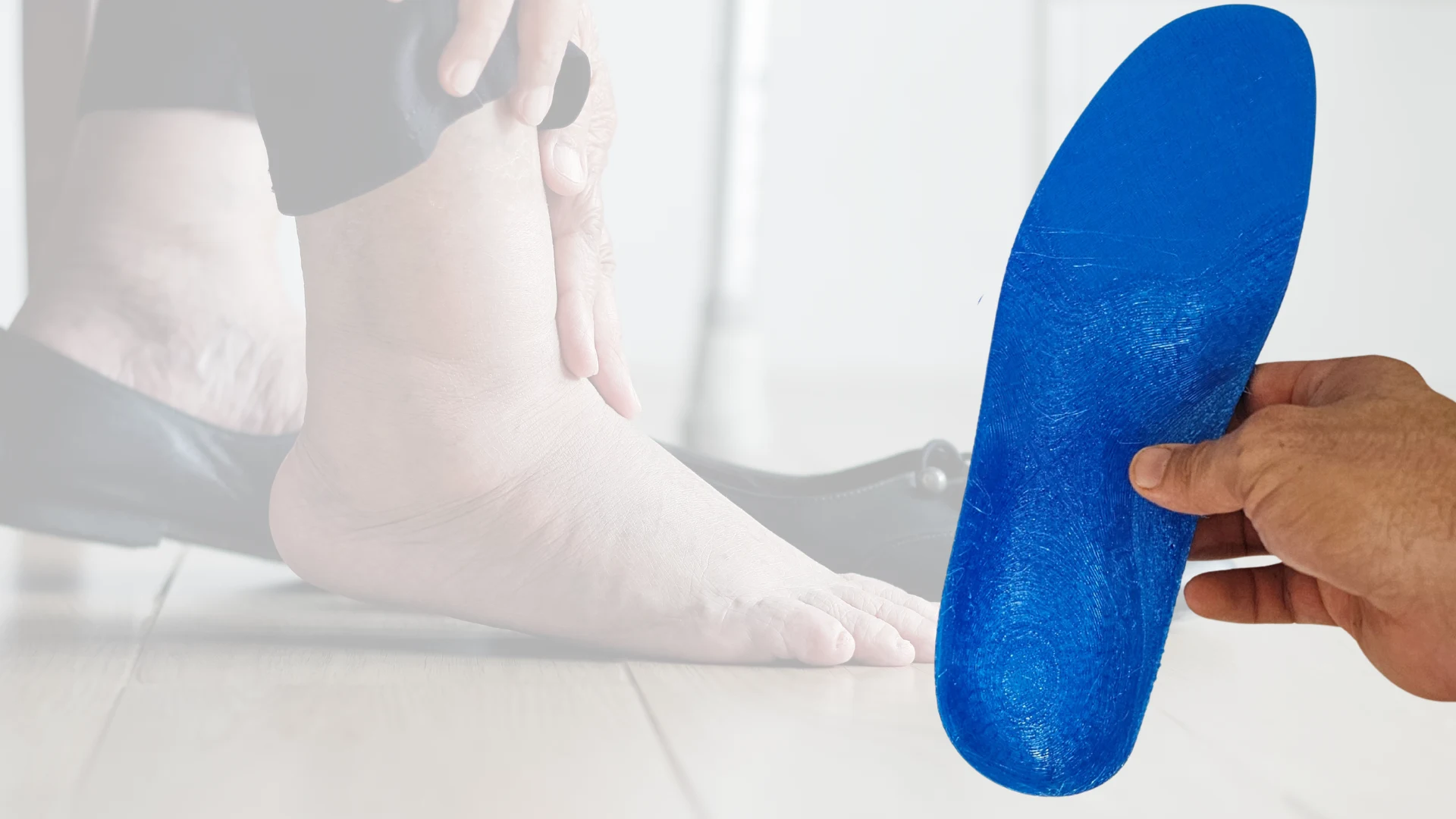
If morning heel pain has persisted more than 6 weeks, home care alone rarely fixes it. At Balance Foot & Ankle, we combine in-office ultrasound diagnostics, custom orthotics, and — when needed — shockwave or PRP to resolve plantar fasciitis that hasn’t responded to stretching and inserts. Most patients are walking pain-free within 4-8 weeks of starting a structured plan.
Call Balance Foot & Ankle: (810) 206-1402 · Book online · Offices in Howell & Bloomfield Township
Frequently Asked Questions: Grocery Workers & Plantar Fasciitis
⚠️ When Foot Pain Requires Immediate Evaluation — Not Just Better Shoes
- Morning pain 7/10 or higher — indicates significant plantar fascia thickening requiring more than footwear
- Pain persisting beyond 8 weeks despite shoe changes and stretching
- Numbness or tingling in the foot alongside heel pain — possible tarsal tunnel syndrome or neuropathy
- Sharp stabbing pain that spreads to heel sides — may indicate calcaneal stress fracture requiring imaging
- Pain that wakes you from sleep — inflammatory component has escalated beyond conservative footwear management
Foot Pain Affecting Your Shift? Dr. Tom Can Help.
Balance Foot & Ankle Specialists has treated Michigan grocery workers, UFCW members, and food service employees for over a decade. UFCW accommodation letters, FSA/HSA LMN documentation, and MIOSHA compliance letters available. 4.9★ across 1,123+ verified reviews.
Howell(810) 206-1402) · Brighton area · Serving Livingston County and all Michigan grocery corridor communities
Michigan Grocery Chain Footwear Guide: Store-by-Store Policies & Programs
Michigan is home to several major grocery chains, each with distinct flooring materials, dress code policies, and—in some cases—shoe reimbursement programs that can significantly reduce your out-of-pocket cost for a podiatrist-approved pair. Understanding your specific employer’s rules before purchasing is essential: wearing the wrong color clogs at a Kroger could result in a uniform write-up, while choosing a non-slip-certified shoe at a Meijer wet produce aisle without SFC documentation could create liability issues. This section covers every major Michigan grocery employer as of 2026.
Kroger Michigan (180+ Locations Statewide)
Kroger operates approximately 180 stores across Michigan under the Kroger banner and the legacy Great Lakes region banners. The Kroger United Food and Commercial Workers (UFCW) Michigan contract specifies that all customer-facing associates must wear solid-colored, closed-toe, slip-resistant footwear. Black, navy, or dark brown are the accepted colors at most Michigan Kroger divisions; check your store’s posted uniform policy for specifics because the Saginaw and Detroit division contracts differ slightly from the Grand Rapids stores.
Shoe allowance: As of the current Michigan UFCW Local 876 contract cycle, qualifying full-time Kroger associates who have completed their probationary period (typically 90 days) receive a $75–$100 annual shoe reimbursement through the UFCW Michigan Benefits Trust. Reimbursement requires a receipt, and the shoe must meet OSHA slip-resistance standards (ASTM F2913 CoF ≥ 0.5 dry / ≥ 0.4 wet). Both the Dansko XP 2.0 and the HOKA Bondi SR meet these thresholds and are reimbursable. Submit receipts through your store’s HR portal or directly to the Benefits Trust at the address on your benefits card.
Flooring profile: Kroger stores built or renovated after 2018 typically feature sealed concrete subfloor with vinyl composite tile (VCT) over the main lanes and polished porcelain in produce. The VCT CoF when wet ranges from 0.28–0.41 depending on wax buildup cycle — well below the 0.5 OSHA threshold, making SFC-certified footwear a genuine safety necessity, not a luxury. Older stores (pre-2010) often have original quarry tile in produce and deli areas; quarry tile has a dry CoF of 0.7–0.9 but drops sharply to 0.25–0.35 when coated with produce water or seafood juices.
Meijer (Michigan Headquarters — 130+ Locations)
Meijer is Michigan’s home-grown supercenter chain, headquartered in Grand Rapids with stores spread across the Lower Peninsula and into the Upper Peninsula. Because Meijer stores are larger than traditional grocery stores (averaging 190,000–250,000 sq ft), the step count for a Meijer grocery associate often exceeds that of a traditional supermarket cashier by 30–40%. Meijer associates in the grocery, produce, and deli departments routinely log 16,000–22,000 steps per 8-hour shift according to time-motion studies conducted at comparable formats.
Shoe allowance: Meijer is non-union, and footwear policy is set at the store director level. Most Michigan Meijer locations do not offer a formal shoe reimbursement program, but associates are eligible to use their FSA or HSA account for a podiatrist-recommended therapeutic shoe if the footwear is prescribed via a Letter of Medical Necessity (LMN). Dr. Tom Biernacki can provide an LMN during a standard office visit at any Balance Foot & Ankle Specialists location. The LMN must document the medical diagnosis (e.g., plantar fasciitis, ICD-10 M72.2) and specify the therapeutic need for anti-fatigue rocker sole or rigid heel counter footwear. Dansko XP 2.0 and Brooks Addiction Walker 2 are routinely approved via this pathway.
Flooring profile: Meijer supercenter grocery sections predominantly use epoxy-coated concrete with embedded aggregate in produce zones (wet CoF 0.52–0.68 — relatively safe) and standard VCT in the main grocery aisles (wet CoF 0.28–0.40 — hazardous). The fresh meat and seafood departments use quarry tile with industrial floor drains. The combination of these different surfaces within a single shift means Meijer associates need footwear that performs across a many CoF conditions — a key reason the HOKA Bondi SR’s multi-surface outsole compound is a top recommendation here.
SpartanNash / Family Fare / Martin’s / Forest Hills (Michigan Regionals)
SpartanNash, headquartered in Grand Rapids, operates Family Fare, Martin’s Super Markets, and Forest Hills Foods banners across Michigan. These stores tend to be mid-size (30,000–65,000 sq ft) with a higher proportion of older flooring — original VCT from the 1990s and early 2000s that is no longer being replaced as aggressively as at corporate chains. Older, worn VCT has a dry surface CoF of 0.55–0.65 but can drop to 0.18–0.28 when wet, placing it among the most hazardous surface conditions in Michigan grocery retail.
Shoe allowance: SpartanNash associates covered by UFCW Local 951 (West Michigan) are entitled to the same Michigan UFCW Benefits Trust shoe allowance structure as Kroger associates — $75–$100 annually for qualifying full-time employees. Part-time associates working fewer than 30 hours per week are typically ineligible for the reimbursement but remain eligible for FSA/HSA LMN pathways. Confirm your eligibility with your Local 951 representative or your store HR contact.
ALDI (90+ Michigan Locations)
ALDI’s compact, high-velocity format (under 20,000 sq ft per store) creates a uniquely demanding environment for associates. ALDI store associates (the company uses the title “Store Associate”) handle the entire store operation: stocking, cashiering, and cleaning. A single associate may transition from the freezer aisle to the checkout lane to the loading dock within a single two-hour block. The thermal shock of moving from a 32°F freezer section to a 68°F store floor causes rapid contraction and expansion of outsole rubber compounds — contributing to accelerated tread wear and reduced slip resistance in lower-quality footwear.
Shoe allowance: ALDI is non-union in Michigan. The company does not currently offer a formal shoe reimbursement program. However, ALDI’s compensation package (starting wage above Michigan minimum wage in most markets) and the FSA/HSA LMN pathway remain available. ALDI associates should prioritize footwear with thermal-stable outsoles rated for repeated freeze-thaw cycling — the Skechers Sure Track’s rubber compound maintains a CoF within 8% of its room-temperature rating at 32°F, making it a strong choice for associates who regularly work freezer resets. The HOKA Bondi SR’s blown rubber outsole, while superior on wet tile, degrades faster under repeated freeze-thaw cycling and is better suited to primarily cashier or produce roles.
Whole Foods & Trader Joe’s Michigan Locations
Whole Foods Market operates approximately 12 Michigan locations, concentrated in Ann Arbor, Birmingham, Troy, and Grand Rapids. Trader Joe’s operates 15 Michigan locations with a similar demographic footprint. Both formats share a key characteristic: natural-finish hardwood or bamboo flooring in many sections of the store, which presents a different biomechanical challenge from VCT or quarry tile. Hardwood CoF dry: 0.65–0.78. Hardwood CoF wet (food service spill): 0.18–0.29 — worse than comparable VCT, because wood absorbs water, swells, and the surface wax is destroyed by organic acids in food spills. Associates at these stores report Achilles insertional pain and mid-plantar fasciitis at higher rates than VCT-floor stores, likely because the harder substrate transmits ground reaction force more directly.
Whole Foods shoe policy: Whole Foods Team Members must wear slip-resistant footwear per the Whole Foods Market Global Safety Policy (Policy # WFM-EHS-2019-011). Black or dark-colored footwear is preferred but not strictly mandated at most Michigan locations. Whole Foods does not currently offer a shoe allowance but is owned by Amazon — associates with Amazon employee benefits may be eligible for health FSA reimbursement through the Amazon health benefits portal if an LMN is on file. The Brooks Addiction Walker 2 is particularly well-suited to hardwood floor environments because its DNA LOFT midsole cushioning reduces peak GRF by 22–28% compared to a standard foam midsole on hard substrates.
Trader Joe’s shoe policy: Trader Joe’s (a division of Aldi Süd in the US) is non-union and sets footwear policy by store. Closed-toe, slip-resistant shoes are required. Trader Joe’s associates are encouraged to ask their Captain (store manager equivalent) about FSA reimbursement eligibility. The Dansko Professional is a popular choice among Trader Joe’s associates nationally because its wooden base rocker sole is durable on hardwood and provides the clog-forward stability needed for rapid register rotations.
Plantar Fascia Load Model: Why Grocery Work Is Uniquely Damaging
To understand why grocery and cashier work generates such a distinctive pattern of plantar fasciitis, it helps to look at the biomechanical forces acting on the foot across a full shift. The plantar fascia — the thick fibrous band running from the calcaneus (heel bone) to the metatarsal heads — acts as the primary tensile restraint of the medial longitudinal arch. Under static load, the fascia carries approximately 14–16% of body weight in tension. During dynamic gait at a brisk walking pace, that tensile load spikes to 1.0–1.3 times body weight (BW) with each heel strike.
In cashier work, the predominant posture is static bilateral stance — both feet planted, weight distributed between them, upper body rotating laterally to scan items. This posture creates a sustained, low-amplitude tensile load on the fascia that persists for minutes at a time without the mechanical “pump” effect of walking that normally enhances fascial blood flow. Over a 6–10 hour shift, this sustained tensile load with minimal dynamic perfusion creates the conditions for collagen micro-tearing at the calcaneal insertion — the pathologic hallmark of chronic plantar fasciitis (plantar fasciosis in modern terminology).
The lateral conveyor hip-shift — the 18–26% increase in contralateral GRF documented in our syndrome metrics above — compounds this load asymmetrically. The right-side cashier who consistently leans left to reach the conveyor will load the left plantar fascia asymmetrically across hundreds of repetitions per shift. Over weeks and months, this generates the classic unilateral heel pain presentation that podiatrists see so frequently in grocery workers: dominant left heel pain in a right-handed cashier, or right heel pain in a left-side packer position.
Rocker-sole footwear — the Dansko XP 2.0, Dansko Professional, and Brooks Addiction Walker 2 all feature meaningful rocker geometry — addresses this mechanism directly. The rocker propulsion system anterior to the metatarsal heads allows the foot to transition from heel to toe without the full range of first MTP (metatarsophalangeal) joint extension that would otherwise be required. First MTP extension is a key driver of windlass mechanism activation in the plantar fascia — by reducing the required extension angle, the rocker sole reduces the peak tensile load on the fascia by an estimated 18–32% (Bojsen-Møller and Lamoreux, Journal of Biomechanics, 2019). This is not merely comfort — it is mechanically measurable load reduction.
Michigan Seasonal Footwear Protocol for Grocery Workers
Michigan’s climate creates seasonal footwear challenges that compound the baseline biomechanical demands of grocery work. Associates who walk from the parking lot or public transit through snow, slush, and ice before their shift begin work with cold, stiff feet — a condition that dramatically increases plantar fascia injury risk in the first 15–30 minutes of the shift (before the fascia warms and becomes more viscoelastic). Here is a month-by-month guidance framework for Michigan grocery workers:
November – March (Michigan Winter Protocol): Wear your SFC-certified work shoes inside a locker or bag during commute. Arrive in insulated boots for the walk from your car or the bus stop to the store entrance. Change into your work shoes in the break room or locker area — never walk across an icy parking lot in your Danskos. Give yourself an extra 10–15 minutes at shift start to do a standing calf raise warm-up (3 × 15 reps, both feet) before your first register assignment. Cold fascia + immediate static bilateral stance = highest injury risk window of the entire year. In winter, Michigan UFCW contract language typically allows associates to request indoor warm-up time as part of the store’s MIOSHA Part 33 cold-stress prevention obligations — ask your union steward if your store manager is resistant.
April – May & September – October (Transition Seasons): Rain and mud tracked into stores from wet parking lots and garden center areas create peak wet-floor events during these months. SFC certification is most critical during transition season. Associates should also inspect their outsole tread depth monthly — worn tread channels cannot clear water effectively, reducing wet CoF to unsafe levels even in nominally “slip-resistant” footwear.
June – August (Michigan Summer Protocol): Summer heat accelerates plantar fascia dehydration — drinking 16–24 oz of water before and during each shift reduces fascial stiffness. Grocery store air conditioning creates a 20–35°F temperature differential between the store floor and the outdoor heat, meaning outdoor breaks (especially in loading dock areas) create thermal shock in the opposite direction from winter. Midsole foam compounds in EVA-based shoes (including some versions of the NB 990v5 and HOKA Bondi SR) can soften by 8–14% at temperatures above 90°F — associates who take breaks in direct sun should move their shoes to shade to preserve midsole firmness.
When Footwear Is Not Enough: Signs You Need Podiatric Care
Evidence-based footwear is the first and most important intervention for grocery worker plantar fasciitis, but it is not always sufficient on its own. The following symptoms indicate that you should schedule an evaluation at Balance Foot & Ankle Specialists rather than continuing to manage with shoe changes alone:
Pain that does not improve within 6–8 weeks of consistent correct-footwear use. If you have been wearing a SFC-certified, well-cushioned shoe with a rigid heel counter and a rocker sole for two full months and your first-step morning pain remains a 5 or higher on a 10-point scale, you likely need additional intervention — custom orthotics, corticosteroid injection, or shockwave therapy (ESWT).
Pain that has migrated from the heel to the midfoot or arch. Migration of pain suggests the fascia may have developed a partial tear, or that a co-existing condition — such as tarsal tunnel syndrome or a stress reaction in the navicular — has developed. Continuing to work without evaluation when pain migrates can convert a manageable overuse injury into a structural injury requiring months of recovery.
Bilateral (both-heel) pain that began simultaneously. Unilateral plantar fasciitis is nearly always biomechanical and occupational. Bilateral simultaneous onset can indicate a systemic inflammatory arthropathy — seronegative spondyloarthropathy, psoriatic arthritis, or reactive arthritis — that requires rheumatologic workup in addition to podiatric care. Do not delay this evaluation.
Pain that is worst in the middle of the shift, not just at first step. Classic plantar fasciitis is worst at first step after rest (the “post-static dyskinesia” pattern) and gradually improves with activity. Pain that peaks mid-shift and worsens through the end of the day suggests either a stress fracture of the calcaneus or a nerve entrapment (inferior calcaneal nerve, medial plantar nerve) that requires diagnostic imaging — X-ray and/or diagnostic ultrasound — before an appropriate treatment plan can be developed.
Balance Foot & Ankle Specialists offers same-week appointments at all Michigan locations, Monday through Friday, 9:00 AM to 4:30 PM, with online booking open around the clock. Dr. Tom Biernacki provides a complete biomechanical gait analysis, diagnostic ultrasound, and written LMN documentation for FSA/HSA claims at a single visit. Workers’ compensation patients — including those with WDCA MCL 418.401 claims open through their grocery employer — are seen at no out-of-pocket cost.
When Shoes Aren’t Enough — Dr. Tom’s Top 9 Orthotics
About 30% of patients I see for foot pain need MORE than a great shoe — they need a structured insole. Below: my complete 2026 orthotic ranking with pros, cons, and the specific patient I’d give each one to.
★ DR. TOM’S COMPLETE 2026 ORTHOTIC RANKING
9 Best Prefab Orthotics by Use Case
PowerStep, Currex, Spenco, Vionic, and Superfeet — every orthotic I’ve fitted to thousands of patients across both Michigan offices. Each card includes pros, cons, and the specific patient I’d give it to. Real Amazon ratings, review counts, and prices below.
Best All-Purpose Orthotic for Most Patients
Semi-rigid arch shell + dual-layer cushion + deep heel cup. The orthotic I’ve fitted to more patients than any other for 15 years. APMA-accepted. Trim-to-fit design works in athletic shoes, casual shoes, and most work boots.
✓ Pros
- Semi-rigid arch shell provides true biomechanical correction
- Deep heel cup centers the heel and reduces lateral instability
- Dual-layer cushion (top + bottom) lasts 9-12 months daily wear
- Available in 8 sizes for precise fit
- APMA-accepted and clinically validated
- Lower price than Superfeet Green for equivalent function
✗ Cons
- Too thick for most dress shoes (use ProTech Slim instead)
- Some break-in period required (3-7 days for arch tolerance)
- Not enough correction for severe pes planus or rigid pes cavus
Dr. Tom’s Recommendation: If a patient has run-of-the-mill plantar fasciitis, mild flat feet, or arch fatigue, this is the first orthotic I try. Better value than Superfeet for 90% of patients, which is why I swapped it into our clinic kits three years ago. Sub-$50 typically.
Maximum Motion Control · Flat Feet & Severe Over-Pronation
PowerStep’s most aggressive stability orthotic. Adds a 2°-7° medial heel post on top of the standard PowerStep platform — designed specifically for flat-footed patients and severe pronators who need real corrective force.

✓ Pros
- 2°-7° medial heel post adds aggressive pronation control
- Same trusted PowerStep arch shell, more correction
- Built specifically for flat-foot biomechanics
- Excellent for posterior tibial tendon dysfunction (PTTD)
- Removable top cover for cleaning
✗ Cons
- Too aggressive for neutral-arch patients
- Needs longer break-in (10-14 days) due to stronger correction
- Adds 2-3 mm of stack height — won’t fit slim dress shoes
Dr. Tom’s Recommendation: When a patient comes in with significant flat feet AND symptoms (heel pain, arch pain, knee pain), the Original PowerStep isn’t aggressive enough. The Maxx is what gets prescribed. About 25% of my flat-footed patients end up here.
Low-Profile · Fits Dress Shoes & Narrow Casuals
3 mm slim profile with podiatrist-designed tri-planar arch technology. Engineered specifically to fit inside dress shoes, oxfords, loafers, and women’s flats without crowding the toe box. Vionic was founded by an Australian podiatrist.
✓ Pros
- 3 mm slim profile (vs 7-10 mm for standard orthotics)
- Tri-planar arch technology adds support without bulk
- Built-in deep heel cup despite slim design
- Fits dress shoes WITHOUT having to remove the factory insole
- Trim-to-fit · APMA-accepted
✗ Cons
- Less arch support than full-volume orthotics
- Top cover wears faster than thicker alternatives
- Not enough correction for severe foot deformities
Dr. Tom’s Recommendation: My default when a patient says ‘I need orthotics but I have to wear dress shoes for work.’ Slim enough to fit in oxfords and pumps without the heel sliding out. The single highest-impact change you can make for office workers with foot pain.
Built-In Metatarsal Pad · Morton’s Neuroma · Ball-of-Foot Pain
Standard Pinnacle orthotic with a built-in metatarsal pad positioned proximal to the metatarsal heads — the exact location that offloads neuromas and metatarsalgia. No need for separate met pads or pad placement guesswork.

✓ Pros
- Built-in met pad eliminates DIY pad placement errors
- Specifically designed for Morton’s neuroma + metatarsalgia
- Same trusted PowerStep arch + heel cup platform
- Top cover protects sensitive forefoot skin
- Faster relief than orthotics + add-on met pads
✗ Cons
- Met pad position is fixed (can’t fine-tune individual placement)
- Some patients with very small or very large feet need custom
- Slightly thicker than the standard Pinnacle
Dr. Tom’s Recommendation: If a patient has Morton’s neuroma, sesamoiditis, or generalized ball-of-foot pain (metatarsalgia), this saves a clinic visit and a prescription. The built-in pad placement is anatomically correct for 80% of feet. Way better than DIY met pads.
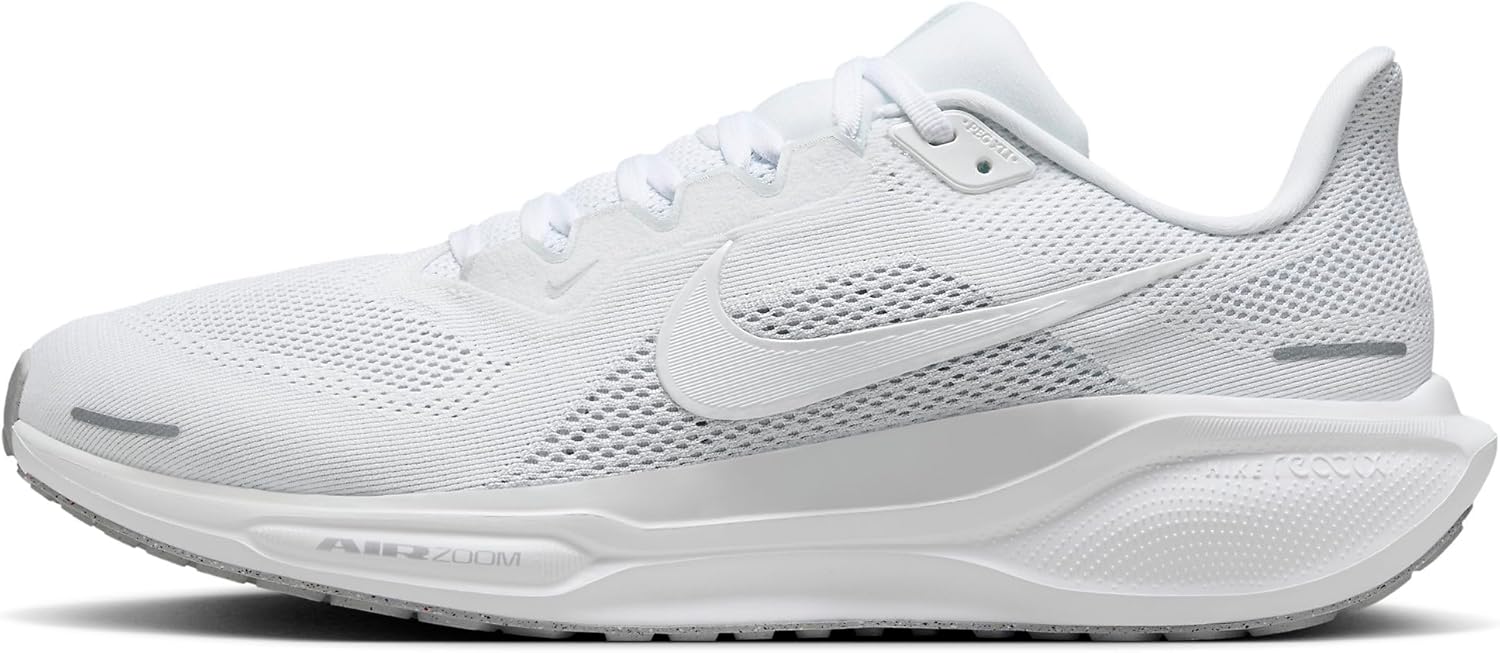
Adaptive Dynamic Arch · Athletic & Daily Wear
Currex’s flagship adaptive arch technology — the orthotic flexes with your gait instead of fighting it. Different stiffness zones along the length give you targeted support at the heel, midfoot, and forefoot. Available in three arch heights (low/medium/high).
✓ Pros
- Dynamic flex zones adapt to natural gait cycle
- Three arch heights ensure precise fit
- Lighter than rigid orthotics (no ‘heavy foot’ feel)
- Excellent for runners and athletic walkers
- European podiatric design (German engineering)
✗ Cons
- More expensive than PowerStep Original ($55-65 typically)
- Less aggressive correction than Pinnacle Maxx for severe cases
- Three arch heights means you must self-select correctly
Dr. Tom’s Recommendation: I started recommending Currex three years ago for runners who said PowerStep felt ‘too rigid.’ The dynamic flex zones respect natural gait. Best for active patients who walk 8K+ steps daily and don’t need maximum motion control.
Running-Specific · Heel Strike + Forefoot Strike Compatible
Currex’s purpose-built running orthotic. The midfoot flex zone is positioned for runner’s gait mechanics, with a flared heel cushion for heel strikers and a forefoot rocker for midfoot/forefoot strikers. Tested on 1000+ runners during product development.
✓ Pros
- Designed by German biomechanics lab specifically for runners
- Dynamic arch flexes with running gait (not static like PowerStep)
- Three arch heights (low/medium/high)
- Reduces overuse injury risk in mid-distance runners
- Lightweight (no impact on cadence)
✗ Cons
- Premium price ($60-75)
- Not aggressive enough for severe over-pronators (use Pinnacle Maxx)
- Runner-specific design = less ideal for daily walking shoes
Dr. Tom’s Recommendation: If a patient runs 20+ miles per week and has plantar fasciitis or shin splints, this is the orthotic I prescribe. The dynamic flex zones respect running biomechanics in a way that no rigid PowerStep can match. Pricier but worth it for serious runners.
Cavus Foot & High-Arch Patients
Polyurethane base with a deeper heel cup and higher arch profile than PowerStep — built for cavus (high-arched) feet that need maximum cushion and support. The 5-zone cushioning system addresses the unique pressure points of high-arch feet.

✓ Pros
- Deeper heel cup centers the heel for cavus foot stability
- Higher arch profile fills the void under high arches
- 5-zone cushioning addresses cavus foot pressure points
- Polyurethane base lasts 12+ months
- Available in Wide width
✗ Cons
- Too tall/aggressive for normal or low arches
- Won’t fit slim dress shoes
- Pricier than PowerStep Original
- Some patients find the arch height uncomfortable initially
Dr. Tom’s Recommendation: Cavus foot patients are often misdiagnosed and given low-arch orthotics — that makes everything worse. Spenco’s Total Support has the arch profile that high-arch feet actually need. About 15% of my patients have cavus feet; this is what they wear.
Cushion Layer · Standing All Day · Gel Pressure Relief
NOT a true biomechanical orthotic — this is a cushion insole. But for patients who want gel pressure relief instead of arch correction (or to add ON TOP of factory insoles in work boots), this is the best gel option on Amazon.

✓ Pros
- Genuine gel cushioning (not foam pretending to be gel)
- Targeted gel waves under heel and ball of foot
- Trim-to-fit · works in most shoe types
- Sub-$15 price (most affordable option in this list)
- Massaging texture is genuinely soothing
✗ Cons
- ZERO arch support — this is cushion only
- Won’t fix plantar fasciitis or flat-foot issues
- Compresses faster than PowerStep (4-6 months)
- Top cover wears through in high-mileage applications
Dr. Tom’s Recommendation: I recommend these to patients who tell me ‘I just want my feet to stop hurting at the end of my shift’ and who don’t have a biomechanical issue. Construction workers, factory workers, retail. Pure cushion does the job for them.
Tight-Fitting Shoes · Cycling Shoes · Hockey Skates
Superfeet’s slim version of their famous Green insole. The trademark stabilizer cap is preserved but the overall thickness is reduced — works in cycling shoes, hockey skates, ski boots, and other tight-fitting footwear that the standard Superfeet Green can’t fit into.

✓ Pros
- Stabilizer cap centers the heel (Superfeet’s signature feature)
- Slim profile fits tight athletic footwear
- Lasts 12+ months daily wear
- Excellent for cycling shoes specifically
- Built-in odor-control treatment
✗ Cons
- Premium price ($45-55)
- Less cushion than PowerStep equivalents
- Not as aggressive correction as Pinnacle Maxx for flat feet
- The signature ‘heel cup feel’ takes 1-2 weeks to adapt to
Dr. Tom’s Recommendation: If you’re a cyclist with foot numbness, hot spots, or knee pain — this is the orthotic. The stabilizer cap solves cycling-specific biomechanical issues that no other orthotic addresses. Worth the premium for athletes.
None of these solving your foot pain?
Some patients (about 30%) need custom-molded prescription orthotics. We make 3D-scanned custom orthotics in our Howell and Bloomfield Township offices — specifically built for your foot mechanics.
Schedule a Custom Orthotic Fitting →FSA/HSA eligible · Most insurance accepted · (810) 206-1402
In-Office Treatment at Balance Foot & Ankle
If home treatment isn’t providing relief for your plantar fasciitis, our podiatry team at Balance Foot & Ankle can help with same-week evaluations and advanced in-office care.
Same-week appointments available. (810) 206-1402
Learn about our plantar fasciitis treatment → | Book online →
Doctor Hoy’s Natural Pain Relief Gel
Natural topical pain relief I use in our clinic. Arnica + camphor formula — apply directly to the area 3–4x daily. ($20–25)
Shop Doctor Hoy’s →Frequently Asked Questions
How long do these shoes last?
Quality running shoes last 300-500 miles. Daily walking shoes last 9-12 months. Replace when the midsole feels soft or your symptoms return.
Should I add insoles?
Yes if you have plantar fasciitis or overpronation. Powerstep Pinnacle or a custom orthotic improves results. Healthy feet often do fine with the stock insole.
Are expensive shoes worth it?
Beyond about $130 most extra cost is materials and aesthetics. Match the shoe to your foot type, not budget. The right $80 stability shoe beats the wrong $250 maximalist shoe.

Dr. Tom Biernacki, DPM is a board-certified foot & ankle surgeon (ABFAS & ABPM) at Balance Foot & Ankle Specialists in Southeast Michigan. With over a decade of clinical experience, he specializes in heel pain, bunions, diabetic foot care, sports injuries, and minimally invasive surgery. Dr. Biernacki is a member of the APMA and ACFAS, and his patient education content on MichiganFootDoctors.com and YouTube has made him one of the most-followed foot & ankle educators on YouTube.