
Quick answer:For thick toenails, the best clippers have strong, sharp stainless-steel blades, a wide straight jaw, and long handles for leverage; soak the nails first and cut straight across. For very thick, painful, or fungal nails, a podiatrist can safely thin and trim them in-office. Call (810) 206-1402.
Still hurting after switching shoes? Footwear helps, but it can’t fix the underlying problem. See a podiatrist — pick a real appointment time online, 24/7: Howell or Bloomfield Township. Takes about a minute, 24/7.
Medically reviewed by Dr. Tom Biernacki, DPM — Board-Certified Podiatric Surgeon — Balance Foot & Ankle, Howell & Bloomfield Township, MI. Last updated April 2026.
▶ Watch
Medically Reviewed by Dr. Tom Biernacki, DPM — Board-Certified Podiatrist, Balance Foot & Ankle Specialists, Michigan. Last updated April 2026.
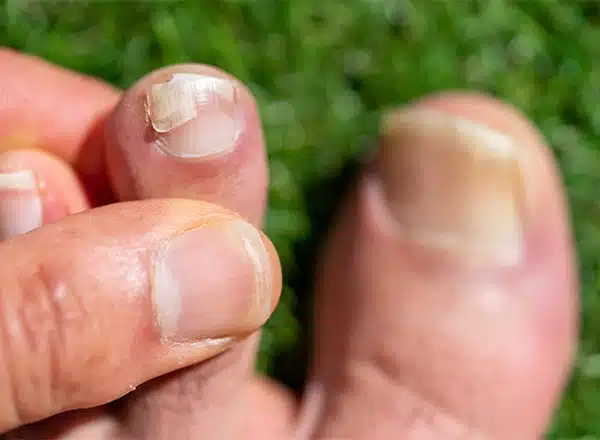
Thick toenails — from fungal infection, age-related onychauxis, trauma, or psoriasis — require heavy-duty toenail clippers with substantially more use and blade strength than standard nail scissors or drug store clippers. The best toenail clippers for thick nails in 2026 use stainless steel jaws with a lever-action or compound mechanism that multiplies cutting force without requiring excessive hand strength. Dr. Tom Biernacki, DPM at Balance Foot & Ankle in Howell and Bloomfield Township, Michigan recommends these tools and provides important guidance on when thick toenails should be trimmed by a podiatrist rather than at home.
The most important clinical decision with Best Toenail Clippers Thick Toenails 2026 isn’t which treatment to start with — it’s identifying the correct subtype. That changes everything. Call (810) 206-1402.
Why Standard Nail Clippers Fail on Thick Toenails
Standard toenail clippers are designed for nails of normal thickness — typically 0.3–0.5mm. Fungal nails or severely thickened nails can reach 1.5–3mm thick, requiring 3–6 times more cutting force. Standard clippers applied to thick nails either fail to cut, crush and crack the nail rather than cutting cleanly, cause the nail edge to split and create spicules that become ingrown, or require so much force that the patient injures themselves trying. Heavy-duty nail clippers use a longer lever arm, spring-loaded action, or compound mechanism to achieve the force needed for clean cuts through thick nail without excessive effort.
Harperton Nail Clipper — Best Overall for Thick Nails
📍 Located in Michigan?
Our board-certified podiatrists treat this condition at two convenient locations. Same-day appointments often available.
The Harperton toenail clipper is the most commonly recommended heavy-duty clipper in our practice. The wide jaw accommodates the full width of even broad great toenails, the stainless steel blades maintain sharpness through hundreds of clips, and the compound lever mechanism provides sufficient cutting force for moderately thickened nails without requiring excessive grip strength. A good choice for patients with mild-to-moderate nail thickening and normal hand strength. View on Amazon.
McKesson Heavy Duty Podiatric Nail Nipper — Best Professional Grade
The McKesson Heavy Duty Nail Nipper uses a concave blade (rather than the standard flat clipper blade) that cuts through thick nail in a single clean bite — the same design used in professional podiatric offices. The spring-loaded action allows repeated clipping without repositioning, and the stainless steel construction withstands repeated sterilization. This is the home version of what podiatrists use daily. It requires some coordination to angle correctly on the nail, but provides superior clean cutting on severely thickened nails that defeat standard heavy-duty clippers. View on Amazon.
Tweezerman Stainless Steel Toenail Clipper — Best for Arthritic Hands
For patients with arthritis, reduced grip strength, or limited hand dexterity, the Tweezerman Stainless Steel Toenail Clipper provides a wide, easy-grip handle with a compound lever that reduces the force required compared to standard clippers. Not the most powerful option for severely thickened nails, but a significant improvement over standard clippers for patients who cannot exert sufficient grip for heavier tools. View on Amazon.
How to Trim Thick Toenails Safely at Home
Soften the nail before trimming — soak the foot in warm water for 5–10 minutes or trim immediately after showering. Use the largest blade size available that fits the nail width. Cut straight across — never curve the cut to follow the nail shape, as curved cuts create corners that grow into the surrounding skin and cause ingrown toenails. Make multiple small cuts from each edge toward the center rather than one large center cut on thick nails — this reduces splitting. Never cut down into the nail groove on the sides. File rough edges gently with an emery board after trimming.
When NOT to Trim Thick Toenails at Home
Diabetic patients with peripheral neuropathy should have toenails trimmed by a podiatrist — loss of pain sensation means nail injuries from home trimming (cutting too short, nicking surrounding skin) can go unnoticed and lead to infections. Patients with peripheral arterial disease should similarly avoid home nail trimming — poor circulation impairs wound healing from any small cut. Nails that are extremely thick (onychogryphosis — “ram’s horn nail”), nails attached at irregular angles, or nails with suspected subungual pathology require professional care. Medicare covers routine nail debridement for patients with peripheral neuropathy, peripheral artery disease, or other qualifying conditions — this benefit is underused by many patients who continue attempting home care that risks complications.
Professional Nail Care at Balance Foot & Ankle
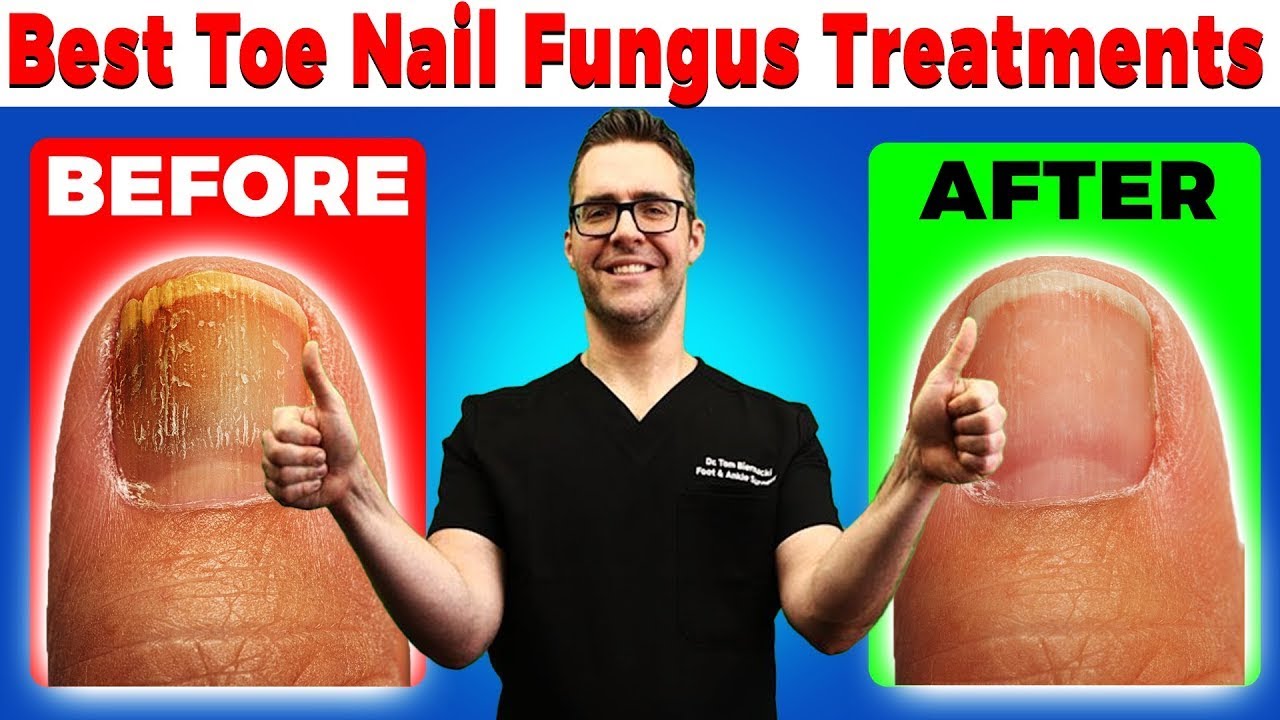
Dr. Biernacki provides professional nail debridement, toenail fungus evaluation and treatment, and assessment of underlying nail pathology (subungual hematoma, psoriasis, tumor) that may be driving nail thickening. For patients who qualify, nail debridement is covered by Medicare and most insurance plans. Schedule nail care or call (810) 206-1402 — Howell and Bloomfield Township, Michigan.
🧦 Dr. Tom’s Pick: DASS Medical Compression Socks
Medical-grade 15-20 mmHg graduated compression. DASS socks are the brand I recommend most to patients with swollen feet, poor circulation, and post-surgery recovery. Graduated compression means tightest at the ankle, gradually releasing up the leg — promoting upward venous blood flow.
View DASS Compression Socks on Amazon →📧 Get Dr. Tom’s Free Lab Test Guide
Discover the 5 lab tests every person over 35 should ask their doctor about — explained in plain English by a board-certified physician.
Affiliate disclosure: As an Amazon Associate, Balance Foot & Ankle earns from qualifying purchases.
Join 950,000+ Learning About Foot Health
Dr. Tom shares honest medical advice, supplement reviews, and treatment guides you won’t find anywhere else.
Subscribe on YouTube →Professional Toenail Care Tools
- Mehaz Professional Toenail Clippers — Podiatrist-Grade
- Harperton Nail Clipper Set — Sharp Stainless
- Electric Nail Grinder — For Thick Toenails
Amazon affiliate links — we may earn a small commission at no extra cost to you.
Toenail Care & Treatment
Proper toenail clippers make thick nail care easier at home, but thickened toenails often indicate fungal infection or underlying conditions. Our podiatrists provide safe medical nail care and treat the root cause of nail thickening.
Learn About Our Toenail Treatments → | Book Your Appointment | Call (810) 206-1402
Clinical References
- Elewski BE. “Onychomycosis: pathogenesis, diagnosis, and management.” Clinical Microbiology Reviews. 1998;11(3):415-429.
- Gupta AK, et al. “Therapies for onychomycosis: a systematic review and network meta-analysis.” Journal of the American Academy of Dermatology. 2019;80(6):S46.
- Rich P. “Special patient populations: onychomycosis in the diabetic patient.” Journal of the American Academy of Dermatology. 1996;35(3):S10-S12.
Insurance Accepted
BCBS · Medicare · Aetna · Cigna · United Healthcare · HAP · Priority Health · Humana · View All →
Howell Office
4330 E Grand River Ave
Howell, MI 48843
Get Directions →
Bloomfield Township Office
43494 Woodward Ave, #208
Bloomfield Township, MI 48302
Get Directions →
Your Board-Certified Podiatrists



Ready to Get Back on Your Feet?
Same-week appointments available at both locations.
Book Your AppointmentWatch: Dr. Tom explains
Podiatrist-recommended products
As an Amazon Associate, Dr. Tom earns from qualifying purchases.
Post-clipping skin relief
View on Amazon →Nail pressure offload
View on Amazon →Ingrown flare icing
View on Amazon →Post-avulsion offload
View on Amazon →Related resources
Ready to solve this? Book today.
Same-week appointments · Howell & Bloomfield Township · 4.9★ (1,123+ reviews)
☎ (810) 206-1402Book Online →Pros & Cons of Conservative Care for toenail conditions
Advantages
- ✓ Most cases resolve at home
- ✓ Same-week appointments available
- ✓ Permanent fix exists
Considerations
- ✗ Recurrence common without prevention
- ✗ Diabetics need professional care
Dr. Tom’s Recommended Products for toenail conditions
Affiliate disclosure: As an Amazon Associate, Balance Foot & Ankle earns from qualifying purchases. We only recommend products we use with patients.
Tolcylen Antifungal Solution Dr. Tom’s Pick
Best for: Most effective topical for fungus
Ready to Get Back on Your Feet?
Same-day appointments in Howell + Bloomfield Township. Most insurance accepted. Dr. Tom Biernacki, DPM & team.
Book Today — Same-Day Appointments Available
Call Now: (810) 206-1402
About Your Care Team at Balance Foot & Ankle
Dr. Tom Biernacki, DPM · Board-Certified Foot & Ankle Surgeon. Specializes in conservative-first care, minimally invasive bunion surgery, and complex reconstruction.
Dr. Carl Jay, DPM · Accepting new patients. Specializes in sports medicine, athletic injuries, and routine podiatric care.
Dr. Daria Gutkin, DPM, AACFAS · Accepting new patients. Specializes in surgical reconstruction and pediatric podiatry.
Locations: 4330 E Grand River Ave, Howell, MI 48843 · 43494 Woodward Ave Suite 208, Bloomfield Township, MI 48302
Hours: Mon–Fri 8:00 AM – 5:00 PM · (810) 206-1402
Visit Balance Foot & Ankle — Same-Day Appointments Available
Our podiatry team serves patients throughout Michigan including Howell, Brighton, and Bloomfield Township. If you’re dealing with heel pain, ingrown toenails, or a foot injury, we have same-day appointment availability.
Same-day appointments available. (810) 206-1402
Frequently Asked Questions
How long does it take a toenail to grow back?
6-12 months for a full big toenail. Smaller toenails 4-6 months. Speed varies with age, circulation, and nutrition.
Will this affect other nails?
Trauma affects only the injured nail. Fungal infection can spread without treatment. Systemic causes affect multiple nails simultaneously.
Should I cover the nail or leave it open?
Cover with a breathable bandage during work or activity. Leave open at night for healing. Keep dry and clean.
Recovering at Home? Prime Free Trial
If you’re resting up and need foot-care supplies, ice packs, compression socks, or insoles delivered fast, Amazon Prime’s 30-day free trial includes free 2-day shipping on most items. Cancel anytime if it isn’t a fit.
Start a free 30-day Amazon Prime trial here. Same-day or next-day shipping on most foot-care products, plus Prime Video and other benefits during the trial.
Disclosure: as an Amazon Associate, we earn a referral fee on Prime sign-ups. No cost to you, and supports the practice.

Dr. Tom Biernacki, DPM is a board-certified foot & ankle surgeon (ABFAS & ABPM) at Balance Foot & Ankle Specialists in Southeast Michigan. With over a decade of clinical experience, he specializes in heel pain, bunions, diabetic foot care, sports injuries, and minimally invasive surgery. Dr. Biernacki is a member of the APMA and ACFAS, and his patient education content on MichiganFootDoctors.com and YouTube has made him one of the most-followed foot & ankle educators on YouTube.