
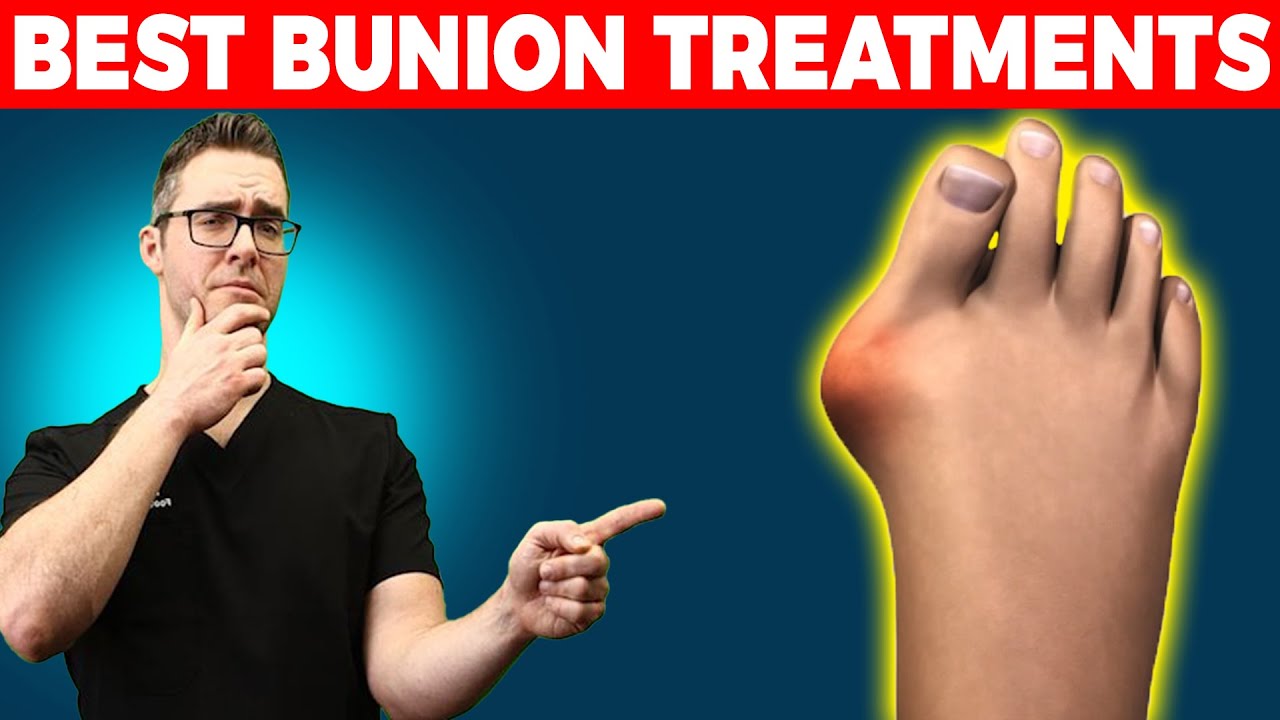
Bunion Surgery vs. Non-Surgical Treatment: How to Decide
Bunions — progressive bony deformities at the base of the big toe — are among the most common reasons patients seek podiatric care. But the decision between living with a bunion using conservative management versus pursuing surgical correction is not straightforward. The answer depends on severity, symptoms, lifestyle, age, and what you are trying to achieve. Here is the honest guide our podiatrists at Balance Foot & Ankle use to help Michigan patients make this decision.
What Conservative (Non-Surgical) Treatment Can and Cannot Do
The most important fact to understand about conservative bunion management: it can control pain and slow progression, but it cannot correct the deformity. The bony prominence and toe misalignment that define a bunion will not reduce with orthotics, toe spacers, or splints. However, many patients never need surgical correction if their symptoms are adequately managed conservatively.
Conservative Treatment Options
Wide, low-heeled footwear — The most impactful conservative intervention. Shoes with adequate toe box width eliminate the shoe-to-bunion pressure responsible for most bunion pain. Many patients in early-to-moderate stages achieve complete pain control simply by switching to appropriate footwear.
Custom orthotics — Orthotics address the biomechanical contributors to bunion development and progression — typically overpronation and hypermobility of the first ray. By controlling the arch and limiting abnormal first metatarsal motion, orthotics slow the rate of bunion deformity progression and reduce forefoot pain.
Bunion pads and toe spacers — Gel pads cushion the bunion prominence against shoe contact. Interdigital spacers between the first and second toes can reduce big toe drift in flexible, early-stage bunions. These are comfort measures, not corrective interventions.
Cortisone injections — Targeted anti-inflammatory injections reduce bursitis and joint inflammation associated with active bunion pain flares. They provide temporary relief and are not a long-term solution.
When to Consider Bunion Surgery
Surgery is indicated when conservative management no longer adequately controls symptoms. Specific indicators include:
Persistent pain despite conservative care — If you have genuinely optimized footwear, used custom orthotics, and modified activities, and you are still experiencing significant daily pain, conservative care has reached its limits.
Functional limitation affecting daily activities — When bunion pain prevents you from working, exercising, or performing activities that matter to your quality of life, the benefit-to-risk ratio of surgery shifts toward intervention.
Progressive deformity with associated problems — As hallux valgus angle increases, the second toe is progressively displaced (hammertoe develops), the first metatarsophalangeal joint degenerates, and plantar fat pad shifts. Waiting for deformity to reach this stage makes surgical reconstruction more complex.
Inability to find acceptable footwear — When a person cannot find professional footwear that accommodates the bunion without pain, quality of life is significantly impaired and surgical correction becomes a reasonable quality-of-life intervention.
What Bunion Surgery Involves
Bunionectomy is performed as an outpatient procedure. The specific surgical technique depends on the severity of deformity, hallux valgus angle, first metatarsal alignment, and joint health. Common procedures include:
Chevron osteotomy — A V-shaped cut through the first metatarsal head that allows lateral shifting of the bone to reduce the intermetatarsal angle. Used for mild-to-moderate bunions.
Lapidus procedure (first tarsometatarsal joint fusion) — Fusion of the first metatarsal-cuneiform joint, correcting bunion deformity at its biomechanical root cause. More appropriate for moderate-to-severe bunions and patients with hypermobility of the first ray. The Lapidus has become the dominant procedure for bunion correction because it addresses the underlying instability that drives recurrence.
Minimally invasive bunionectomy — Percutaneous techniques use small stab incisions and specialized burrs to reshape the bone with minimal soft tissue disruption. Recovery may be somewhat faster, but technique selection must match the specific deformity pattern.
Realistic Recovery Expectations
Bunion surgery recovery requires patience. Most patients are walking in a surgical boot within days to 2 weeks. Return to regular shoes occurs at 6–10 weeks. Return to athletic footwear and impact activity typically takes 3–4 months. Full resolution of swelling can take 9–12 months. Setting realistic expectations before surgery is important — bunionectomy recovery is longer than many patients anticipate.
At Balance Foot & Ankle in Howell and Bloomfield Hills, Michigan, our podiatric surgeons perform both comprehensive conservative bunion management and the full range of bunionectomy procedures. We will help you understand exactly what to expect from both pathways and make the decision that aligns with your symptoms, activity goals, and life circumstances.
Related Treatment Guides
- Bunion Treatment
- Plantar Fasciitis & Heel Pain Treatment
- Custom 3D Orthotics
- Sports Foot & Ankle Injury Treatment
Michigan patients can access expert bunion treatment in Michigan at Balance Foot & Ankle. Our board-certified podiatrists serve Howell (4330 E Grand River) and Bloomfield Hills (43494 Woodward Ave #208). Schedule an appointment online or call (810) 206-1402 for same-week availability.
Dr. Tom’s Recommended Products for Bunions
📍 Located in Michigan?
Our board-certified podiatrists treat this condition at two convenient locations. Same-day appointments often available.
These are products I personally use and recommend to my patients at Balance Foot & Ankle.
- Correct Toes Toe Spacers — Silicone spacers realign toes to natural position — reduces bunion pain and slows deformity progression
- NatraCure Gel Toe Separator and Bunion Guard — Gel cushion with integrated spacer — immediate pain relief for bunion friction against shoe box
- New Balance 928v3 Walking Shoe — Wide toe box with ROLLBAR stability — gives the bunion room while controlling overpronation that worsens deviation
Affiliate disclosure: As an Amazon Associate, Balance Foot & Ankle earns from qualifying purchases. We only recommend products we trust for our own patients.
Dr. Tom’s Recommended Insoles
PowerStep is the brand I prescribe most — medical-grade OTC support without the custom orthotic price tag.
- PowerStep Pinnacle Insoles — The OTC orthotic I recommend most — medical-grade arch support at a fraction of custom orthotic cost. Works in most shoes.
- PowerStep Maxx Insoles — For severe arch pain or flat feet — maximum correction and support when Pinnacle isn’t enough.
📧 Get Dr. Tom’s Free Lab Test Guide
Discover the 5 lab tests every person over 35 should ask their doctor about — explained in plain English by a board-certified physician.
Affiliate disclosure: As an Amazon Associate, Balance Foot & Ankle earns from qualifying purchases. We only recommend products we trust for our own patients.
Join 950,000+ Learning About Foot Health
Dr. Tom shares honest medical advice, supplement reviews, and treatment guides you won’t find anywhere else.
Subscribe on YouTube →