
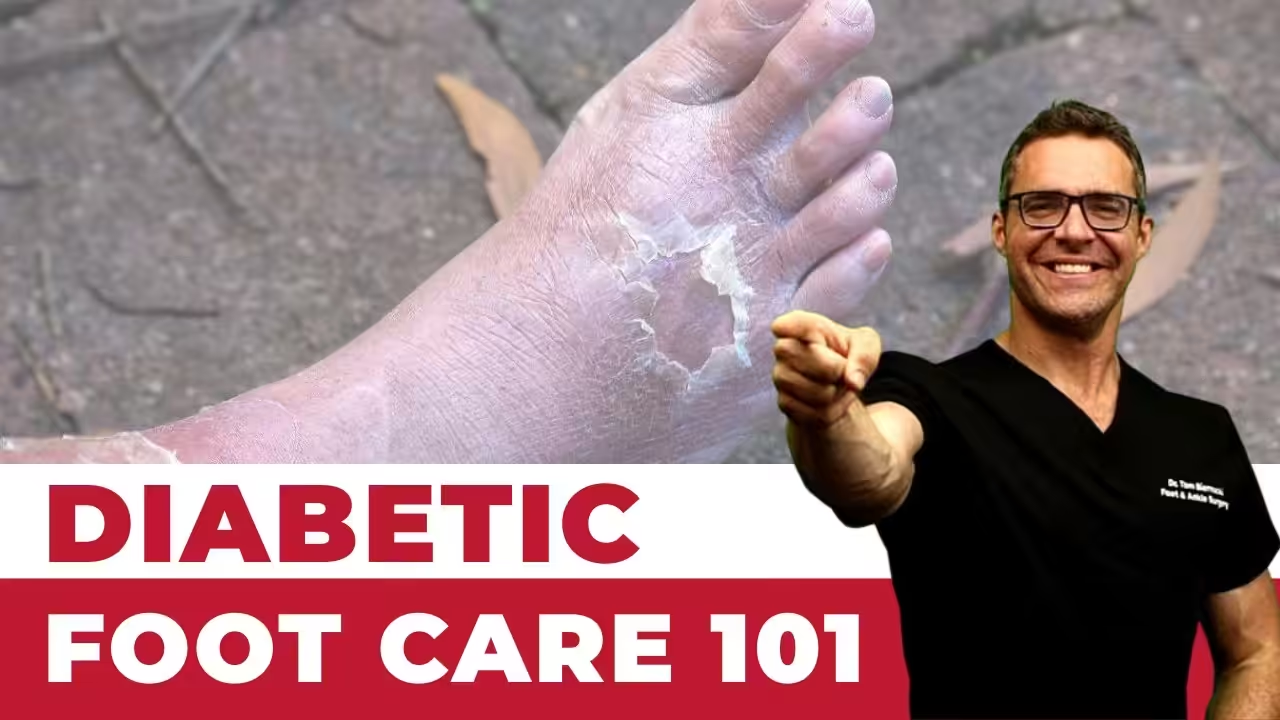

Quick answer: A diabetic shoe needs a deep, seamless toe box, a firm heel counter, and enough volume to take a protective insert — the aim is removing pressure points you may not be able to feel. Check inside the shoe with your hand before every wear, and never break new shoes in over a long day. Medicare covers a pair per year for qualifying patients. Call (810) 206-1402.
Related Conditions
Quick Answer
Diabetic Shoe Guide: Features, Medicare Coverage, and Expert relates to diabetic foot care — typically caused by reduced circulation + neuropathy. Most patients improve in ongoing daily inspection with conservative care. Appointments in Howell + Bloomfield Township: (810) 206-1402.
Diabetic Shoe Guide: Features, Medicare Coverage, and Expert Advice
Protecting Your Feet When You Have Diabetes
Diabetes affects every part of the body, but the feet face some of the most serious and potentially life-altering complications. Peripheral neuropathy, poor circulation, and impaired wound healing combine to make even minor foot problems dangerous. Choosing the right footwear is one of the most powerful preventive measures a diabetic patient can take. This guide explains what to look for and why it matters.
Why Diabetic Footwear Is Different
Standard shoes are designed for people with healthy sensation and circulation. Diabetic footwear is engineered around three core problems specific to diabetes:
Neuropathy: Nerve damage reduces or eliminates the ability to feel pressure, friction, heat, and pain in the feet. A normal person feels a blister forming and adjusts their activity. A diabetic patient may not feel it at all until the wound has already developed. Diabetic shoes minimize friction and pressure points before they become wounds.
Poor circulation: Reduced blood flow slows healing dramatically. A small cut that would heal in days for a healthy person may take weeks or months in a diabetic patient — and can become infected in the interim.
Foot deformities: Neuropathy can weaken the muscles in the foot over time, leading to hammertoes, Charcot foot, collapsed arches, and bony prominences. These deformities create high-pressure areas inside standard shoes that can cause ulcers.
Key Features of Therapeutic Diabetic Shoes
Extra depth: Diabetic shoes are typically 3/8 inch deeper than standard shoes to accommodate custom orthotics or diabetic inserts without compressing the toes.
Wide and deep toe box: Allows toes to lie flat without rubbing against the upper. Essential for patients with hammertoes, bunions, or swollen feet.
Seamless interior: Seams inside standard shoes can rub against neuropathic feet without the patient noticing, causing blisters and ulcers. Diabetic shoe interiors use seamless or minimal-seam construction.
Soft, breathable uppers: Soft leather or mesh uppers conform to foot shape and reduce pressure points.
Firm, rocker-bottom sole: A curved sole reduces pressure under the ball of the foot during push-off, which is a common ulcer location.
Removable insoles: Must be removable to accommodate custom diabetic inserts prescribed by your podiatrist.
Medicare Coverage for Diabetic Shoes
Medicare Part B covers therapeutic diabetic footwear for eligible patients with diabetes. Coverage includes one pair of therapeutic shoes and up to three pairs of custom molded inserts per calendar year. To qualify, you must have Medicare Part B, a documented diabetes diagnosis, and a certifying statement from the doctor who manages your diabetes (an MD or DO; Medicare does not accept a podiatrist as the certifying physician), plus a prescription for the shoes, which your podiatrist can write. Balance Foot & Ankle is a Medicare-certified provider of therapeutic footwear and can manage the entire process for eligible patients.
Brands and Styles
Leading diabetic footwear brands include Drew, Apis, Orthofeet, and Propet. These manufacturers offer a many styles — from athletic shoes to dress shoes to sandals — all meeting PDAC-approved therapeutic standards. The days of diabetic shoes looking purely clinical are largely over; modern therapeutic footwear is stylish enough for everyday wear.
Custom Diabetic Orthotics
Diabetic shoes work best when paired with custom molded inserts designed to redistribute plantar pressure. A podiatrist can scan your feet and have inserts fabricated that offload high-risk areas such as the ball of the foot, bony prominences, or post-surgical sites. For the fitting side of it — depth, width, seams, and how to break a new pair in safely — see our guide to diabetic shoes.
Daily Foot Inspection
No amount of good footwear replaces daily self-inspection. Every diabetic patient should inspect the tops, bottoms, sides, and between the toes of both feet every day. Use a mirror for the sole if needed. Look for redness, swelling, blisters, cuts, or any change in skin color or temperature. If you find anything concerning, call your podiatrist immediately — do not wait.
Balance Foot & Ankle: Diabetic Foot Care Specialists
Our podiatrists provide comprehensive diabetic foot care across our Michigan locations, including annual foot exams, custom orthotics, therapeutic footwear fitting, wound care, and neuropathy evaluation. If you have diabetes and have not had a foot exam in the past year, schedule one today.
Diabetic Shoe Fitting in Michigan: Medicare Benefits and Clinical Prescription
Michigan diabetic patients who qualify for the Medicare Therapeutic Shoe Benefit — which covers one pair of depth-inlay shoes and three pairs of custom-molded inserts per calendar year for qualifying diabetic beneficiaries — can receive their shoe benefit at Balance Foot & Ankle. Our diabetic shoe program includes clinical assessment of the foot to determine qualifying conditions, fitting from a selection of approved therapeutic footwear brands, custom insert fabrication to the patient’s foot mold, and documentation for Medicare billing. The therapeutic shoe benefit is separate from the diabetic foot examination benefit and requires a treating physician’s certification of the patient’s diabetes and related foot complications — our team coordinates this documentation with the patient’s primary care physician or endocrinologist. Michigan diabetic patients who have not yet used their annual shoe benefit, or who have used it in the past and want to update their devices for the current year, can call Balance Foot & Ankle at (810) 206-1402 to schedule their fitting at our Howell or Bloomfield Township office.
Michigan patients can access expert diabetic foot care in Michigan at Balance Foot & Ankle. Our board-certified podiatrists serve Howell (4330 E Grand River) and Bloomfield Township (43494 Woodward Ave #208). Schedule an appointment online or call (810) 206-1402.
Related Patient Guides
- Medicare Diabetic Shoe Benefit: What You Get & How to Qualify
- Diabetic Foot Care: Daily Routine & Warning Signs
- 3D Custom Orthotics at Balance Foot & Ankle
Insurance Accepted
BCBS · Medicare · Aetna · Cigna · United Healthcare · HAP · Priority Health · Humana · View All →
Howell Office
4330 E Grand River Ave
Howell, MI 48843
Get Directions →
Bloomfield Township Office
43494 Woodward Ave, #208
Bloomfield Township, MI 48302
Get Directions →
Ready to Get Back on Your Feet?
Book online 24/7 at either office.
More Podiatrist-Recommended Diabetic Essentials
Diabetic-Approved Walking Shoe
Orthofeet Sprint — seamless, extra-depth, designed for neuropathic feet.
Recovery Slide for Indoor Wear
HOKA Ora 3 — protects diabetic feet from barefoot injury at home.
As an Amazon Associate, Balance Foot & Ankle earns from qualifying purchases. Product recommendations are based on clinical experience; prices and availability shown above update live from Amazon.

When to See a Podiatrist
One unnoticed blister on a neuropathic foot can become a limb-threatening ulcer in under 14 days. Medicare covers diabetic shoes (A5500) and comprehensive foot exams annually for most diabetic patients with neuropathy or circulation concerns. Balance Foot & Ankle runs a dedicated diabetic limb-preservation program — vascular screening, offloading, ulcer care, and shoe fitting — all in one visit. Schedule your annual diabetic foot exam today.
Call Balance Foot & Ankle: (810) 206-1402 · Book online · Offices in Howell & Bloomfield Township
Pros & Cons of Conservative Care for diabetic foot care
Advantages
- ✓ Daily inspection prevents amputation
- ✓ Most insurance covers DME
- ✓ Custom orthotics help
Considerations
- ✗ Daily commitment required
- ✗ Slow wound healing
- ✗ Charcot risk if neuropathy
Dr. Tom’s Recommended Products for diabetic foot care
Affiliate disclosure: As an Amazon Associate, Balance Foot & Ankle earns from qualifying purchases. We only recommend products we use with patients.
Drew Moonwalker Diabetic Shoe Dr. Tom’s Pick
Best for: Medicare-covered diabetic footwear
Diabetic Compression Socks Dr. Tom’s Pick
Best for: Daily protection + circulation
Ready to Get Back on Your Feet?
Appointments in Howell + Bloomfield Township. Most insurance accepted. Dr. Tom Biernacki, DPM & team.
Call Now: (810) 206-1402
Ready to feel better?
Appointments available in Howell and Bloomfield Township, Michigan.
🏥 Dr. Biernacki’s Recommended Products (Save 30% – Foundation Wellness)
👉 DASS Compression Socks — Therapeutic compression for diabetic foot health.
👉 PowerStep Pinnacle Insoles — Cushioned arch support for sensitive feet.
In-Office Treatment at Balance Foot & Ankle
If home treatment isn’t providing relief for your diabetic foot conditions, our podiatry team at Balance Foot & Ankle can help with expert evaluations and advanced in-office care.
Book online 24/7. (810) 206-1402
VitaMedica Arnica Gel
Arnica gel plus 15 plant compounds for sore feet, plantar fasciitis flares and post-activity soreness. Apply a thin layer to the sore area.
Frequently Asked Questions
Why is diabetic foot care so important?
Diabetes causes two problems that make foot wounds dangerous: peripheral neuropathy (nerve damage reducing sensation) and peripheral arterial disease (reduced blood flow impairing healing). A small blister or cut that a non-diabetic person would notice and treat can go undetected in a diabetic patient for days, become infected, and progress to osteomyelitis. Diabetic foot ulcers are the leading cause of non-traumatic lower limb amputations. A consistent foot care routine and regular podiatry visits prevent most amputations.
How often should diabetic patients see a podiatrist?
Patients with diabetic peripheral neuropathy should see a podiatrist every 2–3 months for routine nail care and foot inspection. Patients with active foot complications (ulcers, Charcot foot, severe PAD) need more frequent visits — often every 2–4 weeks until stable. Even well-controlled diabetics without neuropathy benefit from annual foot exams. Many amputations we see in consultation could have been prevented with earlier, consistent podiatric care.
What is diabetic peripheral neuropathy?
Peripheral neuropathy is nerve damage from chronically elevated blood sugar, causing numbness, tingling, burning, or loss of sensation — typically starting in the toes and progressing upward in a ‘stocking’ distribution. The dangerous aspect isn’t the pain — it’s the absence of pain. Patients with severe neuropathy don’t feel blisters, cuts, pressure sores, or early infections. A wound can reach bone before it’s noticed. Neuropathy screening with a 10-gram monofilament is part of every diabetic foot exam.
What are the warning signs of a diabetic foot problem?
Seek expert evaluation for: any open wound or blister that isn’t healing within 1–2 weeks, redness, warmth, or swelling in any part of the foot (possible Charcot fracture or infection), a new blister or callus, any red streaking or warmth spreading up the leg (cellulitis), foot or ankle pain in a diabetic patient with neuropathy (could be Charcot without pain). Don’t wait to see if it improves — diabetic foot infections are medical emergencies.
What is the best foot cream for diabetic feet?
The goal of diabetic foot cream is restoring the skin’s moisture barrier to prevent fissuring and cracking — the entry points for infection. Look for urea-based creams (10–25% urea) or lactic acid formulations that actually penetrate thickened skin rather than sitting on the surface. AmLactin 12%, Eucerin Diabetics’ Dry Skin Relief, and Gold Bond Diabetics’ Dry Skin Relief are clinical-grade options. Avoid cream between the toes — moisture retention between toes promotes maceration and fungal infection.
Can diabetic patients get foot massages?
Light massage is generally safe for diabetic patients without active wounds, severe edema, or PAD. However, deep tissue massage or vigorous rubbing should be avoided — with neuropathy, patients can’t feel if tissue is being damaged. Foot massagers with rollers or intense vibration should be avoided entirely. If you enjoy foot massage, use gentle, light strokes with a diabetic-appropriate foot cream. Let your podiatrist know if you’re incorporating massage into your routine — we can advise based on your circulation status.
What type of socks should diabetic patients wear?
Diabetic socks: seamless (seams can create pressure sores over a neuropathic foot), non-binding at the top (circulation-restrictive socks worsen PAD), moisture-wicking (polyester/wool blend reduces bacterial environment), padded sole (cushions bony prominences). Avoid cotton socks for active patients — cotton retains moisture. Never wear socks with elastic bands that leave marks on the leg. Brands specifically designed for diabetic feet: Thorlos, Wigwam, and most major medical supply brands.
Should diabetic patients cut their own toenails?
It depends on neuropathy severity and vision. Patients with mild neuropathy and good vision can safely trim nails straight across without cutting the corners. Patients with moderate-to-severe neuropathy, poor vision, or thick nails should not self-trim — the risk of cutting the surrounding skin (which they may not feel) is too high. This is exactly what podiatry nail care visits are for. Medicare and most insurance plans cover routine foot care for diabetic patients with documented neuropathy.
What is Charcot foot and how serious is it?
Charcot neuroarthropathy is a serious diabetic complication where neuropathy allows repeated micro-fractures to occur without pain, leading to progressive bone and joint destruction and foot deformity. The classic presentation: a warm, swollen, red foot in a diabetic patient — often mistaken for cellulitis. Early Charcot (caught within weeks of onset) can be managed with a total contact cast to prevent further collapse. Late Charcot with significant arch destruction often requires reconstructive surgery. Missing the diagnosis is catastrophic — a single patient with missed Charcot can progress to a rocker-bottom deformity requiring amputation.
Does insurance cover diabetic foot care?
Medicare Part B covers routine foot care (nail trimming, callus debridement) for diabetic patients with documented peripheral neuropathy — one visit every 2 months. Most PPO and HMO plans follow similar coverage rules. Diabetic shoes and insoles are covered under Medicare’s Therapeutic Shoe Bill (one pair of shoes plus three pairs of custom insoles per year). Call us at (810) 206-1402 and we’ll verify your specific coverage before your first appointment.
Get Expert Care at Balance Foot & Ankle
Appointments at our Howell and Bloomfield Township offices. Board-certified podiatric surgeons. Most insurance accepted.
Ready for Expert Care?
Appointments in Howell & Bloomfield Township, MI.
4.9★ | 1,200+ Reviews | 3,000+ Surgeries
Or call: (810) 206-1402

Dr. Tom Biernacki, DPM is a board-certified foot & ankle surgeon (ABFAS & ABPM) at Balance Foot & Ankle Specialists in Southeast Michigan. With over a decade of clinical experience, he specializes in heel pain, bunions, diabetic foot care, sports injuries, and minimally invasive surgery. Dr. Biernacki is a member of the APMA and ACFAS, and his patient education content on MichiganFootDoctors.com and YouTube has made him one of the most-followed foot & ankle educators on YouTube.