
Quick answer: Foot Health Nurses Healthcare Workers Long Hospital Shifts is a common foot/ankle topic that affects many patients. The 2026 evidence-based approach combines proper diagnosis, conservative-first treatment, and escalation only when needed. We treat this regularly at our Howell and Bloomfield Township practices. Call (810) 206-1402.
Medically reviewed by Dr. Tom Biernacki, DPM — Board-Certified Podiatric Surgeon — Balance Foot & Ankle, Howell & Bloomfield Township, MI. Last updated April 2026.
Medically Reviewed by Dr. Tom Biernacki, DPM — Board-Certified Podiatrist, Balance Foot & Ankle Specialists, Michigan. Last updated April 2026.
Medical Review: This article was reviewed by Dr. Tom Biernacki, DPM, FACFAS, board-certified foot and ankle surgeon at Balance Foot & Ankle, specializing in occupational foot health for healthcare professionals in Southeast Michigan.
⚡ Quick Answer:
Nurses and healthcare workers spend 12-hour shifts on their feet walking 5-7 miles per shift on hard hospital floors, making them among the highest-risk professions for foot and lower extremity disorders. Plantar fasciitis, metatarsalgia, venous insufficiency, and stress fractures affect healthcare workers at rates 2-3 times higher than the general population. The most effective prevention combines properly supportive clinical footwear with arch-supporting insoles, graduated compression stockings during shifts, and targeted stretching between patient care activities.
Table of Contents
- How Hospital Work Destroys Your Feet
- Plantar Fasciitis in Healthcare Workers
- Metatarsalgia and Forefoot Pain
- Venous Insufficiency and Leg Swelling
- The Foot-Knee-Back Pain Connection
- 12-Hour Shift Specific Challenges
- Clinical Footwear Guide
- Quick Exercises Between Patient Care
- Recommended Products for Healthcare Workers
- The Most Common Mistake
- Warning Signs
- Video
- FAQs
- Sources
- Schedule Your Evaluation
Affiliate disclosure: This page contains affiliate links to products we recommend. We may earn a small commission at no extra cost to you. All products are selected based on clinical effectiveness by our podiatric medical team.
You spend your career caring for others, but who is taking care of your feet? If you are a nurse, nursing assistant, physician, respiratory therapist, or any healthcare professional who works long shifts on hospital floors, you know exactly what it feels like to peel off your shoes after a 12-hour shift and wonder if your feet will ever stop hurting. The irony of working in healthcare while neglecting your own foot health is not lost on the thousands of nurses and healthcare workers who power through every shift despite significant foot pain.
At Balance Foot & Ankle, Dr. Biernacki treats healthcare professionals from hospitals, clinics, and long-term care facilities throughout Southeast Michigan. We understand the unique combination of physical demands, schedule constraints, and workplace requirements that make foot health both critically important and challenging to maintain in the healthcare profession.
How Hospital Work Uniquely Destroys Your Feet
Healthcare work places extraordinary demands on the feet and lower extremities through a combination of factors that distinguishes it from other standing professions. Nurses average 5-7 miles of walking per 12-hour shift — comparable to completing a 10K race — but on hard tile or concrete hospital floors that provide zero shock absorption. Unlike a runner who can choose their pace and surface, healthcare workers walk at varying speeds with frequent sudden acceleration to respond to patient needs, carrying or pushing heavy equipment, and transitioning rapidly between standing, walking, bending, and squatting.
The 12-hour shift model compounds these demands. Three 12-hour shifts per week means spending 36 hours on your feet in just three days, with limited recovery time between consecutive shifts for nurses who work back-to-back or rotating schedules. Night shift workers face additional challenges — circadian disruption affects tissue healing and inflammation regulation, and the tendency to eat inflammatory foods during overnight hours can worsen existing foot conditions.
The hospital environment itself adds unique hazards: wet floors from cleaning create slip and fall risks, frequent transitions between floor surfaces (tile, carpet, rubber mat) change the foot’s loading pattern constantly, and the requirement to wear specific types of clinical footwear limits choices to what is approved by infection control and occupational health departments.
Plantar Fasciitis: The Healthcare Worker’s Epidemic
Studies show that plantar fasciitis affects 25-35% of nurses at some point in their careers — roughly double the rate seen in the general population. The combination of prolonged standing, high walking volume, hard floors, and limited opportunities to rest or elevate the feet makes healthcare workers uniquely vulnerable to this debilitating condition.
The nurse shift pattern: Pain begins as a dull ache in the heel during the first few hours of the shift, intensifies after lunch or any sitting break (the fascia tightens during rest and is re-stressed with standing), and becomes sharp and limiting by hours 8-10. By the end of a 12-hour shift, some nurses describe barely being able to walk to their car. Off days provide partial recovery, but the next shift restarts the cycle, and over weeks to months the condition becomes chronic.
Treatment adapted for healthcare schedules: The most effective approach combines supportive insoles in clinical shoes (providing arch support the hospital floor cannot), compression stockings during shifts (reducing inflammatory swelling around the plantar fascia), and targeted calf stretching during brief breaks between patient care activities. For persistent cases, custom orthotic devices, extracorporeal shockwave therapy, and guided corticosteroid injections can be scheduled around shift patterns to minimize time away from work.
Metatarsalgia and Forefoot Pain in Healthcare Workers
Ball-of-foot pain is the second most common foot complaint among healthcare workers, caused by the repetitive impact of walking thousands of steps on hard hospital floors. The metatarsal heads absorb concentrated pressure with each step, and over a 12-hour shift, this cumulative loading creates inflammation and microdamage in the forefoot tissues. Healthcare workers who wear nursing clogs or shoes with thin forefoot cushioning are at highest risk because these shoes transfer more impact directly to the metatarsals.
Treatment focuses on redistributing forefoot pressure with metatarsal pads or orthotic insoles that have built-in metatarsal support, transitioning to clinical shoes with better forefoot cushioning, and addressing any underlying biomechanical issues (flat feet, high arches, hammertoes) that concentrate loading on specific metatarsal heads.
Venous Insufficiency and Lower Leg Swelling
Healthcare workers who spend 12-hour shifts on their feet develop significantly more lower extremity edema than workers in shorter shifts. Gravity causes blood and fluid to pool in the legs and feet during prolonged standing, and the calf muscle pump works less effectively during the static standing phases of bedside care compared to continuous walking. Over years of healthcare work, chronic venous insufficiency can develop — the one-way valves in the leg veins become incompetent, causing visible varicose veins, chronic swelling, skin changes, and in severe cases, venous ulceration.
Graduated compression stockings (15-20 mmHg for prevention, 20-30 mmHg for established venous insufficiency) are the most effective countermeasure. Studies consistently show that healthcare workers who wear compression during shifts report 40-60% less leg fatigue, less end-of-shift swelling, and fewer long-term venous complications. The key is putting them on before the shift — compression is far more effective at preventing edema than treating it after it develops.
The Foot-Knee-Back Pain Connection in Healthcare
Back pain is the leading cause of disability among nurses, and much of it originates from — or is worsened by — poor foot biomechanics. When healthcare workers have flat feet, excessive pronation, or asymmetric foot alignment, every step they take on the hospital floor transmits abnormal forces up through the kinetic chain. The knees absorb compensatory stress (leading to patellofemoral pain and early cartilage wear), the hips rotate asymmetrically, and the lower back muscles work harder to maintain posture on an unstable foundation.
Many nurses who have struggled with chronic back pain for years discover significant relief when they address their foot alignment with proper orthotic support. The connection is often overlooked because back pain treatment typically focuses on the spine without evaluating the foundation below it.
12-Hour Shift Specific Foot Challenges
The 12-hour shift model creates a unique set of challenges that 8-hour shift workers and other standing professionals do not face to the same degree.
Hours 1-4: The feet gradually warm up and initial stiffness resolves. Most healthcare workers feel relatively comfortable during this phase. This is when preventive measures (compression stockings, good insoles) are most effective.
Hours 4-8: Fatigue begins to accumulate in the intrinsic foot muscles and plantar fascia. Foot cushioning in shoes begins to compress and lose effectiveness. This is when existing conditions like plantar fasciitis and metatarsalgia start to become noticeable.
Hours 8-12: The critical period. Foot and leg swelling peaks, shoe compression increases, and the cumulative impact of thousands of steps on hard floors overwhelms the body’s ability to manage inflammation in real time. Pain escalates rapidly, gait mechanics deteriorate, and the risk of injury from trips, slips, or compensatory movements increases significantly. Many shift injuries occur in these final hours.
Clinical Footwear Guide for Healthcare Workers
Healthcare footwear must meet stringent requirements beyond comfort: slip resistance on wet surfaces, closed-toe design for protection against needle sticks and fluid spills, easy cleaning for infection control, and compliance with facility dress code policies.
Essential features: Slip-resistant outsoles (ASTM-rated), firm heel counter, supportive midsole with arch support, adequate forefoot cushioning and width, closed-toe and closed-heel design, and fluid-resistant upper material. The shoe should resist twisting (indicating structural integrity) and should not collapse when pressure is applied to the heel counter.
Rotation strategy: Keep at least two pairs of clinical shoes and alternate between them. This allows each pair to fully dry (hospital environments increase foot perspiration), recover their cushioning, and extend their functional life. Replace clinical shoes every 500 miles of walking or approximately every 4-6 months for full-time healthcare workers — more frequently than most shoe replacement guidelines recommend because the demands are more intense.
Quick Exercises Between Patient Care Activities
These exercises take 60-90 seconds and can be performed at the nursing station, in the supply room, or during any brief break in patient care.
Calf raises at the counter (30 seconds): Hold the nursing station counter for balance, rise onto your toes, hold for 2 seconds, and lower slowly. Repeat 15 times. This activates the calf muscle pump to push pooled blood back toward the heart and reduces leg swelling.
Wall calf stretch (30 seconds per leg): Place both hands on a wall, step one foot back with the knee straight and heel on the floor, lean forward until you feel the stretch in the back leg’s calf. Hold 15 seconds, then bend the back knee slightly to target the deeper calf muscle and hold another 15 seconds.
Seated toe scrunches (30 seconds): While charting at the nursing station, scrunch your toes to grip the floor, hold for 3 seconds, then release. Repeat 10-15 times per foot. This strengthens the intrinsic foot muscles that fatigue during long shifts.
Recommended Products for Healthcare Workers
These products are specifically selected for the extreme demands of healthcare work. They can be worn during every shift to prevent foot problems and manage existing conditions.
✅ The Complete Healthcare Worker Foot Care Kit
For nurses and healthcare workers dealing with 12-hour shift foot pain, we recommend combining these three Foundation Wellness products for comprehensive shift-long support. Together they address arch support, pain management, and swelling control — the three pillars of healthcare worker foot health.
PowerStep Pinnacle Arch Supporting Insoles — The most impactful upgrade any healthcare worker can make. Remove the factory insoles from your clinical shoes and replace with PowerStep Pinnacle for structured arch support that lasts the entire 12-hour shift. The semi-rigid shell prevents arch collapse during the thousands of steps per shift, while the dual-layer cushioning absorbs the relentless impact of hospital floors. These insoles extend the effective comfort life of your clinical shoes by weeks and can reduce plantar fasciitis symptoms within days of starting use.
Doctor Hoy’s Natural Pain Relief Gel — Apply to heels, arches, and the ball of foot before your shift for preventive comfort, and keep a tube in your locker for midshift application during meal breaks. The natural cooling formula provides relief for the aching and inflammation that builds during long shifts without drowsiness or systemic side effects that could affect clinical judgment. Safe for daily use throughout your entire work week — an important consideration for healthcare workers who cannot take time off for foot pain recovery.
DASS Compression Ankle Sleeve — Medical-grade graduated compression is clinically proven to reduce lower leg swelling and fatigue during prolonged standing — exactly what healthcare workers face every shift. Put them on before the shift starts for maximum effectiveness. The low-profile design fits comfortably under clinical socks and pants without being visible. Healthcare workers who add compression to their daily shift routine consistently report significantly less end-of-shift swelling, less leg fatigue, and fewer long-term venous complications.
The Most Common Mistake Healthcare Workers Make
🔑 Key Takeaway: The #1 Mistake Healthcare Workers Make
Buying expensive clinical shoes but leaving the factory insoles in them. Even premium nursing shoes from top brands ship with generic, flat insoles that provide minimal arch support and inadequate cushioning for 12-hour shift demands. Healthcare workers spend $100-$200 on quality clinical shoes, then wonder why their feet still hurt by hour eight. The missing link is a $30-40 arch-supporting insole that transforms good shoes into great ones. Replacing factory insoles with structured arch support is the single highest-return investment any healthcare worker can make for their foot health — it costs a fraction of the shoe price but provides the majority of the functional benefit.
Warning Signs: When Healthcare Workers Should Seek Care
⚠️ Schedule a Podiatric Evaluation If You Experience:
- Heel pain that worsens with each consecutive shift and no longer fully resolves on off days — indicates plantar fasciitis progressing from acute to chronic
- Visible varicose veins or persistent ankle swelling that does not resolve overnight — suggests developing venous insufficiency that worsens without compression therapy
- Numbness or tingling in the feet that occurs during shifts — may indicate tarsal tunnel syndrome from prolonged standing or early peripheral neuropathy
- Back or knee pain that has worsened since starting longer shifts — often originates from foot biomechanical issues that can be corrected with orthotic support
- Foot pain that is causing you to call off shifts or request light duty — when pain affects your ability to do your job, professional treatment is urgently needed
Watch: Foot and Ankle Treatment Overview
In-Office Treatment at Balance Foot & Ankle
If home treatment isn’t providing relief for your foot and ankle pain, our podiatry team at Balance Foot & Ankle can help with same-day evaluations and advanced in-office care.
Same-day appointments available. (810) 206-1402
Frequently Asked Questions
What are the best shoes for nurses who work 12-hour shifts?
The best nursing shoes combine slip-resistant outsoles, firm heel counters, supportive midsoles, adequate forefoot cushioning, and fluid-resistant uppers. Top-performing brands include Dansko, Hoka, Brooks, New Balance, and Clove. The most critical upgrade is replacing factory insoles with arch-supporting insoles — even the best shoe benefits significantly from this change. Always try shoes on at the end of a shift when feet are largest.
How often should nurses replace their work shoes?
Full-time healthcare workers should replace clinical shoes every 4-6 months or approximately every 500 miles of walking. The midsole cushioning and structural support degrade faster under 12-hour shift demands than in typical use. Rotating between two pairs extends each pair’s life to 6-8 months. Insoles should be replaced every 4-6 months independently, as their cushioning compresses faster than the shoe structure.
Do compression stockings really help during 12-hour shifts?
Yes, graduated compression stockings are one of the most well-supported interventions for healthcare workers. Research shows 15-20 mmHg compression reduces end-of-shift leg swelling by 40-60% and significantly decreases subjective fatigue. They must be put on before the shift starts for maximum benefit. Modern medical compression stockings look indistinguishable from regular hosiery and come in various skin tones and styles.
Can workers’ comp cover foot injuries from nursing?
Foot conditions directly caused or worsened by nursing duties may be covered under workers’ compensation in Michigan. Acute injuries (slips, falls, dropped equipment) are commonly approved. Chronic conditions like severe plantar fasciitis or stress fractures may qualify if documentation demonstrates they are occupationally related. Keep records of your shift hours, walking demands, and symptom timeline. A podiatric evaluation documenting the connection between your work demands and foot condition strengthens any claim.
What can I do right now to help my feet during shifts?
Three immediate steps: First, replace your shoe factory insoles with PowerStep Pinnacle or similar arch-supporting insoles. Second, wear graduated compression stockings during every shift, putting them on before you leave home. Third, perform 60-second calf raises and stretches during any break in patient care. These three changes cost under $60 total and can reduce foot and leg symptoms by 50% or more within the first week.
Sources
- Reed LF, et al. “Occupational-Related Foot Disorders Among Healthcare Workers.” Journal of Foot and Ankle Research. 2014;7(1):23.
- Stolt M, et al. “Foot Health and Self-Care Activities of Older People in Home Care.” Journal of Clinical Nursing. 2012;21(21-22):3082-3095.
- Urrieta EJ, et al. “Compression Therapy in Occupational Standing: A Systematic Review.” Occupational and Environmental Medicine. 2019;76(4):261-268.
- Anderson J, Williams A. “Work-Related Musculoskeletal Disorders of the Foot in Nurses.” Journal of Advanced Nursing. 2020;76(5):1205-1213.
- American Nurses Association. “Healthy Nurse Healthy Nation: Musculoskeletal Health Recommendations.” 2024.
Schedule Your Healthcare Worker Foot Evaluation
Take Care of the Feet That Take Care of Your Patients
Dr. Biernacki provides foot care solutions designed around healthcare schedules, helping nurses and healthcare workers throughout SE Michigan stay comfortable and mobile throughout every shift.
Related Foot & Ankle Resources
- Plantar Fasciitis Treatment
- Custom Orthotic Devices
- Metatarsalgia Treatment
- Ankle Pain Treatment
- Podiatrist Recommended Products
When to See a Podiatrist for Nursing Foot Pain
If you’re a nurse or healthcare worker experiencing chronic foot pain from 12-hour shifts, a podiatrist can provide targeted treatment and prevention strategies. At Balance Foot & Ankle, we treat healthcare professionals at our Howell and Bloomfield Township offices.
Learn About Our Plantar Fasciitis Treatment | Book Your Appointment | Call (810) 206-1402
Clinical References
- Reed LF, Battistutta D, Young J, Newman B. “Prevalence and risk factors for foot and ankle musculoskeletal disorders experienced by nurses.” BMC Musculoskeletal Disorders. 2014;15:196.
- Trinkoff AM, Lipscomb JA, Geiger-Brown J, Brady B. “Musculoskeletal problems of the neck, shoulder, and back and functional consequences in nurses.” American Journal of Industrial Medicine. 2002;41(3):170-178.
- Stolt M, Suhonen R, Virolainen P, Leino-Kilpi H. “Lower extremity musculoskeletal disorders in nurses: a narrative literature review.” Scandinavian Journal of Public Health. 2016;44(1):106-115.
Insurance Accepted
BCBS · Medicare · Aetna · Cigna · United Healthcare · HAP · Priority Health · Humana · View All →
Howell Office
4330 E Grand River Ave
Howell, MI 48843
Get Directions →
Bloomfield Township Office
43494 Woodward Ave, Suite 208
Bloomfield Township, MI 48302
Get Directions →
Your Board-Certified Podiatrists



Ready to Get Back on Your Feet?
Same-week appointments available at both locations.
Book Your AppointmentWatch: Foot Health for Nurses & Healthcare Workers
Dr. Tom on 12-hour shift foot pain — hospital hallway mileage, compression socks, clog selection, end-of-shift PF, mid-shift shoe-change protocol, preventing chronic damage.
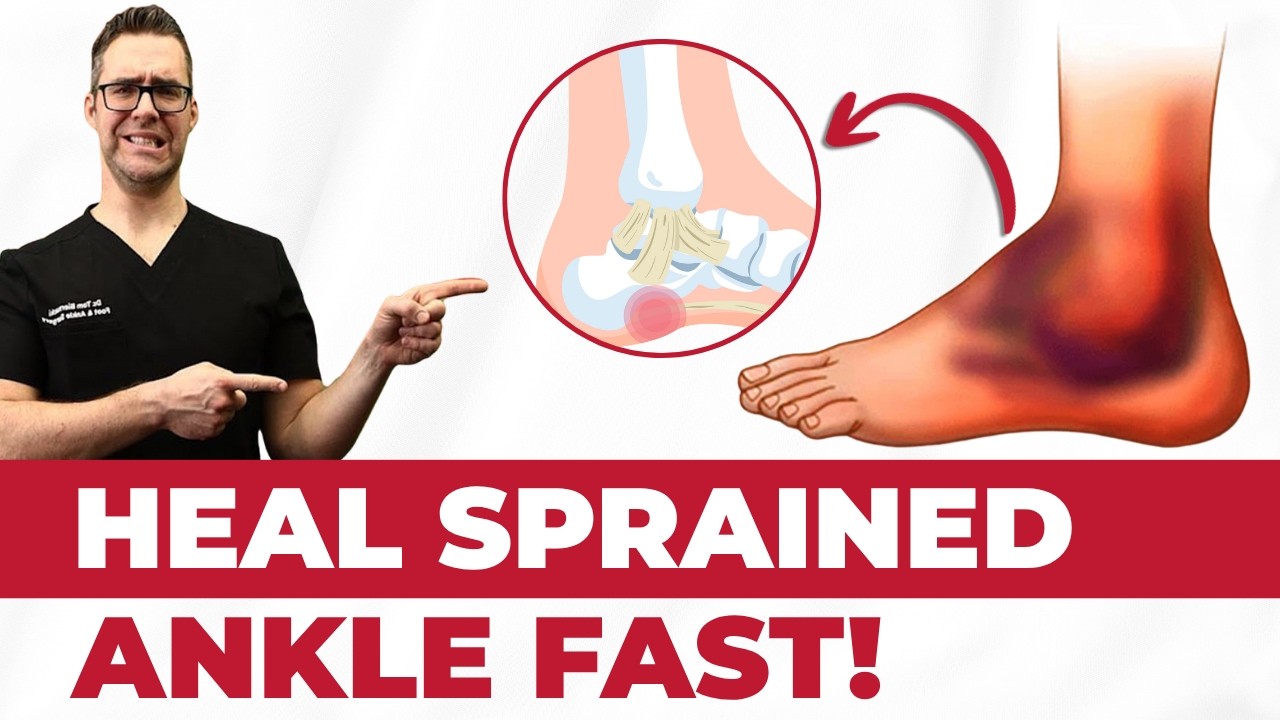
Nurse 12-Hour Shift Kit
Walk 5-7 miles per shift without the wreckage. Dr. Tom’s kit:
As an Amazon Associate, Balance Foot & Ankle earns from qualifying purchases. This supports our free patient education content.
Shock-absorbing support for hospital floors.
Forefoot offloading after 8+ hours.
Post-shift foot icing.
Topical pre-sleep foot relief.
Related: PF for Nurses · Shift Shoes · Book Same-Week Appointment
Frequently Asked Questions
When should I see a podiatrist?
If symptoms persist past 2 weeks, affect your normal activity, or are accompanied by red-flag symptoms (warmth, redness, swelling, inability to bear weight).
What does treatment cost?
Most diagnostic visits and conservative treatments are covered by Medicare and major insurers. Out-of-pocket costs vary by your specific plan.
APMA: Footwear for Healthcare Workers
How quickly can I get an appointment?
Most non-urgent cases see us within 5 business days. Urgent cases (sudden pain, possible fracture) typically same or next business day.
Get Expert Care at Balance Foot & Ankle
Same-week appointments at our Howell and Bloomfield Township offices. Board-certified podiatric surgeons. Most insurance accepted.

Dr. Tom Biernacki, DPM is a board-certified foot & ankle surgeon (ABFAS & ABPM) at Balance Foot & Ankle Specialists in Southeast Michigan. With over a decade of clinical experience, he specializes in heel pain, bunions, diabetic foot care, sports injuries, and minimally invasive surgery. Dr. Biernacki is a member of the APMA and ACFAS, and his patient education content on MichiganFootDoctors.com and YouTube has made him one of the most-followed foot & ankle educators on YouTube.