
Medically reviewed by Dr. Tom Biernacki, DPM
Board-certified podiatric surgeon | Balance Foot & Ankle, Howell & Bloomfield Township, MI
Last reviewed: May 2026
| Post-10K Foot Pain Location | Likely Cause | Immediate Treatment | See Podiatrist If |
|---|---|---|---|
| Heel / arch (worse first steps) | Plantar fasciitis | Ice, calf stretch, night splint | Pain >1 week or severe |
| Ball of foot / metatarsals | Metatarsalgia, stress reaction | Rest, ice, metatarsal pad | Localized bone pain, swelling |
| Back of heel (Achilles) | Achilles tendinopathy | Ice, eccentric stretching | Nodule, severe morning pain |
| Big toe joint | Sesamoiditis, turf toe | Rest, stiff-soled shoe | Pain on weight-bearing >3 days |
| Outer foot | Peroneal tendon irritation, 5th MT stress | Ice, ankle support brace | Pain on palpation of bone |
| Between 3rd/4th toes | Morton’s neuroma irritation | Wider shoe, metatarsal pad | Persistent numbness or burning |
| 10K Race Recovery Timeline | Activity | Goal |
|---|---|---|
| Day 1–2 | Rest, elevation, ice 3× daily, gentle foot massage | Reduce inflammation |
| Day 2–3 | Light walking, calf stretching, plantar fascia stretch | Maintain mobility |
| Day 4–5 | Easy walking, assess all pain levels | Return-to-run decision point |
| Day 5–7 | Short easy run (20–30 min) if pain-free | Resume training |
| Day 7+ | Podiatrist evaluation if any persistent pain | Rule out stress fracture, fascia tear |
Foot pain after a 10K usually points to mileage or surface intolerance, plantar fasciitis, or stress fracture risk — and the timing of when the pain peaks tells you which one.
You’re in the right place. Dr. Tom Biernacki, DPM, FACFAS — board-certified foot & ankle surgeon with 3,000+ surgeries — explains exactly what foot pain after running a 10K means and what works. Call (810) 206-1402 for same-day appointment at Howell or Bloomfield Township.
Quick answer: Foot Pain After Running 10k has multiple potential causes including mechanical, neurological, vascular, and inflammatory. The most common causes we identify are overuse, ill-fitting shoes, and biomechanical imbalance. Red flags requiring urgent evaluation: warmth/redness (infection), inability to bear weight (fracture), and unilateral swelling without injury (DVT). Call (810) 206-1402.
Medically Reviewed | Dr. Tom Biernacki, DPM | Board-Certified Podiatrist | Balance Foot & Ankle, Michigan
Watch: How to Cure Plantar Fasciitis in One Week? [FAST Heel Pain Relief!] — MichiganFootDoctors YouTube
The most important clinical decision with Foot Pain After Running 10K isn’t which treatment to start with — it’s identifying the correct subtype. That changes everything. Call (810) 206-1402.
Foot Pain After Running 10K: Quick Answer
Foot pain after a 10K (6.2 mile) race is common but should resolve within a week. We help dozens of 10K runners yearly at Balance Foot and Ankle. Here is the comprehensive 10K race recovery guide.
Why 10K Races Cause Foot Pain
10K race demands: 6.2 miles of running impact; 10,000-15,000 foot strikes; race-pace effort; cumulative race-day demands; sometimes harder than expected if not adequately trained; pre-race excitement leading to going out too fast. Bridge distance: Between 5K and half marathon; sometimes underestimated.
Normal Post-10K Foot Recovery
Expected symptoms: Generalized foot fatigue/soreness; mild swelling; calf tightness; sometimes blistering; minor toenail issues. Normal timeline: Worst day 1-3; gradual improvement over 5-7 days; full recovery typically by 1-2 weeks. Most runners: Back to training within 4-7 days.
Most Common Post-10K Foot Issues
1. Plantar fasciitis flare: Common. 2. Achilles tendinitis: From sustained running. 3. Stress reactions/fractures: Possible from cumulative training and race. 4. Black toenails: From shoe pressure. 5. Blisters: Common. 6. Heel pain: From impact. 7. Mortons neuroma: Forefoot pressure aggravation. 8. Tendon strains: Various tendons. 9. ITBand syndrome: Sometimes flares. 10. General foot fatigue: Universal.
Recovery Timeline
Day 1-3: Rest; ice for sore areas; elevation; compression socks; hydration; gentle walking only. Day 4-7: Gradual return to activity; pool walking excellent; cross-training; minor jogging only if no pain. Day 7-14: Easy jogging usually OK; quality runs return after 1-2 weeks. Week 2+: Most runners back to normal training; persistent pain needs evaluation.
First-Time 10K Runner Considerations
First 10K: Sometimes more foot pain than expected. Why: Inadequate training mileage; pre-race excitement leading to going out too fast; insufficient recovery built into training; sometimes inadequate footwear; underestimated distance. Prevention next time: Proper training plan with adequate long runs (at least 6-7 mile runs); race-pace practice; proper recovery; quality shoes broken in.
Race-Day Foot Care
Pre-race: Properly sized shoes (1/2 size larger); short well-trimmed nails; tape any hot spots preventively; quality moisture-wicking socks; address pre-race foot issues. During race: Watch pace early; address developing blisters at aid stations if possible; hydrate properly. Post-race: Immediate ice/elevation if able; foot inspection; address blisters; rehydrate; quality nutrition.
When to Resume Training
General guidelines: Easy jogging week 1; moderate runs week 2; quality workouts week 2+; long runs return gradually. Listen to body: Pain at 1-2 weeks needs evaluation; dont push through significant pain; back off if pain develops with running. Multi-race training: Some runners do back-to-back races – need adequate recovery between.
When 10K Pain Indicates Issue
RED FLAGS: Localized pinpoint pain (rule out stress fracture); pain progressing rather than improving over week 1; cant bear weight; visible deformity; persistent severe pain; pain that wakes you at night; recurring patterns with each race. Most pain: resolves with conservative care; persistent pain needs evaluation.
Multi-10K Race Schedule
Frequent 10K racers: Sometimes monthly or more. Considerations: Cumulative effects; sometimes overtraining; address chronic conditions developing; sometimes need to space races; foot care critical between races. For competitive 10K runners: Foot care critical for racing schedule.
When to See a Podiatrist
See us if: foot pain persists more than 1-2 weeks post-10K; suspected stress fracture (localized pinpoint pain); recurring race-related foot pain; need pre-race evaluation for next 10K; need orthotic evaluation; chronic conditions limiting racing; need running shoe analysis. Same-week appointments at Balance Foot and Ankle. Schedule online.
Podiatrist-Recommended Products


Frequently Asked Questions About Foot Pain After Running 10K
Is foot pain after a 10K normal?
YES – generalized foot fatigue/soreness; mild swelling; calf tightness normal. Worst day 1-3; gradual improvement over 5-7 days; full recovery typically by 1-2 weeks. Most runners back to training within 4-7 days.
How do I recover from a 10K?
Day 1-3: rest, ice, elevation, compression socks, hydration, gentle walking only. Day 4-7: gradual activity return, pool walking, cross-training. Day 7-14: easy jogging usually OK. Week 2+: most runners back to normal training.
When can I run again after a 10K?
Easy jogging week 1; moderate runs week 2; quality workouts week 2+; long runs return gradually. Listen to body – persistent pain needs evaluation; dont push through significant pain.
Why is my first 10K so hard?
Often inadequate training mileage; pre-race excitement leading to going out too fast; insufficient recovery built into training; sometimes inadequate footwear; underestimated distance. Prevention: proper training with adequate long runs (6-7 mile runs).
Should I worry about stress fracture after a 10K?
POSSIBLE – especially with insufficient training. RED FLAGS: localized pinpoint pain; pain progressing rather than improving; pain with walking; visible swelling persisting; pain at night. MRI gold standard for diagnosis if suspected.
How often can I race 10Ks?
Variable. Frequent racers sometimes monthly or more. Considerations: cumulative effects; sometimes overtraining; address chronic conditions developing; sometimes need to space races; foot care critical between races.
When should I see a podiatrist after a 10K?
Foot pain persists more than 1-2 weeks post-10K; suspected stress fracture; recurring race-related foot pain; need pre-race evaluation for next 10K; need orthotic evaluation; chronic conditions limiting racing; need running shoe analysis.
Related Resources from Balance Foot & Ankle
Still Dealing With Foot Pain After Running 10K?
Same-week appointments at Balance Foot & Ankle in Howell & Bloomfield Township, MI.
Book Your AppointmentFrequently Asked Questions
Podiatrist-Recommended Products
These are the products Dr. Tom recommends most often in his clinic at Balance Foot & Ankle for lasting foot pain relief:
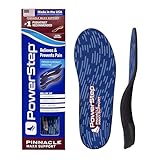
- PowerStep Pinnacle Arch Support Insoles — #1 clinic recommendation for arch support and heel pain relief
- Doctor Hoy’s Natural Pain Relief Gel — Fast-acting topical relief used and trusted by podiatrists
- CURREX RunPro Insoles — Dynamic arch profile for active patients and runners
As an Amazon Associate, Balance Foot & Ankle earns from qualifying purchases. These recommendations reflect genuine clinical use.
In-Office Treatment at Balance Foot & Ankle
If home treatment isn’t providing relief for your foot pain after running 10k, our podiatry team at Balance Foot & Ankle can help with same-day evaluations and advanced in-office care.
PubMed: Foot Pain After Running — Causes and Treatment
Ready to Get Relief?
Same-day appointments available in Howell & Bloomfield Township, MI
4.9★ | 1,123 Reviews | 3,000+ Surgeries
Or call: (810) 206-1402

Dr. Tom Biernacki, DPM is a board-certified foot & ankle surgeon (ABFAS & ABPM) at Balance Foot & Ankle Specialists in Southeast Michigan. With over a decade of clinical experience, he specializes in heel pain, bunions, diabetic foot care, sports injuries, and minimally invasive surgery. Dr. Biernacki is a member of the APMA and ACFAS, and his patient education content on MichiganFootDoctors.com and YouTube has made him one of the most-followed foot & ankle educators on YouTube.