
Medically reviewed by Dr. Tom Biernacki, DPM
Board-certified podiatric surgeon | Balance Foot & Ankle, Howell & Bloomfield Township, MI
Last reviewed: May 2026

| Spinal Level | Foot/Ankle Symptom | Recovery Timeline | Podiatric Management |
|---|---|---|---|
| L3–L4 nerve root | Anterior thigh + medial leg + knee extension weakness | 3–12 months | AFO if quad weakness; orthotic for gait |
| L4–L5 nerve root | Foot drop; numbness dorsum of foot; big toe weakness | 3–18 months | AFO; peroneal FES; physical therapy |
| L5–S1 nerve root | Lateral foot numbness; plantarflexion weakness; Achilles reflex loss | 3–12 months | Heel lift; plantar fasciitis prevention; orthotics |
| Multiple level compression | Mixed symptoms; cauda equina if severe | Highly variable | Comprehensive podiatric + neurosurgery coordination |
| Post-Spine Surgery Foot Concern | Normal or Seek Help? | Action |
|---|---|---|
| Numbness unchanged at 6 weeks | Normal — nerves recover slowly | Continue PT; reassess at 3 months |
| Numbness worsening after initial improvement | Abnormal — re-evaluation needed | Contact spine surgeon promptly |
| New foot drop that wasn’t present pre-op | Abnormal — possible surgical complication | Urgent spine surgeon contact |
| Painful burning feet at rest | May be normal nerve recovery | Discuss with surgeon; neuropathic pain meds if needed |
| Foot swelling post-op | Normal — DVT must be ruled out | Urgent Doppler ultrasound if significant/new swelling |
Quick answer: Foot Pain After Spine Surgery has multiple potential causes including mechanical, neurological, vascular, and inflammatory. The most common causes we identify are overuse, ill-fitting shoes, and biomechanical imbalance. Red flags requiring urgent evaluation: warmth/redness (infection), inability to bear weight (fracture), and unilateral swelling without injury (DVT). Book online or call (810) 206-1402.
Medically Reviewed | Dr. Tom Biernacki, DPM | Board-Certified Podiatrist | Balance Foot & Ankle, Michigan
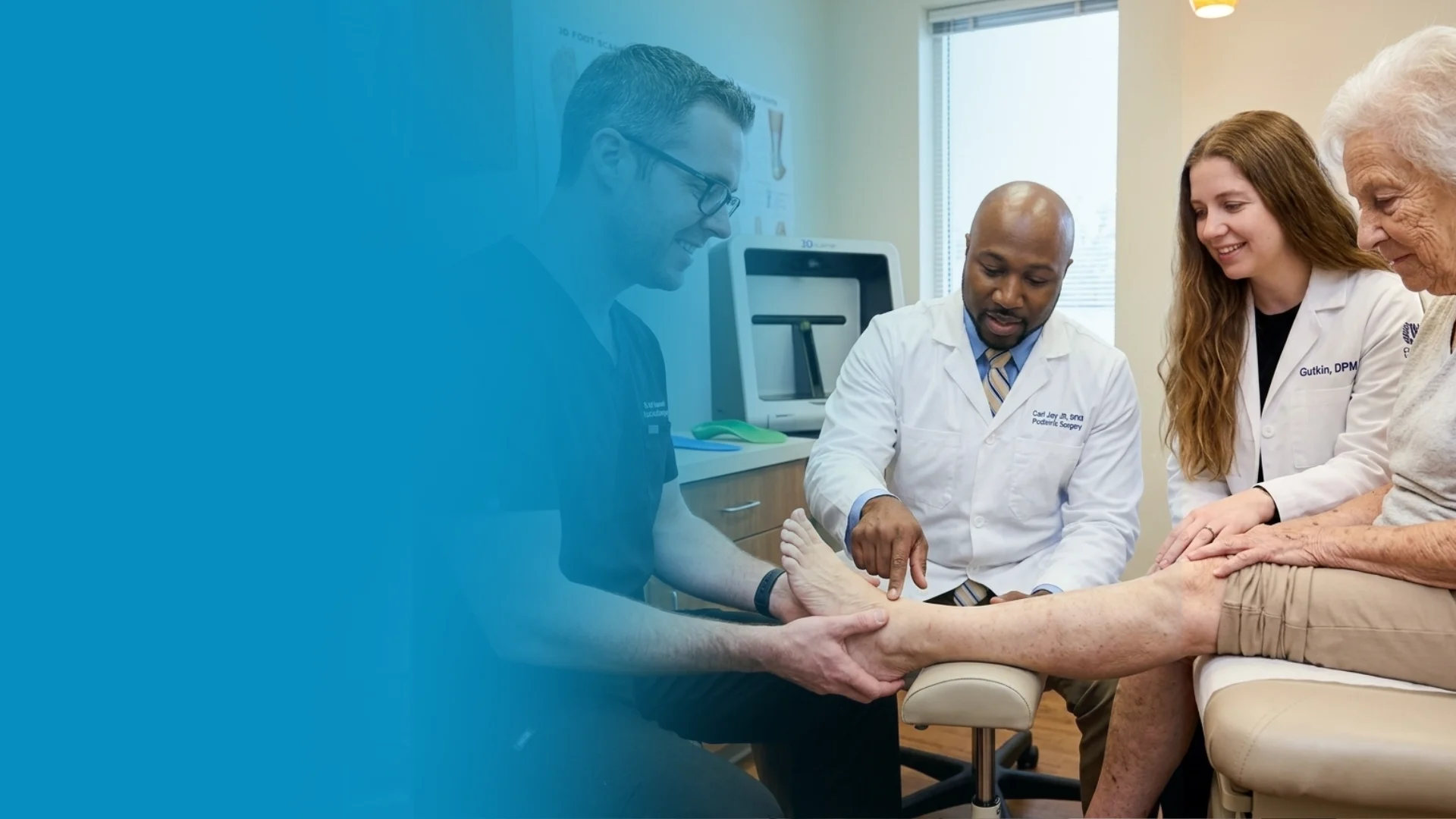
![How to Cure Plantar Fasciitis in One Week? [FAST Heel Pain Relief!]](https://www.michiganfootdoctors.com/wp-content/cache/flying-press/b5600c3bfb9845a6095da8266d8b5363.jpg)
Watch: How to Cure Plantar Fasciitis in One Week? [FAST Heel Pain Relief!] — MichiganFootDoctors YouTube
The most important clinical decision with Foot Pain After Spine Surgery isn’t which treatment to start with — it’s identifying the correct subtype. That changes everything. Call (810) 206-1402.
Foot Pain After Spine Surgery: Quick Answer
Foot pain after spine surgery (lumbar fusion, laminectomy, etc.) has multiple causes – residual nerve issues, gait changes, and revealed foot conditions. We help dozens of post-spine-surgery patients yearly at Balance Foot and Ankle. Here is the comprehensive post-spine-surgery foot care guide.
Why Spine Surgery Affects Feet
Post-spine surgery foot effects: Sometimes incomplete nerve recovery; sometimes new nerve issues; gait changes during healing; sometimes weakness; sometimes residual sciatica; activity changes; foot conditions previously masked by back/leg pain become apparent. Common scenario: Back/leg pain improved, foot symptoms persist or new ones appear.
Most Common Post-Spine-Surgery Foot Issues
1. Residual nerve symptoms: Sometimes incomplete recovery from compression. 2. New nerve symptoms: Sometimes from surgery itself. 3. Foot drop: Sometimes persistent or new. 4. Numbness: Pre-existing or new. 5. Plantar fasciitis (from gait changes): Common. 6. Old foot conditions revealed: Previously masked by back pain. 7. DVT risk: Post-surgical concern. 8. Reduced exercise tolerance: Initially. 9. Stress fractures: From increased activity. 10. Compensation patterns: Various.
Foot Drop After Spine Surgery
Foot drop: Sometimes persistent or new after spine surgery. Symptoms: Toe-catching/tripping; high stepping gait; foot slap upon landing. Treatment: AFO (ankle-foot orthosis); FES (functional electrical stimulation); physical therapy; sometimes tendon transfer surgery if no recovery. Recovery: Variable; some recover with time; some need permanent management.
Residual Nerve Symptoms
Post-spine surgery nerve symptoms: Common. Symptoms: Continued numbness; tingling; weakness; sometimes burning; pre-existing pattern persists. Recovery: Variable; some recover months-years; some chronic. Management: Standard neuropathy treatment; physical therapy; sometimes additional surgery; address foot care needs.
Increased Activity Post-Spine Surgery
Post-spine activity surge: Common as back/leg pain improves. Pattern: Patient could barely walk pre-surgery; now wants to be very active; foot conditioning hasnt caught up. Foot consequences: Plantar fasciitis; stress fractures possible; foot fatigue. Prevention: Gradual activity progression; quality footwear; address foot conditions; sometimes orthotics needed.
Pre-Existing Foot Conditions Revealed
Common scenario: Back/leg pain dominated symptoms; foot conditions present but not bothersome; post-surgery activity reveals foot conditions. Examples: Plantar fasciitis; bunions; Mortons neuroma; chronic ankle issues; heel fat pad atrophy. Approach: Address foot conditions; sometimes need orthotic evaluation; quality footwear.
Best Footwear Post-Spine Surgery
Recommendations: Quality cushioned supportive shoes; sometimes easy on/off (helpful with back precautions); address gait changes. Top picks: Hoka Bondi 8 (max cushion); Brooks Glycerin 21; Vionic Tide; slip-on supportive shoes if back precautions limit reaching feet. For foot drop: Sometimes need AFO accommodation in shoes; ortho/medical shoes sometimes needed.
Custom Orthotics Post-Spine Surgery
Post-spine surgery orthotic considerations: Address gait changes; address pre-existing foot conditions revealed; sometimes accommodate residual nerve symptoms; address foot pain limiting rehabilitation. For foot drop: AFO often needed; coordinate with PT and orthopedic team. Many post-spine patients benefit: From comprehensive foot evaluation.
DVT Risk Post-Spine Surgery
DVT risk: Major concern after spine surgery. RED FLAGS: Calf pain (often unilateral); calf swelling; warmth; redness; sometimes shortness of breath (PE – emergency). Prevention: Early mobilization (when allowed); compression stockings; sometimes prophylactic anticoagulation; ankle pump exercises. Monitor: Especially first 6 weeks post-surgery.
When to See a Podiatrist
See us if: post-spine-surgery foot pain affecting rehabilitation; suspected foot drop needing AFO; residual nerve symptoms; need orthotic evaluation; pre-existing foot conditions revealed; suspected stress fracture; persistent post-surgical foot swelling; need foot care guidance. Same-week appointments at Balance Foot and Ankle. Coordinate with neurosurgery/orthopedic team: For comprehensive recovery. Schedule online.
Podiatrist-Recommended Products


Frequently Asked Questions About Foot Pain After Spine Surgery
Why do my feet still hurt after spine surgery?
Sometimes incomplete nerve recovery; sometimes new nerve issues; gait changes during healing; sometimes weakness; sometimes residual sciatica; activity changes; foot conditions previously masked by back/leg pain become apparent.
Why do I have foot drop after spine surgery?
Sometimes persistent from compression; sometimes new from surgery itself. Symptoms: toe-catching/tripping; high stepping gait; foot slap upon landing. Treatment: AFO; FES; physical therapy; sometimes tendon transfer surgery if no recovery.
Will my foot numbness recover after spine surgery?
VARIABLE. Some recover months-years; some chronic. Management: standard neuropathy treatment; physical therapy; sometimes additional surgery; address foot care needs. Realistic expectations: not all symptoms always recover fully.
Why did my foot pain develop after spine surgery?
Pre-existing foot conditions revealed by increased activity. Common: plantar fasciitis; bunions; Mortons neuroma; chronic ankle issues. Approach: address foot conditions; sometimes orthotic evaluation; quality footwear.
What shoes should I wear after spine surgery?
Quality cushioned supportive shoes; sometimes easy on/off (helpful with back precautions): Hoka Bondi 8 (max cushion); Brooks Glycerin 21; Vionic Tide. For foot drop: sometimes need AFO accommodation; ortho/medical shoes sometimes needed.
Do I need orthotics after spine surgery?
OFTEN beneficial. Address gait changes; address pre-existing foot conditions revealed; sometimes accommodate residual nerve symptoms. For foot drop: AFO often needed. Coordinate with PT and orthopedic team.
When should I see a podiatrist after spine surgery?
Post-spine-surgery foot pain affecting rehabilitation; suspected foot drop needing AFO; residual nerve symptoms; need orthotic evaluation; pre-existing foot conditions revealed; suspected stress fracture; persistent post-surgical foot swelling.
Related Resources from Balance Foot & Ankle
Still Dealing With Foot Pain After Spine Surgery?
Same-week appointments at Balance Foot & Ankle in Howell & Bloomfield Township, MI.
Book Your Appointment⚕ Doctor Recommended
Doctor Hoy’s Natural Pain ReliefTopical relief for foot & ankle pain
View Product →Frequently Asked Questions
Podiatrist-Recommended Products
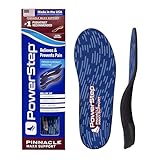
These are the products Dr. Tom recommends most often in his clinic at Balance Foot & Ankle for lasting foot pain relief:
- PowerStep Pinnacle Arch Support Insoles — #1 clinic recommendation for arch support and heel pain relief
- Doctor Hoy’s Natural Pain Relief Gel — Fast-acting topical relief used and trusted by podiatrists
- CURREX RunPro Insoles — Dynamic arch profile for active patients and runners
As an Amazon Associate, Balance Foot & Ankle earns from qualifying purchases. These recommendations reflect genuine clinical use.
What is Foot pain?
Foot pain is a common foot/ankle condition that affects mobility and quality of life. Understanding the underlying cause is the first step in successful treatment. Our podiatrists at Balance Foot & Ankle perform a hands-on biomechanical exam, review your activity history, and use diagnostic imaging when appropriate to identify the root cause—not just treat the symptom. Many patients have been told to “rest and ice” without a deeper diagnostic workup; our approach is different.
Symptoms and warning signs
Common signs of foot pain include pain that worsens with activity, morning stiffness, swelling, tenderness when palpated, and difficulty bearing weight. If you experience sudden severe pain, inability to walk, visible deformity, numbness or color change, contact our office the same day or visit urgent care—these can signal a more serious injury such as a fracture, tendon rupture, or vascular compromise. Diabetics with any foot wound should seek same-day care.
Conservative treatment options
Most cases of foot pain respond to non-surgical care: structured rest, supportive footwear changes, custom orthotics, targeted stretching and strengthening protocols, anti-inflammatory medications when medically appropriate, and in-office procedures such as ultrasound-guided injections. We also offer advanced therapies including MLS laser therapy, EPAT/shockwave, regenerative injections, and image-guided procedures. Treatment is sequenced from least invasive to most invasive, and we explain the rationale at every step.
When is surgery considered?
Surgery is reserved for cases that fail 3-6 months of well-structured conservative care, when there is structural pathology (severe deformity, complete tear, advanced arthritis), or when imaging shows damage that will not heal without intervention. Our surgeons have performed 3,000+ foot and ankle procedures and prioritize minimally-invasive techniques whenever appropriate. We discuss recovery timelines, return-to-activity milestones, and realistic outcome expectations before any procedure is scheduled.
Recovery timeline and prevention
Recovery from foot pain varies based on severity and chosen treatment path. Conservative cases often improve within 4-8 weeks with consistent adherence to the protocol. Post-procedural recovery may range from a few days (in-office procedures) to several months (reconstructive surgery). Long-term prevention involves footwear assessment, activity modification, structured strengthening, and regular check-ins with your podiatrist if you have a history of recurrence. We provide written home-exercise plans and digital follow-up support.
Ready to feel better?
Same-week appointments available in Howell and Bloomfield Township, Michigan.
Book Your VisitIn-Office Treatment at Balance Foot & Ankle
If home treatment isn’t providing relief for your foot pain after spine surgery, our podiatry team at Balance Foot & Ankle can help with same-day evaluations and advanced in-office care.
APMA: Foot Pain After Activities — Causes and Relief
Ready to Get Relief?
Same-day appointments available in Howell & Bloomfield Township, MI
4.9★ | 1,123 Reviews | 3,000+ Surgeries
Or call: (810) 206-1402

Dr. Tom Biernacki, DPM is a board-certified foot & ankle surgeon (ABFAS & ABPM) at Balance Foot & Ankle Specialists in Southeast Michigan. With over a decade of clinical experience, he specializes in heel pain, bunions, diabetic foot care, sports injuries, and minimally invasive surgery. Dr. Biernacki is a member of the APMA and ACFAS, and his patient education content on MichiganFootDoctors.com and YouTube has made him one of the most-followed foot & ankle educators on YouTube.