
Medically reviewed by Dr. Tom Biernacki, DPM
Board-certified podiatric surgeon | Balance Foot & Ankle, Howell & Bloomfield Township, MI
Last reviewed: May 2026
| Factor | Mechanism of Foot/Ankle Problem | Prevention |
|---|---|---|
| Airport walking (1–4 miles) | Hard marble/concrete; overload vs. daily activity | Cushioned supportive shoes; OTC orthotic; arrive early to avoid rushing |
| Prolonged seating in-flight | Calf pump inactivity → dependent edema | Compression socks; ankle pumps every 30–60 min; aisle seat |
| Dehydration | Plasma volume contraction worsens edema | Hydrate before + during flight; avoid alcohol |
| Low cabin pressure + dry air | Mild fluid shifts; exacerbates pre-existing edema | Compression socks; hydration |
| Carry-on luggage weight | Altered gait mechanics; unilateral load | Rolling luggage; backpack instead of shoulder bag; check bags if able |
| Pre-existing venous insufficiency | Pooling dramatically worsened by inactivity | Medical-grade compression (20–30 mmHg); discuss with physician |
| Symptom Pattern | Likely Cause | Action |
|---|---|---|
| Bilateral puffy ankles; resolves with walking + elevation | Benign dependent edema — very common | Elevation; compression socks; walk; monitor |
| Arch/heel pain worse first morning step after trip | Plantar fasciitis flare from airport walking | Rest; stretch; supportive footwear; ice |
| Ball-of-foot burning after long terminal walk | Metatarsalgia from hard floors + inadequate shoes | Metatarsal pad; cushioned shoes; rest 2–3 days |
| Unilateral calf swelling + tenderness after long flight | DVT — must rule out | Emergency evaluation if persists; duplex ultrasound |
| Shortness of breath + leg swelling after flight | Pulmonary embolism — emergency | Call 911 immediately |
| Foot/ankle swelling in diabetic traveler | May mask underlying infection or Charcot | Inspect feet carefully; podiatry eval if persists >24–48 hours |
You are in the right place. Dr. Tom Biernacki, DPM, FACFAS — board-certified foot & ankle surgeon with 3,000+ surgeries — explains exactly what foot pain after traveling/airport means and what actually works. Call (810) 206-1402 for a same-week appointment at our Howell or Bloomfield Township office.
Quick answer: Foot Pain After Traveling Airport has multiple potential causes including mechanical, neurological, vascular, and inflammatory. The most common causes we identify are overuse, ill-fitting shoes, and biomechanical imbalance. Red flags requiring urgent evaluation: warmth/redness (infection), inability to bear weight (fracture), and unilateral swelling without injury (DVT). Call (810) 206-1402.
![How to Cure Plantar Fasciitis in One Week? [FAST Heel Pain Relief!]](https://www.michiganfootdoctors.com/wp-content/cache/flying-press/b5600c3bfb9845a6095da8266d8b5363.jpg)
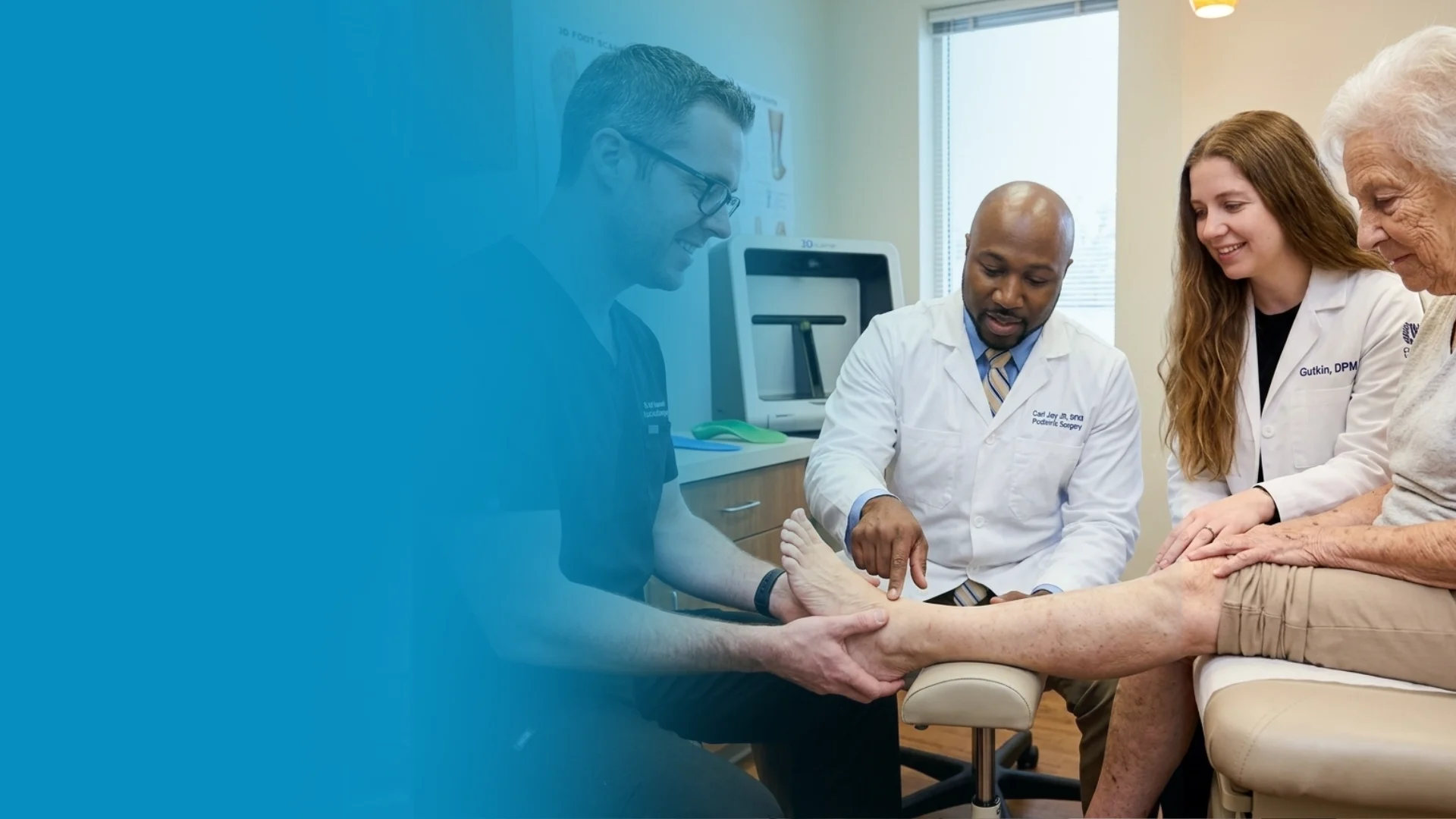
Watch: How to Cure Plantar Fasciitis in One Week? [FAST Heel Pain Relief!] — MichiganFootDoctors YouTube
Foot Pain After Airport Travel: Quick Answer
Airport travel days cause significant foot pain – hours of walking through terminals, prolonged sitting in airplanes, often inappropriate shoes for the demand. We help dozens of frequent travelers yearly at Balance Foot and Ankle. Here is the comprehensive prevention and recovery guide.
Why Airport Travel Causes Foot Pain
Travel-day demands: 2-5 miles walking through large airports; security lines (standing); often inappropriate travel shoes; carrying carry-on bags; long flight sitting reduces circulation; arrival exhaustion; sometimes long international travel; multi-airport connections. Combined with vacation walking: total foot stress can be enormous.
Most Common Travel Foot Issues
1. Plantar fasciitis flare: From hard airport floors and inadequate shoes. 2. Achilles tightness: From sustained sitting on plane. 3. Foot/ankle swelling: Common in long flights. 4. Blisters: From carrying bags and walking distances. 5. Bunion/hammertoe pain: Pre-existing deformities aggravated. 6. DVT (rare but serious): Long flight risk. 7. Foot fatigue: General overuse from travel demands.
Best Travel Shoes
Top considerations: Comfortable for hours of walking; security-friendly (slip on/off); supportive enough for airport demands; not bulky for travel. Recommendations: Vionic Walker (slip-on with arch support); Hoka Bondi 8 (max cushion); Skechers Slip-Ins (super easy on/off); Birkenstock Arizona (with arch support); Allbirds (some models with adequate support). Avoid: high heels; flip-flops; ballet flats; new uncomfortable shoes.
DVT Prevention During Long Flights
RED FLAGS for DVT: Calf pain (often unilateral); swelling; warmth; redness in calf; pain with walking; sometimes shortness of breath (PE). Same-day evaluation if suspected. Prevention: Walk every 60-90 minutes during long flights; calf raises in seat; ankle circles; hydration; avoid alcohol; compression stockings (15-20 mmHg) for flights over 4 hours; aspirin for high-risk patients (discuss with PCP).
Pre-Travel Foot Care
1-2 weeks before travel: Get fitted for appropriate travel shoes; address pre-existing foot conditions; ensure custom orthotics fit travel shoes; foot care kit prepared. Day of departure: Wear comfortable travel shoes; pack supportive backup shoes; foot care kit accessible; hydration plan; compression socks ready.
In-Flight Foot Care
1. Ankle pumps: 20 reps every hour. 2. Calf raises in seat: 20 reps every hour. 3. Walk aisle: every 60-90 minutes. 4. Hydration: 8 oz water per hour; avoid alcohol/caffeine. 5. Compression socks: 15-20 mmHg for flights over 4 hours. 6. Supportive shoes during flight: dont remove shoes for entire flight (feet swell and shoes wont fit afterward). 7. Aisle seat: easier movement.
Post-Travel Recovery
Within 24 hours of arrival: 1. Elevation: feet above heart 20-30 minutes multiple times. 2. Ice: 15-20 minutes for sore areas. 3. Compression socks during recovery. 4. Foot massage: spiky ball or hands. 5. Gentle calf and plantar fascia stretching. 6. Hydration. 7. Hot Epsom bath if relaxing. 8. Sleep adequately. If pain persists 1-2 days: consider treatment escalation.
Frequent Traveler Strategies
Business travelers and frequent flyers: Custom orthotics for primary travel shoes; quality compression socks always packed; supportive backup shoes always; foot care kit standard; pre-trip foot evaluation if chronic conditions; address recurring travel foot pain with podiatrist; consider lounge access for foot rest opportunities.
When to See a Podiatrist
See us if: travel-related foot pain persists 1+ week after trip; chronic foot pain that flares with travel; need for custom orthotic evaluation specifically for travel; pre-trip evaluation for international or extensive travel planned; suspected DVT (urgent); persistent leg/foot swelling beyond 24-48 hours after long flight. Same-week appointments at Balance Foot and Ankle. Schedule online.
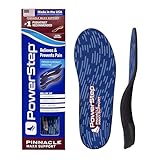
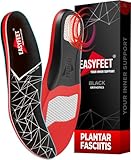
Podiatrist-Recommended Products


Frequently Asked Questions About Foot Pain After Airport Travel
Why do my feet hurt after airport travel?
Multiple causes: hours of walking through terminals; prolonged sitting on plane; often inappropriate travel shoes; carrying bags; airport floors hard; long flights cause swelling. Combined with vacation walking: significant total foot stress.
What shoes are best for airport travel?
Comfortable supportive slip-on shoes: Vionic Walker; Hoka Bondi 8; Skechers Slip-Ins; Birkenstock Arizona. Easy security removal; supportive for terminal walking; comfortable for hours.
Should I worry about a blood clot from flying?
DVT risk increases with flights over 4 hours. RED FLAGS: calf pain (often unilateral); swelling; warmth; redness; sometimes shortness of breath. Same-day evaluation if suspected. Prevention: hydration, walking, compression socks.
How can I prevent foot pain when flying?
Walk every 60-90 minutes; ankle pumps and calf raises in seat; hydration (avoid alcohol); compression socks for flights over 4 hours; supportive travel shoes; aisle seat for easier movement.
Are compression socks necessary for flying?
Recommended for flights over 4 hours. 15-20 mmHg compression reduces swelling and DVT risk. Higher compression (20-30 mmHg) for high-risk travelers or those with prior DVT.
How do I recover from a long travel day?
Within 24 hours: elevation; ice; compression socks; foot massage; gentle stretching; hydration; sleep. If pain persists beyond 1-2 days: more intensive treatment may be needed.
When should I see a podiatrist about travel foot pain?
Pain persists 1+ week after trip; chronic foot pain flares with travel; need orthotic evaluation specifically for travel; pre-trip evaluation for international travel; suspected DVT (urgent); persistent leg/foot swelling beyond 48 hours.
Related Resources from Balance Foot & Ankle
- Foot Pain After Flying
- Compression Socks for Feet
- Foot Pain After Walking Long Distances
- Best Walking Shoes
Still Dealing With Foot Pain After Airport Travel?
Same-week appointments at Balance Foot & Ankle in Howell & Bloomfield Township, MI.
Book Your Appointment⚕ Doctor Recommended
Doctor Hoy’s Natural Pain ReliefTopical relief for foot & ankle pain
View Product →Ready to fix this for good?
Reading goes only so far. The fastest path to relief is a 30-minute office visit with Dr. Biernacki — same-week, Howell or Bloomfield Township. Call (810) 206-1402 or use our online booking.
In-Office Treatment at Balance Foot & Ankle
If home treatment isn’t providing relief for your activity or footwear-related foot pain, our podiatry team at Balance Foot & Ankle can help with same-week evaluations and advanced in-office care.
APMA: Foot Pain After Activities — Causes and Relief
Ready to Get Relief?
Same-week appointments available in Howell & Bloomfield Township, MI
4.9★ | 1,123 Reviews | 3,000+ Surgeries
Or call: (810) 206-1402

Dr. Tom Biernacki, DPM is a board-certified foot & ankle surgeon (ABFAS & ABPM) at Balance Foot & Ankle Specialists in Southeast Michigan. With over a decade of clinical experience, he specializes in heel pain, bunions, diabetic foot care, sports injuries, and minimally invasive surgery. Dr. Biernacki is a member of the APMA and ACFAS, and his patient education content on MichiganFootDoctors.com and YouTube has made him one of the most-followed foot & ankle educators on YouTube.