
Medically reviewed by Dr. Tom Biernacki, DPM
Board-certified podiatric surgeon | Balance Foot & Ankle, Howell & Bloomfield Township, MI
Last reviewed: May 2026

| Condition | Pain Pattern | Point Tender? | X-Ray Diagnosis? | Recovery Time |
|---|---|---|---|---|
| General walking fatigue | Diffuse; bilateral; resolves in 12–24 hrs with rest | No — diffuse | N/A — not an injury | 1–2 days rest |
| Plantar fasciitis | Heel/arch; worst first morning step; improves then worsens with activity | Medial calcaneal tubercle | Normal (may show heel spur) | 6–12 weeks with treatment |
| Metatarsalgia | Ball-of-foot aching; worse toe-off; forefoot burning | Diffuse MT heads | Normal | 2–6 weeks with offloading |
| Metatarsal stress fracture | Progressive focal dorsal aching; point tender on one bone | Yes — single metatarsal | Negative early; MRI needed | 6–10 weeks offloading |
| Achilles tendinopathy | Posterior heel/ankle; morning stiffness; warms up then returns | Tendon body or insertion | Normal (may show calcification) | 8–12 weeks with eccentric protocol |
| Tibial stress fracture | Shin pain with walking; worse with impact | Tibial shaft | Often negative early; MRI | 6–12 weeks |
| Walking Volume | Risk Level | Key Precaution |
|---|---|---|
| <5,000 steps/day (baseline) | Low at this volume | Build volume gradually; no more than 10% increase/week |
| 5,000–10,000 steps/day | Low to moderate — normal active range | Supportive footwear; check for worn shoes |
| 10,000–15,000 steps/day | Moderate — train up to this level | Do not spike to this level without 4–6 weeks gradual build |
| 15,000–20,000 steps/day | High — theme parks, tourist days, job demands | Maximum cushion shoes; orthotics; compression socks |
| >20,000 steps/day | Very high — overuse injury territory for most people | Multi-day limit; scheduled rest; podiatry eval if recurring |
You are in the right place. Dr. Tom Biernacki, DPM, FACFAS — board-certified foot & ankle surgeon with 3,000+ surgeries — explains exactly what foot pain from walking too much means and what actually works. Call (810) 206-1402 for a same-week appointment at our Howell or Bloomfield Township office.
Quick answer: Foot Pain From Walking Too Much has multiple potential causes including mechanical, neurological, vascular, and inflammatory. The most common causes we identify are overuse, ill-fitting shoes, and biomechanical imbalance. Red flags requiring urgent evaluation: warmth/redness (infection), inability to bear weight (fracture), and unilateral swelling without injury (DVT). Call (810) 206-1402.
Medically Reviewed | Dr. Tom Biernacki, DPM | Board-Certified Podiatrist | Balance Foot & Ankle, Michigan
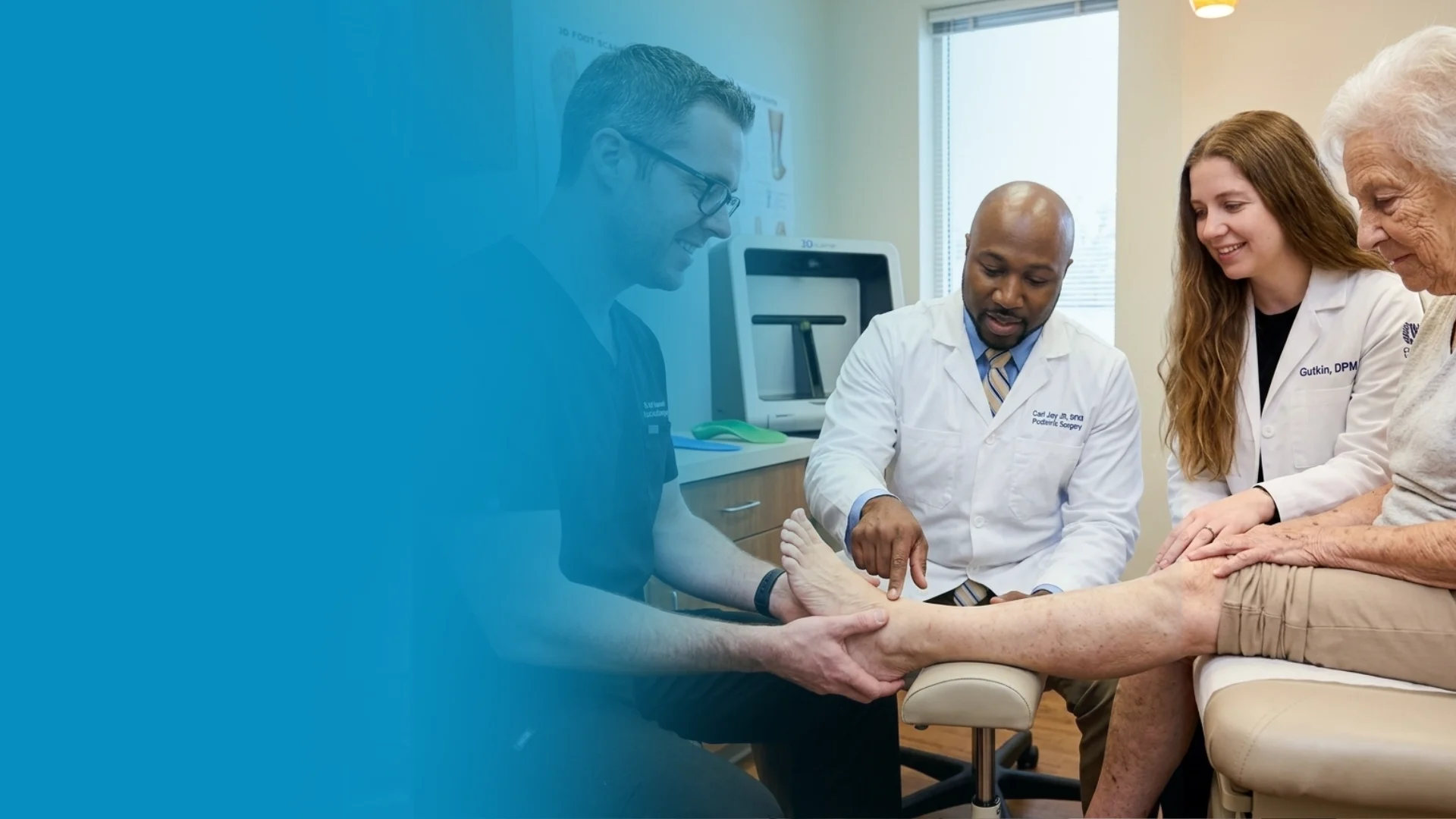
![How to Cure Plantar Fasciitis in One Week? [FAST Heel Pain Relief!]](https://www.michiganfootdoctors.com/wp-content/cache/flying-press/b5600c3bfb9845a6095da8266d8b5363.jpg)
Watch: How to Cure Plantar Fasciitis in One Week? [FAST Heel Pain Relief!] — MichiganFootDoctors YouTube
Foot Pain From Walking Too Much: Quick Answer
Excessive walking causes foot pain in most people – and even healthy fit individuals can develop problems from sudden walking volume increases. We help dozens of patients yearly at Balance Foot and Ankle with overuse foot injuries. Here is the comprehensive recovery and prevention guide.
What “Too Much Walking” Means
Highly individual: depends on conditioning, footwear, terrain, body weight. For unconditioned adults: 10,000+ steps per day suddenly can cause problems. For seasoned walkers: 20,000+ steps may be problematic if sudden increase. Vacation walking often 15-25,000 steps daily – far above usual. Theme park days: 20,000-30,000 steps common. Sudden 50%+ increases from baseline cause overuse injuries even in active people.
Most Common Overuse Injuries
1. Plantar fasciitis: Most common from sudden walking volume; especially without supportive shoes. 2. Metatarsalgia: Forefoot pain from prolonged standing/walking. 3. Achilles tendinitis: From sudden activity increase; tight calves contribute. 4. Stress fracture: Less common but possible after very sudden mileage increase. 5. Ankle/foot tendon injuries: Various tendons can become inflamed. 6. Knee/hip pain: Compensatory pain from foot mechanics.
Recovery Strategy
Acute (24-72 hours): 1. Rest from walking activities. 2. Ice 15-20 minutes 3-4x daily. 3. Elevation above heart level. 4. Compression socks. 5. NSAIDs short-term. 6. Foot massage (spiky ball, frozen water bottle). 7. Hydration. Subacute (3-7 days): Gradual return to walking; supportive shoes; daily stretching; address pain that persists. If pain persists beyond 1 week: see podiatrist for evaluation.
Prevention for Future Walking Activities
1. Gradual buildup: Increase walking volume 10-20% per week (more than running 10% rule allows). 2. Quality footwear: appropriate for distance and terrain. 3. Custom orthotics if you have them. 4. Pre-walk stretching: 5-10 minutes calf and plantar fascia. 5. Foot conditioning: intrinsic foot strengthening. 6. Cross-training: not all activity should be walking. 7. Rest days: at least 1-2 per week. 8. Address pain early: dont push through.
Vacation Walking Pre-Trip Strategy
4-8 weeks before trip: Address pre-existing foot conditions; get fitted for appropriate shoes; consider custom orthotics if not already; pre-trip conditioning hikes/walks. 2-4 weeks before trip: Build walking endurance gradually; break in any new shoes; foot care kit prepared. Day of departure: Comfortable shoes for travel; foot care kit packed; supportive backup shoes packed.
Theme Park Day Strategy
Disney/Universal/Six Flags days: 20,000-30,000 steps common. Strategy: Maximum cushion shoes (Hoka Bondi); custom orthotics; bring backup shoes for switching mid-day; plan sit-down meals as foot breaks; ride to give feet rest; carry foot care kit; address pre-existing foot conditions before trip; dont try new shoes for the first time.
Most Effective Recovery Tools
1. Ice (frozen water bottle for arch): Free, very effective. 2. Compression socks: 15-20 mmHg, $20-$50. 3. Foot massage tools: spiky ball $5-$15. 4. Foam roller: for calves, $20-$40. 5. NSAIDs (short-term): ibuprofen, naproxen with food. 6. Hot Epsom salt soak: traditional comfort, mostly placebo benefit but enjoyable. 7. Elevation: simply elevating feet above heart level. 8. Sleep: body heals during sleep.
When Pain Indicates Underlying Issue
If walking-induced foot pain pattern suggests: 1. Recurring pain after every long walk – probably underlying biomechanical issue needing custom orthotics. 2. Localized pinpoint pain – rule out stress fracture (MRI). 3. Visible foot deformity development – PTTD or other condition progressing. 4. Pain in elderly that wasnt present before – new condition to evaluate. Many patients only experience foot pain during high walking activities – suggesting underlying issues only triggered by extended walking.
When to See a Podiatrist
See us if: walking-related foot pain persists 1+ week after activity; recurring foot pain after walking activities; pre-existing foot conditions limiting walking enjoyment; pre-vacation evaluation if walking-heavy trip planned; need for custom orthotic evaluation; suspected stress fracture; persistent pain affecting daily activities. Same-week appointments at Balance Foot and Ankle. Schedule online.
Podiatrist-Recommended Products

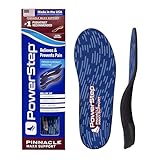
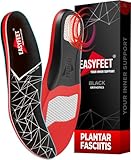

Frequently Asked Questions About Foot Pain From Walking Too Much
How much walking is too much?
Highly individual. Sudden 50%+ increase from baseline causes overuse injuries even in active people. Unconditioned adults: 10,000+ steps suddenly can cause problems. Vacation walking often 15-25,000 steps daily.
How do I recover from walking too much?
Acute: rest, ice, elevation, compression socks, NSAIDs, foot massage, hydration. Subacute: gradual return; supportive shoes; daily stretching. If pain persists 1+ week: see podiatrist.
How can I prevent foot pain from walking?
Gradual buildup (10-20% per week); quality footwear; custom orthotics; pre-walk stretching; foot conditioning; cross-training; rest days; address pain early; broken-in shoes.
How do I prepare for vacation walking?
4-8 weeks before: address pre-existing conditions; get fitted shoes; pre-trip conditioning. 2-4 weeks: build walking endurance; break in any new shoes; foot care kit prepared.
What shoes are best for theme park days?
Maximum cushion: Hoka Bondi 8; Brooks Glycerin 21. With custom orthotics if you have them. Bring backup shoes for switching mid-day. NEVER wear brand-new shoes for theme park days.
Why do my feet hurt after walking but not running?
Walking and running stress feet differently. Walking: prolonged standing, less impact, often less supportive shoes. Running: shorter contact time, higher impact, usually more supportive shoes. Both can cause foot pain through different mechanisms.
When should I see a podiatrist about walking foot pain?
Pain persists 1+ week after activity; recurring foot pain after walking; pre-existing conditions limiting walking; pre-vacation evaluation; need orthotic evaluation; suspected stress fracture (localized pinpoint pain).
Related Resources from Balance Foot & Ankle
Still Dealing With Foot Pain From Walking Too Much?
Same-week appointments at Balance Foot & Ankle in Howell & Bloomfield Township, MI.
Book Your Appointment⚕ Doctor Recommended
Doctor Hoy’s Natural Pain ReliefTopical relief for foot & ankle pain
View Product →⚠️ Most Common Mistake: Ignoring persistent foot pain and continuing normal activity without evaluation. Early podiatric care prevents minor foot issues from becoming chronic, difficult-to-treat conditions.
Frequently Asked Questions
🏥 Recommended by Dr. Biernacki — Foundation Wellness Products
These are the same products Dr. Biernacki recommends to his patients at Balance Foot & Ankle in Michigan. Available through our trusted partners.
What is Foot pain?
Foot pain is a common foot/ankle condition that affects mobility and quality of life. Understanding the underlying cause is the first step in successful treatment. Our podiatrists at Balance Foot & Ankle perform a hands-on biomechanical exam, review your activity history, and use diagnostic imaging when appropriate to identify the root cause—not just treat the symptom. Many patients have been told to “rest and ice” without a deeper diagnostic workup; our approach is different.
Symptoms and warning signs
Common signs of foot pain include pain that worsens with activity, morning stiffness, swelling, tenderness when palpated, and difficulty bearing weight. If you experience sudden severe pain, inability to walk, visible deformity, numbness or color change, contact our office the same day or visit urgent care—these can signal a more serious injury such as a fracture, tendon rupture, or vascular compromise. Diabetics with any foot wound should seek same-day care.
Conservative treatment options
Most cases of foot pain respond to non-surgical care: structured rest, supportive footwear changes, custom orthotics, targeted stretching and strengthening protocols, anti-inflammatory medications when medically appropriate, and in-office procedures such as ultrasound-guided injections. We also offer advanced therapies including laser therapy, EPAT/shockwave, regenerative injections, and image-guided procedures. Treatment is sequenced from least invasive to most invasive, and we explain the rationale at every step.
When is surgery considered?
Surgery is reserved for cases that fail 3-6 months of well-structured conservative care, when there is structural pathology (severe deformity, complete tear, advanced arthritis), or when imaging shows damage that will not heal without intervention. Our surgeons have performed 3,000+ foot and ankle procedures and prioritize minimally-invasive techniques whenever appropriate. We discuss recovery timelines, return-to-activity milestones, and realistic outcome expectations before any procedure is scheduled.
Recovery timeline and prevention
Recovery from foot pain varies based on severity and chosen treatment path. Conservative cases often improve within 4-8 weeks with consistent adherence to the protocol. Post-procedural recovery may range from a few days (in-office procedures) to several months (reconstructive surgery). Long-term prevention involves footwear assessment, activity modification, structured strengthening, and regular check-ins with your podiatrist if you have a history of recurrence. We provide written home-exercise plans and digital follow-up support.
Ready to feel better?
Same-week appointments available in Howell and Bloomfield Township, Michigan.
Book Your VisitReady to fix this for good?
Reading goes only so far. The fastest path to relief is a 30-minute office visit with Dr. Biernacki — same-week, Howell or Bloomfield Township. Call (810) 206-1402 or use our online booking.
In-Office Treatment at Balance Foot & Ankle
If home treatment isn’t providing relief for your foot and ankle conditions, our podiatry team at Balance Foot & Ankle can help with same-week evaluations and advanced in-office care.
APMA: Foot Pain Relief and Activity-Related Causes
Ready to Get Relief?
Same-week appointments available in Howell & Bloomfield Township, MI
4.9★ | 1,123 Reviews | 3,000+ Surgeries
Or call: (810) 206-1402

Dr. Tom Biernacki, DPM is a board-certified foot & ankle surgeon (ABFAS & ABPM) at Balance Foot & Ankle Specialists in Southeast Michigan. With over a decade of clinical experience, he specializes in heel pain, bunions, diabetic foot care, sports injuries, and minimally invasive surgery. Dr. Biernacki is a member of the APMA and ACFAS, and his patient education content on MichiganFootDoctors.com and YouTube has made him one of the most-followed foot & ankle educators on YouTube.